
Asia-Pacific Flowerpots and Planters Market Size, Growth & Revenue 2025-2034
Asia-Pacific Flowerpots and Planters Market is segmented by Type (Ceramic, Plastic, Metal, Wood, Composite), Application (Residential Gardening, Commercial Landscaping, Urban Greening, Indoor Decoration, Public Parks), Material Source (Natural Materials, Synthetic Materials), Sales Channel (Offline Retail, Online Retail), Product Design (Smart Planters, Traditional Planters), and Geography (Japan, China, Southeast Asia, India, Australia, South Korea, Others)
Pricing
Report Overview
Executive Summary
- •The Asia-Pacific flowerpots and planters market comprises the manufacturing and distribution of containers utilized for planting flowers, shrubs, and other greenery. These containers are made from materials such as ceramic, plastic, metal, wood, and composite substances that cater to diverse applications including residential gardening, commercial landscaping, urban greening, indoor decoration, and public parks. The market supports both functional horticulture and aesthetic landscaping needs, playing a pivotal role in urban environmental enhancement and wellness trends. Increasing urbanization and growing awareness of sustainable living have heightened demand for flowerpots and planters, especially with the surge in indoor gardening and vertical farming. This market is vital for addressing environmental sustainability, improving air quality, and promoting green infrastructure across Asia-Pacific countries. Technological innovations such as smart planters with moisture sensors and eco-friendly materials underscore the market's evolution, making it indispensable for modern horticulture and landscaping practices.
- •The Asia-Pacific flowerpots and planters market stood at USD 4.8 billion in 2025 and is projected to reach USD 9.2 billion by 2034, registering a CAGR of 7.6%. China dominates the regional market due to its robust manufacturing base and urban landscaping initiatives, while India shows the fastest growth driven by increasing urban middle-class interest in gardening and governmental green initiatives. Plastic planters lead the product type segment owing to affordability and versatility, whereas composite planters are fastest growing due to their eco-friendly appeal and durability. Residential gardening remains the largest application segment, supported by rising home gardening trends and indoor decoration preferences. The market growth is further propelled by growing investments in public parks and commercial landscaping projects, emphasizing sustainability and aesthetic enhancement.
- •The Asia-Pacific flowerpots and planters market offers strategic value to manufacturers, distributors, retailers, and urban planners by bridging consumer demand with sustainable urban development. The market's expansion aligns with increasing environmental consciousness among consumers and governments, promoting greener lifestyles and enhancing air quality. For stakeholders, understanding material innovations, regional consumer preferences, and regulatory landscapes helps optimize product offerings and market penetration strategies. The market's growth potential is enhanced by digital marketing channels and e-commerce platforms facilitating direct consumer access. Moreover, technological adoption such as smart irrigation-enabled planters presents new avenues for product differentiation. Thus, the Asia-Pacific flowerpots and planters market stands as a critical sector linking horticulture, urban sustainability, and lifestyle enhancement, creating opportunities for innovation and value creation across the supply chain.

Competitive Landscape
The Asia-Pacific flowerpots and planters market exhibits dynamic competition characterized by innovation, strategic alliances, and regional expansion. Leading companies invest heavily in research and development to introduce eco-friendly and technologically advanced planters, such as biodegradable materials and smart irrigation systems. Collaborations with landscaping firms and government urban greening projects strengthen market presence and distribution networks. Companies leverage multi-channel marketing including e-commerce to enhance customer reach, especially tapping into the growing online gardening community. Expansion into emerging markets within Southeast Asia and India is a key growth strategy, balancing manufacturing cost advantages with increasing local demand. Product diversification focusing on aesthetic appeal and functionality helps brands differentiate in a fragmented market. Pricing strategies remain competitive due to the presence of numerous local manufacturers, compelling players to emphasize quality and innovation. Strategic mergers and acquisitions further consolidate market positions, improving scale and operational efficiency to meet evolving consumer needs and regulatory requirements.
Prominent Players in Asia-Pacific Flowerpots and Planters Market
- •Yixing Guangda Ceramics Co. Ltd. (China)
- •Jiangsu Guotai International Group (China)
- •Keter Group (Israel)
- •Lechuza GmbH (Germany)
- •Bloem, Inc. (United States)
- •Glasdon Group Limited (United Kingdom)
- •Sisecam Group (Turkey)
- •Chaozhou City ZHONGXIN Ceramics Factory (China)
- •Easy Garden Sdn Bhd (Malaysia)
- •Garden Treasures (United States)
- •Vivere LLC (United States)
- •Pots & Planters Pvt Ltd. (India)
- •Bamboo Living (Japan)
- •Greenworks Tools (China)
- •Trinity Garden (South Korea)
- •EcoPot (Australia)
- •Plastia Ltd. (Israel)
- •Jardin (France)
- •Nylex Limited (Australia)
- •Tupperware Brands Corporation (United States)
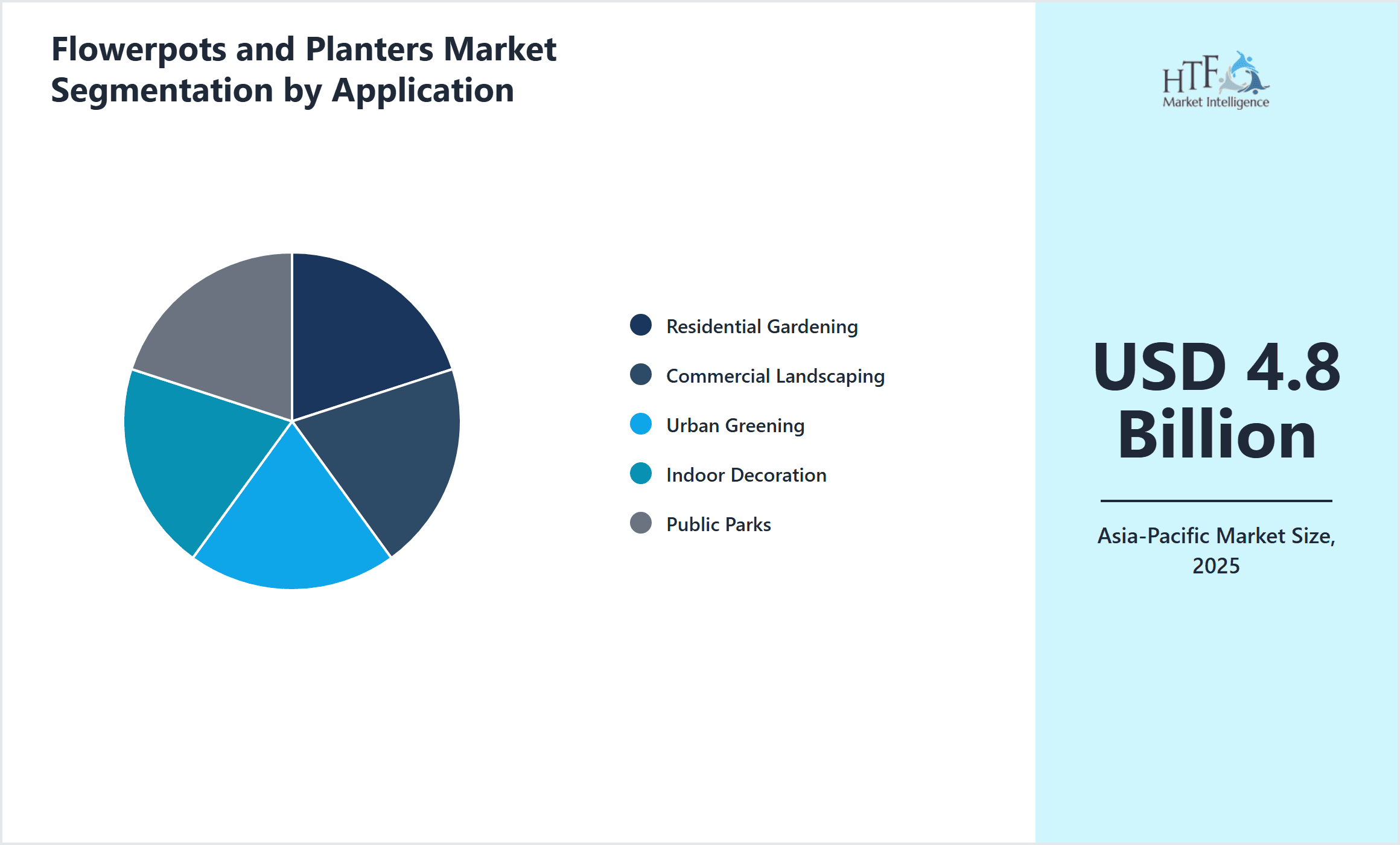
Market Segments
- •By Type
- ◦Ceramic
- ◦Plastic
- ◦Metal
- ◦Wood
- ◦Composite
- •By Application
- ◦Residential Gardening
- ◦Commercial Landscaping
- ◦Urban Greening
- ◦Indoor Decoration
- ◦Public Parks
- •By Material Source
- ◦Natural Materials
- ◦Synthetic Materials
- •By Sales Channel
- ◦Offline Retail
- ◦Online Retail
- •By Product Design
- ◦Smart Planters
- ◦Traditional Planters
Growth Dynamics
Rapid urbanization and increasing disposable incomes in Asia-Pacific countries such as China and India significantly fuel demand for flowerpots and planters. Urban dwellers increasingly adopt gardening as a lifestyle choice, supporting both functional and decorative needs. Government initiatives promoting green infrastructure and urban greening projects enhance market growth by encouraging landscaping activities in public parks and commercial spaces. Technological advancements including smart planters with integrated moisture sensors and automated watering systems increase product appeal among tech-savvy consumers. Additionally, rising environmental awareness drives preference toward biodegradable and composite material planters, reflecting sustainability trends. The shift toward indoor gardening and vertical farming, accelerated during pandemic times, sustains demand for indoor and space-efficient planters. Recently, companies like Keter Group launched eco-friendly product lines catering to these trends. These factors collectively contribute to consistent revenue growth and expanding market penetration across Asia-Pacific.
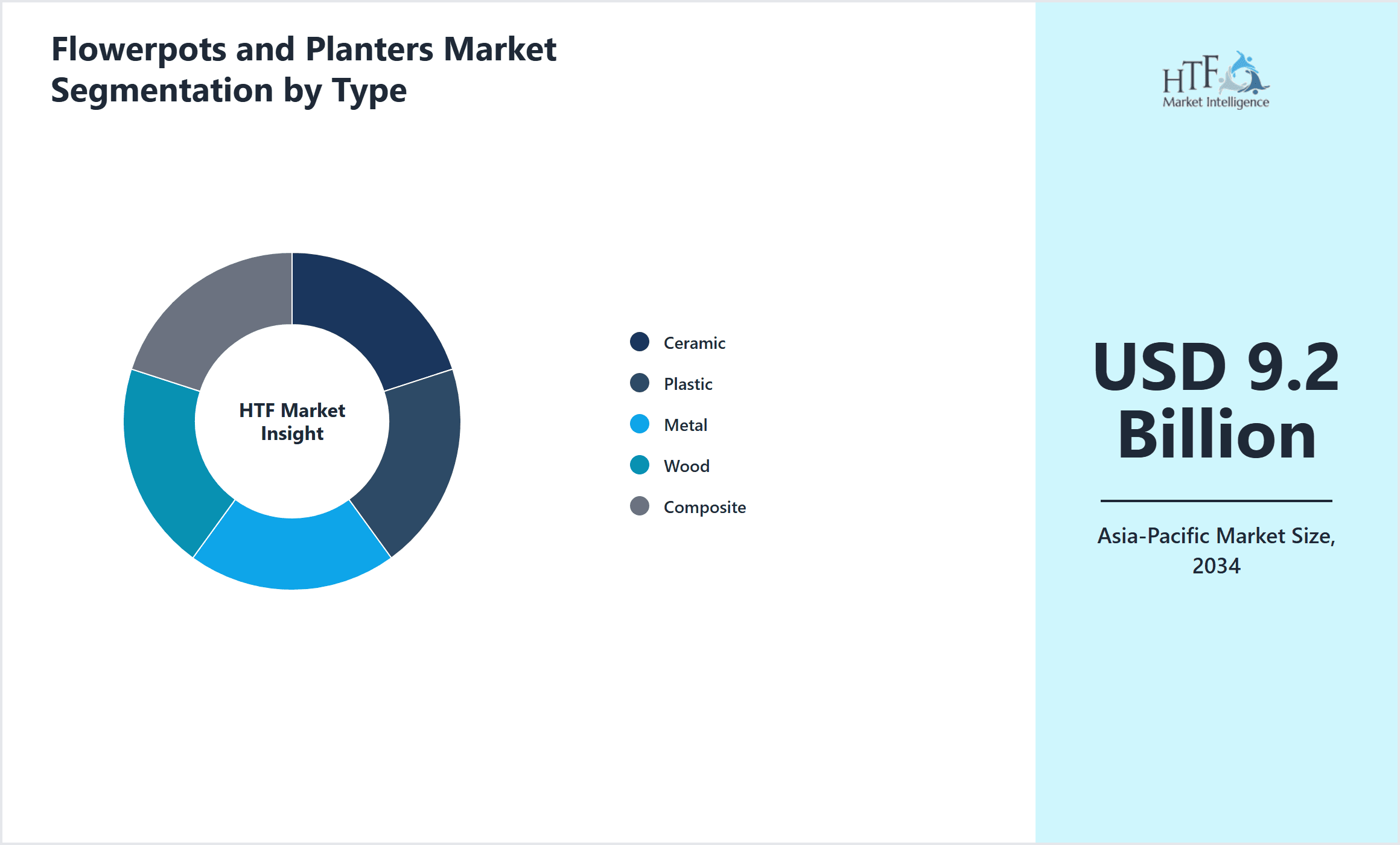
Market Trends
The Asia-Pacific flowerpots and planters market is witnessing a growing trend toward eco-friendly and biodegradable materials, driven by increasing environmental regulations and consumer preferences for sustainable products. Smart planters integrating IoT-based moisture and nutrient sensors enable automated plant care, attracting urban consumers seeking convenience and efficiency. The surge in e-commerce platforms facilitates direct-to-consumer sales, expanding market reach beyond traditional retail channels. Customization and aesthetic diversification, such as designer planters and themed collections, appeal to younger demographics. Government incentives for urban greening and green building certifications encourage commercial adoption of decorative and functional planters. For instance, Japan's green architecture initiatives have stimulated demand for innovative planter designs. Additionally, collaborations between planter manufacturers and landscape architects foster integrated urban green solutions. These trends highlight a shift toward technology-enabled, sustainable, and design-centric products shaping the market’s future trajectory.
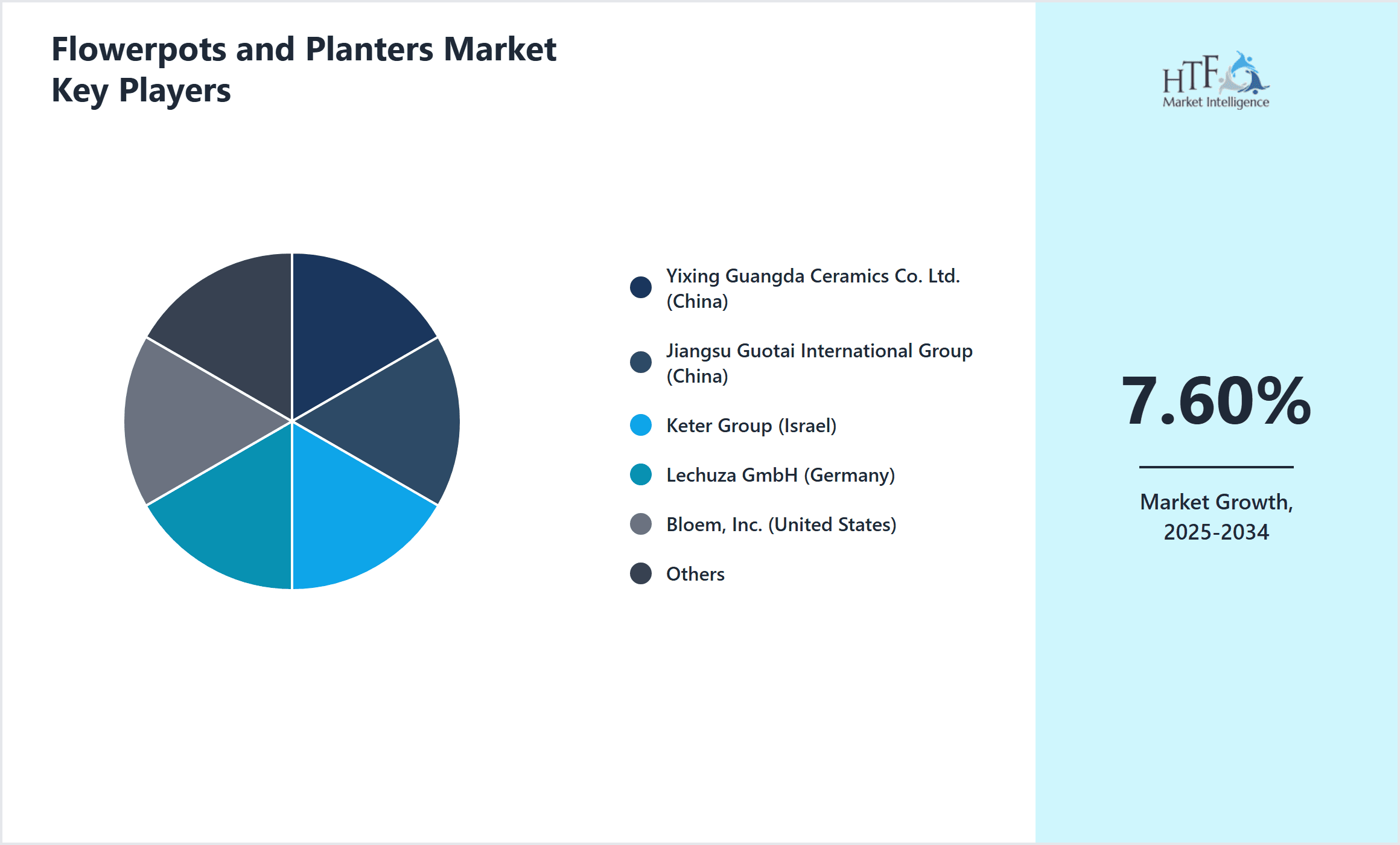
Market Opportunities
Expanding urban green spaces and rising interest in indoor gardening present significant growth opportunities for the Asia-Pacific flowerpots and planters market. Increasing adoption of vertical farming and hydroponics in countries like South Korea and Japan drives demand for specialized planters suited to these systems. The rising middle class in emerging economies such as India and Southeast Asia exhibits growing spending power for home gardening products, creating untapped residential markets. Integration of smart technology into planters offers opportunities for product differentiation and premium pricing. Furthermore, government policies promoting eco-friendly landscaping and sustainable building practices incentivize commercial and public sector investments in innovative planter solutions. Strategic partnerships between planter manufacturers and real estate developers can capitalize on these trends. Market players can also explore online customization services and subscription models to enhance customer engagement and loyalty, optimizing revenue streams.
Market Challenges
High competition from local manufacturers producing low-cost plastic and ceramic planters constrains profitability for branded and innovative product offerings. Supply chain disruptions due to geopolitical tensions and raw material price volatility increase production costs and complicate inventory management. Limited consumer awareness about the benefits of smart and eco-friendly planters hampers widespread adoption, especially in less urbanized regions. Regulatory compliance regarding biodegradability standards and import tariffs creates operational challenges for international players. Additionally, the seasonal nature of gardening demand affects inventory turnover and cash flow. Recent flooding events in Southeast Asia have disrupted manufacturing hubs, illustrating vulnerability to climate-related risks. Companies face difficulties in balancing product quality with affordability while meeting diverse consumer preferences. These challenges necessitate robust market strategies focused on innovation, education, and supply chain resilience to sustain growth in the Asia-Pacific flowerpots and planters market.
Regulatory Framework
In the last five years, Asia-Pacific countries including China, India, and Japan have introduced regulations focused on environmental sustainability impacting the flowerpots and planters market. China’s 2021 directive on promoting biodegradable materials requires manufacturers to gradually phase out non-eco-friendly plastics, accelerating the adoption of composite and natural materials. India’s Plastic Waste Management Rules updated in 2022 mandate producer responsibility for plastic planters, encouraging recycling initiatives. Japan’s Green Procurement Guidelines emphasize usage of sustainable products in public projects, fostering demand for certified eco-friendly planters. Additionally, import-export regulations for horticultural products have tightened in Australia to prevent biosecurity risks, affecting planter material sourcing. These regulations collectively push manufacturers toward sustainable product development and compliance, influencing supply chains and market entry strategies. Adherence to such policies ensures market access and aligns with growing consumer environmental expectations across Asia-Pacific.
Recent Industry Insights
Recent market developments and strategic initiatives are continuously tracked through industry publications, company announcements, and regulatory filings. For the most current information, stakeholders are advised to monitor official corporate communications and recognized market intelligence platforms.
Recent Merger and Acquisition
Recent market developments and strategic initiatives are continuously tracked through industry publications, company announcements, and regulatory filings. For the most current information, stakeholders are advised to monitor official corporate communications and recognized market intelligence platforms.
Regional Outlook
The China currently holds a significant share of the market, primarily due to several key factors: increasing consumption rates, a burgeoning population, and robust economic momentum. These elements collectively drive demand, positioning this region as a leader in the market. On the other hand, India is rapidly emerging as the fastest-growing area within the industry. This remarkable growth can be attributed to swift infrastructure development, the expansion of various industrial sectors, and a marked increase in consumer demand. These dynamics make this region a crucial player in shaping future market growth.
In our report, we cover a comprehensive analysis of the following regions and countries:
- Japan
- China
- Southeast Asia
- India
- Australia
- South Korea
- Others
| Feature | Details |
|---|---|
| Base Year Market Size | USD 4.8 Billion |
| Forecast Year Market Size | USD 9.2 Billion |
| CAGR | 7.6% |
| Forecast Period | 2026 to 2033 |
| YoY Growth | 7.3% |
| Scope of Report | Market is segmented by Type (Ceramic, Plastic, Metal, Wood, Composite), Application (Residential Gardening, Commercial Landscaping, Urban Greening, Indoor Decoration, Public Parks), Material Source (Natural Materials, Synthetic Materials), Sales Channel (Offline Retail, Online Retail), Product Design (Smart Planters, Traditional Planters) |
| Regions Covered | Japan, China, Southeast Asia, India, Australia, South Korea, Others |
| Key Companies | Yixing Guangda Ceramics Co. Ltd. (China), Jiangsu Guotai International Group (China), Keter Group (Israel), Lechuza GmbH (Germany), Bloem, Inc. (United States), Glasdon Group Limited (United Kingdom), Sisecam Group (Turkey), Chaozhou City ZHONGXIN Ceramics Factory (China), Easy Garden Sdn Bhd (Malaysia), Garden Treasures (United States), Vivere LLC (United States), Pots & Planters Pvt Ltd. (India), Bamboo Living (Japan), Greenworks Tools (China), Trinity Garden (South Korea), EcoPot (Australia), Plastia Ltd. (Israel), Jardin (France), Nylex Limited (Australia), Tupperware Brands Corporation (United States) |
Asia-Pacific Flowerpots and Planters Market Size, Growth & Revenue 2025-2034 - Table of Contents
Frequently Asked Questions (FAQ):
The Compact Track Loaders market is projected to grow at a CAGR of 6.8% from 2025 to 2030, driven by increasing demand in construction and agricultural sectors.
North America currently leads the market with approximately 45% market share, followed by Europe at 28% and Asia-Pacific at 22%. The remaining regions account for 5% of the global market.
Key growth drivers include increasing construction activities, rising demand for versatile equipment in agriculture, technological advancements in track loader design, and growing preference for compact equipment in urban construction projects.