
Japan Outdoor Power Equipment Market Size, Growth & Revenue 2025-2034
Japan Outdoor Power Equipment Market is segmented by Type (Lawn Mowers, Chainsaws, Trimmers & Brushcutters, Leaf Blowers, Pressure Washers), Application (Residential, Commercial, Agricultural, Landscaping, Industrial), Power Source (Gasoline-powered, Electric-powered, Battery-powered), Regional Zone (Hokkaido, Tohoku, Kanto, Chubu, Kansai, Chugoku, Shikoku, Kyushu & Okinawa), and Geography (Hokkaido, Tohoku, Kanto, Chubu, Kansai, Chugoku, Shikoku, Kyushu)
Pricing
Report Overview
Executive Summary
- •The Japan Outdoor Power Equipment market is defined by motor-driven tools designed to aid lawn care, landscaping, agricultural, and industrial maintenance activities across various regional zones within the country. This market includes equipment such as lawn mowers, chainsaws, trimmers, leaf blowers, and pressure washers powered by gasoline engines, electricity, or batteries. The product range caters to residential users, commercial landscapers, agricultural workers, and industrial maintenance providers, reflecting a diverse and dynamic demand landscape. The importance of this market lies in its contribution to productivity enhancement, environmental compliance, and operational efficiency, particularly in Japan's densely populated urban centers and expansive agricultural zones. Additionally, the market is influenced by technological shifts toward electric and battery-powered equipment, driven by environmental policies and consumer preferences. The growing focus on sustainable outdoor maintenance and professional landscaping services highlights the strategic relevance of this market segment in Japan's economic and environmental framework.
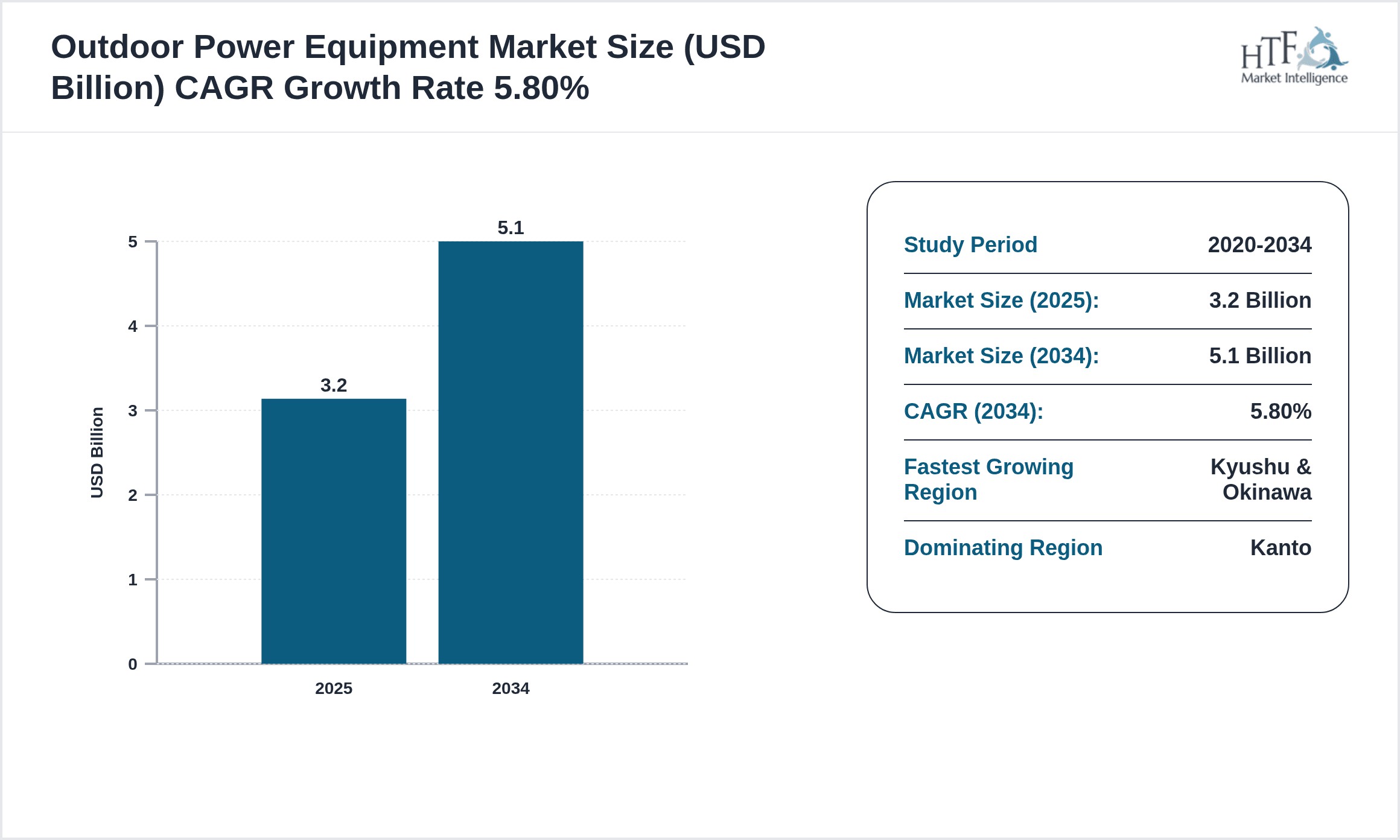
- •Key highlights of the Japan Outdoor Power Equipment market include a base market size of USD 3.2 Billion in 2025 with a forecast to reach USD 5.1 Billion by 2034, reflecting a compound annual growth rate of 5.8%. The residential and commercial landscaping segments dominate application-wise, with lawn mowers leading product types in market share. Regional dominance is observed in the Kanto zone, while Kyushu & Okinawa demonstrate the highest growth rates driven by infrastructure development and increasing urban green projects. Recent investments in electric outdoor tools and battery technology underscore market innovation. These factors collectively signal robust growth prospects and evolving consumer demands within Japan's outdoor maintenance sector.
- •This market offers extensive value to a range of stakeholders including manufacturers, retailers, landscapers, agricultural enterprises, and governmental bodies focused on urban planning and environmental sustainability. The strategic importance of outdoor power equipment lies in its ability to provide efficient, reliable, and environmentally friendly solutions for maintaining green spaces, agricultural lands, and industrial sites. Advancements in battery technology and electric motors reduce noise and emissions, aligning with Japan’s regulatory frameworks on pollution control. Moreover, the market drives employment in manufacturing, maintenance, and landscaping services, contributing to the country's economic stability. The integration of smart technologies and IoT in outdoor equipment further enhances operational efficiency and user experience, positioning this market as a key contributor to Japan’s sustainable development goals.
Competitive Landscape
The Japan Outdoor Power Equipment market's competitive environment is characterized by intense innovation, strategic partnerships, and a focus on sustainable technologies. Leading companies prioritize the development of electric and battery-powered tools to comply with stringent emission regulations and meet consumer demand for quieter, eco-friendly equipment. Market players enhance their presence by expanding distribution networks across Japan’s regional zones and investing in after-sales service infrastructure to improve customer retention. Product differentiation through advanced features such as smart controls, ergonomic designs, and enhanced durability plays a critical role in maintaining competitive advantage. Collaborations with technology providers accelerate the integration of IoT and AI capabilities, providing predictive maintenance and operational efficiency. Mergers and acquisitions focus on consolidating market share and acquiring technical expertise, while regional competition drives localized product adaptations. Pricing strategies balance premium innovation with affordability to cater to diverse customer segments. Overall, companies employ multi-pronged strategies combining innovation, expansion, and sustainability to secure long-term growth in the Japanese market.
Prominent Players in Outdoor Power Equipment Market
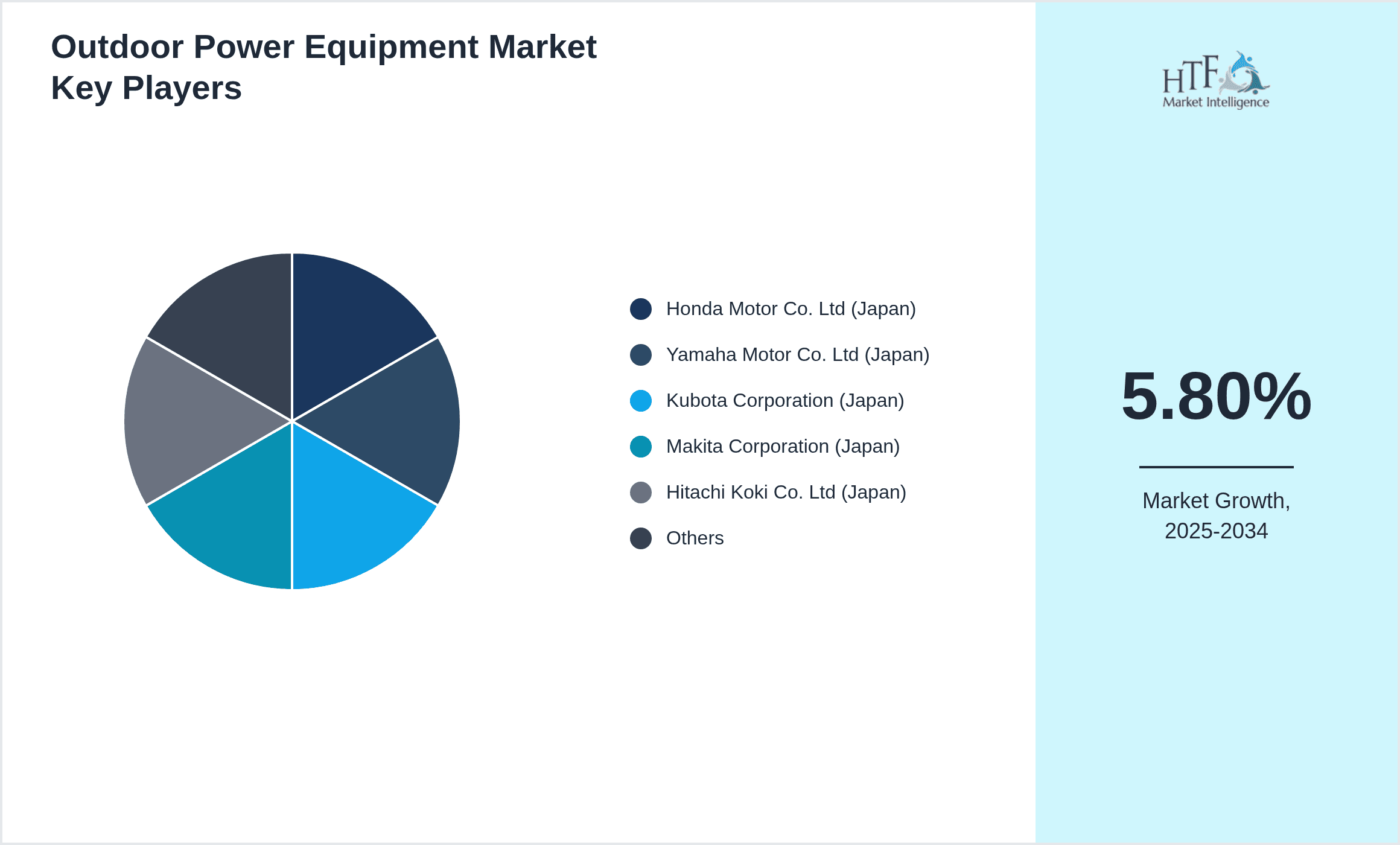
- •Honda Motor Co. Ltd (Japan)
- •Yamaha Motor Co. Ltd (Japan)
- •Kubota Corporation (Japan)
- •Makita Corporation (Japan)
- •Hitachi Koki Co. Ltd (Japan)
- •Tanaka Holdings Co. Ltd (Japan)
- •Shindaiwa Inc. (Japan)
- •Echo Inc. (Japan)
- •Kawasaki Heavy Industries Ltd (Japan)
- •STIHL Japan (Germany)
- •Husqvarna Japan (Sweden)
- •Toro Japan (United States)
- •Snapper Japan (United States)
- •Briggs & Stratton Japan (United States)
- •Honda Power Equipment (Japan)
- •Ryobi Limited (Japan)
- •Greenworks Japan (United States)
- •MTD Products Japan (United States)
- •Toro K.K. (Japan)
- •EGO Power+ Japan (United States)
Market Breakdown
- •By Type
- ◦Lawn Mowers
- ◦Chainsaws
- ◦Trimmers & Brushcutters
- ◦Leaf Blowers
- ◦Pressure Washers
- •By Application
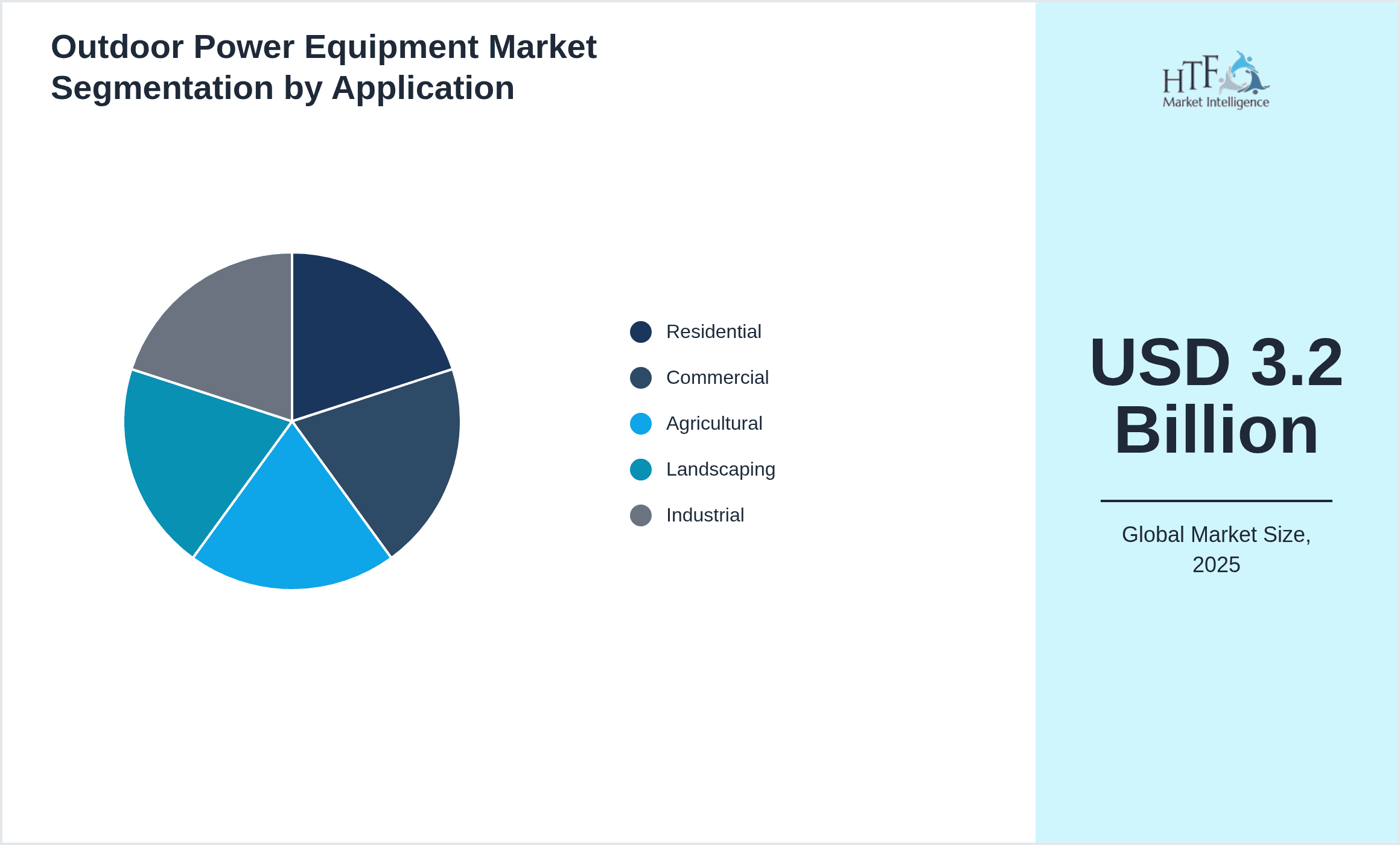
- ◦Residential
- ◦Commercial
- ◦Agricultural
- ◦Landscaping
- ◦Industrial
- •By Power Source
- ◦Gasoline-powered
- ◦Electric-powered
- ◦Battery-powered
- •By Regional Zone
- ◦Hokkaido
- ◦Tohoku
- ◦Kanto
- ◦Chubu
- ◦Kansai
- ◦Chugoku
- ◦Shikoku
- ◦Kyushu & Okinawa
Growth Dynamics
Increasing urbanization and government initiatives to enhance green spaces across Japanese cities have significantly boosted demand for efficient outdoor power equipment. For example, Kanto region’s urban renewal projects incorporate extensive landscaping requiring advanced lawn mowers and trimmers, fostering market expansion. The adoption of battery-powered tools aligns with Japan's environmental policies targeting emission reductions, supported by recent subsidies for eco-friendly equipment purchases. Additionally, growth in commercial landscaping services, driven by rising corporate investments in facility maintenance, fuels demand in the Kansai and Chubu regions. Technological advancements, such as integration of IoT for predictive maintenance and enhanced ergonomics, enable manufacturers to offer differentiated products that enhance productivity and user safety. Consumer preference shifts towards quieter, low-maintenance equipment further accelerate market uptake. Strategic collaborations between manufacturers and technology providers optimize innovation cycles, reinforcing competitive positioning and sustainable growth in the Japan outdoor power equipment market.

Market Trends
Electrification of outdoor power equipment has become a defining trend in Japan, with companies intensifying R&D in battery technology to deliver longer runtimes and faster charging. Growing environmental awareness among consumers and stringent government emission standards propel this shift, evident in the rising availability of electric trimmers and lawn mowers. Additionally, smart technology integration, including IoT-enabled diagnostics and remote control features, is transforming user interaction and equipment management. Regional zones such as Kyushu & Okinawa witness increased adoption of robotic lawn mowers, reflecting technological acceptance in residential and commercial segments. Collaborative efforts between manufacturers and local governments to promote electric equipment usage further stimulate market evolution. The trend towards compact, lightweight designs caters to aging demographics, ensuring ease of use and safety. This convergence of sustainability, technology, and user-centric design positions the Japan outdoor power equipment market for sustained innovation-driven growth.
Market Opportunities
Expanding demand for battery-powered outdoor equipment presents significant growth opportunities in Japan, particularly within residential and commercial landscaping sectors. Government incentives aimed at reducing carbon emissions encourage both consumers and businesses to transition from gasoline-powered tools to electric alternatives, creating a fertile environment for product innovation and market penetration. Regional development projects in Tohoku and Chugoku emphasize sustainable urban planning, increasing requirements for efficient and eco-friendly landscaping solutions. Furthermore, aging population dynamics drive demand for ergonomic and lightweight equipment, opening avenues for specialized product lines. Integration of smart technology offers opportunities for service-based models such as equipment monitoring and predictive maintenance, enhancing customer loyalty. Strategic partnerships between domestic manufacturers and technology firms facilitate access to cutting-edge innovations, while export potential to neighboring Asian markets remains robust. These factors collectively outline a promising landscape for investment and expansion in Japan’s outdoor power equipment industry.
Market Challenges
High initial costs associated with electric and battery-powered outdoor equipment restrict widespread adoption among price-sensitive consumers and small businesses in Japan. The limited battery life and longer charging times compared to gasoline-powered tools create operational inefficiencies for commercial users requiring continuous equipment availability. Supply chain disruptions and raw material price volatility further exacerbate production costs, as observed during recent semiconductor shortages affecting battery technology. In addition, stringent safety regulations and complex certification processes prolong product development timelines, limiting rapid market entry for new innovations. Regional disparities in infrastructure, particularly in rural zones such as Shikoku and Tohoku, hinder accessibility to advanced equipment and after-sales services. Furthermore, intense competition from established global players pressures domestic manufacturers to maintain competitive pricing while investing heavily in R&D. These challenges collectively constrain market growth and necessitate strategic planning for sustainable expansion.
Regulatory Framework
Japan’s Ministry of Economy, Trade and Industry implemented the Outdoor Power Equipment Emission Standards in 2021, mandating reduced emissions for gasoline-powered tools to align with the country’s carbon neutrality goals. The regulations require manufacturers to integrate cleaner engine technologies or shift toward electric alternatives by 2025, impacting product design and manufacturing processes. Additionally, safety standards under the Japanese Industrial Standards (JIS) have been enhanced in 2020, emphasizing operator protection, noise reduction, and durability testing protocols. Compliance with the Act on the Rational Use of Energy encourages adoption of energy-efficient equipment, further shaping market offerings. Regional authorities also enforce specific noise pollution controls, particularly in urban zones like Kanto, influencing equipment performance parameters. These regulatory frameworks foster innovation and gradual transition toward sustainable outdoor power solutions while ensuring consumer safety and environmental preservation across Japan.
Market Intelligence
Recent market developments and strategic initiatives are continuously tracked through industry publications, company announcements, and regulatory filings. For the most current information, stakeholders are advised to monitor official corporate communications and recognized market intelligence platforms.
Regional Outlook
The Kanto currently holds a significant share of the market, primarily due to several key factors: increasing consumption rates, a burgeoning population, and robust economic momentum. These elements collectively drive demand, positioning this region as a leader in the market. On the other hand, Kyushu & Okinawa is rapidly emerging as the fastest-growing area within the industry. This remarkable growth can be attributed to swift infrastructure development, the expansion of various industrial sectors, and a marked increase in consumer demand. These dynamics make this region a crucial player in shaping future market growth.
In our report, we cover a comprehensive analysis of the following regions and countries:
- Hokkaido
- Tohoku
- Kanto
- Chubu
- Kansai
- Chugoku
- Shikoku
- Kyushu
| Feature | Details |
|---|---|
| Base Year Market Size | USD 3.2 Billion |
| Forecast Year Market Size | USD 5.1 Billion |
| CAGR | 5.8% |
| Forecast Period | 2026 to 2033 |
| YoY Growth | 5.6% |
| Scope of Report | Market is segmented by Type (Lawn Mowers, Chainsaws, Trimmers & Brushcutters, Leaf Blowers, Pressure Washers), Application (Residential, Commercial, Agricultural, Landscaping, Industrial), Power Source (Gasoline-powered, Electric-powered, Battery-powered), Regional Zone (Hokkaido, Tohoku, Kanto, Chubu, Kansai, Chugoku, Shikoku, Kyushu & Okinawa) |
| Regions Covered | Hokkaido, Tohoku, Kanto, Chubu, Kansai, Chugoku, Shikoku, Kyushu |
| Key Companies | Honda Motor Co. Ltd (Japan), Yamaha Motor Co. Ltd (Japan), Kubota Corporation (Japan), Makita Corporation (Japan), Hitachi Koki Co. Ltd (Japan) |
Japan Outdoor Power Equipment Market Size, Growth & Revenue 2025-2034 - Table of Contents
Multidisciplinary researcher with 10+ years of experience uncovering insights across diverse domains focused on uncovering insights that drive informed decisions.
Frequently Asked Questions (FAQ):
The Compact Track Loaders market is projected to grow at a CAGR of 6.8% from 2025 to 2030, driven by increasing demand in construction and agricultural sectors.
North America currently leads the market with approximately 45% market share, followed by Europe at 28% and Asia-Pacific at 22%. The remaining regions account for 5% of the global market.
Key growth drivers include increasing construction activities, rising demand for versatile equipment in agriculture, technological advancements in track loader design, and growing preference for compact equipment in urban construction projects.