
Global Goat Milk Infant Formula Market Size, Growth & Revenue 2024-2034
Global Goat Milk Infant Formula Market is segmented by Type (Powdered Goat Milk Infant Formula, Liquid Concentrate Goat Milk Infant Formula, Ready-to-Feed Goat Milk Infant Formula, Organic Goat Milk Formula, Specialty Goat Milk Formula), Application (Standard Infant Formula, Follow-on Formula, Growing-up Milk, Specialty Formula, Organic Formula), Distribution Channel (Supermarkets & Hypermarkets, Pharmacies & Drug Stores, Online Retail, Specialty Stores), Packaging Type (Tin Cans, Plastic Containers, Glass Bottles), and Geography (North America, LATAM, West Europe, Central & Eastern Europe, Northern Europe, Southern Europe, East Asia, Southeast Asia, South Asia, Central Asia, Oceania, MEA)
Pricing
Report Overview
Executive Summary
- •The Global Goat Milk Infant Formula Market represents a vital segment of infant nutrition focused on providing goat milk-based feeding solutions worldwide. This market includes a diverse range of products such as powdered, liquid concentrate, ready-to-feed, organic, and specialty formulas tailored to infant dietary needs from birth through toddlerhood. With growing consumer awareness about the benefits of goat milk—such as better digestibility and hypoallergenic properties—this market addresses the nutritional demands of infants with sensitivities or those seeking natural alternatives to cow milk formulas. The industry scope extends across various applications including standard infant formula, follow-on formula for older infants, growing-up milk for toddlers, and specialized formulas serving medical or organic preferences. Increasing health consciousness, rising birth rates in emerging markets, and expanded retail channels including e-commerce contribute to robust market growth. Additionally, the market benefits from innovations in product formulations and compliance with regulatory standards globally. Key stakeholders include manufacturers, distributors, healthcare professionals, and consumers aiming for optimal infant nutrition. The market is poised for significant expansion driven by demographic trends and evolving consumer preferences towards organic and natural infant feeding products.
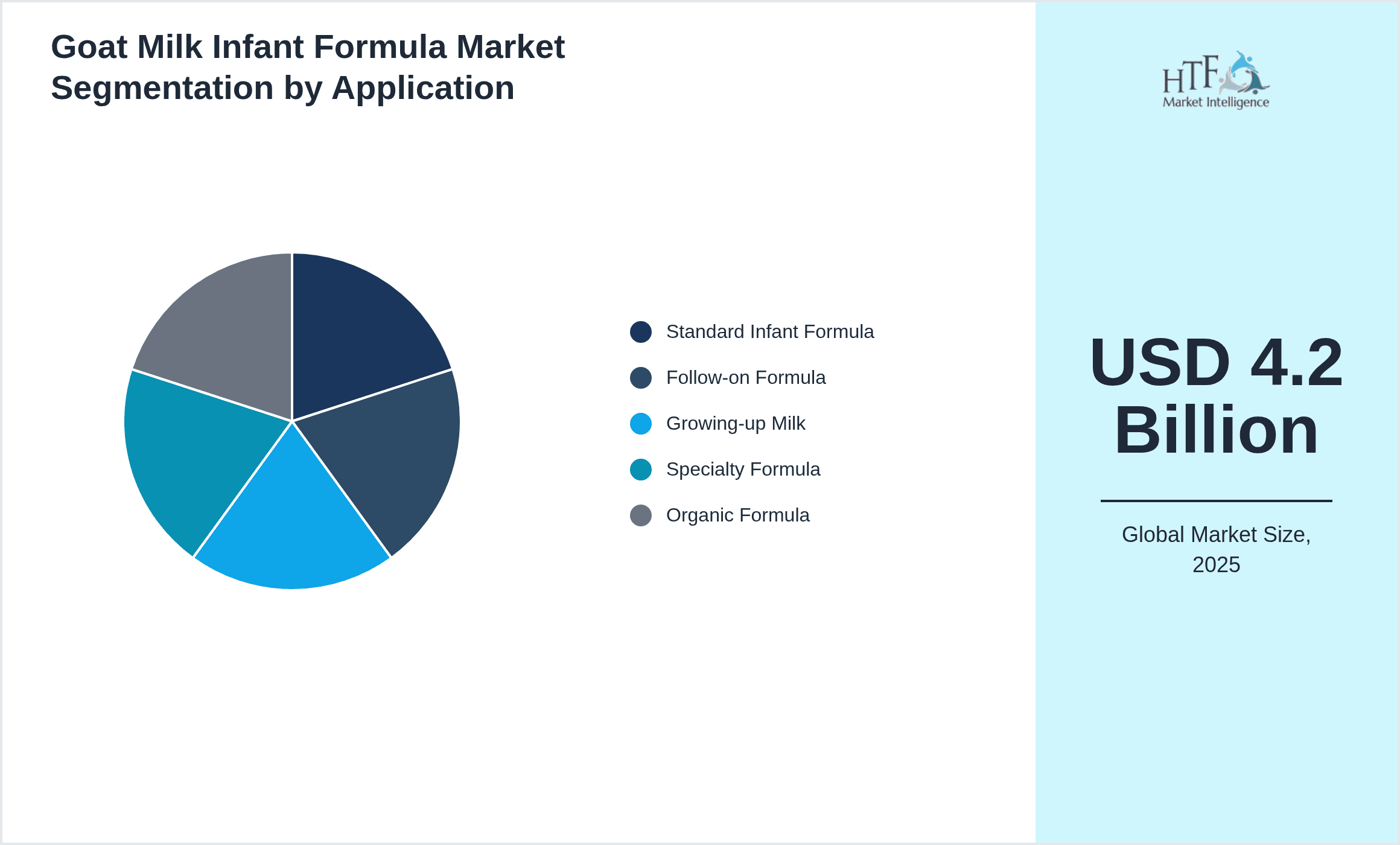
- •The market is expected to grow from USD 4.2 Billion in 2024 to USD 9.8 Billion by 2034, reflecting a strong CAGR of 8.5%. North America currently dominates the market with a 33% share, while Asia-Pacific is the fastest growing region at a CAGR of 12.4%, fueled by rising birth rates and increasing health awareness. Powdered goat milk infant formula leads product segmentation, followed closely by organic goat milk formula, which is the fastest growing product type due to consumer demand for natural ingredients. Standard infant formula holds the largest application share, with specialty formulas gaining traction for infants with allergies and sensitivities. The market exhibits dynamic competitive activity with innovation and strategic partnerships shaping growth. Key players focus on developing fortified, organic, and hypoallergenic products to capture emerging consumer segments globally.
- •The goat milk infant formula market holds strategic importance for infant nutrition providers, pediatric healthcare, and retail sectors globally. It addresses unmet nutritional needs and diversifies infant feeding options beyond traditional cow milk formulas. The market's growth trajectory is driven by consumer demand for organic and specialty nutrition products, regulatory advancements ensuring product safety, and the rising prevalence of infant allergies. Manufacturers benefit from expanding distribution through supermarkets, pharmacies, and e-commerce platforms, enhancing accessibility. The sector offers opportunities for innovation in formulation, packaging, and sustainability. For investors and stakeholders, the market presents a compelling value proposition due to its resilience, evolving consumer trends, and potential for geographic expansion, particularly in high-growth regions like Asia-Pacific and Latin America.

Competitive Landscape
The competitive environment of the Global Goat Milk Infant Formula Market is characterized by intense rivalry among established multinational corporations and emerging regional players. Market leaders adopt diverse strategies including product innovation, focus on organic and specialty formulations, strategic partnerships, and geographic expansion to consolidate their positions. Companies emphasize research and development to enhance nutritional profiles and address specific infant health needs such as allergies and digestive sensitivities. Pricing strategies vary, balancing premium organic products with more affordable standard formulas to capture a wide consumer base. Distribution channels are expanding from traditional retail to online platforms, intensifying competition in e-commerce. Innovation in sustainable packaging and compliance with stringent global regulatory standards provide competitive advantages. Barriers to entry include high R&D costs, regulatory compliance, and brand trust. Companies are increasingly forming alliances and mergers to improve supply chain efficiency and broaden product portfolios. Future competition will likely focus on digital marketing, personalized nutrition, and expanding presence in fast-growing regions like Asia-Pacific and Latin America.
Leading Companies in Goat Milk Infant Formula Market
- •Nestlé S.A. (Switzerland)
- •Danone S.A. (France)
- •Mead Johnson Nutrition (United States)
- •Ausnutria Dairy Corporation Ltd. (China)
- •Bellamy’s Organic (Australia)
- •Lactalis Group (France)
- •Kabrita (Netherlands)
- •Mullins Food Products (New Zealand)
- •Holle Baby Food GmbH (Germany)
- •Biostime Inc. (China)
- •Bubs Australia Pty Ltd (Australia)
- •Danone Nutricia Early Life Nutrition (Netherlands)
- •FrieslandCampina (Netherlands)
- •Yili Group (China)
- •Arla Foods (Denmark)
- •SMA Nutrition (Germany)
- •Glanbia Nutritionals (Ireland)
- •Karicare (New Zealand)
- •Fairlife, LLC (United States)
- •Bongrain SA (France)
Market Breakdown
- •By Type
- ◦Powdered Goat Milk Infant Formula
- ◦Liquid Concentrate Goat Milk Infant Formula
- ◦Ready-to-Feed Goat Milk Infant Formula
- ◦Organic Goat Milk Formula
- ◦Specialty Goat Milk Formula
- •By Application
- ◦Standard Infant Formula
- ◦Follow-on Formula
- ◦Growing-up Milk
- ◦Specialty Formula
- ◦Organic Formula
- •By Distribution Channel
- ◦Supermarkets & Hypermarkets
- ◦Pharmacies & Drug Stores
- ◦Online Retail
- ◦Specialty Stores
- •By Packaging Type
- ◦Tin Cans
- ◦Plastic Containers
- ◦Glass Bottles
Growth Dynamics
The global goat milk infant formula market is propelled by increasing consumer inclination towards natural and organic baby nutrition products, driven by heightened awareness of goat milk’s hypoallergenic properties and superior digestibility compared to cow milk. Rising birth rates in emerging economies and growing urbanization further fuel demand, while innovations in fortification with vitamins and minerals enhance product appeal. Technological advancements in manufacturing and packaging ensure product safety and extended shelf life, meeting stringent regulatory requirements worldwide. Expanding distribution channels, particularly e-commerce platforms, increase product accessibility across diverse markets, boosting market penetration. Additionally, growing pediatric recommendations for goat milk formula in cases of cow milk intolerance encourage consumer adoption. These combined factors create a favorable growth environment, positioning the market for sustained expansion through 2034.

Market Trends
A significant trend shaping the goat milk infant formula market is the rising consumer preference for organic and clean-label products, reflecting broader health and wellness movements globally. Manufacturers are increasingly introducing formulas free from artificial additives and preservatives, fortified with natural ingredients such as prebiotics and probiotics to support infant gut health. The integration of sustainable and eco-friendly packaging materials is gaining traction, aligning with environmental concerns. Moreover, digital marketing strategies and social media engagement are becoming critical for brand visibility and customer education. Regional diversification with tailored product offerings to address cultural preferences and dietary needs is also evident. These trends signify a market shift towards transparency, sustainability, and personalized nutrition, which are expected to drive competitive differentiation and consumer loyalty.

Market Opportunities
Emerging markets in Asia-Pacific and Latin America present substantial growth opportunities due to rising disposable incomes, increasing awareness of infant nutrition, and expanding retail infrastructures. There is potential in developing specialized goat milk formulas targeting infants with specific dietary needs such as allergies, lactose intolerance, or metabolic disorders, opening niche market segments. The growing e-commerce sector offers a platform for direct-to-consumer sales, enabling companies to widen their reach and reduce distribution costs. Additionally, innovation in product formulation incorporating functional ingredients like DHA, ARA, and human milk oligosaccharides can create differentiated offerings. Collaborations between formula manufacturers and healthcare providers to promote awareness and acceptance also offer strategic growth avenues. These opportunities, combined with evolving consumer preferences for organic and natural products, are poised to transform the market landscape in the coming decade.
Market Challenges
The goat milk infant formula market faces challenges including stringent regulatory approvals that vary across regions, requiring significant investment in compliance and testing to ensure product safety and efficacy. High manufacturing costs associated with sourcing quality goat milk and organic ingredients may limit affordability, particularly in price-sensitive emerging markets. Consumer skepticism and low awareness in certain regions about the benefits of goat milk compared to conventional cow milk formulas pose barriers to adoption. Supply chain complexities such as seasonal variability in goat milk production and logistics constraints can disrupt consistent product availability. Additionally, competition from well-established cow milk formula brands and alternative infant nutrition products intensifies market entry difficulties for new players. Addressing these challenges requires strategic investment in education, quality assurance, and cost optimization to sustain growth.
Regulatory Framework
From 2019 to 2024, global regulatory frameworks for goat milk infant formula have evolved to enhance product safety and quality standards. Key regulations mandate rigorous testing for contaminants, nutritional adequacy, and labeling accuracy to protect infant health. The Codex Alimentarius Commission established updated guidelines harmonizing nutrient requirements and safety parameters for infant formulas, adopted by many countries. Regional authorities such as the U.S. FDA, European Food Safety Authority (EFSA), and China’s National Health Commission have implemented stricter compliance protocols including ingredient sourcing transparency and allergen disclosure. Organic certification standards have been reinforced to ensure authenticity and traceability in organic goat milk formulas. These regulatory developments have increased manufacturing costs but improved consumer confidence and market credibility. Manufacturers must navigate diverse country-specific mandates and maintain proactive engagement with regulatory bodies to ensure timely approvals and market access.
Market Intelligence
- •12th January 2025, Nestlé S.A. launched a new line of organic goat milk infant formulas fortified with DHA and prebiotics, targeting health-conscious parents in North America and Europe. The products emphasize clean-label ingredients and sustainable packaging to align with contemporary consumer demands. Nestlé aims to expand its presence in the specialty infant nutrition segment by leveraging advanced formulation technologies and global distribution networks. This launch is expected to strengthen Nestlé’s market leadership and respond to increasing demand for natural infant nutrition solutions. Source: Nestlé Official Press Release
- •18th March 2025, Ausnutria Dairy Corporation Ltd. expanded its manufacturing capacity in China to meet rising demand for goat milk infant formulas across Asia-Pacific. The company invested in state-of-the-art processing facilities and enhanced quality control systems to ensure compliance with international standards. This strategic move supports Ausnutria’s growth ambitions in emerging markets by reducing lead times and improving supply chain efficiency. The expansion is projected to boost production volumes by 25% within the next two years, positioning the company to capitalize on regional market growth. Source: Ausnutria Corporate Announcement
- •9th May 2025, Danone S.A. introduced a specialty goat milk formula designed for infants with cow milk protein allergy, incorporating hypoallergenic processing techniques and bioactive components. This product launch addresses a critical unmet need in the infant nutrition market and exemplifies Danone’s commitment to innovation and personalized nutrition. The formula is being rolled out initially in Europe and North America, with plans for broader market penetration. Early consumer feedback indicates strong acceptance among pediatricians and caregivers, supporting Danone’s strategic focus on health-driven product development. Source: Danone News Release
- •22nd February 2025, Bellamy’s Organic announced a partnership with leading online retailers in Asia-Pacific to enhance the accessibility of its premium organic goat milk infant formula. This collaboration aims to leverage digital marketing and e-commerce platforms to reach a wider consumer base, particularly millennials who prefer online shopping. Bellamy’s plans to introduce subscription-based models and personalized nutrition advice services to increase customer retention and engagement. The partnership is anticipated to significantly boost sales and brand visibility in high-growth markets. Source: Bellamy’s Corporate Statement
Regional Outlook
The North America currently holds a significant share of the market, primarily due to several key factors: increasing consumption rates, a burgeoning population, and robust economic momentum. These elements collectively drive demand, positioning this region as a leader in the market. On the other hand, Asia-Pacific is rapidly emerging as the fastest-growing area within the industry. This remarkable growth can be attributed to swift infrastructure development, the expansion of various industrial sectors, and a marked increase in consumer demand. These dynamics make this region a crucial player in shaping future market growth.
In our report, we cover a comprehensive analysis of the following regions and countries:
- North America
- LATAM
- West Europe
- Central & Eastern Europe
- Northern Europe
- Southern Europe
- East Asia
- Southeast Asia
- South Asia
- Central Asia
- Oceania
- MEA
| Feature | Details |
|---|---|
| Base Year Market Size | USD 4.2 Billion |
| Forecast Year Market Size | USD 9.8 Billion |
| CAGR | 8.5% |
| Forecast Period | 2026 to 2033 |
| YoY Growth | 8.3% |
| Scope of Report | Market is segmented by Type (Powdered Goat Milk Infant Formula, Liquid Concentrate Goat Milk Infant Formula, Ready-to-Feed Goat Milk Infant Formula, Organic Goat Milk Formula, Specialty Goat Milk Formula), Application (Standard Infant Formula, Follow-on Formula, Growing-up Milk, Specialty Formula, Organic Formula), Distribution Channel (Supermarkets & Hypermarkets, Pharmacies & Drug Stores, Online Retail, Specialty Stores), Packaging Type (Tin Cans, Plastic Containers, Glass Bottles) |
| Regions Covered | North America, LATAM, West Europe, Central & Eastern Europe, Northern Europe, Southern Europe, East Asia, Southeast Asia, South Asia, Central Asia, Oceania, MEA |
| Key Companies | Nestlé S.A. (Switzerland), Danone S.A. (France), Mead Johnson Nutrition (United States), Ausnutria Dairy Corporation Ltd. (China), Bellamy’s Organic (Australia), Lactalis Group (France), Kabrita (Netherlands), Mullins Food Products (New Zealand), Holle Baby Food GmbH (Germany), Biostime Inc. (China), Bubs Australia Pty Ltd (Australia), Danone Nutricia Early Life Nutrition (Netherlands), FrieslandCampina (Netherlands), Yili Group (China), Arla Foods (Denmark), SMA Nutrition (Germany), Glanbia Nutritionals (Ireland), Karicare (New Zealand), Fairlife, LLC (United States), Bongrain SA (France) |
Global Goat Milk Infant Formula Market Size, Growth & Revenue 2024-2034 - Table of Contents
Frequently Asked Questions (FAQ):
The Compact Track Loaders market is expected to see value worth 5.3 Billion in 2025.
North America currently leads the market with approximately 45% market share, followed by Europe at 28% and Asia-Pacific at 22%. The remaining regions account for 5% of the global market.
Key growth drivers include increasing construction activities, rising demand for versatile equipment in agriculture, technological advancements in track loader design, and growing preference for compact equipment in urban construction projects.