
North America Garters Belts Market Size, Growth & Revenue 2025-2034
North America Garters Belts Market is segmented by Type (Classic Garters, Modern Garters, Lace Garters, Adjustable Garters, Leather Garters), Application (Fashion Accessories, Bridal Wear, Lingerie, Costumes, Specialty Wear), Distribution Channel (Specialty Retail Stores, Department Stores, Online Retailers, Boutiques), Material Composition (Synthetic Fabrics, Cotton Blends, Silk, Leather), and Geography (United States, Canada, Mexico)
Pricing
Report Overview
Executive Summary
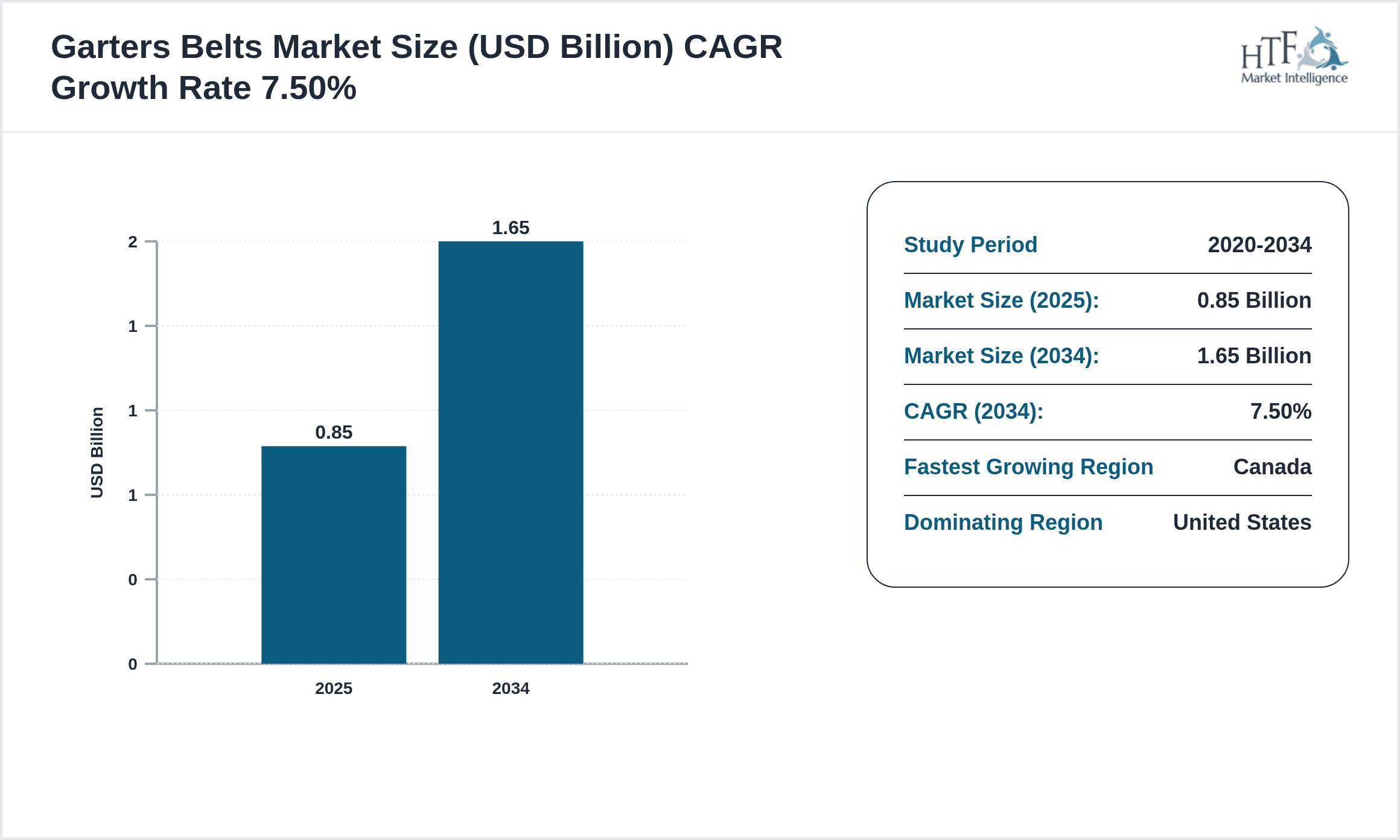
- •The North America Garters Belts market is a specialized segment within the fashion accessories and intimate apparel industries, offering a range of products from classic to contemporary designs. This market is defined by its diverse applications including bridal wear, lingerie, costumes, and specialty fashion, appealing to a broad demographic with varying style preferences. The value chain spans raw material sourcing, primarily textiles and elastics, through manufacturing, distribution, and retail channels, including a growing focus on online sales platforms. Consumer demand is influenced by fashion trends, cultural acceptance, and increasing interest in personalized and adjustable products. Technological innovations such as enhanced materials and ergonomic designs have elevated product comfort and appeal, while marketing strategies targeting younger, fashion-conscious consumers have expanded market penetration. The United States dominates the regional market due to its large consumer base and significant fashion industry presence, while Canada is rapidly growing driven by increasing disposable income and evolving fashion trends. The market is forecasted to grow at a compound annual growth rate of 7.5% from 2025 to 2034, reflecting steady expansion supported by product innovation and diversified applications. Key challenges include competition from alternative lingerie products and fluctuating raw material costs. Nonetheless, opportunities abound in online retail expansion, customization offerings, and niche market targeting, making the North America Garters Belts market a dynamic and evolving sector within fashion retail.
- •Market highlights include a base market size of USD 0.85 Billion in 2025, expanding to USD 1.65 Billion by 2034. The CAGR of 7.5% indicates a robust growth trajectory supported by increasing consumer interest in fashion-forward and functional garter belts. The United States accounts for the majority market share with 58%, followed by Canada at 22%, which is also the fastest growing country in the region with a CAGR of 9.1%. Adjustable garters are identified as the fastest growing product type, driven by demand for customizable fit and comfort. The growth is further supported by rising e-commerce penetration and digital marketing strategies targeting younger demographics.
- •This market offers significant value propositions to fashion retailers, apparel manufacturers, and consumers seeking versatile and stylish lingerie accessories. Strategic importance lies in product innovation, expanding distribution channels, and tapping into niche markets such as bridal and specialty costumes. Stakeholders benefit from understanding regional trends and consumer preferences to optimize product portfolios and marketing approaches. The evolving regulatory environment concerning textile standards and trade policies also shapes market dynamics, necessitating adaptive strategies for compliance and competitiveness.
Competitive Landscape
The North America Garters Belts market exhibits a competitive environment characterized by a mix of established lingerie brands, niche fashion accessory manufacturers, and emerging online retailers. Market dynamics are shaped by product innovation focusing on comfort, aesthetics, and adjustability, supported by technological advancements in textile materials and manufacturing techniques. Competitive strategies include brand differentiation through quality, design exclusivity, and strategic collaborations with fashion designers and influencers. Pricing strategies vary from premium offerings targeting luxury consumers to affordable lines addressing mass-market demand. Distribution channels encompass traditional retail outlets, specialty lingerie stores, and rapidly growing e-commerce platforms, which enhance market reach and consumer engagement. The market experiences moderate entry barriers due to the need for design expertise, branding, and compliance with textile regulations. Regional competition is influenced by consumer preferences and economic factors, with the United States leading in innovation and market size, while Canada and Mexico offer growth potential through expanding consumer bases. Future trends indicate increased focus on sustainability, customization, and digital marketing, which will intensify competitive activities and drive consolidation through mergers and acquisitions.
Leading Companies in Garters Belts Market
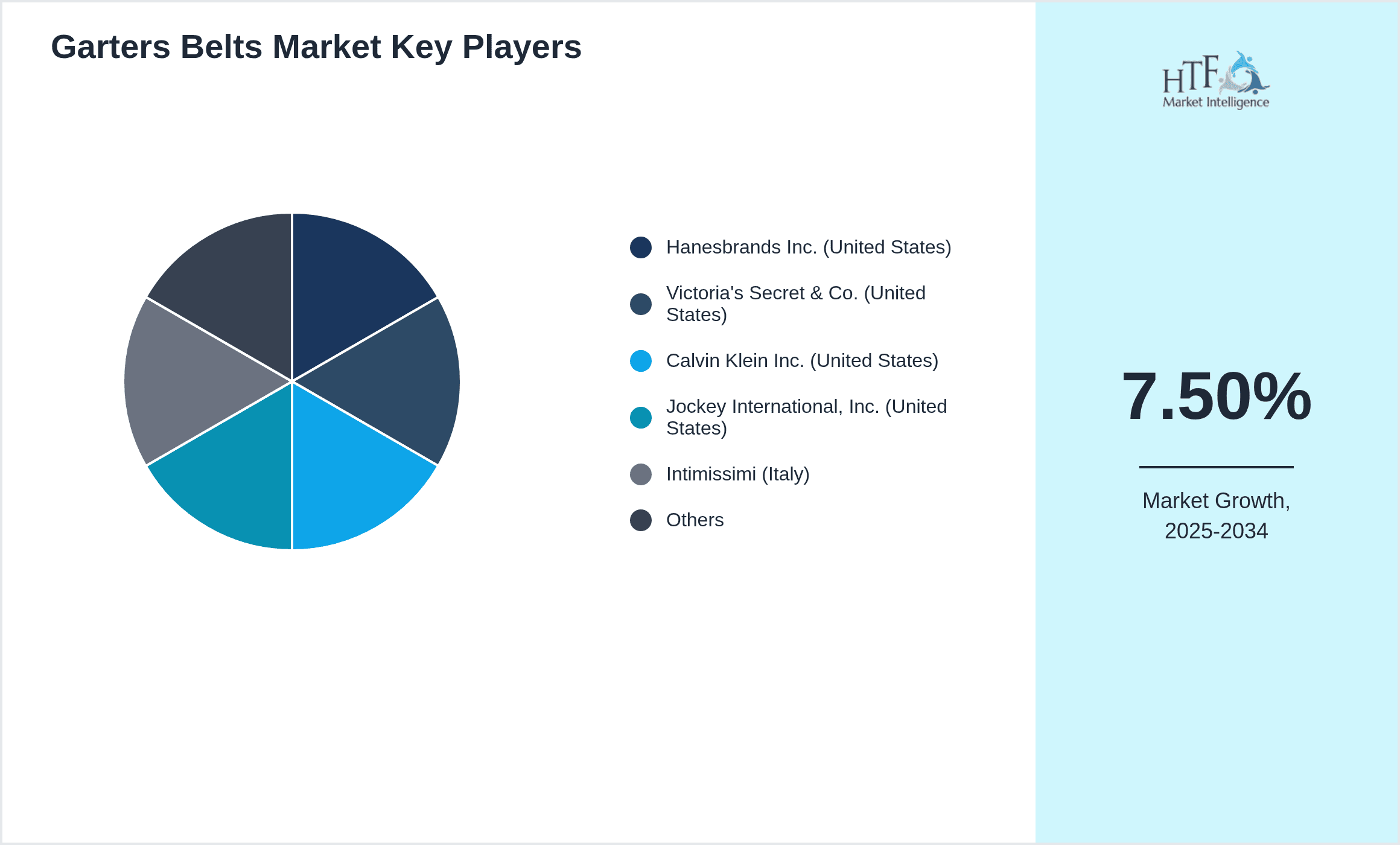
- •Hanesbrands Inc. (United States)
- •Victoria's Secret & Co. (United States)
- •Calvin Klein Inc. (United States)
- •Jockey International, Inc. (United States)
- •Intimissimi (Italy)
- •Frederick's of Hollywood (United States)
- •Spanx, Inc. (United States)
- •Agent Provocateur (United Kingdom)
- •La Perla (Italy)
- •Savage X Fenty (United States)
- •Lively (United States)
- •ThirdLove (United States)
- •Bluebella (United Kingdom)
- •Btempt'd by Wacoal (United States)
- •Cosabella (Italy)
- •Aubade (France)
- •Felina Lingerie (United States)
- •Natori Company (United States)
- •Triumph International (Switzerland)
- •Hunkemöller (Netherlands)
- •Gilly Hicks (United States)
- •Wacoal America (United States)
- •Cosmopolitan Lingerie (Canada)
- •Luna Garters (United States)
- •Bare Necessities (United States)
Market Breakdown
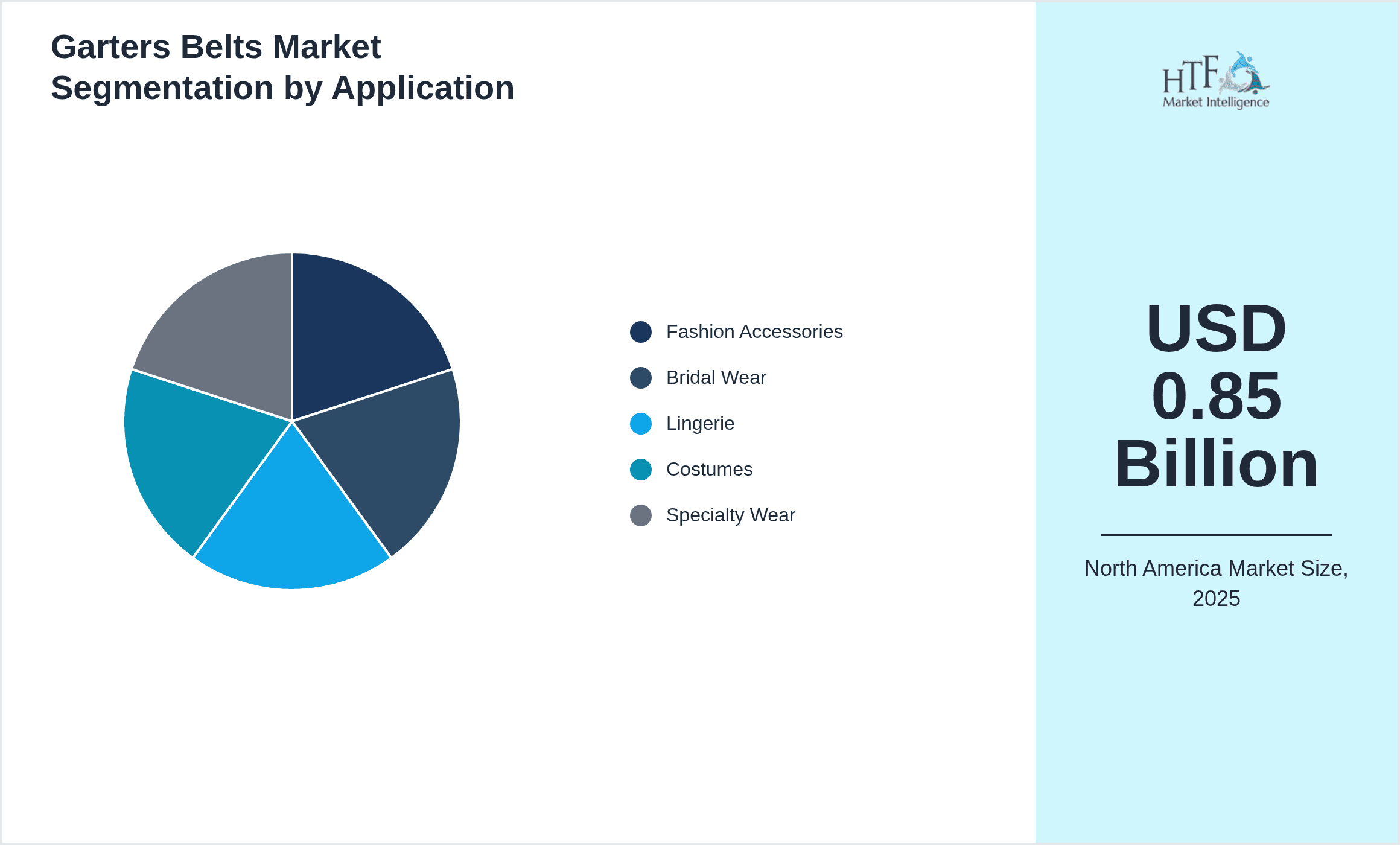
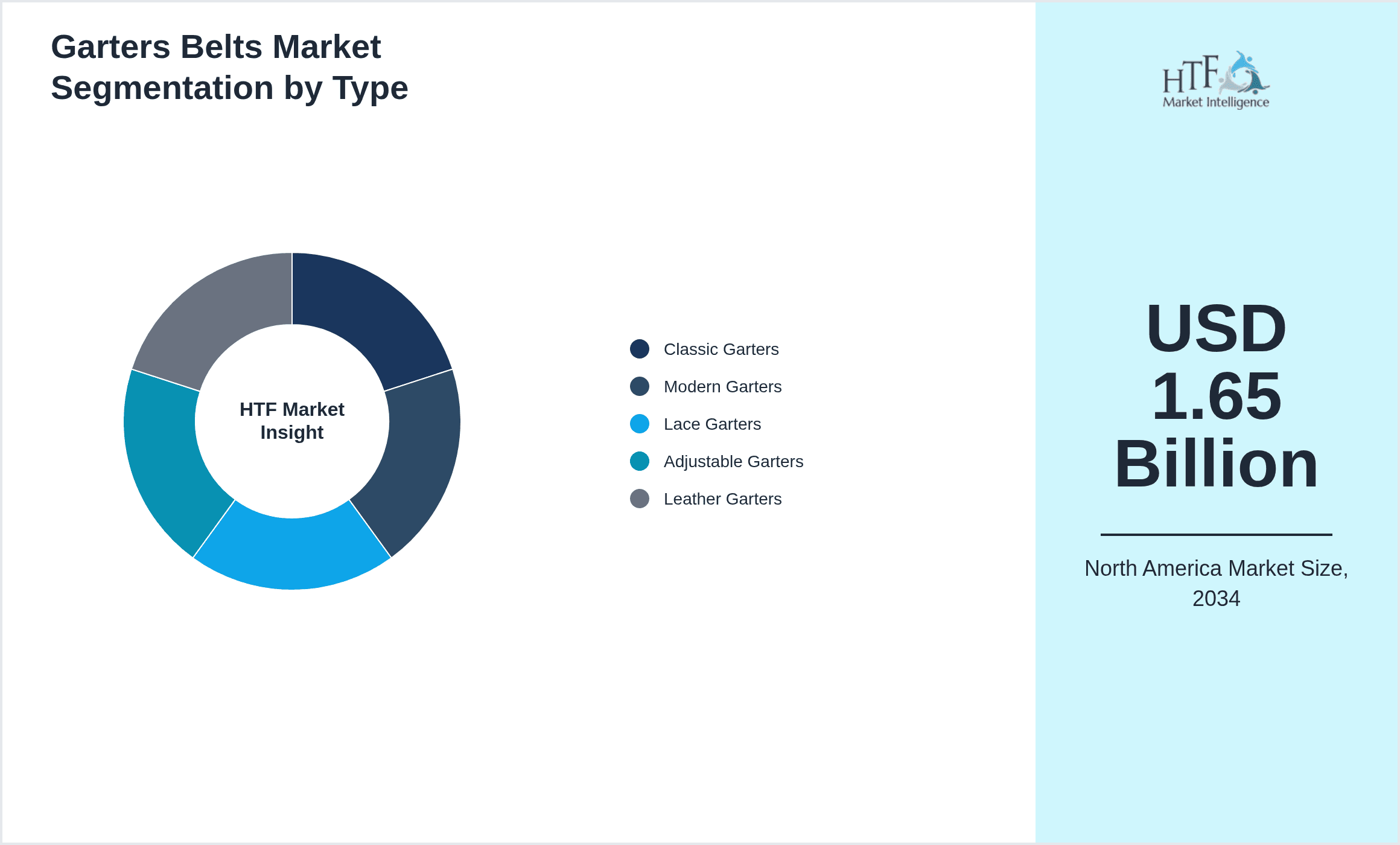
- •By Type
- ◦Classic Garters
- ◦Modern Garters
- ◦Lace Garters
- ◦Adjustable Garters
- ◦Leather Garters
- •By Application
- ◦Fashion Accessories
- ◦Bridal Wear
- ◦Lingerie
- ◦Costumes
- ◦Specialty Wear
- •By Distribution Channel
- ◦Specialty Retail Stores
- ◦Department Stores
- ◦Online Retailers
- ◦Boutiques
- •By Material Composition
- ◦Synthetic Fabrics
- ◦Cotton Blends
- ◦Silk
- ◦Leather
Growth Dynamics
- •Rising consumer interest in personalized and adjustable garter belts is driving product innovation and expanding market demand, especially among younger demographics seeking both style and comfort.
- •Expansion of e-commerce platforms has increased accessibility and variety for consumers, allowing smaller brands to enter the market and reach niche segments effectively.
- •Increasing prevalence of bridal and specialty events in North America fuels demand for premium and customized garter belts, enhancing growth opportunities for high-end product lines.
- •Technological advancements in fabric and elastic materials improve product durability and comfort, attracting consumers to modern garter belt designs over traditional models.
- •Collaborations between lingerie brands and fashion influencers boost brand visibility and consumer engagement, positively impacting market penetration and sales.
- •Growing awareness of body positivity and inclusivity encourages the development of diverse sizing and adjustable features, thus expanding the target consumer base.
Market Trends
- •Sustainability is becoming a key trend, with brands adopting eco-friendly materials and ethical manufacturing processes to appeal to environmentally conscious consumers.
- •There is an increasing shift towards online customization tools, allowing customers to personalize garter belt designs, colors, and fits, enhancing purchase satisfaction.
- •The integration of smart textiles and wearable technology in lingerie accessories is emerging, aiming to combine fashion with functionality and health monitoring.
- •Retro and vintage-inspired garter belt styles are witnessing resurgence due to nostalgic fashion cycles influencing contemporary apparel choices.
- •Collaborative capsule collections between luxury fashion houses and lingerie brands are gaining traction, driving exclusivity and premium pricing strategies.
- •Increased social media influence shapes consumer preferences rapidly, impacting product launches and marketing campaigns within the garter belts segment.
Market Opportunities
- •Expansion into untapped markets such as plus-size and gender-neutral lingerie categories presents significant growth potential for garter belt manufacturers.
- •Leveraging augmented reality and virtual fitting technologies can enhance online shopping experiences, reducing return rates and boosting consumer confidence.
- •Collaborations with bridal boutiques and event planners offer direct access to high-value segments, increasing brand visibility and sales conversion rates.
- •Development of sustainable product lines using recycled and organic materials can capture growing eco-conscious consumer segments and differentiate brands competitively.
- •Expanding direct-to-consumer sales channels through branded online platforms can improve margins and foster closer consumer relationships.
- •Innovations in adjustable and multifunctional garter belts can cater to lifestyle needs, such as comfort during extended wear and compatibility with diverse outfits.
Market Challenges
- •High competition from alternative intimate apparel products such as shapewear and hosiery limits the market share growth of traditional garter belts.
- •Fluctuating raw material costs, especially for high-quality lace and leather, impact pricing stability and profitability for manufacturers.
- •Limited consumer awareness and cultural stigmas around garter belts in certain demographics pose barriers to market expansion.
- •Complex regulatory compliance related to textile safety and labeling requirements across different North American countries increases operational challenges.
- •Supply chain disruptions, including delays in sourcing specialized materials, affect timely product availability and inventory management.
- •Intellectual property infringement and the prevalence of counterfeit products erode brand value and consumer trust.
Regulatory Framework
- •The Consumer Product Safety Improvement Act (CPSIA), implemented between 2010 and 2025, mandates strict testing and compliance for textile products, including flammability standards and chemical content limits, ensuring consumer safety in North America.
- •The Federal Trade Commission (FTC) enforces labeling regulations requiring clear disclosure of fiber content, care instructions, and country of origin on all garments, impacting garter belt manufacturing and distribution since 2020.
- •California's Proposition 65 requires businesses to provide warnings about significant exposures to chemicals that cause cancer or reproductive harm, influencing material choices and supplier selection in the region.
- •The North American Free Trade Agreement (NAFTA) transition to the United States-Mexico-Canada Agreement (USMCA) in 2020 introduced updated tariff and trade regulations, affecting import-export dynamics for textile products including garter belts across the three countries.
- •State-level regulations on sustainable textile manufacturing and waste management have gained prominence, encouraging manufacturers to adopt eco-friendly processes and materials.
Market Intelligence
- •15th January 2025, Victoria's Secret & Co. launched a new line of adjustable garter belts featuring sustainable fabrics sourced from recycled materials, targeting environmentally conscious consumers in North America. This initiative aims to reduce the brand's carbon footprint while offering enhanced comfort and style. The collection is supported by a digital marketing campaign focused on younger demographics and includes collaborations with fashion influencers to drive awareness and adoption. This move is expected to strengthen Victoria's Secret’s position in the premium segment of the garter belts market by aligning product innovation with sustainability trends. Source: Victoria's Secret Official Press Release
- •10th March 2025, Hanesbrands Inc. introduced a technologically advanced garter belt product line incorporating moisture-wicking and antibacterial fabrics designed for all-day comfort. Targeted at the active lifestyle segment, these products incorporate ergonomic design features and adjustable components to cater to diverse body types. The launch includes partnerships with major online retailers to maximize accessibility and market reach. Hanesbrands reported positive early feedback and projected significant revenue growth from this innovation over the next fiscal years. Source: Hanesbrands Investor Relations
- •20th July 2025, Savage X Fenty announced a strategic partnership with augmented reality platform ARFit to enable virtual fitting experiences for garter belt products across North America. This collaboration integrates cutting-edge AR technology into the brand’s e-commerce platform, allowing consumers to visualize fit and style before purchase, reducing return rates. The initiative reflects a growing trend toward digital engagement and personalized shopping experiences in the lingerie market, positioning Savage X Fenty as a leader in retail innovation. Source: Savage X Fenty Press Release
- •5th November 2024, Spanx, Inc. unveiled a limited-edition garter belt collection combining classic aesthetics with modern stretch fabrics, aimed at expanding their product portfolio into the lingerie accessories market. The collection features inclusive sizing options and adjustable features to accommodate diverse consumer needs. Spanx emphasized sustainability by utilizing eco-friendly packaging and supporting charitable organizations focused on women's empowerment. This launch is part of the company’s broader strategy to diversify offerings and capitalize on emerging market segments within North America. Source: Spanx Corporate Announcement
- •Recent market developments and strategic initiatives are continuously tracked through industry publications, company announcements, and regulatory filings. For the most current information, stakeholders are advised to monitor official corporate communications and recognized market intelligence platforms.
Regional Outlook
The United States currently holds a significant share of the market, primarily due to several key factors: increasing consumption rates, a burgeoning population, and robust economic momentum. These elements collectively drive demand, positioning this region as a leader in the market. On the other hand, Canada is rapidly emerging as the fastest-growing area within the industry. This remarkable growth can be attributed to swift infrastructure development, the expansion of various industrial sectors, and a marked increase in consumer demand. These dynamics make this region a crucial player in shaping future market growth.
In our report, we cover a comprehensive analysis of the following regions and countries:
- United States
- Canada
- Mexico
| Feature | Details |
|---|---|
| Base Year Market Size | USD 0.85 Billion |
| Forecast Year Market Size | USD 1.65 Billion |
| CAGR | 7.5% |
| Forecast Period | 2026 to 2033 |
| YoY Growth | 7.3% |
| Scope of Report | Market is segmented by Type (Classic Garters, Modern Garters, Lace Garters, Adjustable Garters, Leather Garters), Application (Fashion Accessories, Bridal Wear, Lingerie, Costumes, Specialty Wear), Distribution Channel (Specialty Retail Stores, Department Stores, Online Retailers, Boutiques), Material Composition (Synthetic Fabrics, Cotton Blends, Silk, Leather) |
| Regions Covered | United States, Canada, Mexico |
| Key Companies | Hanesbrands Inc. (United States), Victoria's Secret & Co. (United States), Calvin Klein Inc. (United States), Jockey International, Inc. (United States), Intimissimi (Italy), Frederick's of Hollywood (United States), Spanx, Inc. (United States), Agent Provocateur (United Kingdom), La Perla (Italy), Savage X Fenty (United States), Lively (United States), ThirdLove (United States), Bluebella (United Kingdom), Btempt'd by Wacoal (United States), Cosabella (Italy), Aubade (France), Felina Lingerie (United States), Natori Company (United States), Triumph International (Switzerland), Hunkemöller (Netherlands), Gilly Hicks (United States), Wacoal America (United States), Cosmopolitan Lingerie (Canada), Luna Garters (United States), Bare Necessities (United States) |
North America Garters Belts Market Size, Growth & Revenue 2025-2034 - Table of Contents
Frequently Asked Questions (FAQ):
The Compact Track Loaders market is projected to grow at a CAGR of 6.8% from 2025 to 2030, driven by increasing demand in construction and agricultural sectors.
North America currently leads the market with approximately 45% market share, followed by Europe at 28% and Asia-Pacific at 22%. The remaining regions account for 5% of the global market.
Key growth drivers include increasing construction activities, rising demand for versatile equipment in agriculture, technological advancements in track loader design, and growing preference for compact equipment in urban construction projects.