
EMEA Paleo Food Product Market Size, Growth & Revenue 2024-2034
EMEA Paleo Food Product Market is segmented by Product Type (Organic Paleo Foods, Non-Organic Paleo Foods, Paleo Snacks, Paleo Beverages, Paleo Supplements), Application (Snacks & Bars, Beverages, Meal Replacements, Supplements, Ready-to-Eat Meals), Distribution Channel (Supermarkets & Hypermarkets, Specialty Health Stores, Online Retail, Direct to Consumer), End User Category (Individual Consumers, Fitness Enthusiasts, Healthcare & Wellness Centers, Dietary Clinics), and Geography (Germany, France, Italy, United Kingdom, Nordics, Rest of Europe, South Africa, Egypt, Turkey, United Arab Emirates, Israel, Saudi Arabia, Rest of EMEA)
Pricing
Report Overview
Executive Summary
- •The EMEA Paleo Food Product Market is defined by the manufacture and distribution of food items adhering to paleo diet principles, focusing on natural, minimally processed ingredients aligned with ancestral dietary habits. This market serves health-conscious consumers across Europe, the Middle East, and Africa, offering a variety of organic and non-organic paleo foods including snacks, beverages, supplements, and ready-to-eat meals. It is characterized by innovative product formulations designed to meet gluten-free, grain-free, and dairy-free requirements, leveraging advanced technologies to maintain nutritional value and palatability. The market scope extends to multiple applications such as individual consumption, fitness nutrition, and therapeutic diets, supported by a growing demand for clean-label and functional foods. Regulatory frameworks within EMEA influence product development and market penetration strategies. The paleo food segment intersects with broader health and wellness trends, reflecting increasing consumer awareness around diet-driven lifestyle improvements and preventive health management. Market growth is propelled by rising disposable incomes, urbanization, and shifting consumer preferences towards sustainable and ethical food choices.
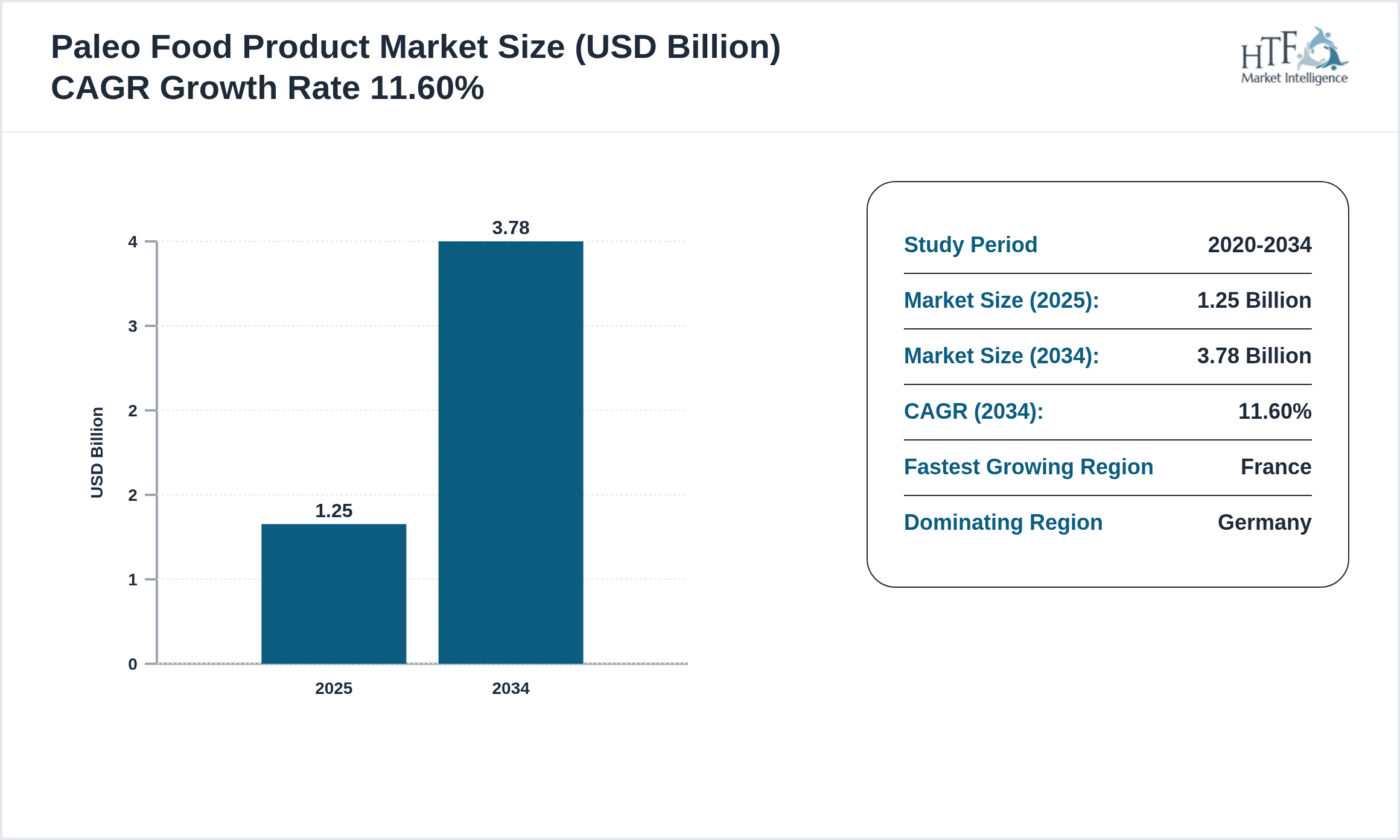
- •Key market highlights include a base market size of USD 1.25 Billion in 2024, with forecasts projecting growth to USD 3.78 Billion by 2034 at a CAGR of 11.6%. Germany dominates the market with a 28% share, followed by France, which is the fastest-growing country at a CAGR of 14.2%. Organic Paleo Foods lead the product type segment, while Paleo Beverages exhibit the highest growth rate. Application-wise, Snacks & Bars hold the largest share, with Meal Replacements showing rapid expansion. The market benefits from increasing health awareness, the rise of fitness culture, and the proliferation of paleo diet adoption across EMEA countries.
- •The EMEA Paleo Food Product Market presents significant strategic value to manufacturers, retailers, and healthcare professionals by aligning with evolving nutritional trends and consumer demand for functional, natural foods. Key stakeholders leverage product innovation, sustainable sourcing, and targeted marketing to capture diverse consumer segments. The market's expansion is supported by regulatory frameworks promoting food safety and labeling transparency, facilitating consumer trust and market penetration. Additionally, the paleo food sector contributes to broader health initiatives aimed at reducing lifestyle-related diseases, positioning itself as a critical segment within the health and wellness ecosystem.
Competitive Landscape
The competitive environment of the EMEA Paleo Food Product Market is dynamic and characterized by intense rivalry among established multinational corporations and agile regional players. Companies strive to differentiate through product innovation, quality assurance, and sustainable sourcing practices to meet the stringent paleo diet requirements. Market leaders emphasize research and development to introduce novel paleo-compliant products, including organic variants and innovative beverage formats. Strategic partnerships and collaborations with health and wellness brands enhance market positioning, while mergers and acquisitions facilitate portfolio diversification and geographic expansion. Pricing strategies are calibrated to balance premium product positioning with consumer affordability. Distribution channels encompass traditional retail, specialized health food stores, and e-commerce platforms, enabling broad market reach. Regulatory compliance and certification also serve as competitive differentiators, fostering consumer confidence. Future competition is expected to focus on digital engagement, personalized nutrition, and expanding paleo product applications, intensifying market contestation.
Leading Companies in Paleo Food Product Market
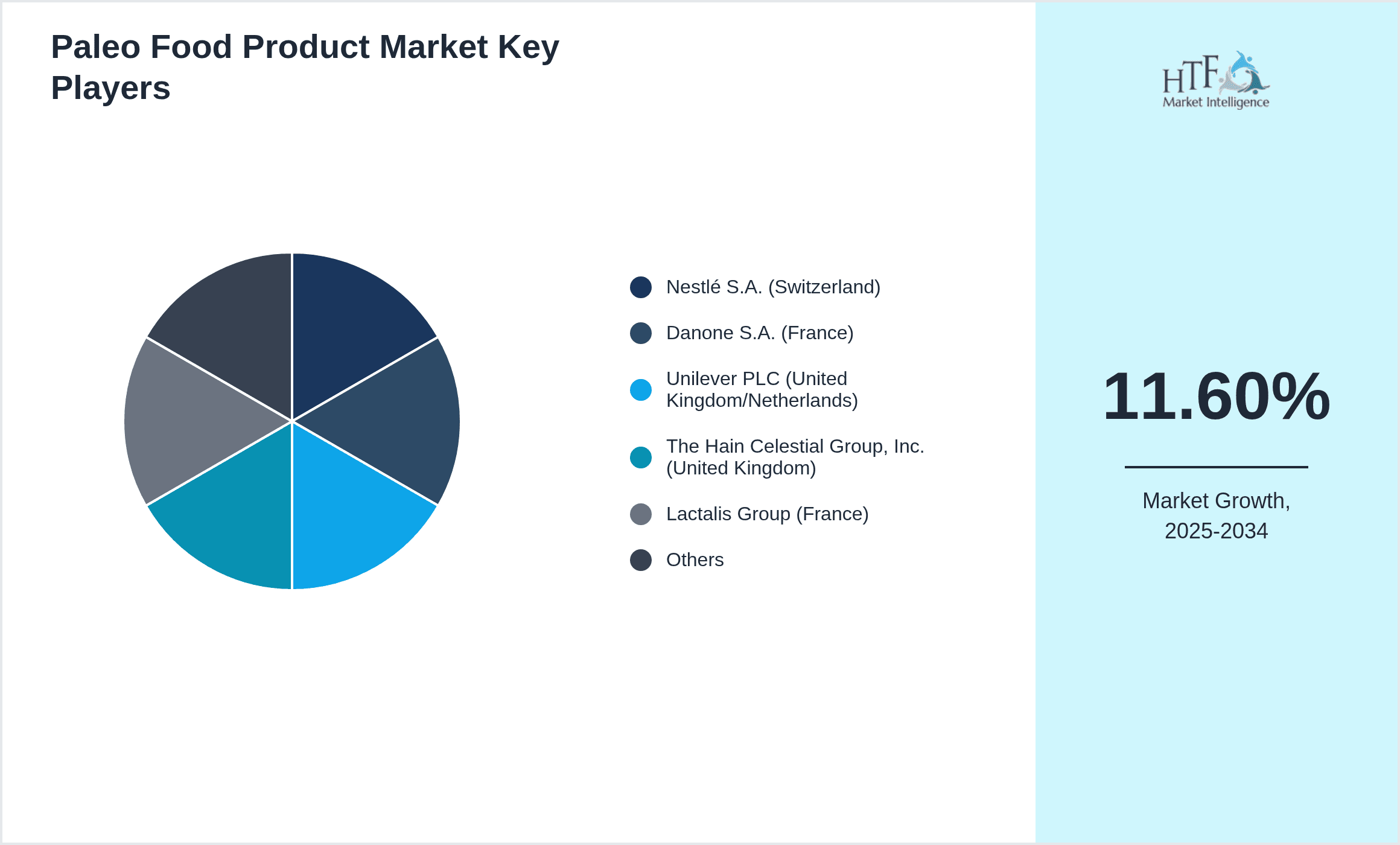
- •Nestlé S.A. (Switzerland)
- •Danone S.A. (France)
- •Unilever PLC (United Kingdom/Netherlands)
- •The Hain Celestial Group, Inc. (United Kingdom)
- •Lactalis Group (France)
- •Associated British Foods plc (United Kingdom)
- •Barry Callebaut AG (Switzerland)
- •Arla Foods amba (Denmark)
- •Hero Group (Switzerland)
- •Orkla ASA (Norway)
- •Valsoia S.p.A. (Italy)
- •FrieslandCampina (Netherlands)
- •Symington's Ltd (United Kingdom)
- •Innocent Drinks (United Kingdom)
- •BioTech Foods (Spain)
- •Greenleaf Foods (United Kingdom)
- •Alpro (Belgium)
- •Myprotein (United Kingdom)
- •Müller Group (Germany)
- •Froneri International (United Kingdom)
- •Plamil Foods (United Kingdom)
- •Biona Organic (United Kingdom)
- •Whole Earth Foods Ltd (United Kingdom)
- •Eat Natural (United Kingdom)
- •Clearspring Ltd (United Kingdom)
Market Breakdown
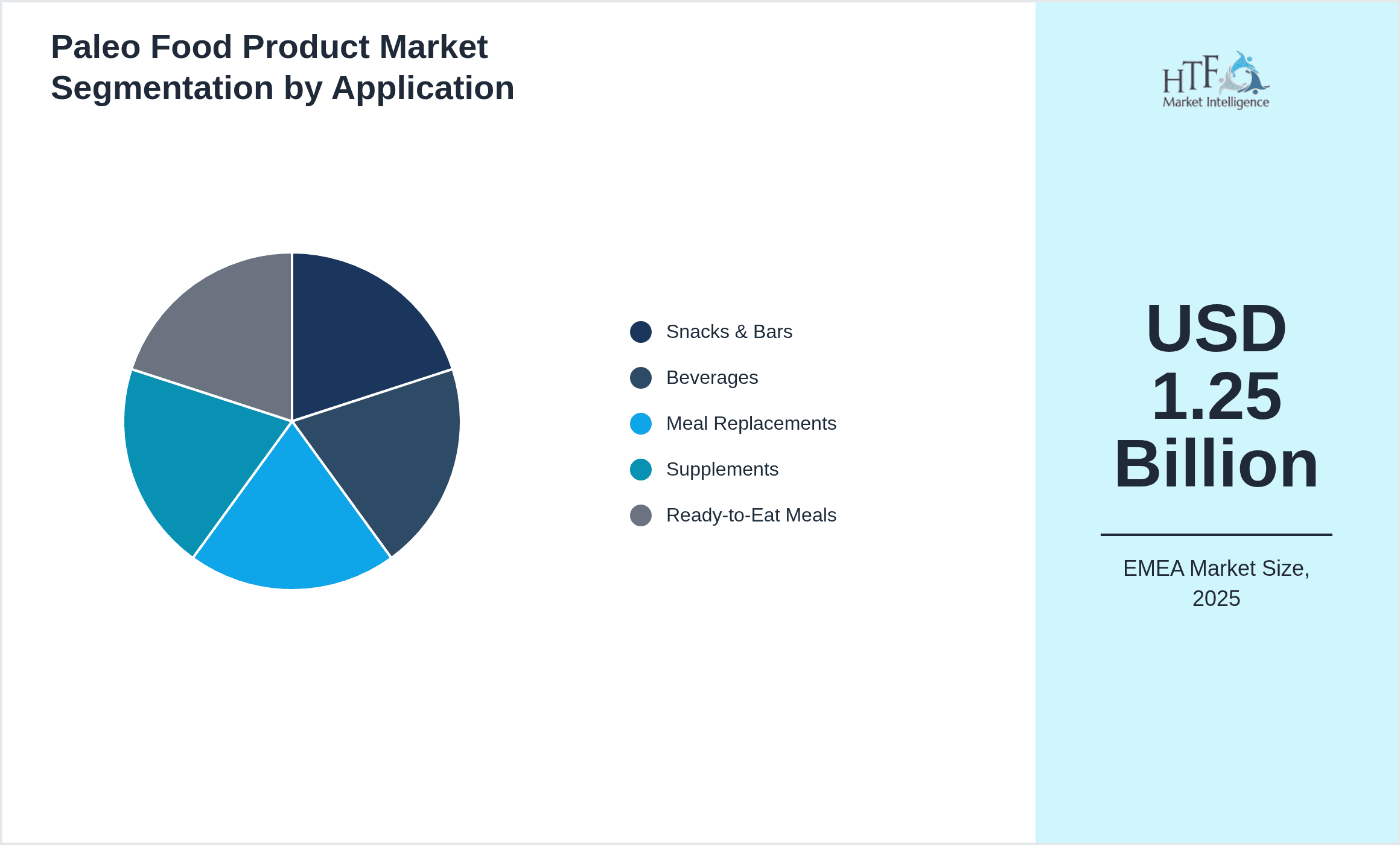
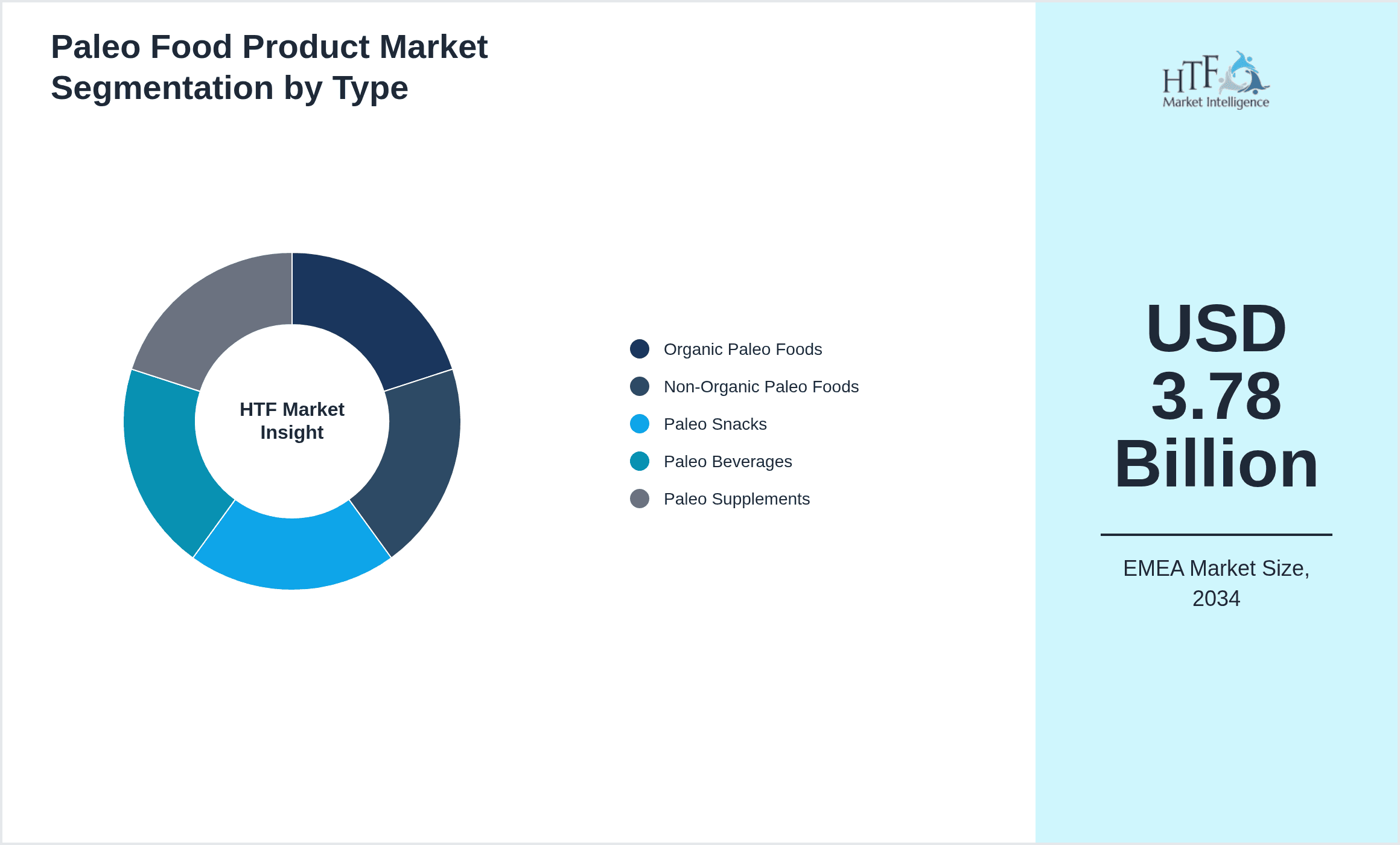
- •By Product Type
- ◦Organic Paleo Foods
- ◦Non-Organic Paleo Foods
- ◦Paleo Snacks
- ◦Paleo Beverages
- ◦Paleo Supplements
- •By Application
- ◦Snacks & Bars
- ◦Beverages
- ◦Meal Replacements
- ◦Supplements
- ◦Ready-to-Eat Meals
- •By Distribution Channel
- ◦Supermarkets & Hypermarkets
- ◦Specialty Health Stores
- ◦Online Retail
- ◦Direct to Consumer
- •By End User Category
- ◦Individual Consumers
- ◦Fitness Enthusiasts
- ◦Healthcare & Wellness Centers
- ◦Dietary Clinics
Growth Dynamics
- •Rising consumer health consciousness across EMEA countries is driving increased demand for paleo food products, as individuals seek diets that promote gut health, weight management, and reduced inflammation. This shift is fueling growth in organic and natural food segments.
- •Technological advancements in food processing and preservation enable manufacturers to develop diverse paleo-compliant products with extended shelf life and enhanced taste profiles, supporting market expansion and consumer acceptance.
- •The proliferation of fitness culture and personalized nutrition in Europe and the Middle East is encouraging the adoption of paleo meal replacements and supplements, boosting sales in specialized market segments.
- •Government initiatives promoting sustainable agriculture and clean-label foods in EMEA countries are incentivizing manufacturers to source organic ingredients and comply with stringent quality standards, fostering market credibility.
- •E-commerce growth has broadened market reach, allowing niche paleo food brands to access wider consumer bases across EMEA, thereby accelerating revenue generation and market penetration.
Market Trends
- •An increasing trend toward plant-based paleo products is emerging, reflecting consumer interest in combining paleo diet benefits with sustainable and ethical food choices, particularly in Western Europe.
- •The integration of functional ingredients such as collagen, probiotics, and adaptogens into paleo foods is gaining traction, enhancing health benefits and differentiating product offerings.
- •Retailers are expanding paleo product assortments within premium health food sections, supported by in-store sampling and educational campaigns to raise consumer awareness.
- •Digital platforms and social media influencers are significantly shaping paleo diet adoption patterns, driving product visibility and consumer engagement across EMEA markets.
- •Sustainability practices including eco-friendly packaging and ethical sourcing are becoming key selling points, influencing purchasing decisions among environmentally conscious consumers.
Market Opportunities
- •Expansion into emerging EMEA markets such as Eastern Europe and the Gulf Cooperation Council offers growth potential due to rising disposable incomes and increasing health awareness.
- •Developing innovative paleo product lines tailored for specific dietary needs, including paleo-keto hybrids and allergen-free variants, can capture niche consumer segments.
- •Leveraging direct-to-consumer sales channels and subscription models presents an opportunity for personalized nutrition delivery and enhanced customer loyalty.
- •Collaborations with fitness centers and wellness clinics can facilitate trusted product endorsements and expand paleo food adoption within health-focused communities.
- •Investing in sustainable ingredient sourcing and transparent supply chains can strengthen brand equity and appeal to environmentally aware consumers.
Market Challenges
- •High production costs, particularly for organic paleo ingredients, limit price competitiveness and accessibility for broader consumer demographics across EMEA countries.
- •Regulatory heterogeneity within EMEA complicates compliance efforts, especially regarding labeling and health claims for paleo products, creating market entry barriers for smaller companies.
- •Consumer skepticism and limited understanding of the paleo diet’s benefits can restrict market growth, necessitating extensive educational initiatives and marketing investments.
- •Supply chain disruptions affecting the availability of quality raw materials pose risks to consistent product manufacturing and delivery timelines.
- •Competition from alternative health food segments such as vegan, keto, and gluten-free diets challenges paleo product differentiation and market share expansion.
Regulatory Framework
- •Between 2019 and 2024, the European Union implemented updated food labeling regulations requiring clear allergen declarations and nutritional information, directly impacting paleo food product packaging and marketing strategies across member states.
- •New guidelines introduced by EMEA food safety authorities emphasize organic certification standards and traceability, compelling paleo food manufacturers to enhance supply chain transparency and compliance.
- •Regulatory bodies in the Middle East have tightened import controls and quality checks for processed foods, including paleo products, to ensure consumer safety and adherence to halal and dietary requirements.
- •The European Food Safety Authority (EFSA) has updated permissible health claims related to digestive health and immune support, influencing paleo supplement marketing and product formulations.
- •Government initiatives across EMEA encourage sustainable packaging and waste reduction, prompting paleo food companies to innovate in eco-friendly packaging solutions.
Market Intelligence
- •15th February 2025, Nestlé S.A. launched a new line of organic paleo snack bars designed specifically for the EMEA market, featuring locally sourced ingredients and enhanced nutritional profiles tailored to regional consumer preferences. This product line aims to strengthen Nestlé’s position in the growing paleo segment by leveraging clean-label trends and sustainability commitments. The launch involved extensive consumer testing and partnership with regional suppliers, supporting market penetration across key European countries. Strategic marketing campaigns focus on digital channels and influencer collaborations to maximize reach. Source: Nestlé Official Press Release
- •3rd June 2024, Danone S.A. introduced an innovative paleo beverage range enriched with collagen and probiotics, targeting health-conscious consumers in France and Germany. The product launch aligns with Danone’s commitment to functional foods and personalized nutrition, tapping into increasing demand for gut health and anti-aging benefits. This initiative reflects strategic diversification within Danone’s portfolio, aiming to capture new market segments and reinforce its leadership in the EMEA health food space. The beverages are distributed through both retail and e-commerce platforms, supported by educational campaigns. Source: Danone Corporate Announcement
- •12th September 2024, Unilever PLC announced a strategic partnership with a leading paleo supplement manufacturer to co-develop a range of paleo-compliant nutritional supplements for the European market. This collaboration seeks to combine Unilever’s extensive distribution network with specialized product expertise, accelerating market expansion and innovation. The partnership includes joint R&D initiatives focusing on natural ingredients and sustainable sourcing. This move is positioned to enhance Unilever’s presence in the rapidly growing paleo segment within EMEA. Source: Unilever Press Statement
- •28th November 2024, The Hain Celestial Group, Inc. expanded its paleo food portfolio in the United Kingdom by acquiring a regional organic paleo snack producer. This acquisition enhances Hain Celestial’s product range and strengthens its footprint in the UK paleo market, supporting growth strategies focused on organic and clean-label segments. The integration aims to leverage synergies in distribution and marketing, with plans to scale production and introduce new product variants. Source: Hain Celestial Corporate News
Regional Outlook
The Germany currently holds a significant share of the market, primarily due to several key factors: increasing consumption rates, a burgeoning population, and robust economic momentum. These elements collectively drive demand, positioning this region as a leader in the market. On the other hand, France is rapidly emerging as the fastest-growing area within the industry. This remarkable growth can be attributed to swift infrastructure development, the expansion of various industrial sectors, and a marked increase in consumer demand. These dynamics make this region a crucial player in shaping future market growth.
In our report, we cover a comprehensive analysis of the following regions and countries:
- Germany
- France
- Italy
- United Kingdom
- Nordics
- Rest of Europe
- South Africa
- Egypt
- Turkey
- United Arab Emirates
- Israel
- Saudi Arabia
- Rest of EMEA
| Feature | Details |
|---|---|
| Base Year Market Size | USD 1.25 Billion |
| Forecast Year Market Size | USD 3.78 Billion |
| CAGR | 11.6% |
| Forecast Period | 2026 to 2033 |
| YoY Growth | 11% |
| Scope of Report | Market is segmented by Product Type (Organic Paleo Foods, Non-Organic Paleo Foods, Paleo Snacks, Paleo Beverages, Paleo Supplements), Application (Snacks & Bars, Beverages, Meal Replacements, Supplements, Ready-to-Eat Meals), Distribution Channel (Supermarkets & Hypermarkets, Specialty Health Stores, Online Retail, Direct to Consumer), End User Category (Individual Consumers, Fitness Enthusiasts, Healthcare & Wellness Centers, Dietary Clinics) |
| Regions Covered | Germany, France, Italy, United Kingdom, Nordics, Rest of Europe, South Africa, Egypt, Turkey, United Arab Emirates, Israel, Saudi Arabia, Rest of EMEA |
| Key Companies | Nestlé S.A. (Switzerland), Danone S.A. (France), Unilever PLC (United Kingdom/Netherlands), The Hain Celestial Group, Inc. (United Kingdom), Lactalis Group (France) |
EMEA Paleo Food Product Market Size, Growth & Revenue 2024-2034 - Table of Contents
Multidisciplinary researcher with 10+ years of experience uncovering insights across diverse domains focused on uncovering insights that drive informed decisions.
Frequently Asked Questions (FAQ):
The Compact Track Loaders market is expected to see value worth 5.3 Billion in 2025.
North America currently leads the market with approximately 45% market share, followed by Europe at 28% and Asia-Pacific at 22%. The remaining regions account for 5% of the global market.
Key growth drivers include increasing construction activities, rising demand for versatile equipment in agriculture, technological advancements in track loader design, and growing preference for compact equipment in urban construction projects.