
Europe High Protein Wet Dog Food Market Size, Growth & Revenue 2025-2034
Europe High Protein Wet Dog Food Market is segmented by Protein Source Type (Chicken-based High Protein Wet Dog Food, Beef-based High Protein Wet Dog Food, Fish-based High Protein Wet Dog Food, Lamb-based High Protein Wet Dog Food, Vegetable-based High Protein Wet Dog Food), Canine Life Stage Application (Puppies, Adult Dogs, Senior Dogs, Breed-specific Diets, Special Needs Diets), Packaging Format (Cans, Pouches, Trays, Jars), Distribution Channel (Pet Specialty Stores, Supermarkets and Hypermarkets, Online Retail, Veterinary Clinics), and Geography (Germany, France, The United Kingdom, BeNeLux, Spain, Italy, NORDIC, CEE, Others)
Pricing
Report Overview
Executive Summary
- •The Europe High Protein Wet Dog Food market is defined by its focus on wet dog food products enriched with high levels of protein sourced from diverse animal proteins including chicken, beef, fish, lamb, and vegetable alternatives. The market covers formulations tailored to different dog life stages such as puppies, adult dogs, senior dogs, and specialized diets addressing breed-specific needs or health conditions. It includes the full value chain from ingredient procurement and manufacturing to packaging and distribution, targeting pet owners, veterinary professionals, and retail channels across Europe. Driven by increased pet humanization, growing awareness of canine nutritional needs, and premiumization trends, the market is witnessing robust growth. The product offering emphasizes palatability, natural ingredients, and health benefits such as muscle maintenance and immune system support. European regulations on pet food safety and labeling further shape product development and market dynamics. The market is characterized by innovation in processing technologies that ensure nutrient preservation and product freshness, as well as the rise of e-commerce as a key distribution channel. Overall, the market represents a significant segment within the broader pet food industry, catering to evolving consumer preferences and stringent quality standards across Germany, France, the UK, Italy, Spain, and other European countries.
- •Key market highlights indicate a base year market size of USD 1.8 Billion in 2025, with a forecast to reach USD 3.9 Billion by 2034, representing a CAGR of 8.9%. Germany leads as the dominating country with a 27% market share and a CAGR of 7.8%, while Spain is identified as the fastest-growing market with a CAGR of 12.1% and a 14% market share. The chicken-based high protein wet dog food segment holds the largest share, whereas the fish-based segment is growing the fastest, driven by consumer demand for novel proteins and hypoallergenic options. Year-on-year growth averages around 8.6%, reflecting steady demand fueled by increased pet ownership and premiumization trends.
- •This market offers strategic value to pet food manufacturers, ingredient suppliers, veterinary nutritionists, and retailers by addressing growing consumer emphasis on pet health and wellness. The high protein wet dog food segment benefits from trends such as natural ingredient sourcing, functional nutrition, and sustainability, providing differentiation opportunities. Companies investing in innovative formulations, transparent labeling, and digital marketing stand to gain competitive advantage. Furthermore, robust regulatory frameworks across Europe ensure product safety and consumer trust, supporting long-term market growth and stakeholder confidence.

Competitive Landscape
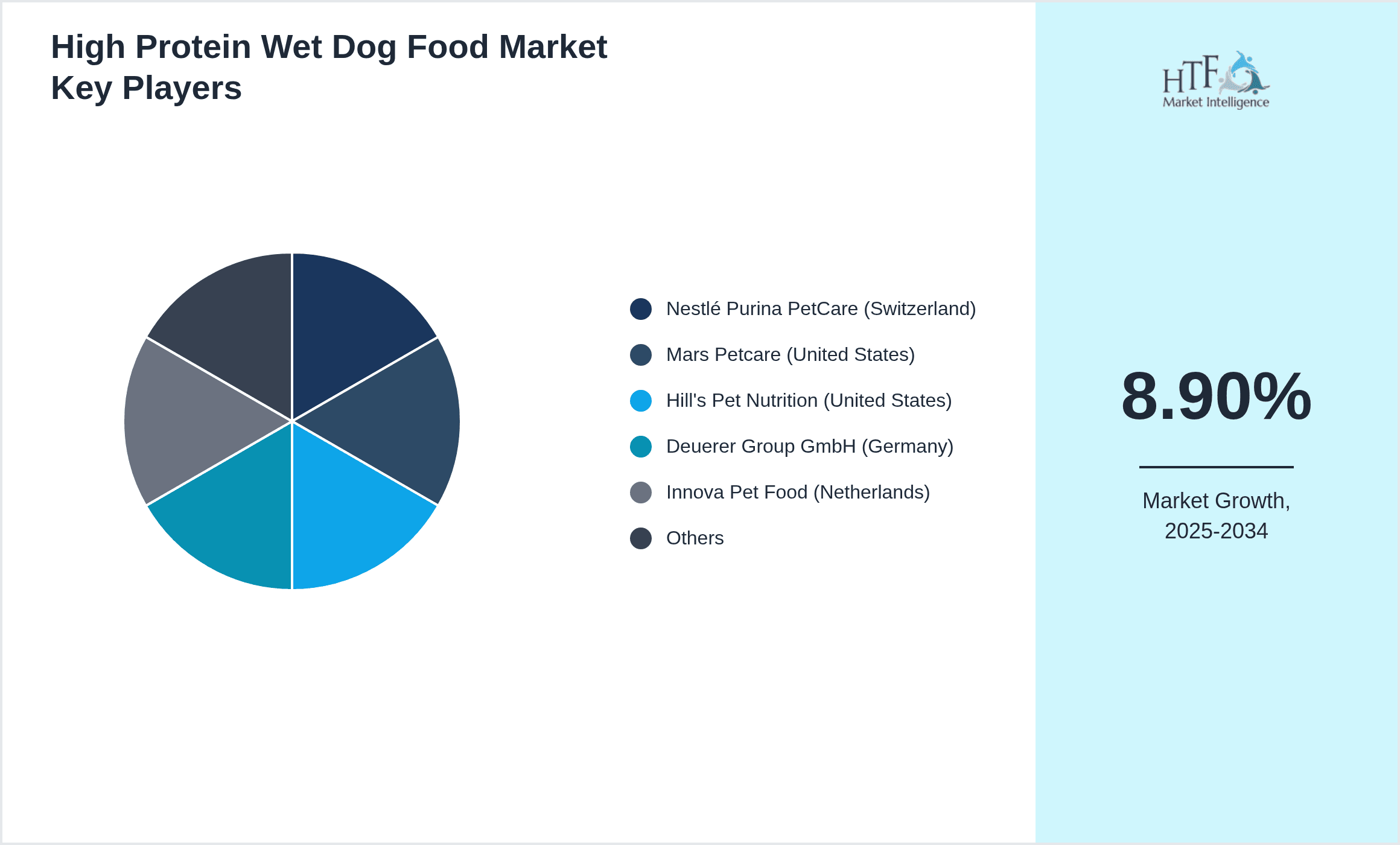
The Europe High Protein Wet Dog Food market is characterized by intense competition among global and regional players, emphasizing innovation, product differentiation, and strategic partnerships. Market participants leverage advanced protein formulations, clean label ingredients, and sustainable sourcing to appeal to health-conscious consumers. Competitive strategies include expanding product portfolios to cover various dog life stages and special dietary needs, enhancing distribution networks both offline and online, and investing in marketing to build brand loyalty. Mergers and acquisitions play a role in consolidating market position and expanding geographic reach. Pricing strategies balance premium positioning with accessibility to capture diverse consumer segments. Technology adoption focuses on improving shelf life, nutrient retention, and eco-friendly packaging solutions. Barriers to entry include stringent regulatory compliance, high R&D costs, and established brand dominance in key European countries. Regional competition varies with Germany and France hosting mature markets demanding innovation, while emerging markets like Spain and Italy offer growth potential. Future competitive trends are expected to focus on personalization, functional nutrition, and digital engagement to capture evolving consumer preferences.
Prominent Players in High Protein Wet Dog Food Market
- •Nestlé Purina PetCare (Switzerland)
- •Mars Petcare (United States)
- •Hill's Pet Nutrition (United States)
- •Deuerer Group GmbH (Germany)
- •Innova Pet Food (Netherlands)
- •Agrolimen Group (Spain)
- •Affinity Petcare (Spain)
- •Fressnapf Holding SE (Germany)
- •Butcher's Pet Care (United Kingdom)
- •Lily's Kitchen (United Kingdom)
- •Farmina Pet Foods (Italy)
- •Vet-Concept GmbH (Germany)
- •Versele-Laga (Belgium)
- •Nestlé Purina PetCare Europe (Switzerland)
- •Almo Nature (Italy)
- •Edgard & Cooper (Belgium)
- •Tama Pet Food (Poland)
- •GranataPet (Germany)
- •Beaphar (Netherlands)
- •VetPlus (United Kingdom)
- •Barking Heads (United Kingdom)
- •Wolfsblut (Germany)
- •VetIQ (United Kingdom)
- •Pets Deli (Germany)
- •Lunderland GmbH (Germany)
Market Breakdown
- •By Protein Source Type
- ◦Chicken-based High Protein Wet Dog Food
- ◦Beef-based High Protein Wet Dog Food
- ◦Fish-based High Protein Wet Dog Food
- ◦Lamb-based High Protein Wet Dog Food
- ◦Vegetable-based High Protein Wet Dog Food
- •By Canine Life Stage Application
- ◦Puppies
- ◦Adult Dogs
- ◦Senior Dogs
- ◦Breed-specific Diets
- ◦Special Needs Diets
- •By Packaging Format
- ◦Cans
- ◦Pouches
- ◦Trays
- ◦Jars
- •By Distribution Channel
- ◦Pet Specialty Stores
- ◦Supermarkets and Hypermarkets
- ◦Online Retail
- ◦Veterinary Clinics
Growth Dynamics
- •Rising consumer awareness about pet health and nutrition is driving demand for high protein wet dog food, as pet owners increasingly seek products that support muscle maintenance and overall well-being. This shift is supported by educational campaigns and veterinary endorsements across Europe.
- •Premiumization trends in the European pet food market encourage manufacturers to innovate with high-quality ingredients, natural formulations, and functional benefits, leading to enhanced market growth and consumer willingness to pay a premium.
- •Expansion of online retail platforms has facilitated easier access to a wide range of high protein wet dog food products, enabling targeted marketing and subscription models that enhance customer retention and market penetration.
- •Stringent European regulations on pet food safety and labeling ensure product transparency and consumer trust, which in turn propels market growth by assuring quality and compliance among manufacturers.
- •Increasing pet adoption rates coupled with rising disposable incomes among European households contribute to higher spending on premium pet nutrition products, bolstering the high protein wet dog food segment.
- •Investment in sustainable sourcing and eco-friendly packaging solutions aligns with consumer preferences, offering competitive advantage and fostering market expansion in Europe’s environmentally conscious market.
- •Collaborations between pet food manufacturers and veterinary professionals promote evidence-based nutrition solutions, enhancing product credibility and driving adoption of high protein wet dog food across diverse pet demographics.
Market Trends
- •Increased focus on natural and organic ingredient sourcing is shaping product development, with many brands launching formulations free from artificial additives to meet consumer demand for clean-label wet dog food options.
- •The use of novel protein sources such as fish and lamb is gaining traction as consumers seek hypoallergenic and alternative options for dogs with dietary sensitivities, expanding the product portfolio within the high protein wet dog food market.
- •Sustainability initiatives, including recyclable packaging and responsible ingredient sourcing, are becoming mainstream, reflecting broader environmental concerns influencing consumer purchasing decisions in Europe.
- •Digital marketing and e-commerce growth are transforming consumer engagement, with brands leveraging social media and online platforms to educate buyers and offer personalized nutrition plans.
- •Veterinary nutrition is increasingly integrated into product positioning, with specialized formulations designed to support health issues such as joint care, weight management, and digestive health gaining popularity.
- •Subscription-based purchasing models offer convenience and cost savings, driving repeat purchases and fostering brand loyalty within the European wet dog food market.
- •Collaborative innovation between pet food companies and ingredient suppliers accelerates product differentiation and introduces functional benefits like probiotics and antioxidants into wet dog food formulations.
Market Opportunities
- •Growing demand for breed-specific and life-stage tailored high protein wet dog food represents an opportunity for product diversification and premium pricing strategies in Europe’s sophisticated pet food market.
- •Emerging markets within Eastern Europe present untapped potential as rising pet ownership and disposable incomes drive demand for premium pet nutrition products.
- •Integration of functional ingredients such as joint-supporting supplements, vitamins, and probiotics in wet dog food formulations offers avenues for innovation and differentiation.
- •Expansion of online and direct-to-consumer sales channels allows manufacturers to reach niche customer segments and implement personalized nutrition programs, increasing market share and customer loyalty.
- •Sustainability-driven product lines with eco-friendly packaging and ethically sourced ingredients can attract environmentally conscious consumers, creating competitive advantage in the European market.
- •Collaborations with veterinary clinics to develop clinical nutrition products for special needs dogs can open new revenue streams and reinforce brand authority.
- •Investment in advanced processing technologies that enhance nutrient retention and product freshness can improve consumer perception and reduce waste, supporting market growth.
Market Challenges
- •High production costs associated with premium protein ingredients and sustainable packaging can limit price competitiveness and margin expansion for manufacturers in Europe.
- •Strict regulatory requirements across European countries necessitate continuous compliance and can delay product launches, increasing time-to-market and operational complexity.
- •Consumer skepticism about ingredient claims and nutritional benefits requires robust transparency and education efforts to build trust and justify premium pricing.
- •Supply chain disruptions affecting raw material availability, especially for novel proteins, can impact product consistency and increase costs.
- •Market saturation in Western Europe with numerous established brands intensifies competition, making differentiation and innovation critical but challenging.
- •Balancing sustainability practices with affordability remains a challenge as consumers expect eco-friendly products without significant price increases.
- •Limited consumer awareness in some Eastern European markets about the benefits of high protein wet dog food constrains market penetration and growth potential.
Regulatory Framework
- •The European Pet Food Regulation (EC) No 767/2009, implemented between 2010 and 2025, mandates strict requirements for pet food labeling, ingredient safety, and nutritional adequacy, ensuring consumer protection and standardization across member states.
- •Directive 2002/32/EC regulates undesirable substances in animal feed, including pet food, enforcing maximum limits to prevent contamination and ensure product safety throughout the supply chain.
- •Regulation (EU) 2017/625 on official controls strengthens enforcement of food and feed law compliance, requiring regular inspections and certification for manufacturers and distributors in the pet food sector.
- •Country-specific mandates like Germany’s LFGB (Food and Feed Code) impose additional safety testing and quality assurance protocols, influencing manufacturing practices and market entry strategies.
- •Government initiatives promoting sustainable production and packaging in pet food encourage adoption of eco-friendly materials and responsible sourcing, supported by incentives and industry guidelines.
Market Intelligence
- •15th February 2025, Nestlé Purina PetCare announced the launch of a new line of high protein wet dog food formulated with sustainably sourced chicken and enriched with added probiotics to support digestive health. Targeting health-conscious European pet owners, this product combines premium nutrition with eco-friendly packaging. The launch was accompanied by a comprehensive digital campaign aimed at increasing consumer awareness about the benefits of high protein diets for canines. This initiative positions Nestlé Purina as a leader in innovation and sustainability within the European pet food market. Source: Nestlé Purina Official Press Release
- •10th May 2025, Mars Petcare introduced an innovative fish-based wet dog food under its premium brand, focusing on hypoallergenic properties and high omega-3 fatty acid content. The product targets dogs with specific dietary sensitivities and aims to capture growing demand for alternative protein sources in Europe. Mars leveraged advanced processing technology to ensure freshness and nutrient retention. This launch is part of Mars’ strategy to expand its portfolio in functional pet nutrition and strengthen its presence in Southern European markets. Source: Mars Petcare Corporate Website
- •22nd August 2025, Hill's Pet Nutrition announced a strategic partnership with a leading veterinary clinic network to co-develop breed-specific high protein wet dog food formulations. This collaboration integrates clinical expertise into product design, enhancing efficacy and consumer trust. The initiative supports Hill’s commitment to evidence-based nutrition and aims to drive adoption through veterinary recommendations across Europe. The partnership is expected to accelerate innovation and expand Hill’s market share in the premium pet food segment. Source: Hill's Pet Nutrition Press Release
- •5th November 2025, Affinity Petcare completed the acquisition of a regional organic pet food manufacturer in Spain, enhancing its portfolio with high protein wet dog food options that emphasize natural ingredients and sustainability. This acquisition strengthens Affinity’s footprint in Southern Europe and aligns with increasing consumer demand for clean-label pet food. The deal is expected to generate synergies in R&D, distribution, and marketing, supporting long-term growth in the European premium pet food market. Source: Affinity Petcare Official Announcement
Regional Outlook
The Germany currently holds a significant share of the market, primarily due to several key factors: increasing consumption rates, a burgeoning population, and robust economic momentum. These elements collectively drive demand, positioning this region as a leader in the market. On the other hand, Spain is rapidly emerging as the fastest-growing area within the industry. This remarkable growth can be attributed to swift infrastructure development, the expansion of various industrial sectors, and a marked increase in consumer demand. These dynamics make this region a crucial player in shaping future market growth.
In our report, we cover a comprehensive analysis of the following regions and countries:
- Germany
- France
- The United Kingdom
- BeNeLux
- Spain
- Italy
- NORDIC
- CEE
- Others
| Feature | Details |
|---|---|
| Base Year Market Size | USD 1.8 Billion |
| Forecast Year Market Size | USD 3.9 Billion |
| CAGR | 8.9% |
| Forecast Period | 2026 to 2033 |
| YoY Growth | 8.6% |
| Scope of Report | Market is segmented by Protein Source Type (Chicken-based High Protein Wet Dog Food, Beef-based High Protein Wet Dog Food, Fish-based High Protein Wet Dog Food, Lamb-based High Protein Wet Dog Food, Vegetable-based High Protein Wet Dog Food), Canine Life Stage Application (Puppies, Adult Dogs, Senior Dogs, Breed-specific Diets, Special Needs Diets), Packaging Format (Cans, Pouches, Trays, Jars), Distribution Channel (Pet Specialty Stores, Supermarkets and Hypermarkets, Online Retail, Veterinary Clinics) |
| Regions Covered | Germany, France, The United Kingdom, BeNeLux, Spain, Italy, NORDIC, CEE, Others |
| Key Companies | Nestlé Purina PetCare (Switzerland), Mars Petcare (United States), Hill's Pet Nutrition (United States), Deuerer Group GmbH (Germany), Innova Pet Food (Netherlands), Agrolimen Group (Spain), Affinity Petcare (Spain), Fressnapf Holding SE (Germany), Butcher's Pet Care (United Kingdom), Lily's Kitchen (United Kingdom), Farmina Pet Foods (Italy), Vet-Concept GmbH (Germany), Versele-Laga (Belgium), Nestlé Purina PetCare Europe (Switzerland), Almo Nature (Italy), Edgard & Cooper (Belgium), Tama Pet Food (Poland), GranataPet (Germany), Beaphar (Netherlands), VetPlus (United Kingdom), Barking Heads (United Kingdom), Wolfsblut (Germany), VetIQ (United Kingdom), Pets Deli (Germany), Lunderland GmbH (Germany) |
Europe High Protein Wet Dog Food Market Size, Growth & Revenue 2025-2034 - Table of Contents
Frequently Asked Questions (FAQ):
The Compact Track Loaders market is projected to grow at a CAGR of 6.8% from 2025 to 2030, driven by increasing demand in construction and agricultural sectors.
North America currently leads the market with approximately 45% market share, followed by Europe at 28% and Asia-Pacific at 22%. The remaining regions account for 5% of the global market.
Key growth drivers include increasing construction activities, rising demand for versatile equipment in agriculture, technological advancements in track loader design, and growing preference for compact equipment in urban construction projects.