
Global Recombinant Rabbit Monoclonal Antibodies Market - Outlook 2024-2034
Global Recombinant Rabbit Monoclonal Antibodies Market is segmented by Type (Full-length Antibodies, Fab Fragments, Single-chain Variable Fragments (scFv), Bispecific Antibodies, Other Recombinant Formats), Application (Diagnostics, Therapeutics, Research, Drug Development, Others), End User (Pharmaceutical & Biotechnology Companies, Diagnostic Laboratories, Research Institutes, Contract Research Organizations (CROs)), Distribution Channel (Direct Sales, Distributors, Online Sales Platforms), and Geography (North America, LATAM, West Europe, Central & Eastern Europe, Northern Europe, Southern Europe, East Asia, Southeast Asia, South Asia, Central Asia, Oceania, MEA)
Pricing
Report Overview
Executive Summary
- •The Global Recombinant Rabbit Monoclonal Antibodies market represents a critical segment within the biopharmaceutical and diagnostic industries, focusing on the production of highly specific antibodies derived from rabbits through recombinant technologies. This market includes various antibody formats such as full-length antibodies, Fab fragments, single-chain variable fragments (scFv), and bispecific antibodies, which serve applications ranging from diagnostics and therapeutics to research and drug development. These antibodies offer enhanced specificity and affinity, enabling improved disease detection and targeted therapies. The market is shaped by advances in genetic engineering, recombinant DNA technology, and growing demand for precision medicine. Key drivers include rising prevalence of chronic diseases, expansion in biomedical research, and increasing regulatory approvals for antibody-based products. The scope covers global production, technological innovations, application diversification, and competitive landscapes, addressing the needs of pharmaceutical companies, research institutions, and diagnostic providers worldwide.
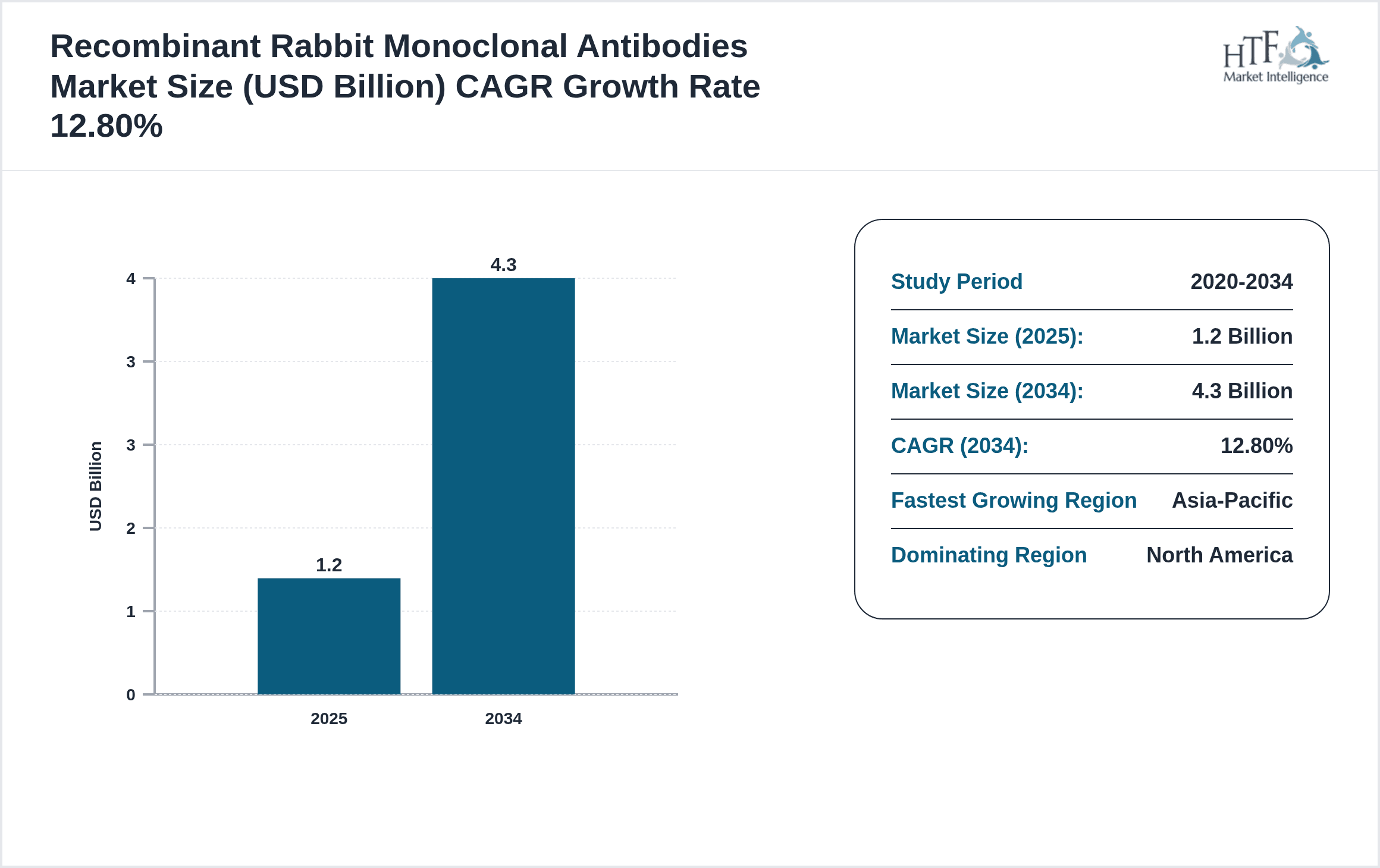
- •Significant market highlights include a robust CAGR of 12.8% projected from 2024 to 2034, with the base market valued at USD 1.2 Billion in 2024 and expected to reach USD 4.3 Billion by 2034. North America holds the dominant regional share at 35%, supported by advanced healthcare infrastructure and R&D investment, while Asia-Pacific is the fastest-growing region with a CAGR of 15.6%, driven by emerging biopharma sectors and expanding healthcare access. Full-length antibodies maintain the largest product segment, whereas bispecific antibodies are identified as the fastest growing type, reflecting increased innovation and therapeutic applications. Diagnostics and therapeutics remain the primary application areas, collectively accounting for the majority of market demand. These factors underscore the market's dynamic growth and increasing relevance across biotechnological and pharmaceutical domains.
- •The recombinant rabbit monoclonal antibodies market offers significant value propositions to stakeholders including pharmaceutical companies, diagnostic laboratories, and research organizations. The superior specificity and affinity of rabbit-derived antibodies enhance diagnostic accuracy and therapeutic efficacy, supporting personalized medicine initiatives. Strategic importance lies in the market’s contribution to novel drug discovery and development pipelines, alongside enabling high-precision diagnostic platforms. Investments in recombinant antibody technologies and expanding applications in oncology, autoimmune diseases, and infectious diseases further reinforce its critical role. Additionally, the market drives innovation in antibody engineering, facilitating next-generation biologics development. These attributes position the market as a vital component in advancing healthcare outcomes and fostering competitive advantages for industry players globally.
Competitive Landscape
The competitive environment of the Global Recombinant Rabbit Monoclonal Antibodies market is characterized by intense rivalry among global biotech firms and specialized antibody providers. Market players focus on innovation-driven strategies, including development of novel antibody formats such as bispecific and fragment antibodies to address unmet clinical needs. Strategic partnerships, collaborations, and acquisitions are frequent to enhance technological capabilities and expand product portfolios. The market sees competitive differentiation through proprietary recombinant technologies, robust R&D pipelines, and regulatory approvals. Pricing strategies vary, balancing premium product positioning with competitive accessibility. Distribution channels range from direct sales to strategic alliances with pharmaceutical companies and research organizations. Barriers to entry include technological complexity, regulatory compliance, and high capital investment, which favor established players but also encourage niche innovation. Regional competition is evident with North America leading due to advanced infrastructure, while Asia-Pacific is emerging as an innovation hub. Future trends indicate increased consolidation and technology licensing to sustain competitive advantage.
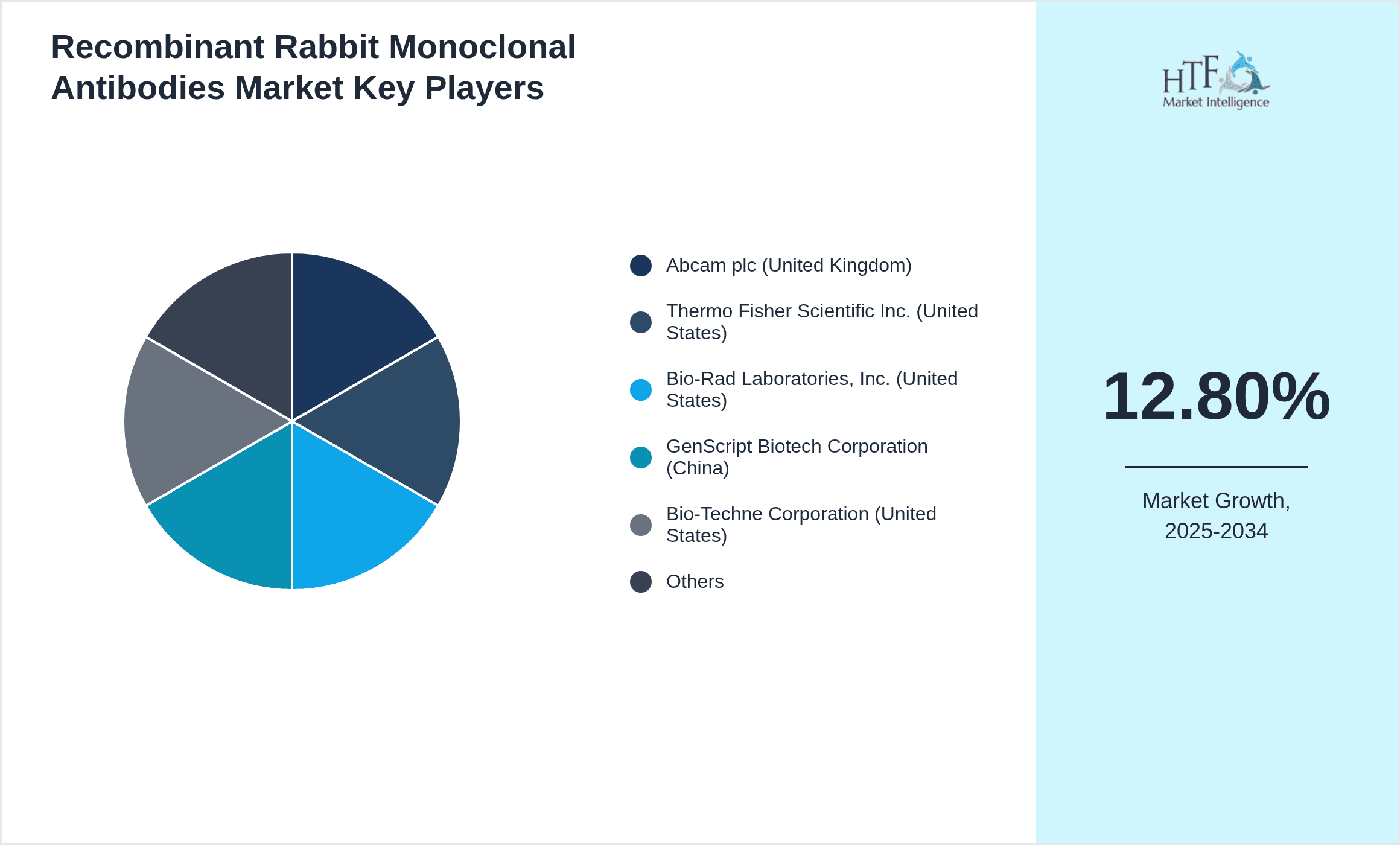
Prominent Players in Recombinant Rabbit Monoclonal Antibodies Market
- •Abcam plc (United Kingdom)
- •Thermo Fisher Scientific Inc. (United States)
- •Bio-Rad Laboratories, Inc. (United States)
- •GenScript Biotech Corporation (China)
- •Bio-Techne Corporation (United States)
- •Merck KGaA (Germany)
- •Agilent Technologies, Inc. (United States)
- •CST (Cell Signaling Technology, Inc.) (United States)
- •Creative Biolabs (United States)
- •Abnova Corporation (Taiwan)
- •Atlas Antibodies AB (Sweden)
- •Synaptic Systems GmbH (Germany)
- •Rockland Immunochemicals, Inc. (United States)
- •ImmunoGenes AG (Germany)
- •NeoBiotech Co., Ltd. (South Korea)
- •Boster Biological Technology Co., Ltd. (China)
- •Genovac GmbH (Germany)
- •Abclonal Technology (China)
- •Arigo Biolaboratories Corporation (United States)
- •Thermo Fisher Scientific (United States)
- •Innovative Biotech Co., Ltd. (China)
- •Immuno-Biological Laboratories Co., Ltd. (Japan)
- •Santa Cruz Biotechnology, Inc. (United States)
- •OriGene Technologies, Inc. (United States)
- •Proteintech Group, Inc. (United States)
Market Breakdown
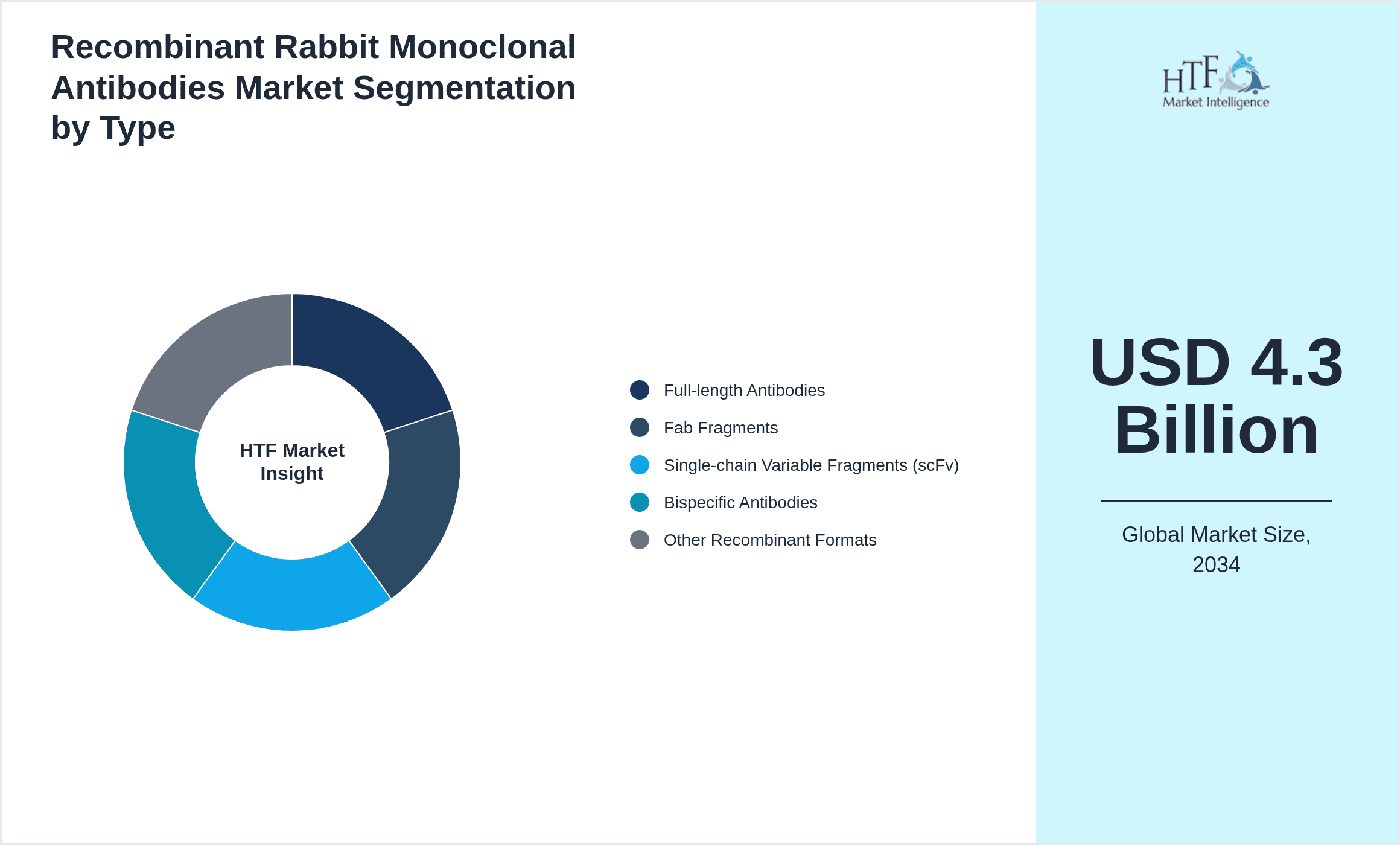
- •By Type
- ◦Full-length Antibodies
- ◦Fab Fragments
- ◦Single-chain Variable Fragments (scFv)
- ◦Bispecific Antibodies
- ◦Other Recombinant Formats
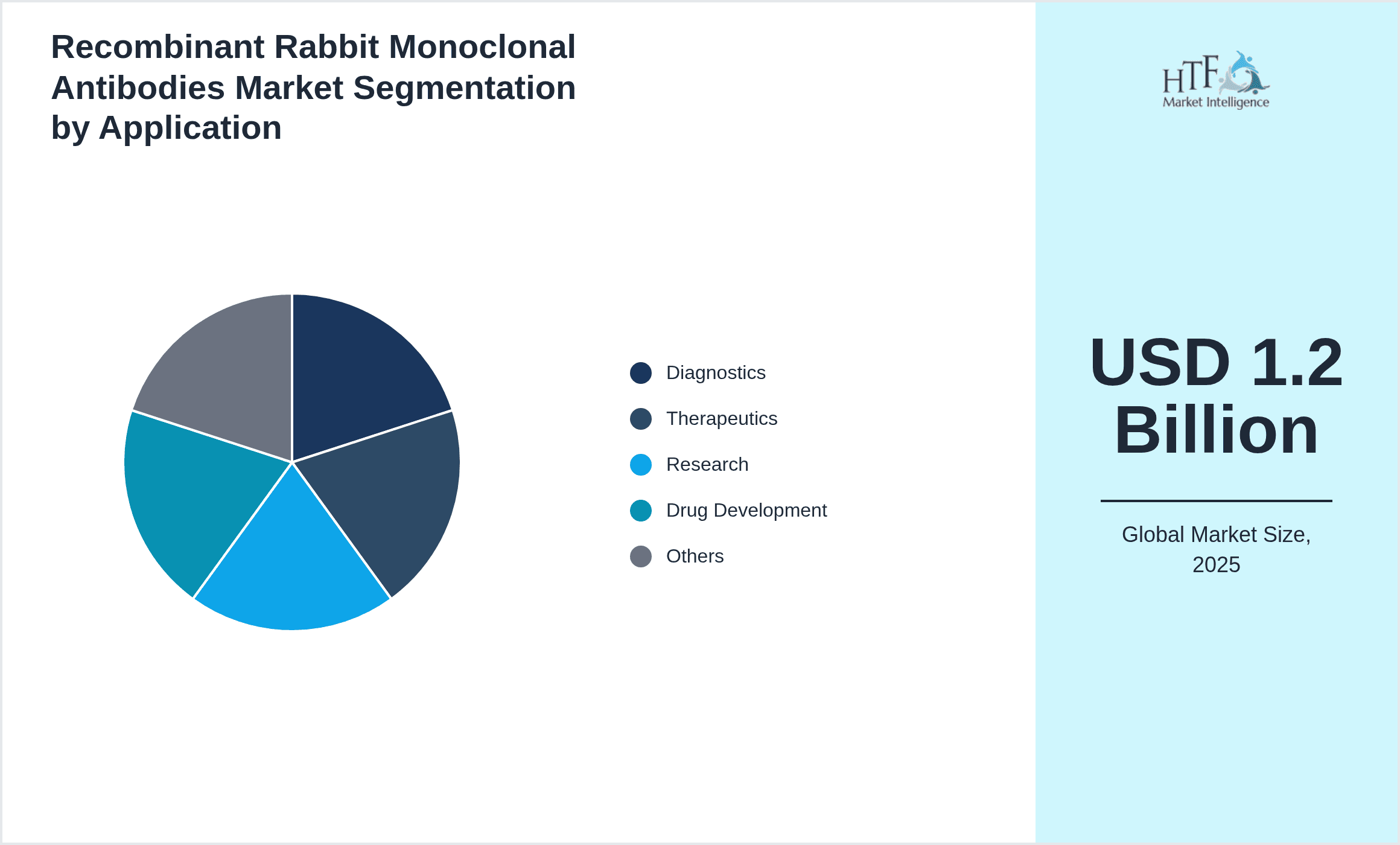
- •By Application
- ◦Diagnostics
- ◦Therapeutics
- ◦Research
- ◦Drug Development
- ◦Others
- •By End User
- ◦Pharmaceutical & Biotechnology Companies
- ◦Diagnostic Laboratories
- ◦Research Institutes
- ◦Contract Research Organizations (CROs)
- •By Distribution Channel
- ◦Direct Sales
- ◦Distributors
- ◦Online Sales Platforms
Growth Dynamics
- •The recombinant rabbit monoclonal antibodies market is propelled by the increasing prevalence of chronic and infectious diseases worldwide, necessitating advanced diagnostic and therapeutic solutions. The superior affinity and specificity of rabbit-derived antibodies enable precise disease targeting, enhancing clinical outcomes. Additionally, technological advancements in recombinant antibody production, such as phage display and hybridoma techniques, have increased yield and reduced costs, facilitating broader adoption. Regulatory approvals for biologics and rising investments in biopharmaceutical R&D further accelerate market expansion. The growing emphasis on personalized medicine and targeted therapies is also a significant catalyst, driving demand for recombinant antibodies in oncology and autoimmune disease management.
- •Strategic collaborations between biotechnology firms and research institutions foster innovation and speed-to-market for novel antibody products. The expansion of contract research organizations specializing in recombinant antibody services supports market growth by providing scalable and cost-effective production solutions. Moreover, the increasing use of these antibodies in drug development pipelines and preclinical research underscores their critical role in therapeutic innovation. Geographic expansion in emerging markets, particularly Asia-Pacific, due to rising healthcare expenditure and improved infrastructure, contributes to robust regional demand. These dynamics collectively position the recombinant rabbit monoclonal antibodies market for sustained growth over the forecast period.
- •Market growth is also influenced by the integration of recombinant rabbit monoclonal antibodies with cutting-edge technologies such as next-generation sequencing and CRISPR gene editing, enhancing antibody specificity and functionality. The adoption of automated antibody screening and engineering platforms accelerates product development cycles, enabling companies to respond rapidly to market needs. Furthermore, increasing awareness among end users about the advantages of rabbit antibodies over traditional mouse monoclonals supports wider market penetration. The shift toward non-animal derived recombinant products aligns with ethical considerations and regulatory trends favoring sustainable bioproduction methods, further driving demand.
- •Despite growth drivers, challenges such as high production costs, technical complexity in recombinant antibody generation, and stringent regulatory requirements may constrain market expansion. The need for specialized expertise and sophisticated infrastructure acts as a barrier for new entrants. Additionally, competition from alternative antibody sources and biosimilars could impact market share. Nonetheless, ongoing research aimed at improving recombinant technologies and cost efficiencies is expected to mitigate these limitations over time.
- •In summary, the recombinant rabbit monoclonal antibodies market growth is supported by technological innovation, increasing disease burden, and expanding application areas. The convergence of scientific advancements with rising healthcare demands creates significant opportunities for market players to innovate and capture emerging segments. Strategic investments, partnerships, and geographic diversification remain key to capitalizing on market potential.
Market Trends
- •There is a growing trend toward development of bispecific recombinant rabbit monoclonal antibodies that can simultaneously bind two different antigens, enhancing therapeutic efficacy particularly in oncology and immunotherapy. This innovation addresses complex disease mechanisms and improves patient outcomes compared to traditional monospecific antibodies.
- •The market is witnessing increased integration of artificial intelligence and machine learning in antibody discovery and design, enabling faster identification of high-affinity candidates and reducing development timelines. This digital transformation is revolutionizing antibody engineering approaches.
- •Sustainability is emerging as a crucial trend, with companies adopting greener recombinant production methods and reducing reliance on animal-derived materials. This aligns with regulatory pressures and consumer preferences for ethical biopharmaceutical products.
- •Expansion of personalized medicine initiatives globally is driving demand for highly specific recombinant rabbit monoclonal antibodies tailored to individual patient profiles, enabling precision diagnostics and targeted therapies.
- •Collaborative ecosystems involving biotech firms, academic research centers, and contract manufacturing organizations are becoming prevalent, facilitating innovation, reducing costs, and accelerating market entry for novel antibody products.
- •Increasing use of recombinant rabbit monoclonal antibodies in emerging applications such as infectious disease detection, autoimmune disorders, and neurodegenerative diseases is broadening the market scope beyond traditional oncology and diagnostics.
- •Regulatory frameworks are evolving to accommodate complex biologics, with agencies introducing expedited review pathways that encourage rapid development and commercialization of recombinant antibody therapeutics.
Market Opportunities
- •There is significant opportunity in expanding the application of recombinant rabbit monoclonal antibodies into emerging therapeutic areas such as infectious diseases and rare genetic disorders, where high specificity and affinity are critical for effective treatments. Market players can leverage their technological expertise to develop tailored antibody solutions addressing these unmet needs.
- •Growth potential exists in emerging economies within Asia-Pacific and Latin America due to increasing healthcare investments, rising awareness of advanced biopharmaceuticals, and expanding research infrastructure. Companies can capitalize on these expanding markets through localized partnerships and distribution channels.
- •Investment in innovative recombinant antibody formats, including bispecific and antibody-drug conjugates, offers avenues for differentiated product development with enhanced therapeutic benefits, driving competitive advantage and higher market penetration.
- •Strategic collaborations and licensing agreements with pharmaceutical and biotechnology companies present opportunities to accelerate product development, access new markets, and share technological expertise, fostering sustainable growth.
- •Adoption of automation and AI-driven antibody discovery platforms can enhance R&D efficiency, reduce costs, and shorten time-to-market, enabling companies to respond promptly to evolving market demands and regulatory requirements.
- •Growing interest in non-invasive diagnostic tools using recombinant rabbit monoclonal antibodies opens avenues for product diversification and expansion into point-of-care testing and personalized diagnostics.
- •Emerging regulatory frameworks supporting fast-track approvals of biologics provide opportunities for early market entry and increased adoption of novel recombinant antibody therapeutics.
Market Challenges
- •High production costs associated with recombinant rabbit monoclonal antibodies pose a significant challenge, limiting accessibility for smaller biotech firms and emerging markets. The complexity of expression systems and purification processes contributes to elevated manufacturing expenses.
- •Stringent regulatory requirements and lengthy approval processes for biologics can delay market entry, increasing development costs and impacting return on investment. Compliance with diverse regional regulations adds to the complexity for global market players.
- •Technical challenges in maintaining antibody stability, specificity, and avoiding immunogenicity require advanced expertise and robust quality control measures, which can be resource-intensive and restrict scalability.
- •Market competition from alternative antibody sources such as mouse monoclonals, humanized antibodies, and biosimilars may constrain recombinant rabbit antibody adoption, requiring companies to emphasize differentiation through innovation.
- •Limited awareness and understanding of recombinant rabbit monoclonal antibodies’ advantages among end users, particularly in emerging regions, hinder market penetration and demand generation.
- •Supply chain complexities, including sourcing of raw materials and dependency on specialized equipment, can lead to production delays and cost fluctuations, impacting overall market stability.
- •Talent shortages in advanced biotechnological fields pose a barrier to innovation and operational expansion, necessitating investment in skilled workforce development to sustain growth.
Regulatory Framework
- •Between 2019 and 2024, regulatory agencies globally have strengthened guidelines for recombinant antibody therapeutics, emphasizing stringent quality control, safety assessments, and efficacy validation to ensure patient safety. Compliance with Good Manufacturing Practices (GMP) has become mandatory for all production stages, impacting operational protocols.
- •The introduction of expedited approval pathways, such as the FDA’s Breakthrough Therapy designation and EMA’s PRIME scheme, has facilitated faster market access for innovative recombinant rabbit monoclonal antibodies meeting unmet medical needs, promoting accelerated development timelines.
- •Safety standards now require detailed immunogenicity testing and long-term post-marketing surveillance, ensuring therapeutic antibodies maintain efficacy without adverse immune responses. Environmental regulations also govern waste management in antibody production facilities.
- •Regional mandates in North America, Europe, and Asia-Pacific enforce transparent reporting and traceability throughout the antibody supply chain, enhancing quality assurance and regulatory compliance across markets.
- •Government initiatives supporting biologics innovation include funding for R&D, streamlined clinical trial approvals, and incentives for orphan drug development, which collectively foster growth and encourage industry advancements within the recombinant rabbit monoclonal antibodies sector.
Market Intelligence
- •15th January 2024, Thermo Fisher Scientific Inc. launched a next-generation recombinant rabbit monoclonal antibody platform designed to enhance antibody affinity and specificity for diagnostic applications. This platform integrates AI-driven antibody design with high-throughput screening technologies, significantly reducing development times and improving product performance in clinical diagnostics. The initiative aims to expand the company’s biologics portfolio and strengthen its market presence across North America and Asia-Pacific regions.
- •10th September 2023, Abcam plc introduced a novel bispecific recombinant rabbit monoclonal antibody targeting dual cancer biomarkers to improve therapeutic efficacy in oncology treatments. The product leverages advanced recombinant DNA engineering and has demonstrated promising preclinical results, positioning Abcam as a leader in next-generation antibody therapeutics. This launch supports the company’s strategic focus on personalized medicine and expanding its global therapeutic antibody offerings.
- •5th March 2024, GenScript Biotech Corporation announced a strategic partnership with a leading pharmaceutical company to co-develop recombinant rabbit monoclonal antibodies for emerging infectious diseases. This collaboration focuses on accelerating antibody discovery and production using GenScript’s proprietary recombinant technologies, with the objective to rapidly address global health threats and expand market reach in Asia-Pacific and beyond.
- •20th November 2023, Bio-Rad Laboratories, Inc. completed the acquisition of a specialized recombinant antibody engineering startup, enhancing its capabilities in custom antibody development and broadening its product portfolio. This acquisition is expected to drive innovation, increase market share in research and diagnostics segments, and strengthen Bio-Rad’s competitive position internationally.
- •Source: Official Press Releases and Industry Publications
Regional Outlook
The North America currently holds a significant share of the market, primarily due to several key factors: increasing consumption rates, a burgeoning population, and robust economic momentum. These elements collectively drive demand, positioning this region as a leader in the market. On the other hand, Asia-Pacific is rapidly emerging as the fastest-growing area within the industry. This remarkable growth can be attributed to swift infrastructure development, the expansion of various industrial sectors, and a marked increase in consumer demand. These dynamics make this region a crucial player in shaping future market growth.
In our report, we cover a comprehensive analysis of the following regions and countries:
- North America
- LATAM
- West Europe
- Central & Eastern Europe
- Northern Europe
- Southern Europe
- East Asia
- Southeast Asia
- South Asia
- Central Asia
- Oceania
- MEA
| Feature | Details |
|---|---|
| Base Year Market Size | USD 1.2 Billion |
| Forecast Year Market Size | USD 4.3 Billion |
| CAGR | 12.8% |
| Forecast Period | 2026 to 2033 |
| YoY Growth | 12.1% |
| Scope of Report | Market is segmented by Type (Full-length Antibodies, Fab Fragments, Single-chain Variable Fragments (scFv), Bispecific Antibodies, Other Recombinant Formats), Application (Diagnostics, Therapeutics, Research, Drug Development, Others), End User (Pharmaceutical & Biotechnology Companies, Diagnostic Laboratories, Research Institutes, Contract Research Organizations (CROs)), Distribution Channel (Direct Sales, Distributors, Online Sales Platforms) |
| Regions Covered | North America, LATAM, West Europe, Central & Eastern Europe, Northern Europe, Southern Europe, East Asia, Southeast Asia, South Asia, Central Asia, Oceania, MEA |
| Key Companies | Abcam plc (United Kingdom), Thermo Fisher Scientific Inc. (United States), Bio-Rad Laboratories, Inc. (United States), GenScript Biotech Corporation (China), Bio-Techne Corporation (United States), Merck KGaA (Germany), Agilent Technologies, Inc. (United States), CST (Cell Signaling Technology, Inc.) (United States), Creative Biolabs (United States), Abnova Corporation (Taiwan), Atlas Antibodies AB (Sweden), Synaptic Systems GmbH (Germany), Rockland Immunochemicals, Inc. (United States), ImmunoGenes AG (Germany), NeoBiotech Co., Ltd. (South Korea), Boster Biological Technology Co., Ltd. (China), Genovac GmbH (Germany), Abclonal Technology (China), Arigo Biolaboratories Corporation (United States), Thermo Fisher Scientific (United States), Innovative Biotech Co., Ltd. (China), Immuno-Biological Laboratories Co., Ltd. (Japan), Santa Cruz Biotechnology, Inc. (United States), OriGene Technologies, Inc. (United States), Proteintech Group, Inc. (United States) |
Global Recombinant Rabbit Monoclonal Antibodies Market - Outlook 2024-2034 - Table of Contents
Frequently Asked Questions (FAQ):
The Compact Track Loaders market is expected to see value worth 5.3 Billion in 2025.
North America currently leads the market with approximately 45% market share, followed by Europe at 28% and Asia-Pacific at 22%. The remaining regions account for 5% of the global market.
Key growth drivers include increasing construction activities, rising demand for versatile equipment in agriculture, technological advancements in track loader design, and growing preference for compact equipment in urban construction projects.