
Global PEM Electrolysis Water Hydrogen Production Membrane Electrode Market - Outlook 2024-2034
Global PEM Electrolysis Water Hydrogen Production Membrane Electrode Market is segmented by Application (Industrial Hydrogen Production, Power Generation, Transportation, Residential Energy, Chemical Processing), Type (Nafion Membrane, Composite Membrane, Hydrocarbon Membrane, Fluorinated Membrane, Others), and Geography (North America, LATAM, West Europe, Central & Eastern Europe, Northern Europe, Southern Europe, East Asia, Southeast Asia, South Asia, Central Asia, Oceania, MEA)
Pricing
Report Overview
Executive Summary
- •The Global PEM Electrolysis Water Hydrogen Production Membrane Electrode market represents a critical segment within the hydrogen energy ecosystem, focusing on the membranes and electrode assemblies used in proton exchange membrane (PEM) electrolyzers. These components are essential for splitting water into hydrogen and oxygen via electrolysis, enabling clean hydrogen production with high efficiency and low environmental impact. The market spans diverse membrane technologies, including fluorinated polymers like Nafion, composite membranes that blend materials for enhanced properties, as well as emerging hydrocarbon-based alternatives. Applications range from large-scale industrial hydrogen generation to fuel cells in transportation, power generation, residential energy, and chemical processing. Increasing demand for green hydrogen, driven by stringent environmental regulations and global decarbonization efforts, fuels market growth. Technological advancements aiming to improve membrane durability, conductivity, and cost-effectiveness are reshaping the competitive landscape, while regional dynamics highlight strong adoption in North America, Europe, and rapidly growing markets in Asia-Pacific. This report delivers a comprehensive overview of market segmentation, key drivers, challenges, competitive environment, and growth opportunities through 2034.
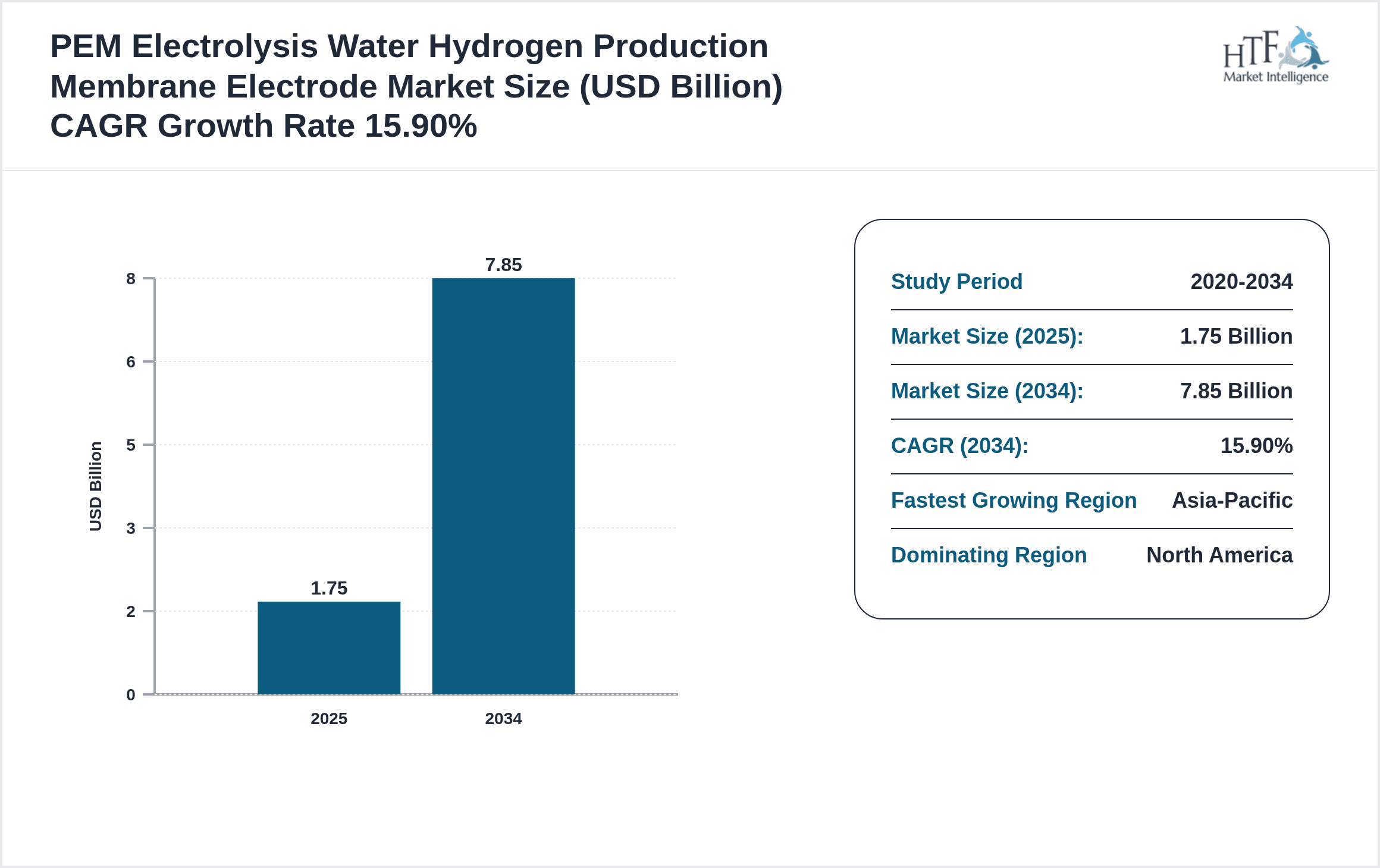
- •Key market highlights include a robust compound annual growth rate (CAGR) of 15.9% forecasted from 2024 to 2034, with the market size expected to expand from USD 1.75 billion in 2024 to USD 7.85 billion by 2034. North America currently dominates the market with a 32% share, driven by advanced technological infrastructure and strong policy support, while Asia-Pacific emerges as the fastest-growing region with a 19.2% CAGR fueled by expanding hydrogen initiatives and industrial investments. Nafion membranes remain the leading product type due to their proven performance, but composite membranes are gaining traction as the fastest-growing category offering cost and efficiency advantages. Industrial hydrogen production is the dominant application segment, closely followed by power generation and transportation fuel cells. Year-over-year growth underscores increasing adoption of PEM electrolysis membranes in green hydrogen projects worldwide, reinforced by supportive government incentives and private sector investments.
- •The strategic importance of the Global PEM Electrolysis Water Hydrogen Production Membrane Electrode market lies in its pivotal role in enabling sustainable hydrogen production, which is vital for decarbonizing hard-to-abate sectors such as heavy industry, transportation, and power generation. Stakeholders across the energy value chain, including electrolyzer manufacturers, membrane producers, end-users in industrial and transportation sectors, and policymakers, stand to benefit from market advancements. The growth of the market supports the global transition towards a low-carbon economy by facilitating cleaner fuel alternatives and energy storage solutions. Additionally, innovations in membrane materials and manufacturing processes offer opportunities to reduce costs and improve system efficiency, thereby accelerating hydrogen adoption. The market’s expansion also encourages international collaborations, technology transfers, and infrastructure development, positioning it as a cornerstone for future energy security and environmental sustainability worldwide.
Competitive Landscape
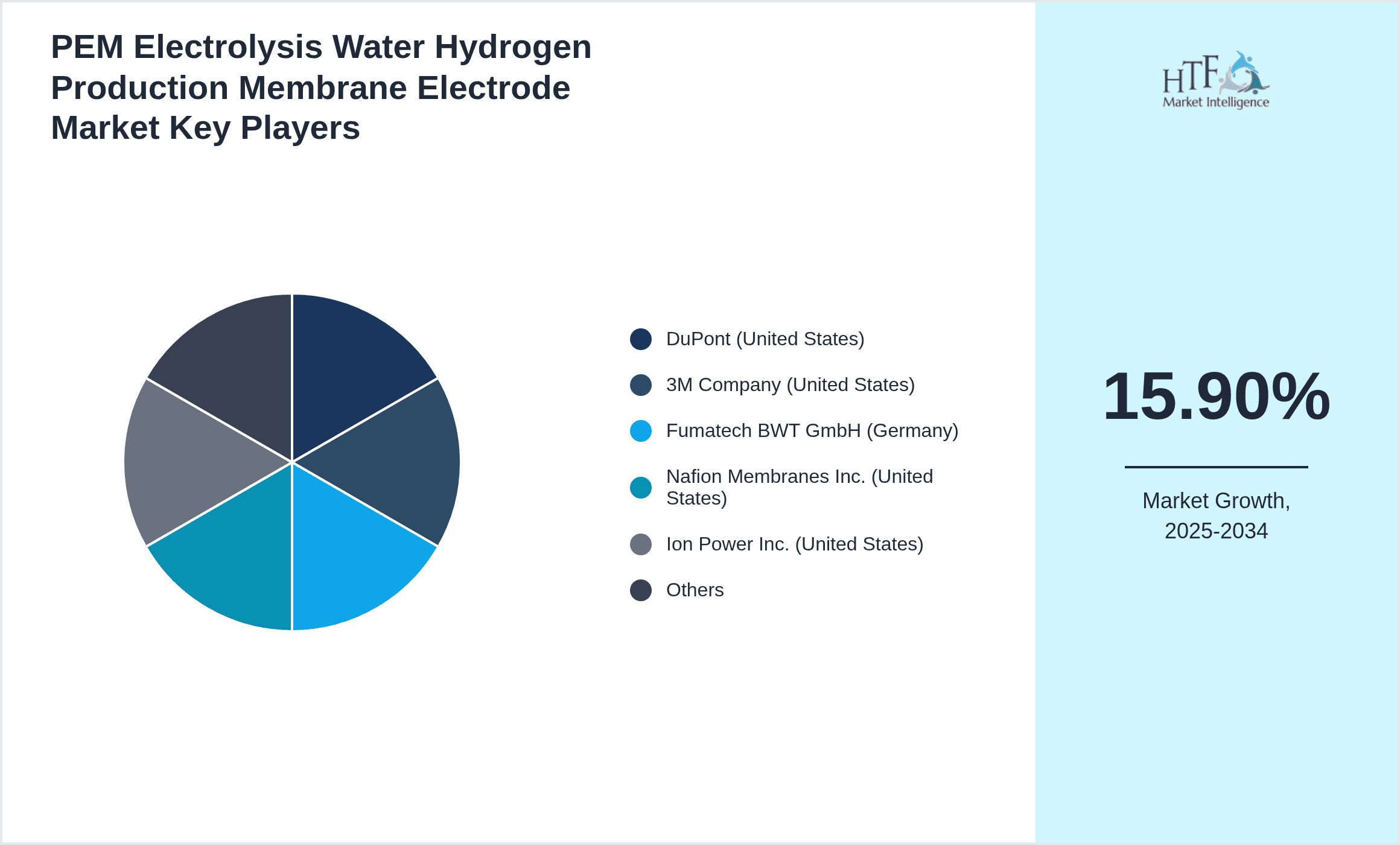
The global PEM Electrolysis Water Hydrogen Production Membrane Electrode market is characterized by intense competition driven by technological innovation, product differentiation, and strategic collaborations. Market participants focus heavily on research and development to enhance membrane durability, proton conductivity, and cost efficiency, which are key factors influencing market positioning. The competition extends to securing long-term supply contracts with electrolyzer manufacturers and end-users in the hydrogen production value chain. Pricing strategies are balanced with quality and performance to maintain competitive advantage. Regional competition is pronounced, with North American and European companies leveraging advanced manufacturing capabilities and stringent quality standards, while Asia-Pacific players capitalize on cost-effective production and expanding domestic demand. Mergers and acquisitions serve as strategic tools for market consolidation and technology acquisition. Future competitive trends will likely emphasize sustainability, scalability, and integration with renewable energy sources, fostering a dynamic environment for players striving to capture growing market share globally.
Leading Companies in PEM Electrolysis Water Hydrogen Production Membrane Electrode Market
- •DuPont (United States)
- •3M Company (United States)
- •Fumatech BWT GmbH (Germany)
- •Nafion Membranes Inc. (United States)
- •Ion Power Inc. (United States)
- •Gore (United States)
- •Solvay S.A. (Belgium)
- •Hydrogen Membrane Technologies Ltd. (United Kingdom)
- •Asahi Kasei Corporation (Japan)
- •HyGear (Netherlands)
- •Ballard Power Systems (Canada)
- •Sumitomo Electric Industries (Japan)
- •Mitsubishi Chemical Corporation (Japan)
- •BASF SE (Germany)
- •JSR Corporation (Japan)
- •PermaPure LLC (United States)
- •Dongyue Group (China)
- •Hydrogenics Corporation (Canada)
- •SOLIDpower S.p.A. (Italy)
- •Elcogen AS (Estonia)
- •Proton OnSite (United States)
- •FuelCell Energy, Inc. (United States)
- •SK Innovation Co., Ltd. (South Korea)
- •SGL Carbon SE (Germany)
- •W. L. Gore & Associates, Inc. (United States)
Market Breakdown
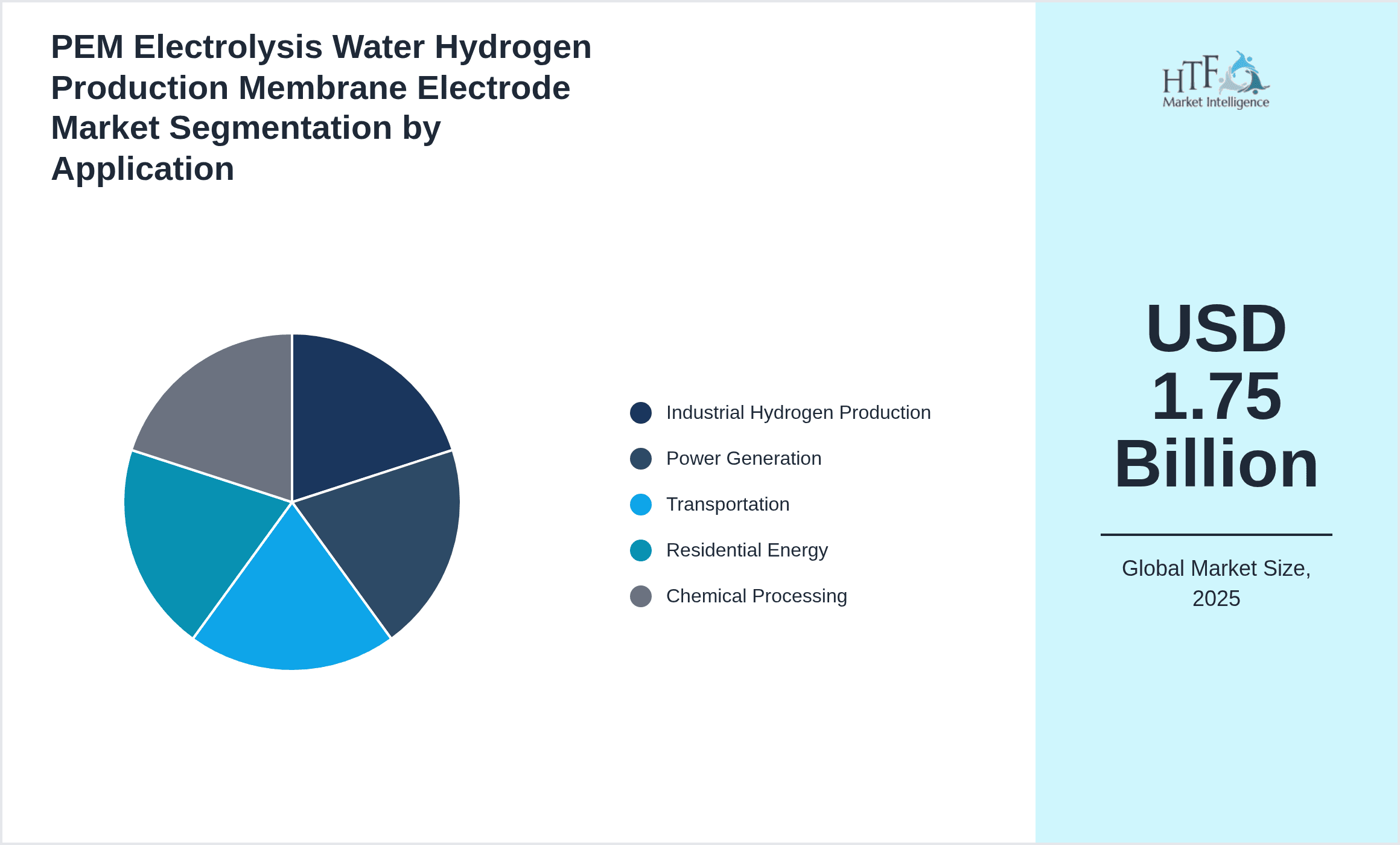
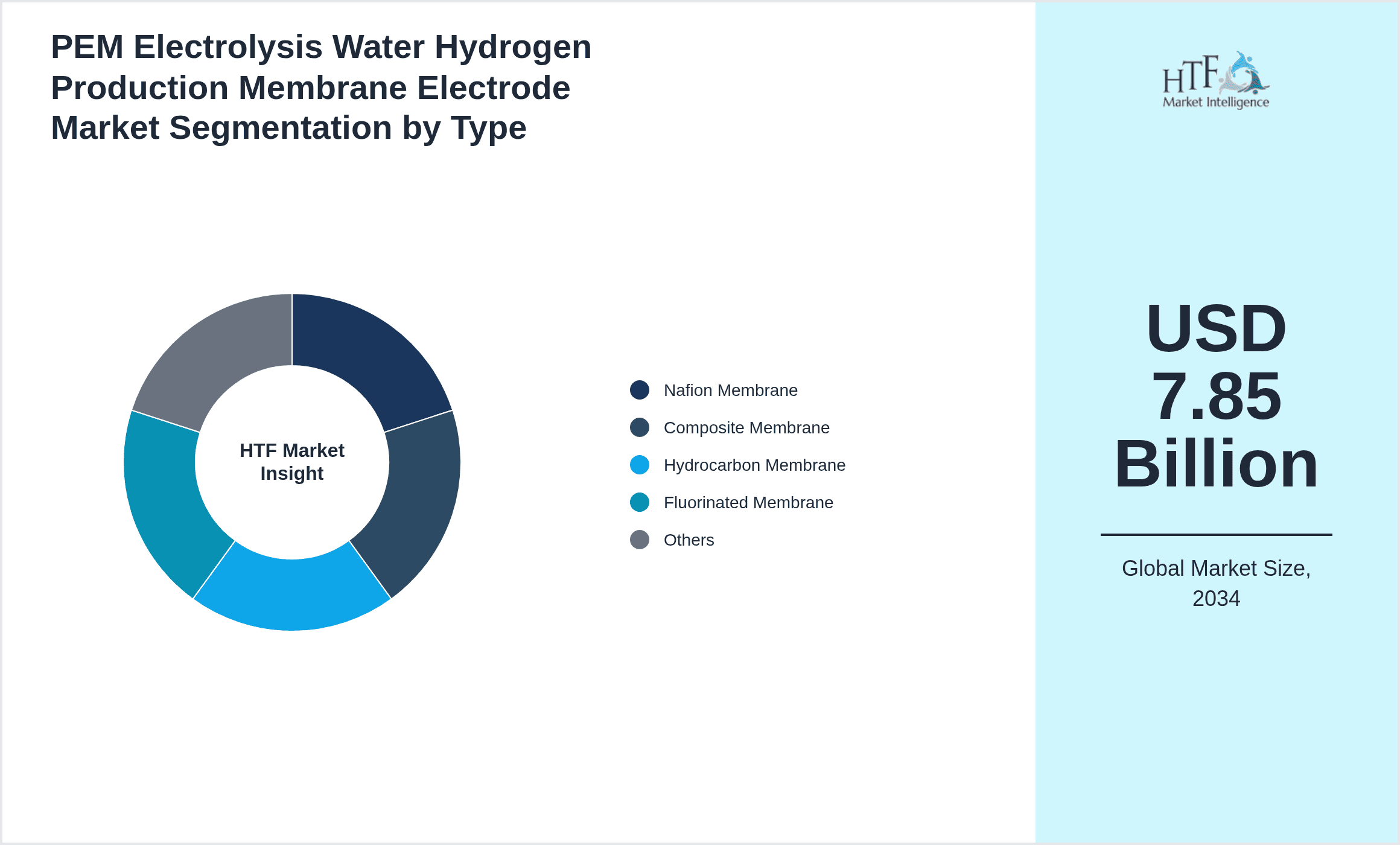
- •By Type
- ◦Nafion Membrane
- ◦Composite Membrane
- ◦Hydrocarbon Membrane
- ◦Fluorinated Membrane
- ◦Others
- •By Application
- ◦Industrial Hydrogen Production
- ◦Power Generation
- ◦Transportation
- ◦Residential Energy
- ◦Chemical Processing
- •By End-User Sector
- ◦Energy & Utilities
- ◦Automotive
- ◦Chemical Industry
- ◦Residential Sector
- ◦Transportation & Logistics
- •By Deployment Model
- ◦Large-Scale Electrolyzer Systems
- ◦Distributed Electrolyzer Units
- ◦Mobile Electrolyzer Solutions
Growth Dynamics
The global PEM electrolysis water hydrogen production membrane electrode market is propelled by escalating demand for clean energy solutions, driven by stringent environmental regulations targeting carbon emission reductions. Growing investments in green hydrogen projects worldwide, especially in renewable energy integration, amplify the demand for advanced PEM membranes that offer higher efficiency and durability. Technological innovations reducing membrane costs and improving lifespan further stimulate market expansion. Additionally, increasing adoption in sectors such as transportation, power generation, and chemical processing boosts growth. Government incentives and strategic collaborations among industry players also catalyze market momentum. As industries transition towards sustainable energy, the role of PEM electrolysis membranes in enabling scalable and efficient hydrogen production continues to gain prominence, positioning the market for sustained double-digit growth over the forecast period.
Market Trends
Key trends shaping the PEM electrolysis membrane market include the development of composite membranes that combine polymers with inorganic fillers to enhance mechanical strength and proton conductivity. The rising incorporation of digital technologies such as AI and IoT for real-time monitoring and predictive maintenance in electrolyzer systems is optimizing membrane performance and reducing downtime. Additionally, increasing collaboration between membrane manufacturers and electrolyzer producers accelerates customized solutions tailored for specific applications. Another notable trend is the growing focus on sustainability in membrane manufacturing, including the use of eco-friendly materials and recycling initiatives. Geographic expansion into emerging markets, especially in Asia-Pacific, is also driving innovation and adoption, making the market more competitive and diversified globally.
Market Opportunities
Significant opportunities exist in expanding the use of PEM electrolysis membranes in emerging applications such as residential and decentralized hydrogen production, where compact and efficient electrolyzer solutions are increasingly demanded. The shift towards green hydrogen as a clean fuel alternative offers vast untapped potential, especially in regions with abundant renewable energy resources. Technological advancements aimed at cost reduction and performance enhancement open avenues for market penetration in developing economies. Moreover, partnerships between technology providers and end-users for co-developing tailored membrane solutions present growth prospects. Increasing government mandates and funding for hydrogen infrastructure development further create favorable conditions for market expansion. The rise of fuel cell electric vehicles globally also contributes to new opportunities for membrane electrode assemblies in transportation fuel cells.
Market Challenges
The PEM electrolysis membrane market faces challenges such as high manufacturing and material costs, which limit widespread adoption especially in price-sensitive regions. Durability and membrane degradation under harsh operational conditions remain technical hurdles, requiring ongoing R&D investment. Supply chain constraints for critical raw materials, including fluorinated polymers, contribute to production bottlenecks and price volatility. Additionally, the lack of standardized protocols for membrane performance testing and certification can impede market trust and scaling. Competitive pressure from alternative electrolysis technologies, such as alkaline and solid oxide electrolyzers, introduces market uncertainty. Regulatory complexities and varying policy support across regions also pose challenges to uniform market growth. Addressing these issues is critical for enabling the PEM electrolysis membrane market to realize its full potential in the global hydrogen economy.
Regulatory Framework
Between 2019 and 2024, key regulatory developments impacting the Global PEM Electrolysis Water Hydrogen Production Membrane Electrode market include the implementation of stringent emissions reduction targets by international bodies and national governments, mandating increased adoption of green hydrogen technologies. Regulations such as the European Union’s Hydrogen Strategy and the U.S. Department of Energy’s Hydrogen Program provide frameworks for funding, safety standards, and technology certification, directly influencing membrane manufacturing and application requirements. Safety and environmental compliance standards for production facilities have been updated to ensure sustainable manufacturing practices and minimize chemical hazards associated with membrane materials. Additionally, policies incentivizing renewable energy integration with hydrogen production plants encourage advancements in PEM electrolyzer technologies. These evolving regulatory frameworks foster market growth while necessitating continuous adaptation by manufacturers to meet compliance and quality assurance criteria globally.
Market Intelligence
- •15th January 2024, DuPont announced the launch of a next-generation Nafion membrane designed specifically for PEM electrolyzers with enhanced proton conductivity and durability, targeting industrial hydrogen production applications. This product aims to reduce operational costs and improve electrolyzer efficiency, supporting large-scale green hydrogen initiatives. The launch strengthens DuPont’s position as a technology leader and aligns with rising global demand for sustainable energy solutions. Source: DuPont Official Press Release
- •10th October 2023, 3M Company introduced a novel composite membrane incorporating advanced polymer blends and inorganic fillers to improve mechanical stability and resistance to chemical degradation. This innovation targets transportation and power generation sectors, enabling longer membrane lifespans and reduced maintenance cycles. The breakthrough is expected to accelerate adoption of PEM electrolysis systems in emerging markets. Source: 3M Corporate News
- •Recent market developments and strategic initiatives are continuously tracked through industry publications, company announcements, and regulatory filings. For the most current information, stakeholders are advised to monitor official corporate communications and recognized market intelligence platforms.
- •Recent market developments and strategic initiatives are continuously tracked through industry publications, company announcements, and regulatory filings. For the most current information, stakeholders are advised to monitor official corporate communications and recognized market intelligence platforms.
Mergers & Acquisitions
- •In November 2023, Gore entered into a strategic acquisition of a European composite membrane manufacturer to broaden its product portfolio and enhance technological capabilities in PEM electrolysis membranes. This move enables Gore to expand its footprint in the growing hydrogen production market, integrating advanced composite technologies that offer improved durability and cost efficiency. The acquisition aligns with Gore’s long-term vision to support global decarbonization efforts and strengthens its supply chain and innovation pipeline for membrane electrode assemblies.
- •In July 2022, Asahi Kasei Corporation completed the acquisition of a leading hydrocarbon membrane producer in Asia, aiming to consolidate its position in the PEM electrolyzer component market. This acquisition facilitates technology exchange and accelerates product development focused on cost-effective, high-performance membranes tailored for large-scale green hydrogen projects. The integration supports Asahi Kasei’s strategy to diversify its energy materials portfolio and capture emerging opportunities in the renewable hydrogen sector.
Recent Industry News
- •12th March 2024, Ballard Power Systems announced a partnership with a major European electrolyzer manufacturer to co-develop advanced membrane electrode assemblies optimized for heavy-duty transportation fuel cells. This collaboration aims to enhance fuel cell performance and durability while reducing costs, supporting the deployment of zero-emission buses and trucks across Europe. The partnership leverages Ballard’s expertise in membrane technology and the manufacturer’s electrolyzer innovation, signaling a strong commitment towards sustainable transportation infrastructure. Source: Ballard Official News
- •5th September 2023, Sumitomo Electric Industries expanded its manufacturing facility in Japan to increase production capacity of PEM membranes, responding to surging demand from industrial hydrogen producers and power generation companies. The expansion includes state-of-the-art equipment for membrane fabrication and quality control, aiming to reduce lead times and enhance product consistency. This development positions Sumitomo to better serve its global clientele amid growing hydrogen economy initiatives. Source: Sumitomo Electric Press Release
- •20th November 2022, Mitsubishi Chemical Corporation unveiled an innovative fluorinated membrane technology with superior chemical resistance and conductivity, designed for next-generation PEM electrolyzers targeting chemical processing applications. The new membrane promises extended operational life and improved energy efficiency, enabling cost reduction in hydrogen production processes. Mitsubishi Chemical plans to commercialize the technology by mid-2024, reinforcing its commitment to sustainable materials development. Source: Mitsubishi Chemical Corporate Update
- •15th June 2021, Solvay S.A. collaborated with a leading renewable energy firm to integrate high-performance PEM membranes into large-scale electrolyzer projects in North America. This initiative focuses on enhancing system efficiency and durability to meet stringent green hydrogen production targets. The partnership underscores the critical role of advanced membrane technologies in accelerating hydrogen adoption. Source: Solvay Industry News
Regional Outlook
The North America currently holds a significant share of the market, primarily due to several key factors: increasing consumption rates, a burgeoning population, and robust economic momentum. These elements collectively drive demand, positioning this region as a leader in the market. On the other hand, Asia-Pacific is rapidly emerging as the fastest-growing area within the industry. This remarkable growth can be attributed to swift infrastructure development, the expansion of various industrial sectors, and a marked increase in consumer demand. These dynamics make this region a crucial player in shaping future market growth.
In our report, we cover a comprehensive analysis of the following regions and countries:
- North America
- LATAM
- West Europe
- Central & Eastern Europe
- Northern Europe
- Southern Europe
- East Asia
- Southeast Asia
- South Asia
- Central Asia
- Oceania
- MEA
| Feature | Details |
|---|---|
| Base Year Market Size | USD 1.75 Billion |
| Forecast Year Market Size | USD 7.85 Billion |
| CAGR | 15.9% |
| Forecast Period | 2026 to 2033 |
| YoY Growth | 15% |
| Regions Covered | North America, LATAM, West Europe, Central & Eastern Europe, Northern Europe, Southern Europe, East Asia, Southeast Asia, South Asia, Central Asia, Oceania, MEA |
| Key Companies | DuPont (United States), 3M Company (United States), Fumatech BWT GmbH (Germany), Nafion Membranes Inc. (United States), Ion Power Inc. (United States), Gore (United States), Solvay S.A. (Belgium), Hydrogen Membrane Technologies Ltd. (United Kingdom), Asahi Kasei Corporation (Japan), HyGear (Netherlands), Ballard Power Systems (Canada), Sumitomo Electric Industries (Japan), Mitsubishi Chemical Corporation (Japan), BASF SE (Germany), JSR Corporation (Japan), PermaPure LLC (United States), Dongyue Group (China), Hydrogenics Corporation (Canada), SOLIDpower S.p.A. (Italy), Elcogen AS (Estonia), Proton OnSite (United States), FuelCell Energy, Inc. (United States), SK Innovation Co., Ltd. (South Korea), SGL Carbon SE (Germany), W. L. Gore & Associates, Inc. (United States) |
Global PEM Electrolysis Water Hydrogen Production Membrane Electrode Market - Outlook 2024-2034 - Table of Contents
Frequently Asked Questions (FAQ):
The Compact Track Loaders market is expected to see value worth 5.3 Billion in 2025.
North America currently leads the market with approximately 45% market share, followed by Europe at 28% and Asia-Pacific at 22%. The remaining regions account for 5% of the global market.
Key growth drivers include increasing construction activities, rising demand for versatile equipment in agriculture, technological advancements in track loader design, and growing preference for compact equipment in urban construction projects.