
Japan Smart Parcel Delivery Locker Market Size, Growth & Revenue 2024-2034
Japan Smart Parcel Delivery Locker Market is segmented by Smart Parcel Delivery Locker Type (Automated Lockers, Semi-Automated Lockers, Modular Lockers, Standalone Lockers, Smart Lockers), Application (Residential, Commercial, Logistics Hubs, Retail, E-commerce Fulfillment), Deployment Model (Cloud-based, On-premise, Hybrid), End User (E-commerce Retailers, Delivery Service Providers, Property Management Companies, Government & Municipalities), and Geography (Hokkaido, Tohoku, Kanto, Chubu, Kansai, Chugoku, Shikoku, Kyushu)
Pricing
Report Overview
Executive Summary
- •The Japan Smart Parcel Delivery Locker Market represents a dynamic and rapidly evolving segment within the logistics and e-commerce ecosystem. This market features advanced locker systems designed to streamline parcel delivery and collection processes across residential, commercial, retail, and logistics environments. With Japan's urban density and increasing online shopping activities, the demand for secure, contactless, and efficient delivery solutions has accelerated. Smart parcel lockers integrate IoT, automation, and digital technologies to provide real-time access, enhanced security, and operational efficiencies. The market scope includes a variety of locker types catering to diverse applications, supporting last-mile delivery optimization and reducing failed deliveries. Industry growth is driven by technological innovation, government smart city initiatives, and shifting consumer preferences towards contactless services. Key market players are adopting strategies such as product innovation, strategic partnerships, and regional expansion to capitalize on emerging opportunities. Regional dynamics within Japan, including dominant zones like Kanto and emerging zones such as Kyushu & Okinawa, further shape market trends and growth potential.
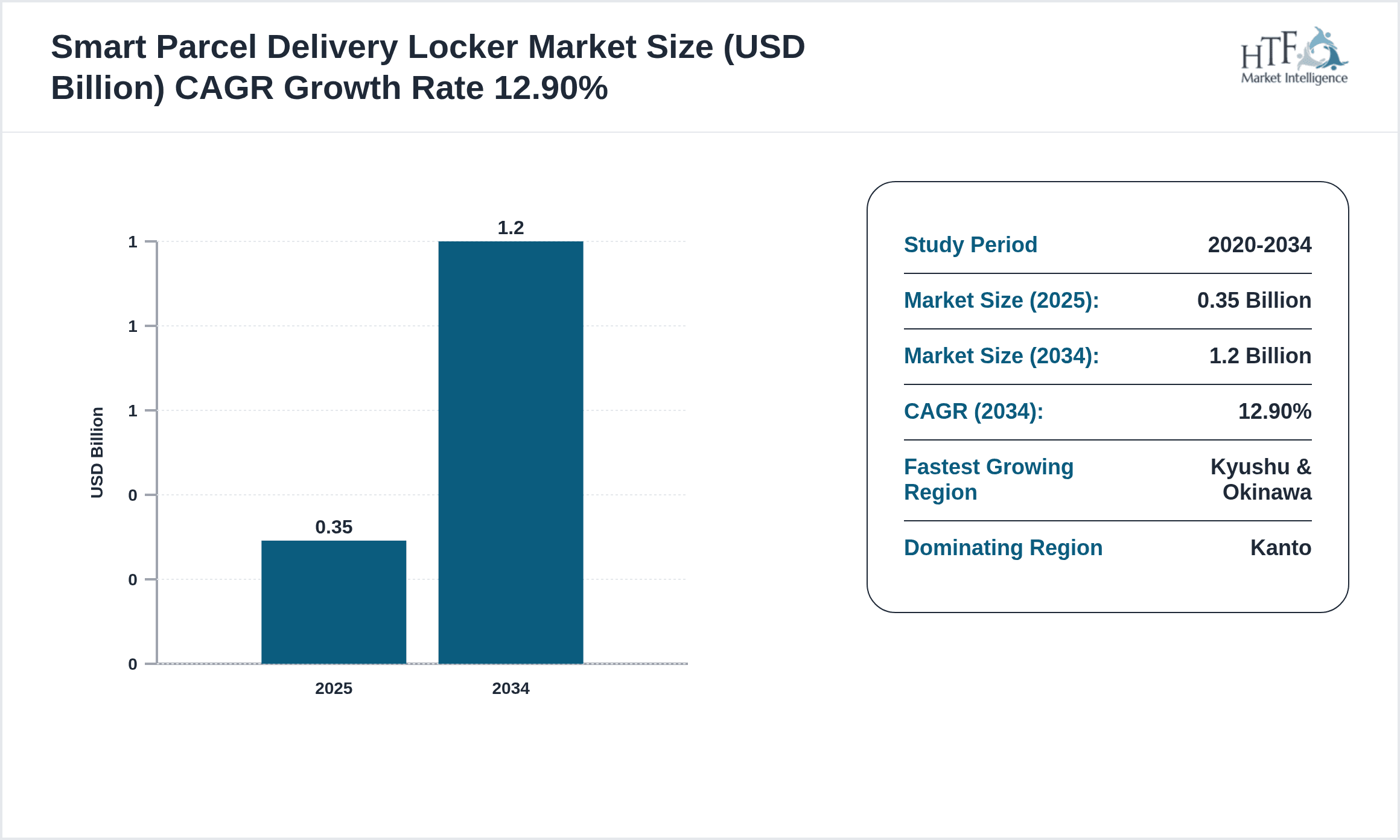
- •Japan's smart parcel delivery locker market is projected to grow from USD 0.35 billion in 2024 to USD 1.20 billion by 2034, reflecting a CAGR of 12.9%. The Kanto region dominates with a 34% market share, while Kyushu & Okinawa is the fastest-growing sub-region, exhibiting a CAGR of 16.3%. Automated lockers lead product adoption, with modular lockers emerging as the fastest-growing type. Applications in residential and commercial sectors remain predominant, driven by urbanization and e-commerce growth. These data points underscore the market's robust expansion and evolving competitive landscape.
- •The smart parcel delivery locker market offers significant value propositions by enhancing last-mile delivery efficiency, reducing operational costs, and improving customer convenience through contactless parcel retrieval. It strategically supports e-commerce retailers, logistics providers, property developers, and municipal governments aiming to modernize delivery infrastructure. Innovations in locker technology and software management systems enable seamless integration with delivery networks, fostering ecosystem collaboration. The market's expansion aligns with Japan's broader smart city initiatives, reflecting a strategic imperative to address urban logistics challenges while enhancing sustainability and service quality.
Competitive Landscape
The Japan Smart Parcel Delivery Locker Market exhibits a highly competitive environment characterized by intense rivalry among global and domestic players. Market participants compete through continuous innovation in locker technology, such as IoT integration, modular designs, and enhanced security features, to differentiate their offerings. Strategic collaborations with logistics companies and e-commerce platforms are common to expand deployment and enhance service reach. Pricing strategies focus on balancing affordability with advanced functionalities to attract a wide customer base, including residential, commercial, and retail sectors. Additionally, companies invest heavily in after-sales service and software solutions to strengthen customer loyalty. Market entry barriers include high initial capital expenditure and regulatory compliance, which favor established players with strong technological capabilities and financial resources. The competition also drives ongoing R&D efforts to address evolving customer needs and urban delivery challenges, positioning innovation and strategic partnerships as critical success factors.
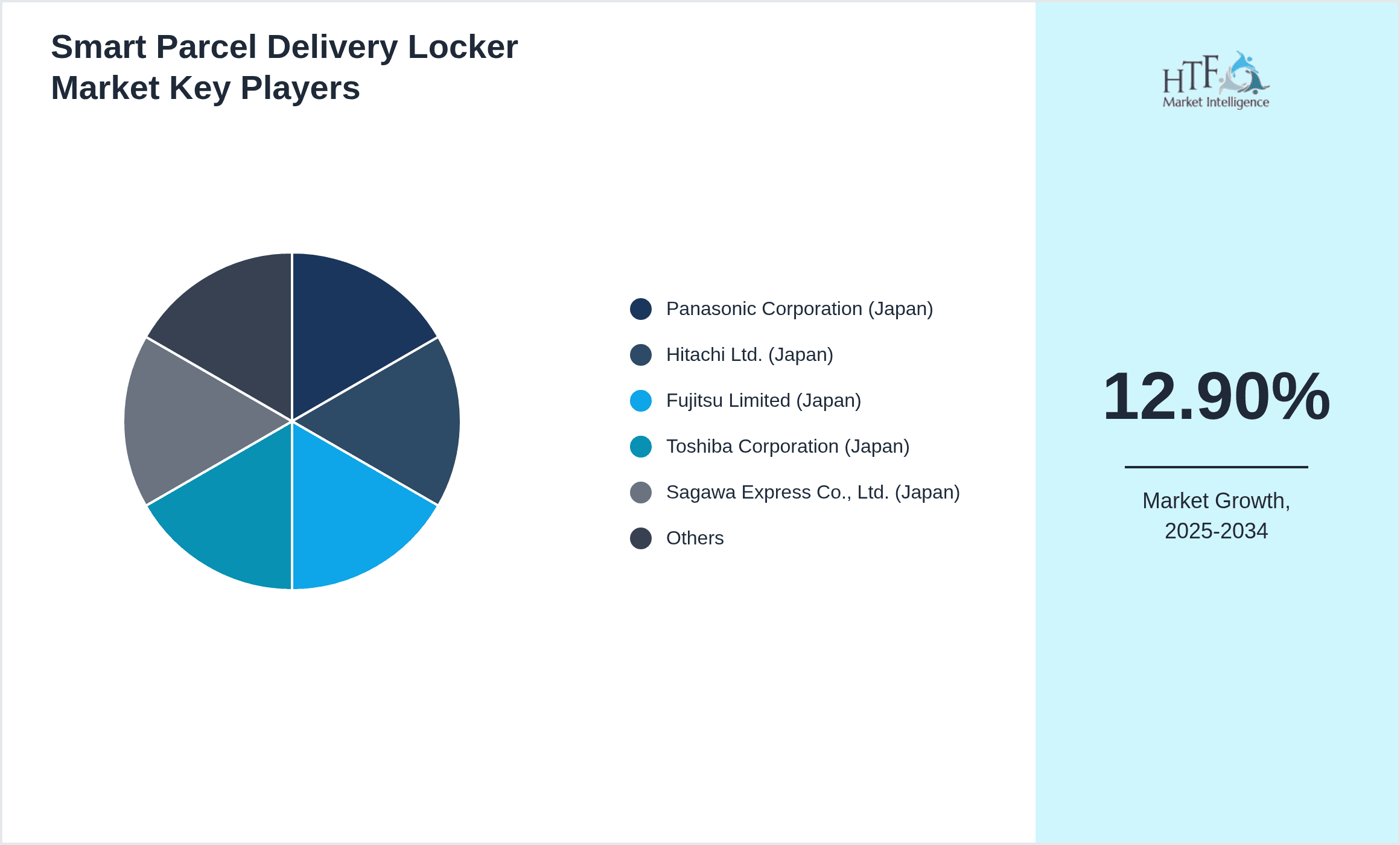
Leading Companies in Japan Smart Parcel Delivery Locker Market
- •Panasonic Corporation (Japan)
- •Hitachi Ltd. (Japan)
- •Fujitsu Limited (Japan)
- •Toshiba Corporation (Japan)
- •Sagawa Express Co., Ltd. (Japan)
- •Mitsubishi Electric Corporation (Japan)
- •Nippon Express Co., Ltd. (Japan)
- •Rakuten Group, Inc. (Japan)
- •Yamato Holdings Co., Ltd. (Japan)
- •NEC Corporation (Japan)
- •Tosho Locker Co., Ltd. (Japan)
- •Daiwa House Industry Co., Ltd. (Japan)
- •Japan Post Holdings Co., Ltd. (Japan)
- •Secom Co., Ltd. (Japan)
- •SoftBank Corp. (Japan)
- •Hitachi Zosen Corporation (Japan)
- •Kintetsu World Express, Inc. (Japan)
- •Omron Corporation (Japan)
- •Sharp Corporation (Japan)
- •Aisin Seiki Co., Ltd. (Japan)
- •Sumitomo Electric Industries, Ltd. (Japan)
- •Mitsui & Co., Ltd. (Japan)
- •Kobelco Construction Machinery Co., Ltd. (Japan)
- •Ricoh Company, Ltd. (Japan)
- •Hitachi Transport System, Ltd. (Japan)
Market Breakdown
- •By Smart Parcel Delivery Locker Type
- ◦Automated Lockers
- ◦Semi-Automated Lockers
- ◦Modular Lockers
- ◦Standalone Lockers
- ◦Smart Lockers
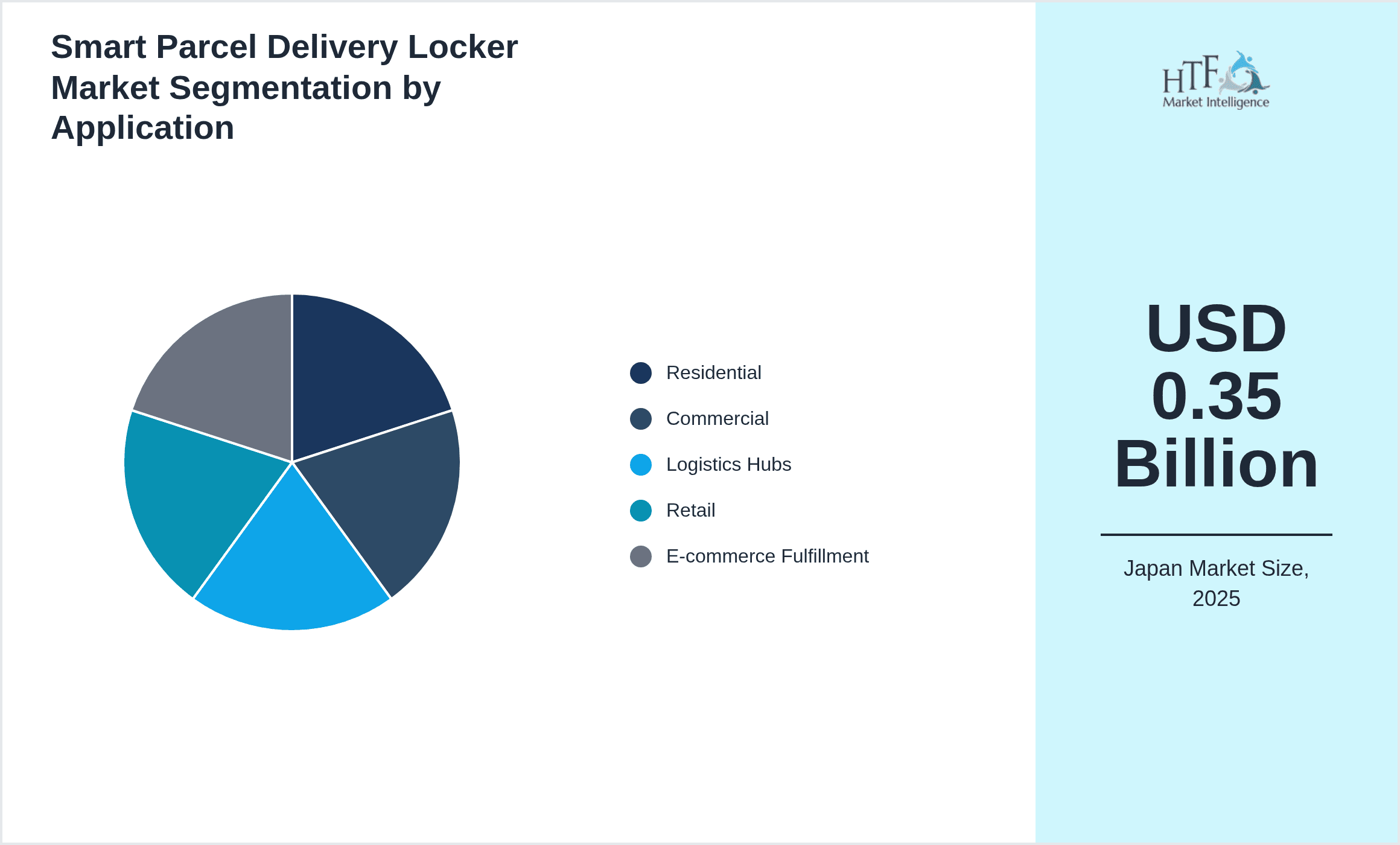
- •By Application
- ◦Residential
- ◦Commercial
- ◦Logistics Hubs
- ◦Retail
- ◦E-commerce Fulfillment
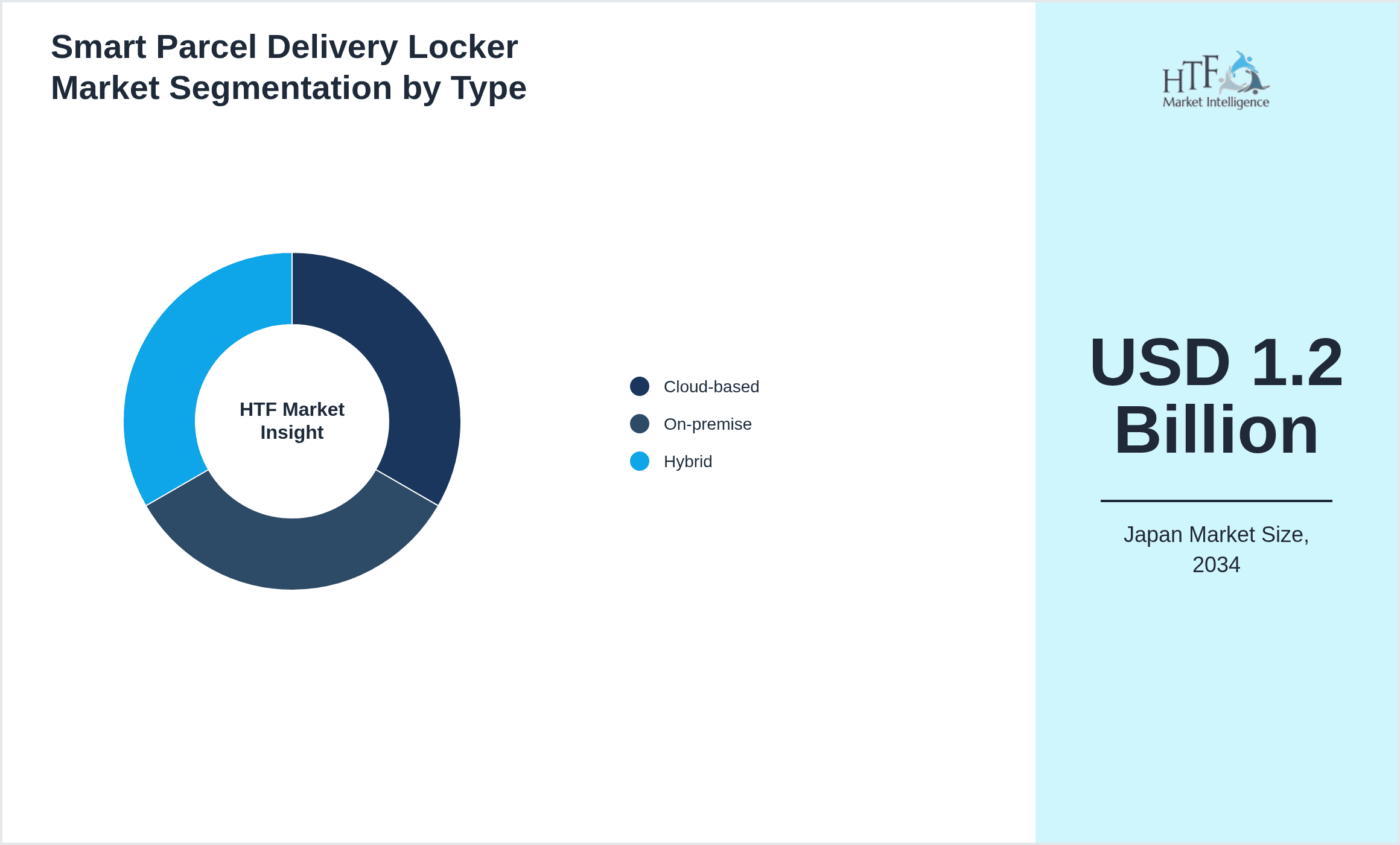
- •By Deployment Model
- ◦Cloud-based
- ◦On-premise
- ◦Hybrid
- •By End User
- ◦E-commerce Retailers
- ◦Delivery Service Providers
- ◦Property Management Companies
- ◦Government & Municipalities
Growth Dynamics
- •Increasing e-commerce penetration in Japan has significantly driven demand for smart parcel delivery lockers, as consumers seek convenient, contactless delivery solutions. The surge in online shopping has heightened parcel volumes, necessitating secure locker systems to reduce delivery failures and enhance customer experience.
- •Technological advancements such as IoT integration, mobile app access, and AI-enabled locker management systems have enhanced locker functionality and user convenience, fueling market growth. These innovations enable real-time parcel tracking and efficient locker utilization.
- •Government initiatives promoting smart city infrastructure and urban logistics modernization in Japan provide regulatory support and incentives, encouraging the adoption of smart parcel lockers across public and private sectors.
- •Rising urbanization and limited last-mile delivery spaces in densely populated Japanese cities have created a pressing need for automated locker solutions to optimize delivery operations and reduce traffic congestion.
- •Strategic partnerships between locker manufacturers, logistics companies, and e-commerce platforms have expanded deployment networks, improving market reach and operational efficiency, and driving widespread adoption.
Market Trends
- •There is an increasing trend toward modular locker designs that offer scalability and customization to meet diverse deployment needs in residential complexes and commercial properties across Japan. This flexibility is favored by property developers and logistics providers.
- •Integration of contactless technologies such as QR code scanning and biometric authentication is becoming standard to enhance security and user experience amid heightened health and safety concerns post-pandemic.
- •Smart locker solutions are increasingly incorporated into multi-modal delivery networks, including drones and autonomous vehicles, to optimize last-mile delivery efficiency and reduce environmental impact.
- •The rise of cloud-based locker management platforms enables centralized control, data analytics, and remote monitoring, improving operational agility and maintenance in the market.
- •Collaborations between technology providers and logistics firms are driving innovation in AI-powered locker allocation and predictive maintenance, enhancing system reliability and customer satisfaction.
Market Opportunities
- •Expanding smart locker networks in rural and underserved regions of Japan presents significant growth potential by addressing last-mile delivery challenges outside urban centers.
- •Emerging applications in corporate campuses and educational institutions offer untapped markets for secure parcel delivery solutions, enhancing convenience and security for institutional users.
- •Integration of renewable energy sources and sustainable materials in locker manufacturing offers opportunities to align with Japan’s environmental goals and appeal to eco-conscious customers.
- •Collaborations with last-mile delivery startups and autonomous vehicle developers can foster innovative delivery models, positioning locker providers at the forefront of logistics transformation.
- •Development of multilingual user interfaces and enhanced accessibility features can broaden the user base to include international residents and tourists, expanding market reach.
Market Challenges
- •High installation and maintenance costs of advanced smart parcel lockers remain a barrier for small-scale property managers and logistics providers, limiting market penetration in some segments.
- •Complex regulatory compliance related to data privacy and security standards poses challenges in locker system design and operation, requiring continuous updates and monitoring.
- •Resistance from traditional delivery service operators toward automation and digitalization can slow adoption rates, necessitating stakeholder engagement and education.
- •Limited awareness among end-users about the benefits and usage of smart parcel lockers can hinder acceptance, highlighting the need for targeted marketing and user training.
- •Technical challenges related to interoperability between different locker systems and delivery platforms may impede seamless integration and scalability.
Regulatory Framework
- •Between 2019 and 2024, Japan implemented updated data protection regulations mandating strict controls on user information handled by smart parcel delivery lockers. These require providers to adopt encryption and secure authentication protocols, ensuring consumer privacy and compliance with the Act on the Protection of Personal Information.
- •The Japanese government introduced smart city initiatives focusing on urban logistics modernization, including subsidies and incentives for deploying automated parcel delivery systems in metropolitan areas. These policies encourage innovation and infrastructure development within the delivery locker market.
- •Safety standards for electronic locker devices were updated, specifying fire resistance, electrical safety, and accessibility requirements to protect users and comply with national building codes.
- •Municipal regulations in key regions such as Kanto and Kansai have introduced zoning and installation guidelines to streamline locker placement in public spaces and residential complexes, balancing convenience with urban planning considerations.
- •Government policies promoting sustainable logistics encourage adoption of energy-efficient locker designs and integration with green delivery technologies to reduce carbon footprint.
Market Intelligence
- •15th February 2025, Panasonic Corporation launched an advanced automated parcel locker system integrating AI-powered predictive maintenance and real-time analytics tailored for high-density urban residential complexes in Japan. This product aims to reduce downtime and optimize locker utilization, enhancing customer convenience and operational efficiency for property managers. The system supports seamless integration with major e-commerce and delivery platforms, positioning Panasonic as a leader in next-generation parcel solutions within the Japanese market. This launch underscores the company’s commitment to innovation amidst rising demand for contactless delivery infrastructure. Source: Panasonic Official Press Release
- •30th October 2024, Hitachi Ltd. unveiled a modular smart locker solution designed for flexibility in commercial and retail environments, allowing easy expansion and customization according to user demand. This innovation leverages IoT connectivity and cloud management to provide remote monitoring and user-friendly access through mobile applications. Hitachi's initiative addresses growing adoption needs among logistics hubs and retail chains adapting to increasing e-commerce deliveries. The launch represents a strategic push to capture significant market share by offering scalable and efficient locker infrastructure tailored to Japan's urban delivery challenges. Source: Hitachi Corporate News
- •12th August 2025, Rakuten Group, Inc. announced a strategic collaboration with Yamato Holdings Co., Ltd. to expand their smart locker deployment across Japan’s Kanto and Kansai regions. This partnership focuses on integrating Rakuten’s e-commerce logistics network with Yamato’s delivery expertise to enhance last-mile delivery efficiency and customer satisfaction through expanded locker accessibility. The initiative includes plans to deploy cloud-based locker management software and implement contactless parcel pickup options, aligning with consumer demand for convenience and safety. This collaboration marks a significant milestone in Japan’s smart parcel delivery ecosystem. Source: Rakuten Press Release
- •5th January 2025, Fujitsu Limited introduced an AI-driven locker management platform aimed at optimizing parcel sorting and reducing delivery times for logistics providers in Japan. The platform offers predictive analytics, dynamic allocation of locker space, and automated notification systems for recipients. Fujitsu’s solution enhances operational efficiency and supports integration with autonomous delivery vehicles, reflecting a forward-looking approach to smart logistics. This launch highlights Fujitsu’s role in driving digital transformation within Japan’s parcel delivery market and its commitment to sustainable urban mobility solutions. Source: Fujitsu Newsroom
Regional Outlook
The Kanto currently holds a significant share of the market, primarily due to several key factors: increasing consumption rates, a burgeoning population, and robust economic momentum. These elements collectively drive demand, positioning this region as a leader in the market. On the other hand, Kyushu & Okinawa is rapidly emerging as the fastest-growing area within the industry. This remarkable growth can be attributed to swift infrastructure development, the expansion of various industrial sectors, and a marked increase in consumer demand. These dynamics make this region a crucial player in shaping future market growth.
In our report, we cover a comprehensive analysis of the following regions and countries:
- Hokkaido
- Tohoku
- Kanto
- Chubu
- Kansai
- Chugoku
- Shikoku
- Kyushu
| Feature | Details |
|---|---|
| Base Year Market Size | USD 0.35 Billion |
| Forecast Year Market Size | USD 1.2 Billion |
| CAGR | 12.9% |
| Forecast Period | 2026 to 2033 |
| YoY Growth | 12.1% |
| Scope of Report | Market is segmented by Smart Parcel Delivery Locker Type (Automated Lockers, Semi-Automated Lockers, Modular Lockers, Standalone Lockers, Smart Lockers), Application (Residential, Commercial, Logistics Hubs, Retail, E-commerce Fulfillment), Deployment Model (Cloud-based, On-premise, Hybrid), End User (E-commerce Retailers, Delivery Service Providers, Property Management Companies, Government & Municipalities) |
| Regions Covered | Hokkaido, Tohoku, Kanto, Chubu, Kansai, Chugoku, Shikoku, Kyushu |
| Key Companies | Panasonic Corporation (Japan), Hitachi Ltd. (Japan), Fujitsu Limited (Japan), Toshiba Corporation (Japan), Sagawa Express Co., Ltd. (Japan), Mitsubishi Electric Corporation (Japan), Nippon Express Co., Ltd. (Japan), Rakuten Group, Inc. (Japan), Yamato Holdings Co., Ltd. (Japan), NEC Corporation (Japan), Tosho Locker Co., Ltd. (Japan), Daiwa House Industry Co., Ltd. (Japan), Japan Post Holdings Co., Ltd. (Japan), Secom Co., Ltd. (Japan), SoftBank Corp. (Japan), Hitachi Zosen Corporation (Japan), Kintetsu World Express, Inc. (Japan), Omron Corporation (Japan), Sharp Corporation (Japan), Aisin Seiki Co., Ltd. (Japan), Sumitomo Electric Industries, Ltd. (Japan), Mitsui & Co., Ltd. (Japan), Kobelco Construction Machinery Co., Ltd. (Japan), Ricoh Company, Ltd. (Japan), Hitachi Transport System, Ltd. (Japan) |
Japan Smart Parcel Delivery Locker Market Size, Growth & Revenue 2024-2034 - Table of Contents
Frequently Asked Questions (FAQ):
The Compact Track Loaders market is projected to grow at a CAGR of 6.8% from 2025 to 2030, driven by increasing demand in construction and agricultural sectors.
North America currently leads the market with approximately 45% market share, followed by Europe at 28% and Asia-Pacific at 22%. The remaining regions account for 5% of the global market.
Key growth drivers include increasing construction activities, rising demand for versatile equipment in agriculture, technological advancements in track loader design, and growing preference for compact equipment in urban construction projects.