
Asia-Pacific Refurbished Electronics Market Scope & Changing Dynamics 2024-2034
Asia-Pacific Refurbished Electronics Market is segmented by Type (Smartphones, Laptops & Tablets, Desktops, Wearables, Others), Application (Consumer Electronics, Industrial Devices, Healthcare Equipment, IT & Telecom, Automotive Electronics), Distribution Channel (Online Marketplaces, Retail Stores, Direct Sales, Third-Party Resellers), Refurbishment Process (Repair & Replacement, Testing & Quality Assurance, Software Upgrades, Cosmetic Restoration), and Geography (Japan, China, Southeast Asia, India, Australia, South Korea, Others)
Pricing
Report Overview
Executive Summary
- •The Asia-Pacific Refurbished Electronics Market is a dynamic sector focused on the resale and refurbishment of used electronic devices, including smartphones, laptops, desktops, wearables, and other consumer and industrial electronics. This market addresses the growing demand for affordable, sustainable electronics solutions amid rising environmental concerns and increasing electronic waste levels. The refurbishment process involves rigorous testing, repairs, and quality assurance to extend the lifecycle of devices, catering to diverse applications such as consumer electronics, healthcare, IT & telecom, automotive, and industrial devices. Key market drivers include rapid urbanization, rising digital penetration, and enhanced regulatory support promoting circular economy practices. Leading countries such as China and India dominate market share due to expanding consumer bases and increasing awareness of sustainable consumption. The market outlook projects a robust CAGR of approximately 10.7% during 2024-2034, driven by technological advancements, growing e-commerce platforms for refurbished products, and rising cost sensitivity among consumers across Asia-Pacific.
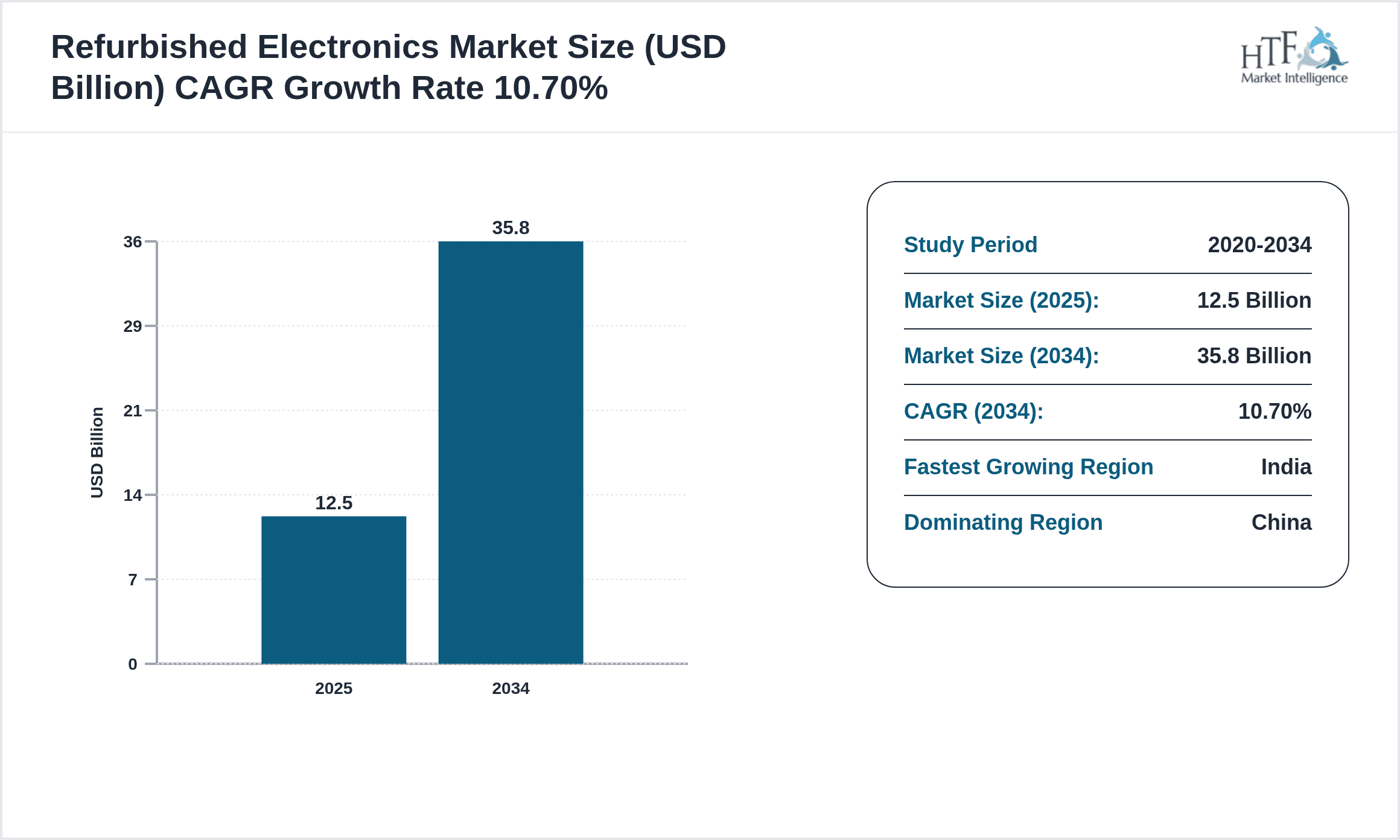
- •Key highlights in the Asia-Pacific refurbished electronics market include a base market size of USD 12.5 Billion in 2024, expected to grow to USD 35.8 Billion by 2034. Smartphones remain the leading product type with the highest market share, while wearables exhibit the fastest growth trajectory, propelled by innovations in health monitoring and fitness tracking. China stands as the dominating regional market, contributing 40% of the market share, followed by India with rapid expansion at a CAGR of 14.5%. Applications in consumer electronics and IT & telecom represent the largest segments, benefiting from rising digital transformation and increased demand for cost-effective electronics. Year-on-year growth rates closely align with CAGR, indicating steady market expansion and strong investor interest in refurbishment ecosystems across key countries.
- •The refurbished electronics market in Asia-Pacific offers significant value propositions by enabling affordable access to high-quality electronics, reducing environmental impact, and supporting sustainable business models. It is strategically important for manufacturers, refurbishers, retailers, and consumers seeking budget-friendly alternatives to new devices without compromising performance. The market also aligns with government initiatives promoting e-waste management and circular economy frameworks, fostering innovation in refurbishment technologies and logistics. Stakeholders benefit from diversified product portfolios, expanding distribution channels including online marketplaces, and growing consumer confidence in refurbished electronics quality. This evolving landscape presents lucrative opportunities for partnerships, technological integration, and regional market expansion while addressing challenges related to standardization, warranty policies, and consumer perception.
Competitive Landscape
The Asia-Pacific refurbished electronics market features intense competition characterized by a mix of established multinational corporations and emerging regional players. Market participants leverage product quality differentiation, after-sales service excellence, and strategic partnerships to enhance market positioning. Innovation in refurbishment technology, including advanced diagnostics, component replacement processes, and software updates, is central to competitive advantage. Companies increasingly adopt omnichannel distribution, combining traditional retail and e-commerce to reach wider consumer bases. Rivalry also extends to pricing strategies, warranty offerings, and sustainability commitments, driving continuous improvements in customer trust and brand loyalty. Market entry barriers include regulatory compliance, quality assurance standards, and supply chain complexities. Future trends indicate consolidation through mergers and acquisitions, increased investment in automation, and expansion into underserved markets, intensifying competitive dynamics across Asia-Pacific.
Leading Companies in Refurbished Electronics Market
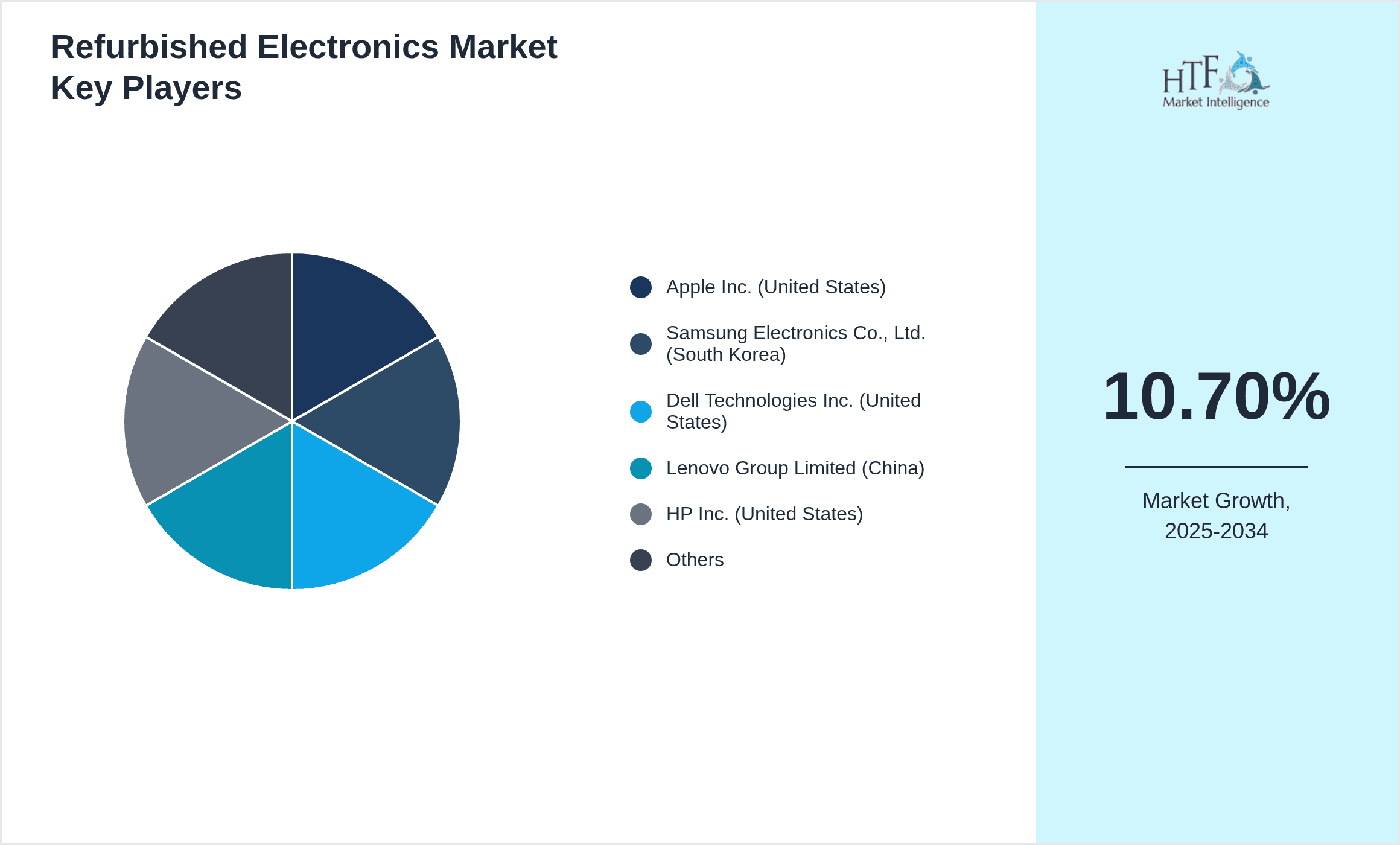
- •Apple Inc. (United States)
- •Samsung Electronics Co., Ltd. (South Korea)
- •Dell Technologies Inc. (United States)
- •Lenovo Group Limited (China)
- •HP Inc. (United States)
- •Asurion LLC (United States)
- •Brightstar Corp. (United States)
- •Gazelle Inc. (United States)
- •MobiWorld Group (India)
- •ReNew IT Solutions (India)
- •Flex IT Rent (India)
- •Yaantra (India)
- •Remade in Japan (Japan)
- •CyberMart (China)
- •Green Electronics Enterprise (China)
- •Reboot (Australia)
- •ReCellular Asia (Singapore)
- •QuickFix Electronics (South Korea)
- •EcoTech Refurbishers (Malaysia)
- •RenewTech Solutions (Thailand)
- •SecondChance Devices (Vietnam)
- •Reboot Earth (New Zealand)
- •Circular Electronics Asia (Indonesia)
- •TechRevive (Philippines)
- •SmartFix Solutions (Taiwan)
Market Breakdown
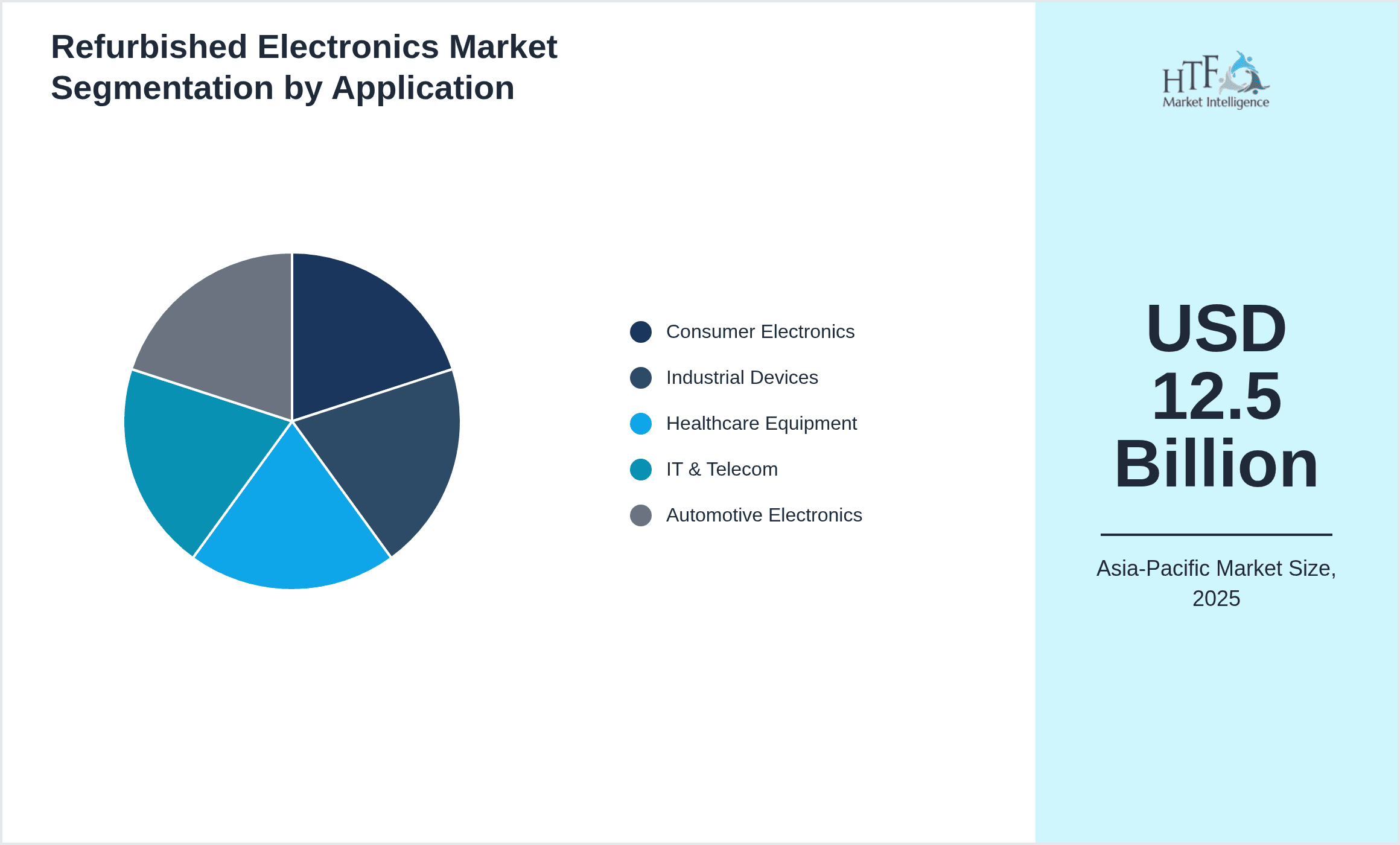
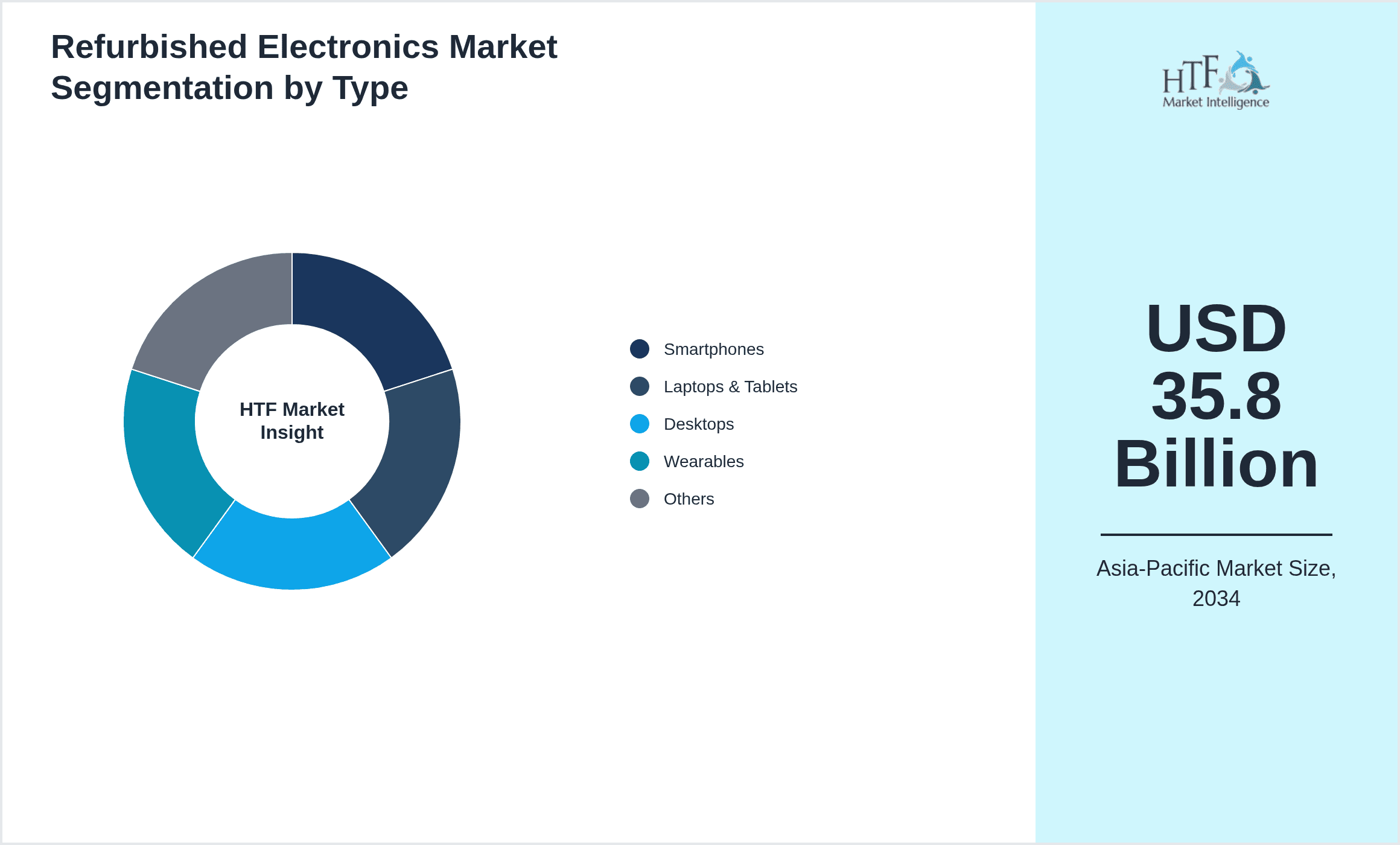
- •By Type
- ◦Smartphones
- ◦Laptops & Tablets
- ◦Desktops
- ◦Wearables
- ◦Others
- •By Application
- ◦Consumer Electronics
- ◦Industrial Devices
- ◦Healthcare Equipment
- ◦IT & Telecom
- ◦Automotive Electronics
- •By Distribution Channel
- ◦Online Marketplaces
- ◦Retail Stores
- ◦Direct Sales
- ◦Third-Party Resellers
- •By Refurbishment Process
- ◦Repair & Replacement
- ◦Testing & Quality Assurance
- ◦Software Upgrades
- ◦Cosmetic Restoration
Growth Dynamics
- •Increasing environmental awareness across Asia-Pacific is a significant growth driver, encouraging consumers and businesses to opt for refurbished electronics to reduce e-waste and carbon footprint. Government regulations supporting circular economy models have further propelled market expansion by incentivizing refurbishment and recycling initiatives.
- •Rising smartphone penetration and the high cost of new devices in emerging economies like India and Southeast Asia stimulate demand for affordable refurbished alternatives. This price sensitivity drives rapid adoption among middle-income consumers seeking quality devices at reduced prices.
- •Advancements in refurbishment technology, including improved diagnostic tools and standardized testing, enhance device reliability and consumer confidence. Companies investing in quality assurance gain competitive advantage, fueling market growth through repeat purchases and extended warranties.
- •The expansion of e-commerce platforms specializing in refurbished electronics has transformed market accessibility, enabling wider reach and convenience for consumers. Online channels facilitate transparency, customer reviews, and flexible return policies, contributing to increased sales volumes.
- •Collaborations between OEMs and refurbishment specialists foster innovation and supply chain optimization. These partnerships enable certified refurbishment programs, ensuring device quality and extending product lifecycle, thereby driving market credibility and growth.
- •Increasing corporate adoption of refurbished IT and telecom equipment for cost savings and sustainability goals further accelerates market demand. Large enterprises and SMEs prioritize refurbished devices to optimize operational expenses without compromising performance.
- •Government-led e-waste management programs and stricter disposal regulations in countries such as China, Japan, and South Korea create a favorable regulatory environment encouraging refurbishment and reuse of electronics.
Market Trends
- •A notable trend is the integration of AI and IoT technologies in refurbishment processes, enabling predictive maintenance and enhanced quality control. This technological adoption improves efficiency and reduces turnaround time for refurbished electronics.
- •Rising consumer preference for sustainable and eco-friendly products has elevated refurbished electronics as a mainstream choice, supported by increased awareness campaigns and certifications assuring device quality and environmental benefits.
- •Companies are increasingly offering longer warranties and buy-back programs for refurbished devices to build trust and reduce perceived risk among buyers, leading to higher market acceptance and repeat purchases.
- •The emergence of subscription and leasing models for refurbished electronics is reshaping consumption patterns, allowing consumers and businesses to access devices with flexible payment options and upgrade paths.
- •Cross-border trade of refurbished electronics within Asia-Pacific is expanding due to harmonized regulations and growing demand in developing markets, fostering regional supply chain integration.
- •Sustainability reporting and ESG (Environmental, Social, Governance) commitments by major corporations are driving investments into refurbishment ventures and circular economy initiatives within the electronics sector.
- •Social media and influencer marketing campaigns focused on refurbished electronics are increasing consumer engagement and reshaping perceptions towards quality and value of second-hand devices.
Market Opportunities
- •Untapped rural and semi-urban markets in countries like India and Indonesia present significant growth opportunities due to rising digitalization and affordability concerns, where refurbished electronics can bridge access gaps.
- •Expanding certified refurbishment programs by OEMs can enhance consumer confidence and market penetration, particularly in high-value segments like healthcare and automotive electronics.
- •Integration of blockchain technology for transparent refurbishment tracking and warranty management offers potential to build trust and streamline operations across the supply chain.
- •Growing demand for eco-friendly and energy-efficient refurbished wearables opens avenues for product development and targeted marketing in fitness and healthcare segments.
- •Collaborations with telecom operators to offer bundled refurbished devices with connectivity plans can stimulate demand and expand customer base.
- •Increasing investments in refurbishment infrastructure and skilled workforce training can improve service quality and scalability, enabling new market entrants to compete effectively.
- •Government incentives and subsidies for e-waste recycling and refurbishment startups can reduce operational costs and accelerate innovation adoption in the sector.
Market Challenges
- •Lack of standardized quality benchmarks across Asia-Pacific creates consumer skepticism regarding refurbished electronics reliability, hindering widespread adoption despite growing demand.
- •Complex regulatory environments with varying e-waste and import-export rules across countries increase compliance costs and operational uncertainties for market players.
- •Limited availability of skilled technicians and advanced refurbishment facilities restricts capacity expansion, particularly in emerging markets within the region.
- •High competition from grey market and counterfeit refurbished products undermines brand trust and poses significant risks to legitimate refurbishers and consumers alike.
- •Consumer perception challenges persist, where refurbished electronics are often incorrectly associated with inferior performance or outdated technology, impacting sales growth.
- •Logistics and reverse supply chain inefficiencies increase turnaround times and costs, especially for cross-border refurbishment operations across Asia-Pacific countries.
- •Warranty management and after-sales service inconsistencies reduce customer satisfaction and repeat purchase rates, posing hurdles for market expansion.
Regulatory Framework
- •Between 2019 and 2024, multiple Asia-Pacific countries enacted stringent e-waste regulations mandating proper disposal and refurbishment practices to minimize environmental impact. For example, China implemented the 'Extended Producer Responsibility' framework in 2021, requiring manufacturers to take accountability for electronic waste management.
- •India's e-waste management rules were updated in 2022 to include clear guidelines for refurbishment and resale of used electronics, emphasizing certification and compliance to ensure safety and quality.
- •Japan introduced safety and quality standards for refurbished electronics in 2023, establishing certification processes to protect consumers and promote sustainable reuse of devices.
- •South Korea enforced regulations in 2020 focusing on banning the import of substandard used electronics and strengthening customs inspections to curb illegal trade in refurbished products.
- •Across Southeast Asia, regional cooperation agreements since 2019 have harmonized e-waste policies to facilitate cross-border refurbishment and recycling while supporting circular economy initiatives.
Market Intelligence
- •15th January 2025, Apple Inc. launched an expanded certified refurbished program in Asia-Pacific, introducing enhanced quality control protocols and extended warranty offerings tailored to regional consumers. This initiative aims to boost consumer trust and accessibility of refurbished Apple devices, supporting sustainability goals and expanding market presence in key countries such as China, India, and Japan. The program includes partnerships with local refurbishers and online marketplace integration to streamline distribution and service support.
- •22nd July 2024, Lenovo Group Limited announced the launch of an AI-powered refurbishment diagnostic platform across its Asia-Pacific service centers. This innovative platform accelerates testing and repair processes, improving accuracy and turnaround time for refurbished laptops and tablets. By leveraging machine learning algorithms, Lenovo enhances device quality assurance and operational efficiency, strengthening its competitive position in the refurbished electronics market.
- •3rd March 2025, Samsung Electronics Co., Ltd. completed a strategic partnership with ReNew IT Solutions in India to establish a large-scale refurbishment and recycling hub. This collaboration targets the growing Indian market with affordable refurbished smartphones and consumer electronics while supporting circular economy objectives. The partnership combines Samsung’s technology expertise with ReNew IT’s regional refurbishment capabilities to enhance supply chain resilience and sustainability.
- •29th November 2024, Dell Technologies Inc. expanded its refurbished electronics offerings in Southeast Asia by launching an e-commerce platform dedicated to certified pre-owned devices. This digital platform provides consumers with transparent product information, flexible financing options, and warranty services, aiming to increase refurbished electronics adoption in emerging markets. Dell’s initiative reflects growing corporate commitment to sustainability and circular economy principles across Asia-Pacific.
- •Source: Official company press releases and industry publications
Regional Outlook
The China currently holds a significant share of the market, primarily due to several key factors: increasing consumption rates, a burgeoning population, and robust economic momentum. These elements collectively drive demand, positioning this region as a leader in the market. On the other hand, India is rapidly emerging as the fastest-growing area within the industry. This remarkable growth can be attributed to swift infrastructure development, the expansion of various industrial sectors, and a marked increase in consumer demand. These dynamics make this region a crucial player in shaping future market growth.
In our report, we cover a comprehensive analysis of the following regions and countries:
- Japan
- China
- Southeast Asia
- India
- Australia
- South Korea
- Others
| Feature | Details |
|---|---|
| Base Year Market Size | USD 12.5 Billion |
| Forecast Year Market Size | USD 35.8 Billion |
| CAGR | 10.7% |
| Forecast Period | 2026 to 2033 |
| YoY Growth | 10.2% |
| Scope of Report | Market is segmented by Type (Smartphones, Laptops & Tablets, Desktops, Wearables, Others), Application (Consumer Electronics, Industrial Devices, Healthcare Equipment, IT & Telecom, Automotive Electronics), Distribution Channel (Online Marketplaces, Retail Stores, Direct Sales, Third-Party Resellers), Refurbishment Process (Repair & Replacement, Testing & Quality Assurance, Software Upgrades, Cosmetic Restoration) |
| Regions Covered | Japan, China, Southeast Asia, India, Australia, South Korea, Others |
| Key Companies | Apple Inc. (United States), Samsung Electronics Co., Ltd. (South Korea), Dell Technologies Inc. (United States), Lenovo Group Limited (China), HP Inc. (United States) |
Asia-Pacific Refurbished Electronics Market Scope & Changing Dynamics 2024-2034 - Table of Contents
Frequently Asked Questions (FAQ):
The Compact Track Loaders market is expected to see value worth 5.3 Billion in 2025.
North America currently leads the market with approximately 45% market share, followed by Europe at 28% and Asia-Pacific at 22%. The remaining regions account for 5% of the global market.
Key growth drivers include increasing construction activities, rising demand for versatile equipment in agriculture, technological advancements in track loader design, and growing preference for compact equipment in urban construction projects.