
China Nalmefene Hydrochloride Injection Market Size, Growth & Revenue 2025-2034
China Nalmefene Hydrochloride Injection Market is segmented by Type (Generic Nalmefene Hydrochloride Injection, Branded Nalmefene Hydrochloride Injection), Application (Alcohol Dependence Treatment, Opioid Overdose, Behavioral Therapy Adjunct, Psychiatric Clinics, Rehabilitation Centers), Dosage Strength (Low Dose (5mg), Medium Dose (10mg), High Dose (20mg)), Distribution Channel (Hospital Pharmacy, Retail Pharmacy, Online Pharmacy), and Geography (North China, Northeast China, East China, South Central China, Southwest China, Northwest China)
Pricing
Report Overview
Executive Summary
- •The China Nalmefene Hydrochloride Injection market represents a specialized pharmaceutical sector focused on injectable formulations of Nalmefene hydrochloride, an opioid receptor antagonist primarily targeting alcohol dependence and opioid overdose treatments. This market encompasses the development, manufacturing, and clinical deployment of branded and generic Nalmefene injections across diverse healthcare settings including psychiatric clinics, rehabilitation centers, and hospitals. The market’s scope extends to the integration of advanced drug delivery technologies and adherence to stringent regulatory frameworks governing pharmaceutical products in China. Rapid urbanization, increasing alcohol consumption, and rising prevalence of opioid abuse have intensified the demand for effective addiction treatment options, positioning Nalmefene Hydrochloride Injection as a critical therapeutic solution. Expanding healthcare infrastructure and government initiatives supporting mental health awareness and substance abuse management further enhance market growth. The importance of this market is underscored by its potential to significantly reduce socio-economic burdens associated with addiction disorders, improve patient outcomes, and foster innovation in pharmaceutical therapies within China’s dynamic healthcare ecosystem.
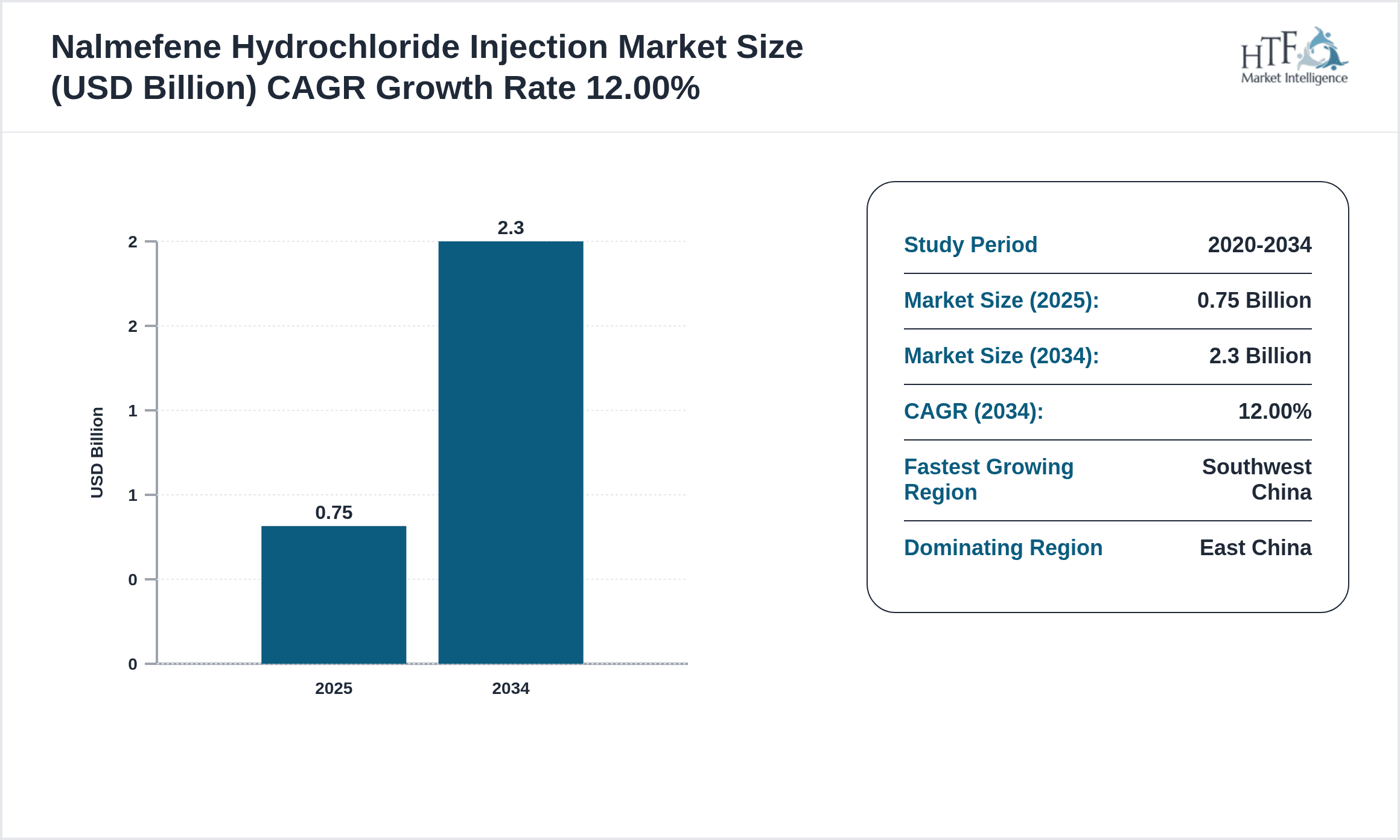
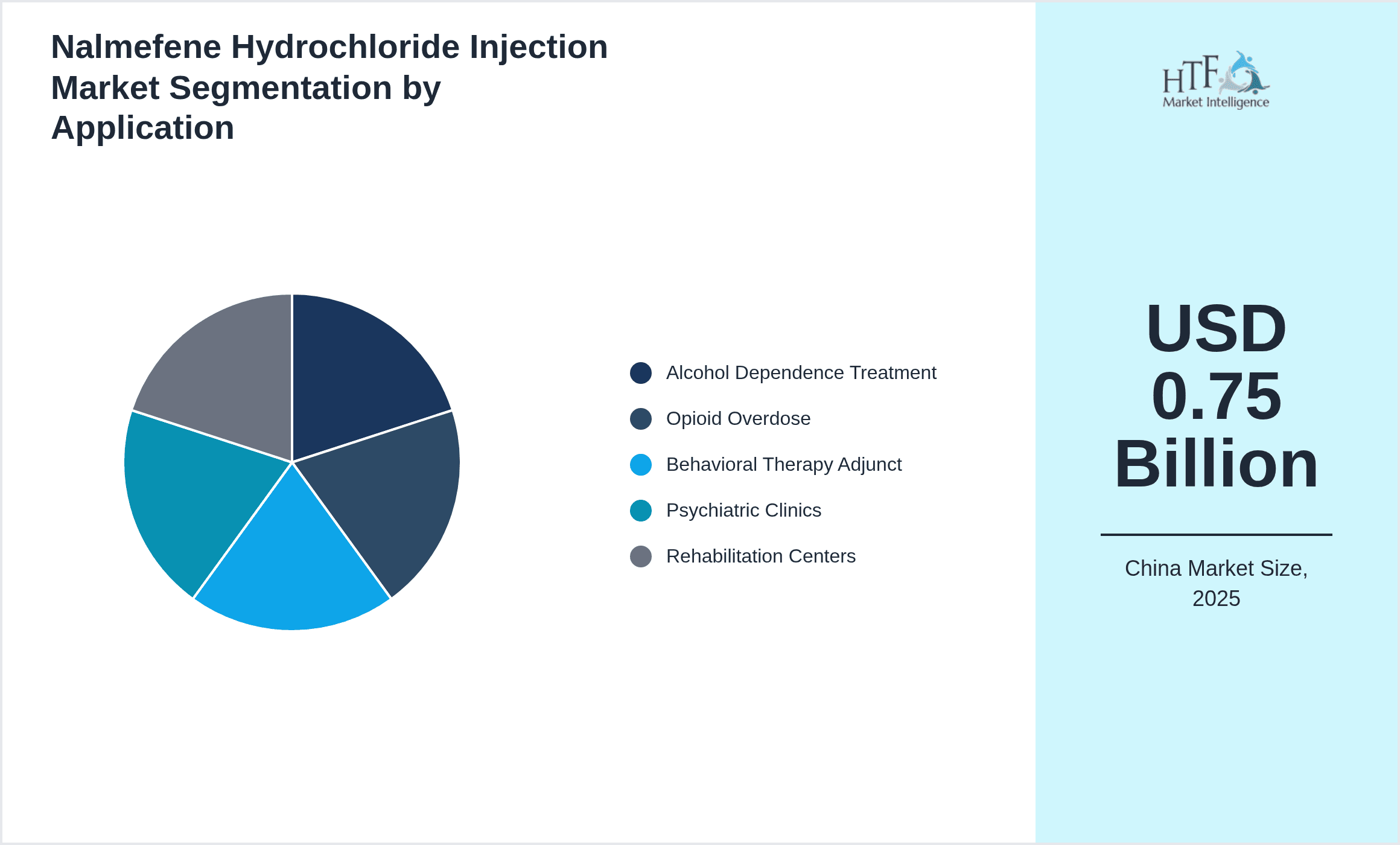
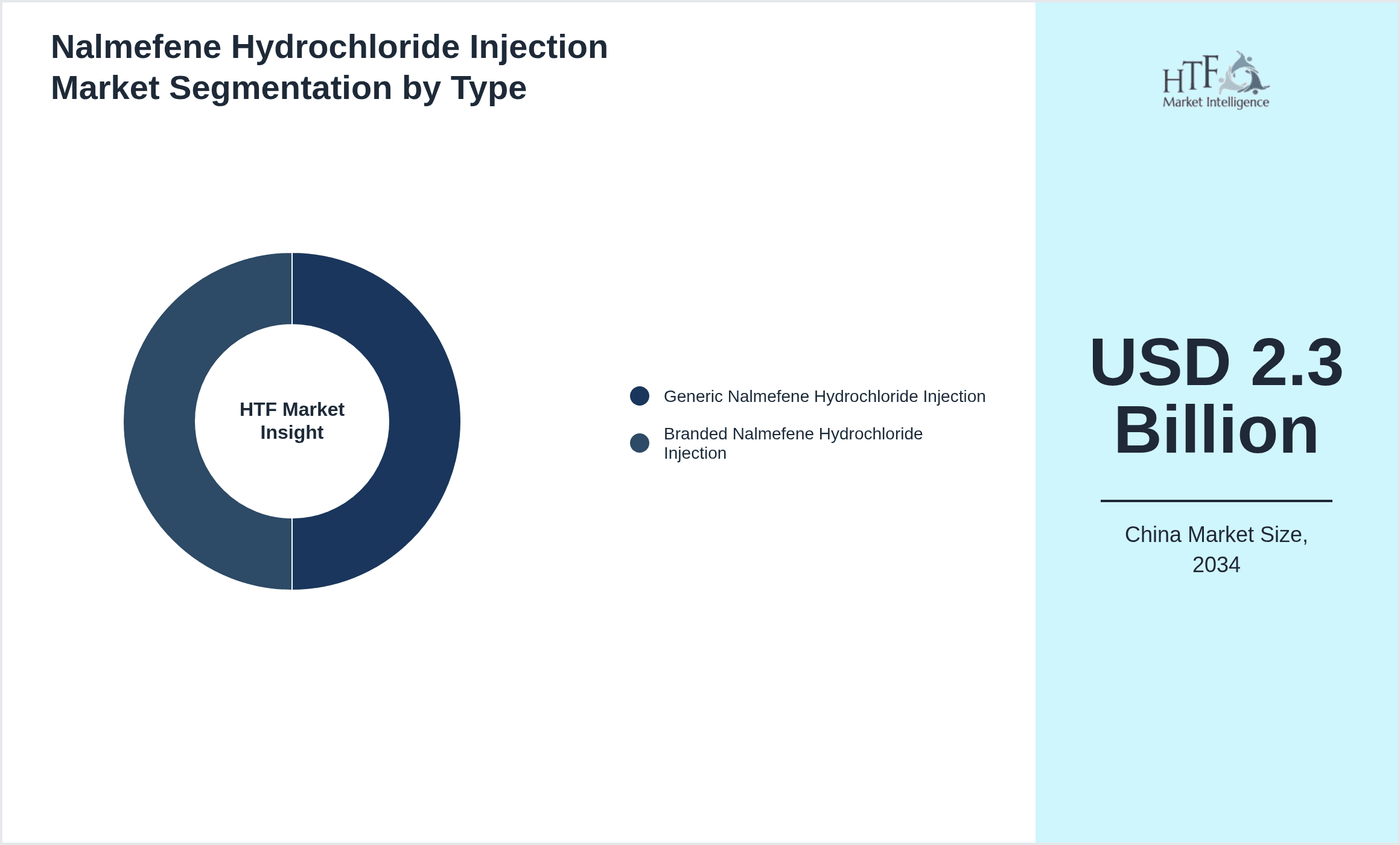
- •Key highlights include a base market size of USD 0.75 Billion in 2025 growing to an estimated USD 2.3 Billion by 2034, driven by a robust CAGR of 12.0%. East China dominates the regional landscape with a 34% market share and a CAGR of 11.2%, while Southwest China exhibits the fastest growth at 15.3% CAGR. The market is primarily segmented into branded and generic Nalmefene injections, with branded products currently leading due to established trust and regulatory approvals, though generics are rapidly gaining traction due to cost-effectiveness. Applications span alcohol dependence treatment, opioid overdose management, behavioral therapy adjuncts, psychiatric clinics, and rehabilitation centers. The sector’s growth is propelled by rising addiction rates, government health programs, and increasing clinical adoption, with challenges including regulatory complexities and supply chain constraints. Strategic collaborations and technological advancements are anticipated to further stimulate market expansion and diversify treatment modalities within China.
- •This market offers significant value propositions to pharmaceutical manufacturers, healthcare providers, and policymakers by addressing critical public health needs related to addiction management. Nalmefene Hydrochloride Injection serves as a vital therapeutic intervention, improving patient adherence and clinical outcomes due to its efficacy and injectable delivery. For pharmaceutical companies, the market presents growth opportunities through product innovation, generic drug introduction, and regional expansion within China’s heterogeneous healthcare landscape. Healthcare stakeholders benefit from enhanced treatment protocols and reduced relapse rates, while government agencies leverage the market’s expansion to fulfill public health objectives under national addiction control programs. The strategic importance of this market is reflected in its capacity to reduce addiction-related morbidity and mortality, alleviate healthcare system burdens, and promote sustainable growth in China’s biopharmaceutical segment.
Competitive Landscape
The China Nalmefene Hydrochloride Injection market exhibits a competitive environment characterized by strategic partnerships, innovation-driven product development, and regional market penetration approaches. Leading pharmaceutical companies adopt advanced formulation technologies to enhance drug efficacy and optimize delivery mechanisms, thereby differentiating their product portfolios. Companies pursue collaborations with local healthcare providers and research institutions to accelerate clinical trials and regulatory approvals, facilitating faster market access. Global expansion strategies include licensing agreements and joint ventures to leverage China’s growing addiction treatment demand. Investments in supply chain optimization and localized manufacturing reduce operational costs and improve product availability across key regional zones, such as East China and Southwest China. Competitive strategies also focus on pricing models balancing affordability and profitability amid increasing generic entries. Technological adoption, including digital health integration for treatment adherence monitoring, further strengthens market presence. Anticipated future trends involve personalized medicine approaches and expanded therapeutic indications, sustaining industry growth amid evolving regulatory landscapes and heightened competition.
Leading Companies in Nalmefene Hydrochloride Injection Market
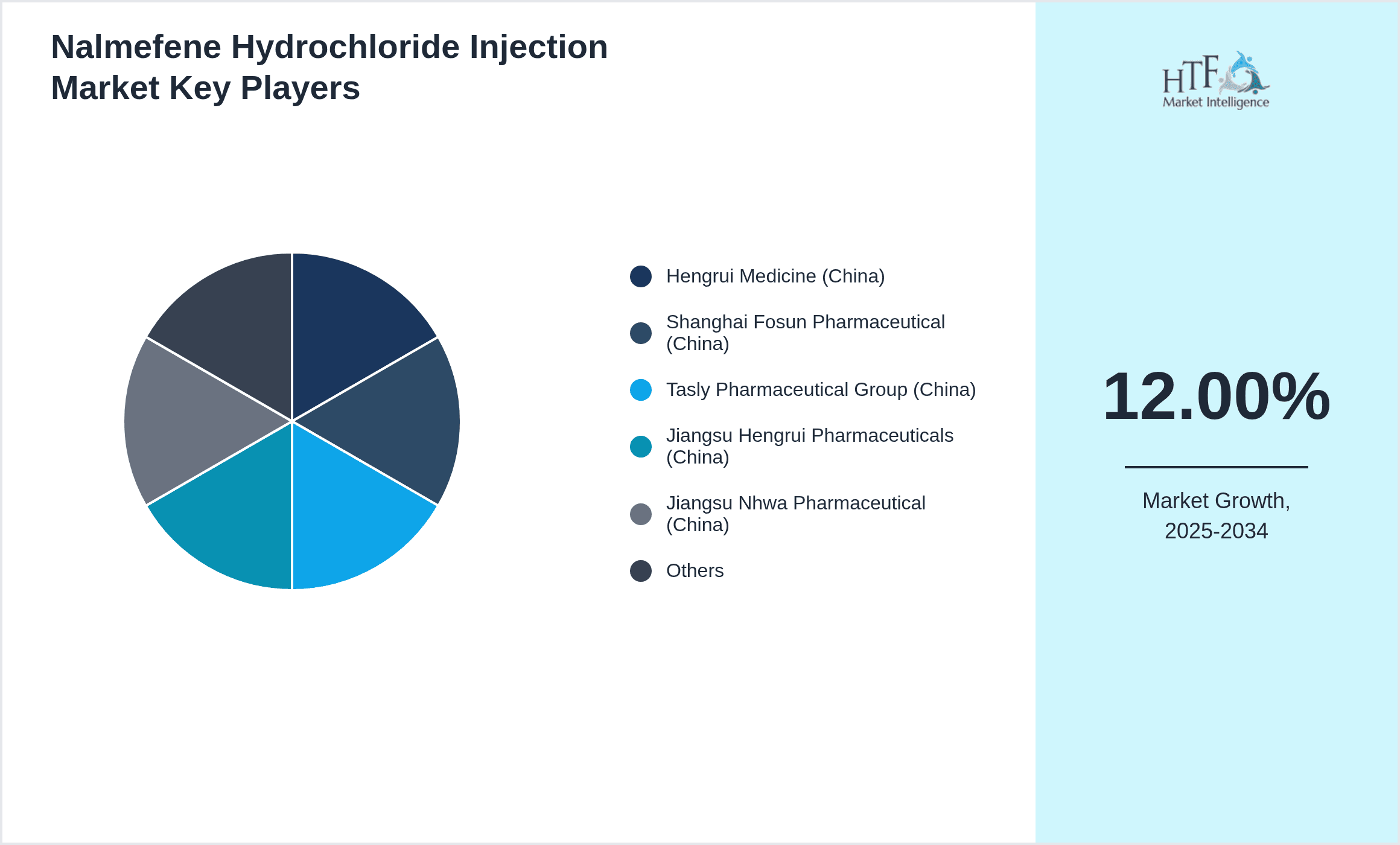
- •Hengrui Medicine (China)
- •Shanghai Fosun Pharmaceutical (China)
- •Tasly Pharmaceutical Group (China)
- •Jiangsu Hengrui Pharmaceuticals (China)
- •Jiangsu Nhwa Pharmaceutical (China)
- •Sino Biopharmaceutical Limited (China)
- •Zhejiang Hisun Pharmaceutical (China)
- •China National Pharmaceutical Group (Sinopharm) (China)
- •Beijing SL Pharmaceutical (China)
- •CSPC Pharmaceutical Group (China)
- •Ipsen (France)
- •Mundipharma (United Kingdom)
- •Indivior PLC (United Kingdom)
- •Alkermes plc (United States)
- •Mitsubishi Tanabe Pharma Corporation (Japan)
- •Helsinn Healthcare SA (Switzerland)
- •Lundbeck A/S (Denmark)
- •Chengdu Kanghong Pharmaceutical Group (China)
- •Tianjin Tasly Pharmaceutical (China)
- •Shandong Xinhua Pharmaceutical Company (China)
Market Breakdown
- •By Type
- ◦Generic Nalmefene Hydrochloride Injection
- ◦Branded Nalmefene Hydrochloride Injection
- •By Application
- ◦Alcohol Dependence Treatment
- ◦Opioid Overdose
- ◦Behavioral Therapy Adjunct
- ◦Psychiatric Clinics
- ◦Rehabilitation Centers
- •By Dosage Strength
- ◦Low Dose (5mg)
- ◦Medium Dose (10mg)
- ◦High Dose (20mg)
- •By Distribution Channel
- ◦Hospital Pharmacy
- ◦Retail Pharmacy
- ◦Online Pharmacy
Growth Dynamics
Increasing prevalence of alcohol dependence and opioid abuse in China drives sustained demand for effective treatment options. Rising social awareness and destigmatization of addiction encourage patients to seek medical intervention, expanding the target population for Nalmefene Hydrochloride Injection. The Chinese government’s enhanced focus on mental health and addiction control through policy frameworks and healthcare funding amplifies market growth. Recent expansion of healthcare infrastructure, particularly in East and Southwest China, facilitates better drug accessibility. Pharmaceutical companies have accelerated the development and approval of generic Nalmefene formulations, improving affordability and broadening patient reach. For instance, Shanghai Fosun Pharmaceutical recently advanced clinical trials to optimize injection protocols, exemplifying industry commitment. Additionally, integration of Nalmefene treatment in multidisciplinary rehabilitation programs boosts clinical adoption rates. These factors collectively underpin robust market expansion, presenting lucrative opportunities for pharmaceutical manufacturers and healthcare providers within China’s evolving treatment landscape.
Market Trends
Emerging trends in the China Nalmefene Hydrochloride Injection market include increased adoption of generic formulations amid cost containment efforts, with companies like Jiangsu Nhwa Pharmaceutical launching competitively priced products to capture market share. Integration of digital health technologies enhances patient adherence tracking and treatment customization, reflecting broader digital transformation in healthcare. Expansion of outpatient addiction treatment services and community-based rehabilitation centers drives decentralized drug distribution models. Strategic collaborations between domestic manufacturers and global pharmaceutical firms facilitate technology transfer and clinical research, accelerating innovation. The market also witnesses growing interest in combination therapies involving Nalmefene and behavioral interventions, improving treatment efficacy. Furthermore, regional government initiatives in Southwest China promote addiction awareness and subsidize medications, fostering market penetration in previously underserved areas. These trends indicate a shift towards patient-centric, cost-effective, and technologically advanced treatment paradigms shaping the future market trajectory.
Market Opportunities
China’s expanding healthcare expenditure and increasing government support create significant opportunities for Nalmefene Hydrochloride Injection market growth. The rising burden of alcohol and opioid-related disorders presents an unmet medical need that pharmaceutical companies can address through innovative product development and expanded distribution networks. Opportunities exist in developing novel formulations with improved pharmacokinetics and patient compliance, including sustained-release injectable variants. Expansion into emerging regional zones such as Southwest China, with its rapid urbanization and growing healthcare infrastructure, offers untapped potential. Collaborations with psychiatric and rehabilitation centers to integrate Nalmefene treatment within comprehensive care programs enhance market adoption. Additionally, growing acceptance of generic drugs opens avenues for cost-effective market entry and penetration. Pharmaceutical companies investing in patient education and digital adherence tools can further capitalize on increasing treatment demand, solidifying their market position amid evolving healthcare policies favoring addiction management.
Market Challenges
Strict regulatory requirements and lengthy approval processes pose significant challenges to market entry and product launch timelines in China. Complex clinical trial protocols and safety standards increase development costs and delay product availability. Supply chain disruptions, particularly amid recent global health crises, have constrained raw material procurement and manufacturing capacities. Pricing pressures due to government drug reimbursement policies and growing generic competition affect profit margins for branded products. Additionally, social stigma and limited awareness in rural regions hamper patient access and treatment adherence. For example, some manufacturers have reported difficulties expanding into Northwest China due to low healthcare infrastructure and patient outreach. Intellectual property protection concerns also complicate innovation incentives for multinational companies. These challenges require strategic mitigation through regulatory navigation, investment in supply chain resilience, and comprehensive stakeholder engagement to sustain market growth.
Regulatory Framework
China’s pharmaceutical regulatory landscape has evolved significantly over the past five years to streamline approval processes and enhance drug safety standards. The National Medical Products Administration introduced accelerated review pathways for drugs targeting critical public health issues, including addiction treatment, facilitating faster Nalmefene injection approvals. Mandatory Good Manufacturing Practice compliance ensures quality assurance across production facilities. The implementation of the National Reimbursement Drug List expansion has improved patient access to essential medications like Nalmefene. Recent regulations emphasize pharmacovigilance and post-market surveillance to monitor adverse events and ensure therapeutic efficacy. Additionally, policies promoting generic drug development encourage cost reduction and wider availability. These regulatory advancements collectively support market growth while maintaining stringent safety and efficacy standards critical for pharmaceutical innovation and public health protection in China.
Market Intelligence
Recent market developments and strategic initiatives are continuously tracked through industry publications, company announcements, and regulatory filings. For the most current information, stakeholders are advised to monitor official corporate communications and recognized market intelligence platforms.
Regional Outlook
The East China currently holds a significant share of the market, primarily due to several key factors: increasing consumption rates, a burgeoning population, and robust economic momentum. These elements collectively drive demand, positioning this region as a leader in the market. On the other hand, Southwest China is rapidly emerging as the fastest-growing area within the industry. This remarkable growth can be attributed to swift infrastructure development, the expansion of various industrial sectors, and a marked increase in consumer demand. These dynamics make this region a crucial player in shaping future market growth.
In our report, we cover a comprehensive analysis of the following regions and countries:
- North China
- Northeast China
- East China
- South Central China
- Southwest China
- Northwest China
| Feature | Details |
|---|---|
| Base Year Market Size | USD 0.75 Billion |
| Forecast Year Market Size | USD 2.3 Billion |
| CAGR | 12% |
| Forecast Period | 2026 to 2033 |
| YoY Growth | 12.1% |
| Scope of Report | Market is segmented by Type (Generic Nalmefene Hydrochloride Injection, Branded Nalmefene Hydrochloride Injection), Application (Alcohol Dependence Treatment, Opioid Overdose, Behavioral Therapy Adjunct, Psychiatric Clinics, Rehabilitation Centers), Dosage Strength (Low Dose (5mg), Medium Dose (10mg), High Dose (20mg)), Distribution Channel (Hospital Pharmacy, Retail Pharmacy, Online Pharmacy) |
| Regions Covered | North China, Northeast China, East China, South Central China, Southwest China, Northwest China |
| Key Companies | Hengrui Medicine (China), Shanghai Fosun Pharmaceutical (China), Tasly Pharmaceutical Group (China), Jiangsu Hengrui Pharmaceuticals (China), Jiangsu Nhwa Pharmaceutical (China), Sino Biopharmaceutical Limited (China), Zhejiang Hisun Pharmaceutical (China), China National Pharmaceutical Group (Sinopharm) (China), Beijing SL Pharmaceutical (China), CSPC Pharmaceutical Group (China), Ipsen (France), Mundipharma (United Kingdom), Indivior PLC (United Kingdom), Alkermes plc (United States), Mitsubishi Tanabe Pharma Corporation (Japan), Helsinn Healthcare SA (Switzerland), Lundbeck A/S (Denmark), Chengdu Kanghong Pharmaceutical Group (China), Tianjin Tasly Pharmaceutical (China), Shandong Xinhua Pharmaceutical Company (China) |
China Nalmefene Hydrochloride Injection Market Size, Growth & Revenue 2025-2034 - Table of Contents
Frequently Asked Questions (FAQ):
The Compact Track Loaders market is projected to grow at a CAGR of 6.8% from 2025 to 2030, driven by increasing demand in construction and agricultural sectors.
North America currently leads the market with approximately 45% market share, followed by Europe at 28% and Asia-Pacific at 22%. The remaining regions account for 5% of the global market.
Key growth drivers include increasing construction activities, rising demand for versatile equipment in agriculture, technological advancements in track loader design, and growing preference for compact equipment in urban construction projects.