
Global Compression Knee Sleeve Market Size, Growth & Revenue 2024-2034
Global Compression Knee Sleeve Market is segmented by Type (Neoprene Compression Knee Sleeves, Nylon Compression Knee Sleeves, Spandex Compression Knee Sleeves, Polyester Compression Knee Sleeves, Other Material Compression Knee Sleeves), Application (Sports & Athletics, Medical & Rehabilitation, Daily Wear, Occupational Use, Elderly Care), Distribution Channel (Retail Stores, Online Platforms, Medical Supply Stores, Specialty Sports Outlets), End User (Professional Athletes, Rehabilitation Patients, Casual Sports Enthusiasts, Elderly Individuals), and Geography (North America, LATAM, West Europe, Central & Eastern Europe, Northern Europe, Southern Europe, East Asia, Southeast Asia, South Asia, Central Asia, Oceania, MEA)
Pricing
Report Overview
Executive Summary
- •The Global Compression Knee Sleeve Market is a dynamic industry focusing on the design, manufacturing, and distribution of knee support sleeves that provide compression and stability to the knee joint. These products serve multiple purposes ranging from enhancing athletic performance to aiding rehabilitation and pain management for medical conditions such as arthritis and ligament injuries. The market’s scope includes various product types distinguished primarily by the materials used—neoprene, nylon, spandex, polyester, and others—each offering different levels of elasticity, durability, and comfort. Applications span sports and athletics, medical rehabilitation, daily wear for injury prevention, occupational use for workers in physically demanding roles, and elderly care for mobility support. Globally, the market is driven by increasing sports participation, aging populations, and rising awareness of joint health. Innovations in fabric technology and ergonomic design continue to propel market growth, expanding the adoption of compression knee sleeves across diverse demographics and regions.
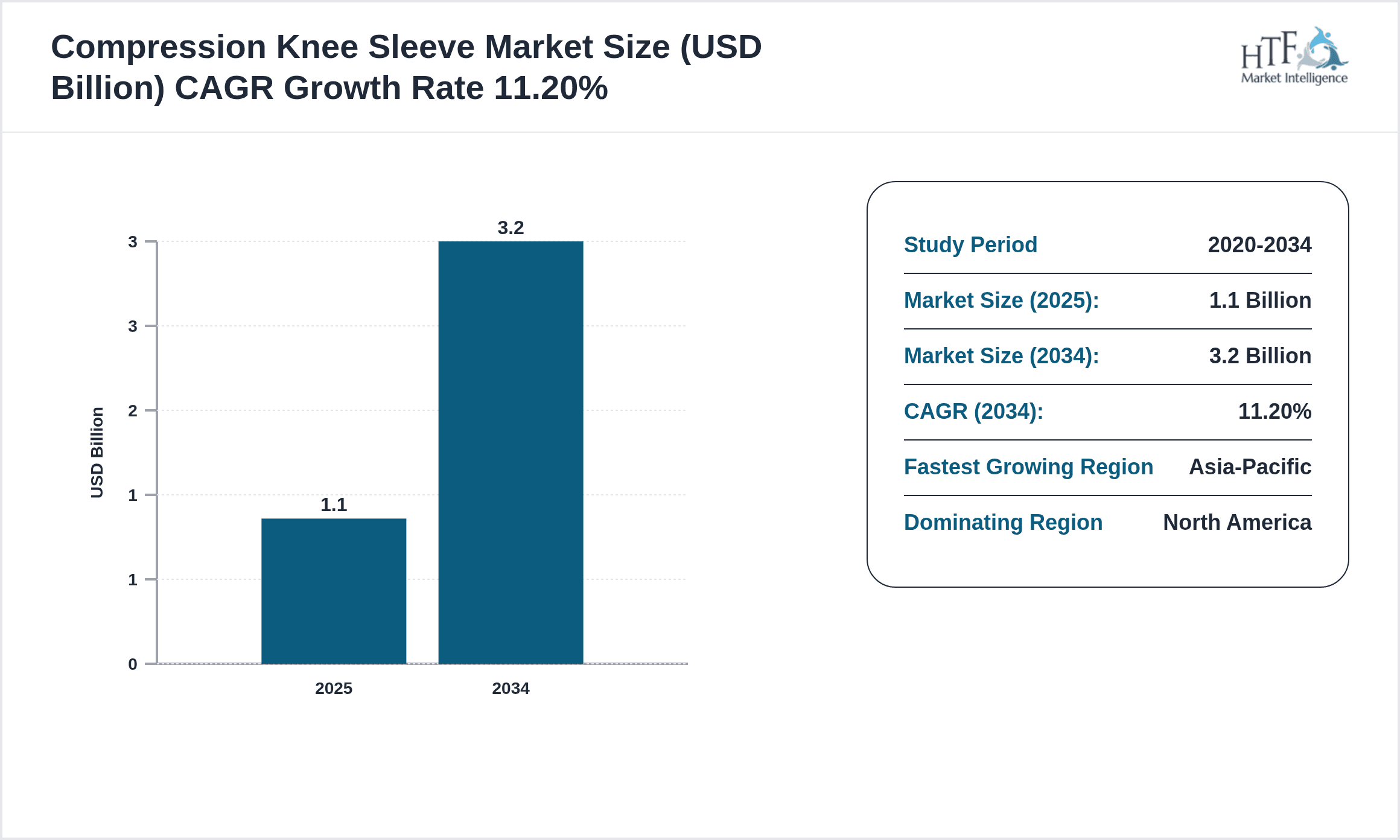
- •Market highlights include a robust CAGR of 11.2% projected from 2024 to 2034, with the market size expected to reach USD 3.2 Billion by 2034 from USD 1.1 Billion in 2024. North America currently dominates the market with a 34% share, attributed to high healthcare expenditure and sports injury prevalence, while Asia-Pacific exhibits the fastest growth at 14.5% CAGR due to rising sports awareness and expanding healthcare infrastructure. Neoprene types lead the product segment owing to their superior compression and durability, closely followed by spandex types which are rapidly gaining traction for their comfort and flexibility. In applications, sports and athletics dominate, supported by increasing participation rates and professional sports requirements, with medical rehabilitation following as a significant segment.
- •The value proposition of compression knee sleeves lies in their ability to provide non-invasive, cost-effective support and injury prevention solutions for consumers and healthcare providers alike. Their strategic importance is evident across sports industries seeking performance enhancement and injury mitigation, healthcare sectors focusing on rehabilitation, and daily users requiring joint support. Manufacturers benefit from technological advancements and expanding demographics, while end users gain from improved mobility, reduced pain, and enhanced recovery. The market’s global reach ensures diverse opportunities for innovation, partnerships, and regional expansion, making compression knee sleeves a vital component of modern orthopaedic and sports medicine markets.
Competitive Landscape
The competitive environment in the Global Compression Knee Sleeve Market is marked by intense rivalry among established sportswear and medical device manufacturers alongside emerging niche players innovating with advanced materials and tailored product offerings. Market leaders focus heavily on research and development to enhance compression technology, improve material breathability and durability, and design ergonomic fits that cater to specific user needs such as athletes or elderly patients. Strategic partnerships with healthcare providers and sports organizations further strengthen competitive positions, while mergers and acquisitions facilitate portfolio expansion and geographic reach. Pricing strategies vary with product quality and brand reputation, with premium offerings commanding higher margins. Distribution channels span retail, online, and clinical outlets, with companies increasingly leveraging digital platforms for consumer engagement. Innovation remains a key competitive lever, with companies investing in smart textiles and customizable compression solutions to differentiate themselves. Market entry barriers include regulatory compliance, brand loyalty, and the need for continuous innovation, shaping a highly dynamic and competitive landscape.
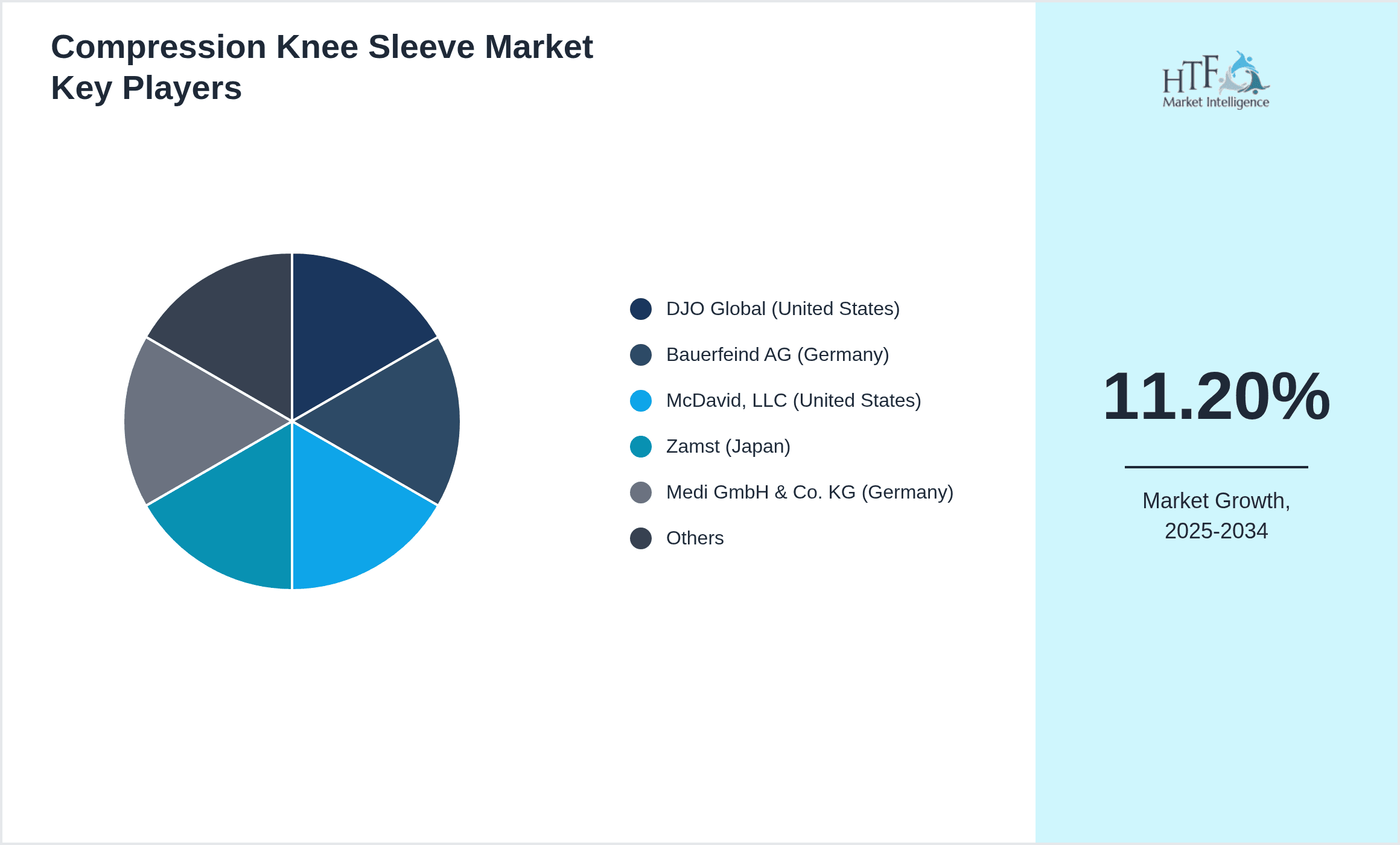
Leading Companies in Compression Knee Sleeve Market
- •DJO Global (United States)
- •Bauerfeind AG (Germany)
- •McDavid, LLC (United States)
- •Zamst (Japan)
- •Medi GmbH & Co. KG (Germany)
- •Copper Compression (United States)
- •CEP (Germany)
- •Shock Doctor (United States)
- •SENTEQ (South Korea)
- •Mueller Sports Medicine (United States)
- •DonJoy (United States)
- •Knee Sleeve Co. (United Kingdom)
- •LP Support (Japan)
- •CEP Compression (Germany)
- •7mm Knee Sleeves (Australia)
- •Nike, Inc. (United States)
- •Adidas AG (Germany)
- •Under Armour, Inc. (United States)
- •SAS Safety Corp. (United States)
- •PhysioRoom (United Kingdom)
- •Cramer Products (United States)
- •Shock Doctor Europe (United Kingdom)
- •Bauerfeind Sports (Germany)
- •Copper Fit (United States)
- •CEP USA (United States)
Market Breakdown
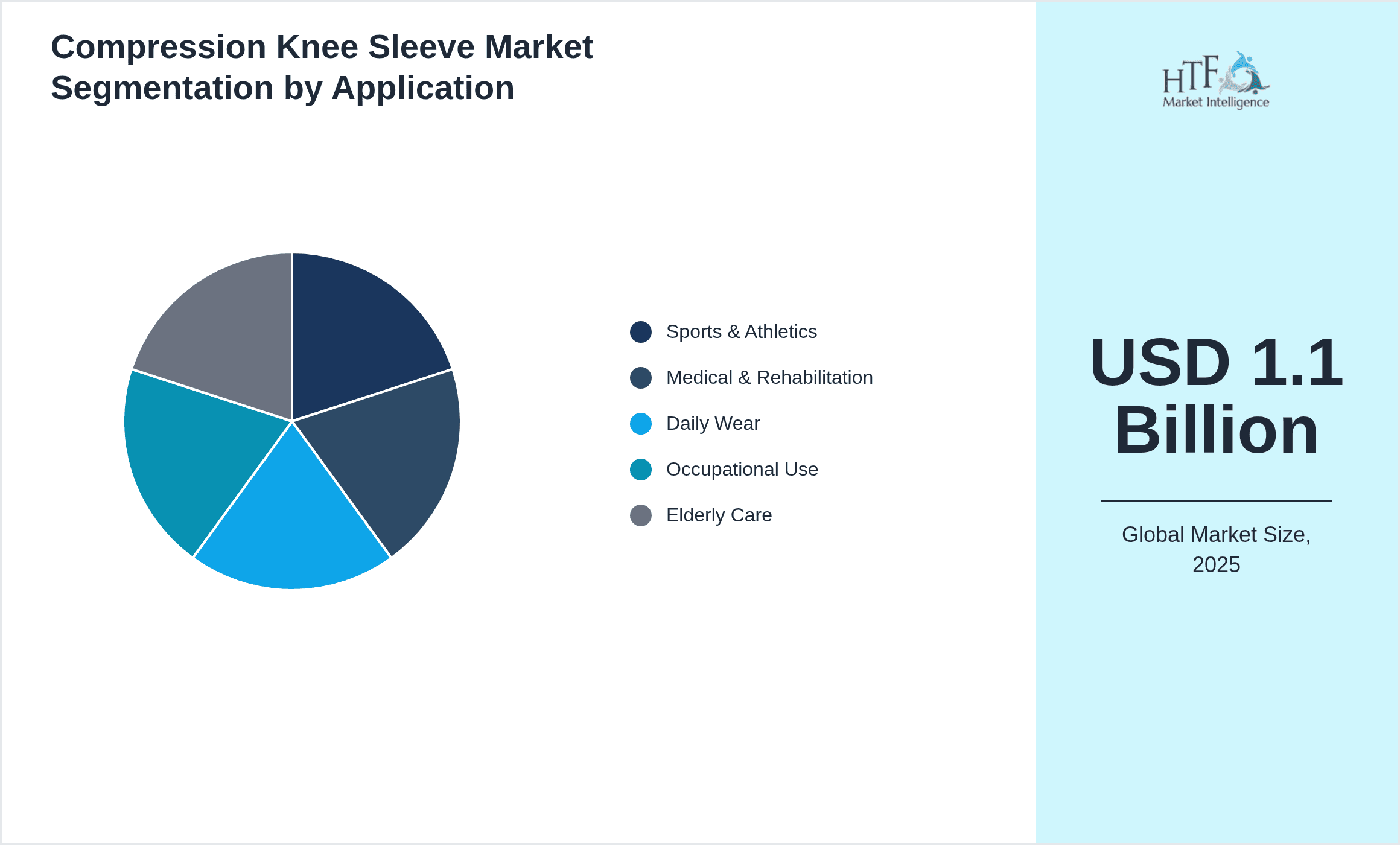
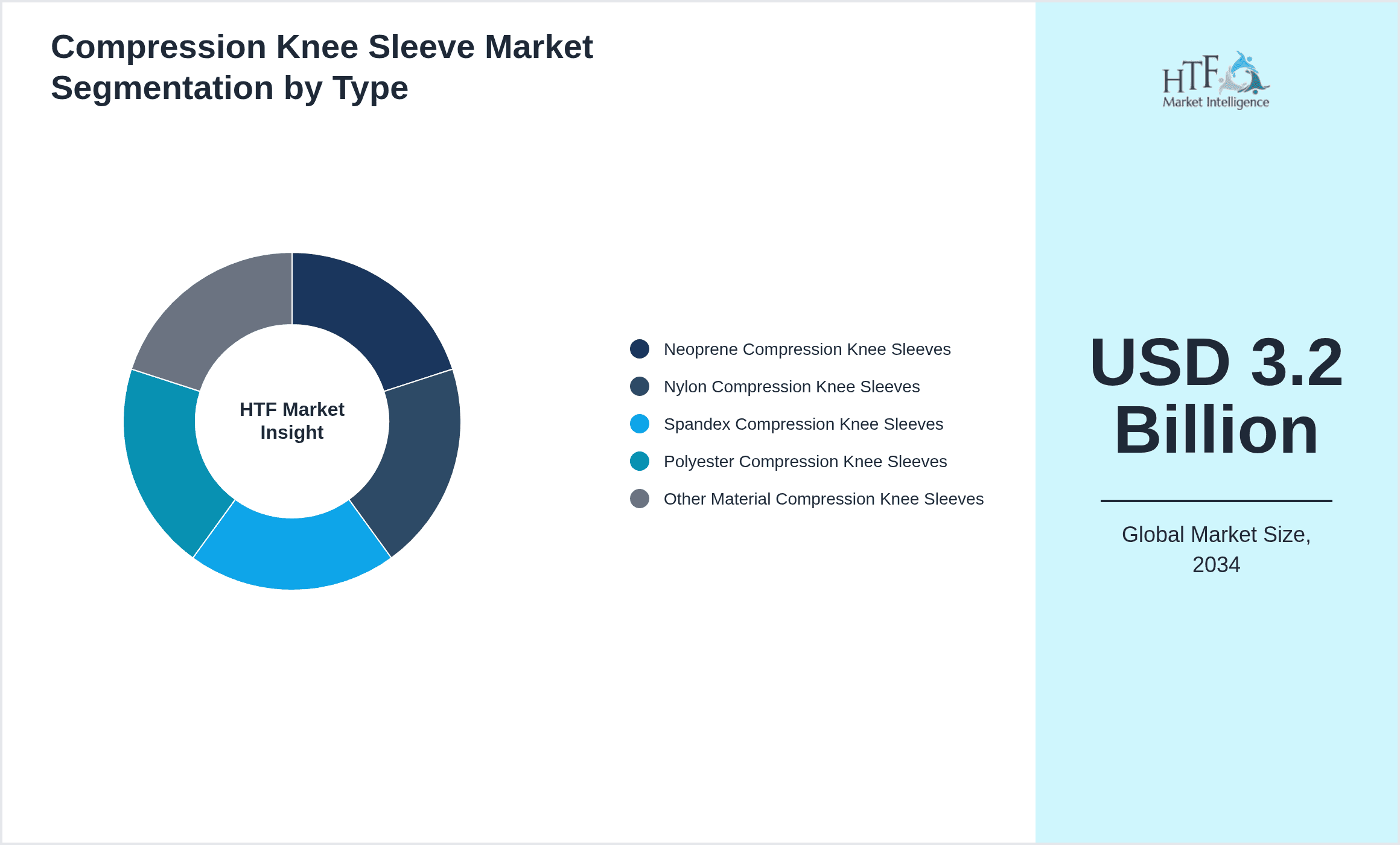
- •By Type
- ◦Neoprene Compression Knee Sleeves
- ◦Nylon Compression Knee Sleeves
- ◦Spandex Compression Knee Sleeves
- ◦Polyester Compression Knee Sleeves
- ◦Other Material Compression Knee Sleeves
- •By Application
- ◦Sports & Athletics
- ◦Medical & Rehabilitation
- ◦Daily Wear
- ◦Occupational Use
- ◦Elderly Care
- •By Distribution Channel
- ◦Retail Stores
- ◦Online Platforms
- ◦Medical Supply Stores
- ◦Specialty Sports Outlets
- •By End User
- ◦Professional Athletes
- ◦Rehabilitation Patients
- ◦Casual Sports Enthusiasts
- ◦Elderly Individuals
Growth Dynamics
- •Rising global participation in sports and fitness activities is a primary growth driver, increasing demand for knee supports that prevent injuries and enhance performance. This trend is particularly evident among young adults and professional athletes seeking reliable protection during high-impact activities.
- •Technological advancements in materials such as breathable neoprene blends and moisture-wicking fabrics have improved user comfort, driving higher adoption rates. Innovations including ergonomic designs and customizable compression levels cater to diverse user needs, enhancing product appeal.
- •An aging global population with increasing incidences of joint-related ailments like osteoarthritis is fueling demand for compression knee sleeves as part of non-invasive therapy and daily support, expanding the medical rehabilitation application segment.
- •Growth in e-commerce and digital retail platforms has broadened market access, enabling consumers worldwide to purchase a variety of compression knee sleeves conveniently, thus boosting sales volumes and market penetration.
- •Rising awareness of injury prevention in occupational settings, particularly in physically demanding industries, has created new opportunities for compression knee sleeve usage as protective gear, contributing to market expansion.
- •Government initiatives promoting active lifestyles and workplace safety regulations have indirectly supported market growth by encouraging the use of protective sports and medical equipment including knee sleeves.
- •Increasing investments by manufacturers in product innovation and marketing, alongside strategic partnerships with healthcare providers and sports organizations, are strengthening market presence and customer engagement globally.
Market Trends
- •The market is witnessing a shift towards smart compression knee sleeves integrated with sensors that monitor joint movement and provide real-time feedback, enhancing injury prevention and rehabilitation effectiveness.
- •Sustainability trends have led manufacturers to explore eco-friendly materials and manufacturing processes, appealing to environmentally conscious consumers and differentiating product offerings.
- •Customization and personalization of compression knee sleeves, including adjustable compression levels and tailored fits, are becoming increasingly popular, driven by consumer demand for comfort and efficacy.
- •Omnichannel retail strategies combining physical and digital sales platforms enable companies to reach a broader audience while providing seamless purchasing experiences.
- •Collaborations between sports brands and medical device companies are fostering innovation, blending performance wear aesthetics with therapeutic functionalities in compression knee sleeves.
- •Increased marketing focus on preventive healthcare and joint wellness is raising consumer awareness about the benefits of compression knee sleeves beyond injury treatment, expanding market potential.
- •Emerging markets in Asia-Pacific and Latin America are seeing rapid adoption due to rising sports participation and improving healthcare infrastructure, contributing significantly to global market growth.
Market Opportunities
- •Expanding the product portfolio to include advanced smart compression knee sleeves with integrated biosensors presents significant growth potential in both sports and medical rehabilitation sectors.
- •Targeting emerging markets with tailored marketing campaigns and affordable product options can unlock untapped consumer bases, especially in Asia-Pacific and Latin America.
- •Developing eco-friendly and sustainable compression knee sleeves can attract environmentally conscious consumers and comply with increasing regulatory requirements on sustainability.
- •Collaborating with healthcare providers and sports organizations to promote awareness and adoption of compression knee sleeves can strengthen brand credibility and market penetration.
- •Leveraging e-commerce and digital marketing platforms allows companies to enhance customer engagement and expand global reach efficiently.
- •Innovating in customizable and user-specific compression solutions can address diverse consumer needs, fostering brand differentiation and customer loyalty.
- •Investing in research to develop multifunctional knee sleeves that combine compression with thermal therapy or vibration technology offers new avenues for product differentiation and revenue streams.
Market Challenges
- •High competition from low-cost manufacturers, especially in emerging markets, poses pricing pressure and challenges premium brands to maintain margins without compromising quality.
- •Lack of standardized regulations and quality certifications across different regions creates complexities for manufacturers aiming to market products globally.
- •Consumer skepticism regarding the efficacy of compression knee sleeves without professional recommendation limits spontaneous purchases, necessitating increased educational marketing efforts.
- •Supply chain disruptions, including raw material shortages and logistical challenges, can impact production timelines and product availability in key markets.
- •Rapid technological changes require continuous investment in R&D, which may strain resources of smaller companies and hinder their competitiveness.
- •Seasonal demand fluctuations, particularly in sports applications, create inventory management challenges affecting profitability.
- •Intellectual property infringement and counterfeit products undermine brand reputation and market trust, requiring vigilant legal and regulatory actions.
Regulatory Framework
- •Between 2019 and 2024, global regulatory bodies, including the FDA and EU MDR, have intensified requirements for medical device classification and compliance, impacting compression knee sleeves marketed for therapeutic use. Manufacturers must now adhere to stricter safety and performance testing protocols to gain and maintain market access.
- •The introduction of harmonized standards for textile medical devices in various regions has led to clearer guidelines on product labeling, claims, and quality assurance, promoting consumer safety and confidence.
- •Data privacy regulations affecting smart compression knee sleeves with embedded sensors require manufacturers to implement stringent data protection and user consent mechanisms, influencing product design and marketing strategies.
- •Country-specific mandates aimed at promoting sustainable manufacturing have encouraged companies to adopt eco-friendly materials and reduce environmental impact throughout the product lifecycle.
- •Government initiatives supporting sports safety and occupational health have indirectly influenced regulatory focus on compression knee sleeves, fostering compliance programs and incentive schemes for manufacturers meeting high safety standards.
Market Intelligence
- •15th January 2025, DJO Global launched a new line of smart compression knee sleeves equipped with embedded motion sensors and app integration, designed to provide real-time feedback for athletes and rehabilitation patients. The product features advanced moisture-wicking neoprene and customizable compression settings, aiming to enhance injury prevention and recovery outcomes globally. This strategic launch aligns with the growing demand for connected health devices within sports medicine and physical therapy sectors. DJO Global aims to leverage its extensive distribution network to maximize market penetration and user engagement.
- •10th March 2025, Bauerfeind AG unveiled an innovative eco-friendly compression knee sleeve made from recycled polyester and organic spandex blends. The product targets environmentally conscious consumers and complies with stringent European regulatory standards for sustainability. Its ergonomic design and breathability have been highly praised during initial user trials, positioning Bauerfeind as a leader in sustainable sportswear and medical support products. The launch is expected to boost the company's presence in both retail and clinical channels across Europe and North America.
- •22nd May 2024, McDavid, LLC announced a strategic partnership with a leading sports rehabilitation center to co-develop custom compression knee sleeves tailored for professional athletes recovering from ligament injuries. The collaboration integrates clinical expertise with McDavid's material technology, aiming to accelerate recovery timelines and improve patient outcomes. The initiative also includes joint marketing campaigns and educational programs targeting sports medicine professionals globally, enhancing brand credibility and market share.
- •5th November 2024, Copper Compression expanded its global footprint by opening a new production facility in Southeast Asia, enhancing its capacity to meet rising demand in emerging markets. The facility incorporates advanced manufacturing technologies to ensure consistent product quality and faster turnaround times. This expansion supports Copper Compression's strategic objective to increase accessibility and affordability of compression knee sleeves in rapidly growing regions such as Asia-Pacific and Latin America.
- •Source: Official company press releases and industry reports
Regional Outlook
The North America currently holds a significant share of the market, primarily due to several key factors: increasing consumption rates, a burgeoning population, and robust economic momentum. These elements collectively drive demand, positioning this region as a leader in the market. On the other hand, Asia-Pacific is rapidly emerging as the fastest-growing area within the industry. This remarkable growth can be attributed to swift infrastructure development, the expansion of various industrial sectors, and a marked increase in consumer demand. These dynamics make this region a crucial player in shaping future market growth.
In our report, we cover a comprehensive analysis of the following regions and countries:
- North America
- LATAM
- West Europe
- Central & Eastern Europe
- Northern Europe
- Southern Europe
- East Asia
- Southeast Asia
- South Asia
- Central Asia
- Oceania
- MEA
| Feature | Details |
|---|---|
| Base Year Market Size | USD 1.1 Billion |
| Forecast Year Market Size | USD 3.2 Billion |
| CAGR | 11.2% |
| Forecast Period | 2026 to 2033 |
| YoY Growth | 11.2% |
| Scope of Report | Market is segmented by Type (Neoprene Compression Knee Sleeves, Nylon Compression Knee Sleeves, Spandex Compression Knee Sleeves, Polyester Compression Knee Sleeves, Other Material Compression Knee Sleeves), Application (Sports & Athletics, Medical & Rehabilitation, Daily Wear, Occupational Use, Elderly Care), Distribution Channel (Retail Stores, Online Platforms, Medical Supply Stores, Specialty Sports Outlets), End User (Professional Athletes, Rehabilitation Patients, Casual Sports Enthusiasts, Elderly Individuals) |
| Regions Covered | North America, LATAM, West Europe, Central & Eastern Europe, Northern Europe, Southern Europe, East Asia, Southeast Asia, South Asia, Central Asia, Oceania, MEA |
| Key Companies | DJO Global (United States), Bauerfeind AG (Germany), McDavid, LLC (United States), Zamst (Japan), Medi GmbH & Co. KG (Germany), Copper Compression (United States), CEP (Germany), Shock Doctor (United States), SENTEQ (South Korea), Mueller Sports Medicine (United States), DonJoy (United States), Knee Sleeve Co. (United Kingdom), LP Support (Japan), CEP Compression (Germany), 7mm Knee Sleeves (Australia), Nike, Inc. (United States), Adidas AG (Germany), Under Armour, Inc. (United States), SAS Safety Corp. (United States), PhysioRoom (United Kingdom), Cramer Products (United States), Shock Doctor Europe (United Kingdom), Bauerfeind Sports (Germany), Copper Fit (United States), CEP USA (United States) |
Global Compression Knee Sleeve Market Size, Growth & Revenue 2024-2034 - Table of Contents
Frequently Asked Questions (FAQ):
The Compact Track Loaders market is projected to grow at a CAGR of 6.8% from 2025 to 2030, driven by increasing demand in construction and agricultural sectors.
North America currently leads the market with approximately 45% market share, followed by Europe at 28% and Asia-Pacific at 22%. The remaining regions account for 5% of the global market.
Key growth drivers include increasing construction activities, rising demand for versatile equipment in agriculture, technological advancements in track loader design, and growing preference for compact equipment in urban construction projects.