
Japan Skin Care Products for Pregnant Women Market Size, Growth & Revenue 2024-2034
Japan Skin Care Products for Pregnant Women Market is segmented by Type (Creams, Lotions, Oils, Serums, Balms), Application (Stretch Mark Prevention, Skin Hydration, Anti-Aging, Soothing & Calming, Sun Protection), Distribution Channel (Pharmacies, Specialty Beauty Stores, E-commerce Platforms, Supermarkets), Regional Zone (Hokkaido, Tohoku, Kanto, Chubu, Kansai, Chugoku, Shikoku, Kyushu & Okinawa), and Geography (Hokkaido, Tohoku, Kanto, Chubu, Kansai, Chugoku, Shikoku, Kyushu)
Pricing
Report Overview
Executive Summary
- •The Japan Skin Care Products for Pregnant Women market focuses on specialized cosmetics addressing pregnancy-related skin issues such as stretch marks, dryness, and sensitivity. Products include creams, lotions, oils, serums, and balms formulated for safety and efficacy under Japan’s strict cosmetic regulations.
- •Key market highlights include a base market size of USD 0.85 Billion in 2024, projected to reach USD 1.95 Billion by 2034, with a CAGR of 8.3%. The Kanto region dominates market share at 35%, while Kyushu & Okinawa represent the fastest growing sub-region with a 10.2% CAGR.
- •The market’s strategic importance lies in catering to the growing awareness and demand for safe, effective maternity skincare products, driven by Japan's aging population, increasing maternal health focus, and consumer preference for natural and hypoallergenic formulations.

Competitive Landscape
The competitive environment of the Japan Skin Care Products for Pregnant Women market is characterized by fierce rivalry among multinational and domestic players. Companies focus on innovation through natural ingredient formulations, product safety, and efficacy tailored to pregnant women's unique needs. Strategic positioning leverages brand reputation, extensive distribution networks, and compliance with stringent regulatory standards. Market leaders invest heavily in research and development to introduce serums and creams with enhanced bioactive compounds. Collaborations with healthcare professionals and maternity clinics enhance credibility and consumer trust. Pricing strategies balance affordability with premium quality to cater to diverse consumer segments. Rising competition drives continuous product differentiation and marketing efforts emphasizing maternal wellness and safety. Regional competition is notable, with Kanto leading in market share due to concentrated consumer base and retail infrastructure, while emerging sub-regions exhibit rapid growth. Future trends indicate increased adoption of organic and sustainable ingredients, digital marketing, and e-commerce expansion shaping competitive dynamics.
Leading Companies in Japan Skin Care Products for Pregnant Women Market
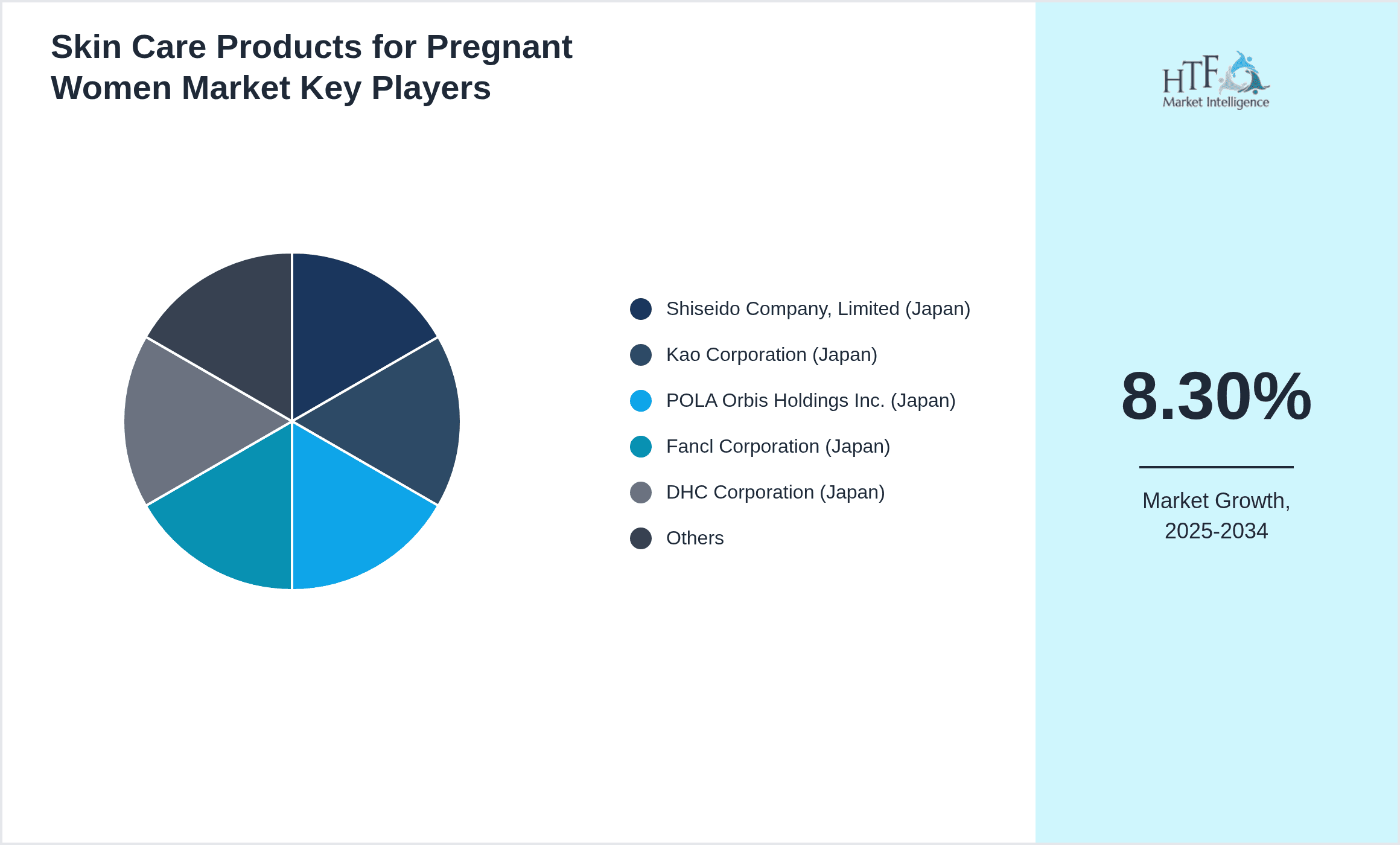
- •Shiseido Company, Limited (Japan)
- •Kao Corporation (Japan)
- •POLA Orbis Holdings Inc. (Japan)
- •Fancl Corporation (Japan)
- •DHC Corporation (Japan)
- •Mandom Corporation (Japan)
- •Kose Corporation (Japan)
- •Rohto Pharmaceutical Co., Ltd. (Japan)
- •Cure Natural Aqua Gel Co., Ltd. (Japan)
- •Lululun Co., Ltd. (Japan)
- •Matsuyama Cosmetics Co., Ltd. (Japan)
- •Ainz & Tulpe Co., Ltd. (Japan)
- •Sekkisei (Kose Corporation) (Japan)
- •Hada Labo (Rohto Pharmaceutical) (Japan)
- •ALBION Co., Ltd. (Japan)
- •Naturie Co., Ltd. (Japan)
- •Meishoku Co., Ltd. (Japan)
- •Sekkisei (Kose Corporation) (Japan)
- •Suisai (Kao Corporation) (Japan)
- •Mentholatum Company (Rohto Pharmaceutical) (Japan)
- •Japan Tobacco Inc. (Japan)
- •Yamada Bee Farm Co., Ltd. (Japan)
- •Muji (Ryohin Keikaku Co., Ltd.) (Japan)
- •Kiku-Masamune Sake Brewing Co., Ltd. (Japan)
- •Shiro Cosmetics (Japan)

Market Breakdown
- •By Type
- ◦Creams
- ◦Lotions
- ◦Oils
- ◦Serums
- ◦Balms
- •By Application
- ◦Stretch Mark Prevention
- ◦Skin Hydration
- ◦Anti-Aging
- ◦Soothing & Calming
- ◦Sun Protection
- •By Distribution Channel
- ◦Pharmacies
- ◦Specialty Beauty Stores
- ◦E-commerce Platforms
- ◦Supermarkets
- •By Regional Zone
- ◦Hokkaido
- ◦Tohoku
- ◦Kanto
- ◦Chubu
- ◦Kansai
- ◦Chugoku
- ◦Shikoku
- ◦Kyushu & Okinawa
Growth Drivers
- •Rising awareness among expectant mothers in Japan regarding the importance of specialized skincare during pregnancy is a primary growth driver. Increasing knowledge about stretch mark prevention and skin hydration propels demand for tailored products.
- •Advancements in cosmetic formulations incorporating natural and hypoallergenic ingredients aligned with Japan’s strict safety regulations enhance consumer confidence, boosting market growth significantly.
- •The growing e-commerce penetration facilitates convenient access to niche maternity skincare products, expanding reach beyond traditional retail and driving volume sales across urban and regional zones.
- •Demographic factors, including a stable birth rate and the increasing average maternal age, contribute to heightened demand for premium skincare products that address aging and pregnancy-specific skin concerns.
- •Healthcare professionals’ endorsements and collaborations with maternity clinics promote the use of specialized skin care products, legitimizing the market and encouraging adoption among pregnant women.

Market Trends
- •There is a notable trend towards organic and clean beauty products, with pregnant women preferring formulations free from parabens, sulfates, and synthetic fragrances, reflecting Japan’s cultural emphasis on safety and purity.
- •Integration of advanced biotechnology in product development, such as collagen-boosting serums and peptides, is gaining traction, offering enhanced efficacy for skin elasticity and anti-aging during pregnancy.
- •Personalized skincare solutions, leveraging AI and skin diagnostics, are emerging, enabling tailored product recommendations that address individual pregnancy skin challenges in Japan’s tech-savvy consumer base.
- •Sustainability initiatives including eco-friendly packaging and cruelty-free testing are becoming integral, resonating with environmentally conscious pregnant consumers in Japan.
- •Collaborations between skincare brands and prenatal healthcare providers are increasing, promoting integrated wellness approaches that combine dermatological care with maternal health.
Market Opportunities
- •There is significant opportunity to innovate with multifunctional products that combine hydration, anti-aging, and sun protection tailored specifically for pregnant women, addressing multiple skin concerns simultaneously.
- •Expanding penetration into underserved regional zones such as Shikoku and Chugoku offers growth potential through targeted marketing and distribution partnerships with local retailers and maternity clinics.
- •The rising trend of male partners participating in maternity care opens avenues for co-branded or couple-focused skincare products, creating new market segments in Japan.
- •Leveraging Japan’s technological expertise to integrate digital skin analysis tools with e-commerce platforms can enhance consumer engagement and drive personalized product sales.
- •Collaborations with international organic skincare brands can address the growing demand for premium, natural products, enriching product portfolios and attracting discerning consumers.
Market Challenges
- •High product development costs due to stringent safety and efficacy testing requirements pose a barrier to entry for smaller companies, limiting market diversity in Japan.
- •Consumer skepticism regarding product claims and ingredient safety requires continuous investment in transparent communication and clinical validations to maintain trust.
- •The fragmented retail landscape with diverse distribution channels complicates consistent brand presence and supply chain management across Japan’s varied regional zones.
- •Competition from generic skincare products not specifically designed for pregnant women challenges differentiation and pricing strategies within the maternity segment.
- •Rapidly evolving consumer preferences demand agile product innovation cycles, which can strain resources and delay market responsiveness.
Regulatory Framework
- •Between 2020 and 2024, Japan’s Ministry of Health, Labour and Welfare updated regulations mandating stricter safety evaluations on cosmetics intended for vulnerable populations, including pregnant women, requiring comprehensive ingredient toxicity assessments and clinical trial data.
- •The Pharmaceutical and Medical Device Act (PMD Act) revisions enforced enhanced labeling transparency to prevent misleading claims, compelling manufacturers to provide clear usage instructions and ingredient disclosures specifically for maternity skincare products.
- •Regulatory guidelines introduced in 2022 emphasize the prohibition of certain preservatives and synthetic chemicals in pregnancy skincare products, pushing the market towards natural and hypoallergenic formulations.
- •Mandatory registration of new products with Japan’s Cosmetic Ingredients Review Board ensures ongoing surveillance of safety standards and post-market adverse event reporting, fostering consumer safety and market credibility.
- •Government incentives promoting domestic research and innovation in maternal health and skincare encourage collaboration between cosmetic companies and healthcare institutions, facilitating product development aligned with regulatory expectations.
Market Intelligence
- •In March 2023, Kao Corporation launched a new line of pregnancy-safe serums incorporating natural botanical extracts and peptides designed to enhance skin elasticity and prevent stretch marks. The launch targeted digital-savvy consumers through e-commerce platforms, emphasizing hypoallergenic and fragrance-free formulations to meet growing consumer demand for safe maternal skincare. This initiative strengthens Kao’s foothold in the maternity segment and aligns with Japan’s regulatory emphasis on product safety.
- •April 2024 saw Shiseido Company, Limited introduce an innovative moisturizing cream enriched with fermented rice bran and collagen-boosting agents tailored for pregnant women experiencing skin dryness and sensitivity. The product was launched with a strategic marketing campaign through maternity clinics and specialty stores in the Kanto and Kansai regions, highlighting clinical testing and dermatologist endorsements to build consumer trust and expand market penetration.
- •Recent market developments and strategic initiatives are continuously tracked through industry publications, company announcements, and regulatory filings. For the most current information, stakeholders are advised to monitor official corporate communications and recognized market intelligence platforms.
Mergers & Acquisitions
- •In September 2023, Kao Corporation finalized the acquisition of a niche organic skincare brand specializing in maternity products, enhancing Kao’s portfolio with certified natural formulations and expanding its presence in emerging regional zones like Kyushu & Okinawa. This strategic acquisition allows Kao to leverage the acquired brand’s loyal customer base and reinforces its commitment to sustainable and safe pregnancy skincare solutions, aligning with evolving consumer preferences in Japan.
- •March 2024 marked POLA Orbis Holdings Inc.’s acquisition of a boutique cosmetic technology firm focused on biotechnology-based anti-aging serums for pregnant women. This move strengthens POLA’s R&D capabilities and accelerates the introduction of innovative maternity skincare products incorporating peptides and collagen enhancers, supporting the company’s competitive positioning in Japan’s premium segment.
Recent Industry News
- •In November 2022, Fancl Corporation expanded its maternity skincare product line by launching a fragrance-free, hypoallergenic stretch mark cream enriched with ceramides and natural oils. The launch targeted e-commerce and pharmacy channels across the Kanto and Kansai regions, accompanied by educational campaigns on pregnancy skin health. This expansion enhances Fancl’s product portfolio focused on safety and efficacy, responding to increasing consumer demand for specialized pregnancy skincare. Source: Official Fancl press release
- •August 2023 saw DHC Corporation enter a strategic partnership with a leading maternity hospital network in Japan to co-develop skincare products addressing pregnancy-related pigmentation and sensitivity. This collaboration combines clinical expertise with cosmetic innovation, aiming to deliver scientifically validated solutions. The partnership also facilitates product testing and endorsement by healthcare professionals, boosting consumer confidence and market credibility. Source: DHC corporate announcement
- •January 2024 featured Shiseido Company, Limited unveiling a new serum formulated with fermented ingredients and antioxidants targeted at pregnant women experiencing skin dullness and dryness. The product was launched with a nationwide digital marketing campaign emphasizing natural ingredients and safety compliance with Japan’s cosmetic regulations, appealing to millennial mothers. Source: Shiseido official news
- •June 2023, Kao Corporation introduced a novel balm designed to soothe sensitive skin for expectant mothers, incorporating green tea extract and vitamin E. The product rollout focused on specialty beauty stores and online platforms in urban regions such as Kanto and Chubu, supported by influencer collaborations to raise awareness about pregnancy skin care challenges. Source: Kao press release
Regional Outlook
The Kanto currently holds a significant share of the market, primarily due to several key factors: increasing consumption rates, a burgeoning population, and robust economic momentum. These elements collectively drive demand, positioning this region as a leader in the market. On the other hand, Kyushu & Okinawa is rapidly emerging as the fastest-growing area within the industry. This remarkable growth can be attributed to swift infrastructure development, the expansion of various industrial sectors, and a marked increase in consumer demand. These dynamics make this region a crucial player in shaping future market growth.
In our report, we cover a comprehensive analysis of the following regions and countries:
- Hokkaido
- Tohoku
- Kanto
- Chubu
- Kansai
- Chugoku
- Shikoku
- Kyushu
| Feature | Details |
|---|---|
| Base Year Market Size | USD 0.85 Billion |
| Forecast Year Market Size | USD 1.95 Billion |
| CAGR | 8.3% |
| Forecast Period | 2026 to 2033 |
| YoY Growth | 7.9% |
| Regions Covered | Hokkaido, Tohoku, Kanto, Chubu, Kansai, Chugoku, Shikoku, Kyushu |
| Key Companies | Shiseido Company, Limited (Japan), Kao Corporation (Japan), POLA Orbis Holdings Inc. (Japan), Fancl Corporation (Japan), DHC Corporation (Japan), Mandom Corporation (Japan), Kose Corporation (Japan), Rohto Pharmaceutical Co., Ltd. (Japan), Cure Natural Aqua Gel Co., Ltd. (Japan), Lululun Co., Ltd. (Japan), Matsuyama Cosmetics Co., Ltd. (Japan), Ainz & Tulpe Co., Ltd. (Japan), Sekkisei (Kose Corporation) (Japan), Hada Labo (Rohto Pharmaceutical) (Japan), ALBION Co., Ltd. (Japan), Naturie Co., Ltd. (Japan), Meishoku Co., Ltd. (Japan), Sekkisei (Kose Corporation) (Japan), Suisai (Kao Corporation) (Japan), Mentholatum Company (Rohto Pharmaceutical) (Japan), Japan Tobacco Inc. (Japan), Yamada Bee Farm Co., Ltd. (Japan), Muji (Ryohin Keikaku Co., Ltd.) (Japan), Kiku-Masamune Sake Brewing Co., Ltd. (Japan), Shiro Cosmetics (Japan) |
Japan Skin Care Products for Pregnant Women Market Size, Growth & Revenue 2024-2034 - Table of Contents
Frequently Asked Questions (FAQ):
The Compact Track Loaders market is projected to grow at a CAGR of 6.8% from 2025 to 2030, driven by increasing demand in construction and agricultural sectors.
North America currently leads the market with approximately 45% market share, followed by Europe at 28% and Asia-Pacific at 22%. The remaining regions account for 5% of the global market.
Key growth drivers include increasing construction activities, rising demand for versatile equipment in agriculture, technological advancements in track loader design, and growing preference for compact equipment in urban construction projects.