
Middle East Hemp-based Foods Market - Outlook 2025-2034
Middle East Hemp-based Foods Market is segmented by Application (Beverages, Bakery Products, Dairy Alternatives, Snacks, Supplements), Type (Hemp Seeds, Hemp Oil, Hemp Protein, Hemp Flour, Hemp Extracts), and Geography (Turkey, Egypt, United Arab Emirates, Saudi Arabia, Israel, Others)
Pricing
Report Overview
Executive Summary
- •The Middle East Hemp-based Foods market comprises food products derived from hemp plant components such as seeds, oils, proteins, flours, and extracts, tailored for consumption in beverages, bakery products, dairy alternatives, snacks, and supplements. This market includes the entire value chain from cultivation to distribution within key Middle Eastern countries including Saudi Arabia, UAE, Egypt, Qatar, and Israel. Its scope extends to meet rising consumer demand for nutritious, plant-based alternatives with functional health benefits. Regulatory shifts enabling hemp food commercialization are pivotal to market advancement.
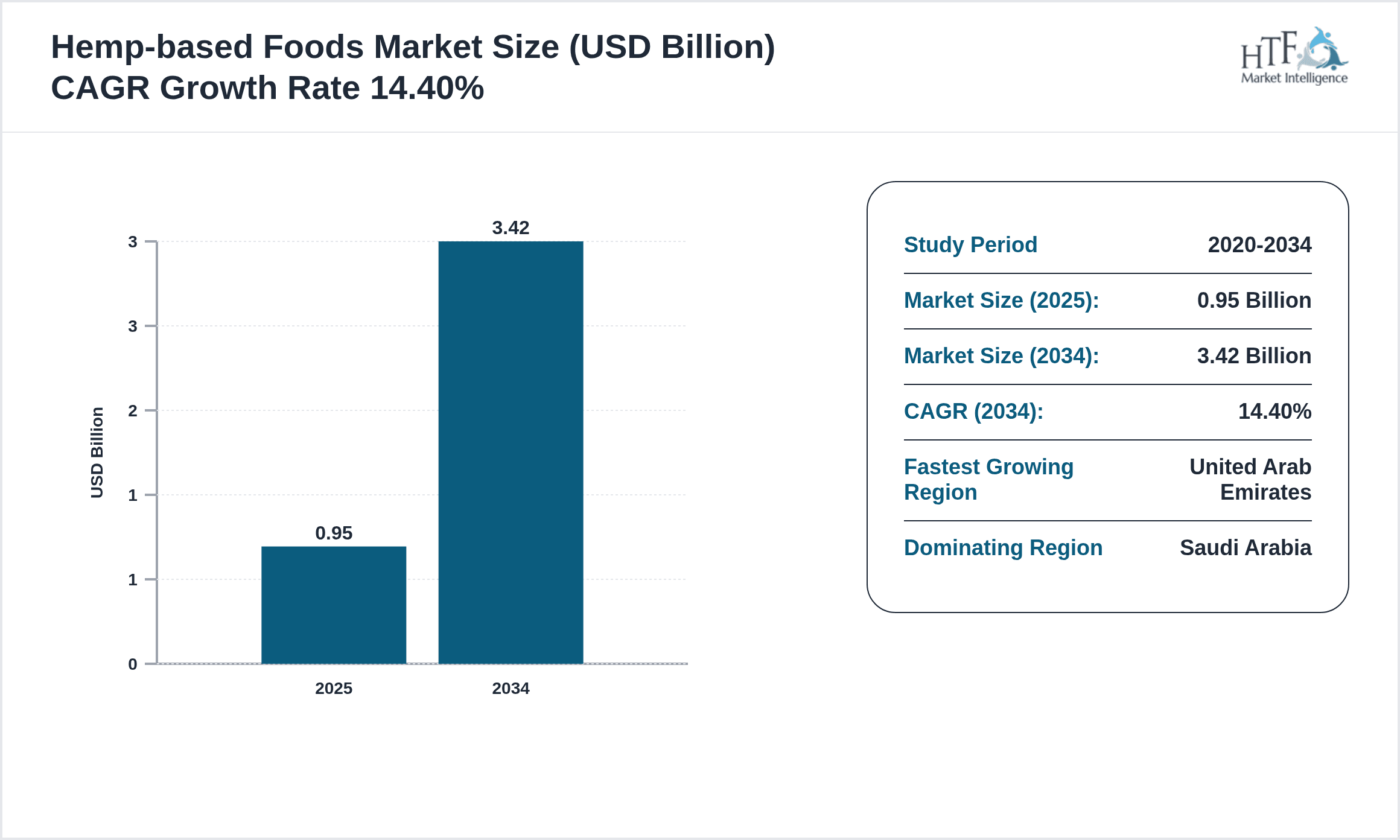
- •Key market highlights include a projected CAGR of 14.4% from 2025 to 2034, with a base market size of USD 0.95 Billion in 2025 expanding to USD 3.42 Billion by 2034. Dominance is established by hemp seeds, while hemp protein is the fastest growing product type. Saudi Arabia leads regionally in market share and size, with the UAE exhibiting the fastest growth rate of 18.2%. Applications such as beverages and bakery products drive demand alongside dairy alternatives.
- •The market's strategic importance lies in its alignment with health-conscious consumer trends, nutrition innovation, and food sustainability initiatives. Stakeholders including producers, food manufacturers, distributors, and retailers benefit from expanding product portfolios and emerging regulatory frameworks that facilitate hemp-based food adoption across the Middle East.
Competitive Landscape
The Middle East Hemp-based Foods market competition is characterized by a mix of established international companies and emerging regional players focusing on innovation and strategic partnerships. Companies leverage advanced extraction and processing technologies to develop high-quality hemp-based products that meet stringent food safety standards. Market rivalry centers on product differentiation through nutritional profiles, organic certifications, and clean-label positioning. Competitive strategies include expanding distribution networks, entering untapped Middle Eastern markets, and investing in R&D for new formulations. Collaborative ventures and mergers are increasingly employed to consolidate market presence and gain access to advanced technologies. Regulatory compliance and adaptability to evolving consumer preferences remain critical for maintaining competitive advantage. The landscape is dynamic, with companies emphasizing sustainability and traceability to capture growing health-conscious segments, while navigating challenges related to supply chain and market education.
Leading Companies in Middle East Hemp-based Foods Market
- •El Seif Group (Saudi Arabia)
- •Al Ain Dairy (United Arab Emirates)
- •Barakah Organics (United Arab Emirates)
- •Sadafco (Saudi Arabia)
- •Naturen (Qatar)
- •Nabaa Food Industries (Egypt)
- •Pure Harvest Smart Farms (United Arab Emirates)
- •Manna Foods (Saudi Arabia)
- •Kahraman Group (Turkey - regional presence)
- •MENA Organics (United Arab Emirates)
- •Green Fields Natural (Lebanon)
- •Desert Foods (Saudi Arabia)
- •Al Rawabi Dairy Company (United Arab Emirates)
- •Almarai (Saudi Arabia)
- •Baqala Group (Saudi Arabia)
- •Organic Gulf (United Arab Emirates)
- •Egyptian Natural Foods (Egypt)
- •Qatar Organic Foods (Qatar)
- •Jordan Organic Foods (Jordan)
- •Al Jazira Group (Saudi Arabia)
- •Green Oasis Foods (United Arab Emirates)
- •Sundus Organics (Saudi Arabia)
- •Mediterra Foods (Lebanon)
- •Al Ain Farms (United Arab Emirates)
- •Desert Bloom Organics (Oman)

Market Breakdown
- •By Type
- ◦Hemp Seeds
- ◦Hemp Oil
- ◦Hemp Protein
- ◦Hemp Flour
- ◦Hemp Extracts
- •By Application
- ◦Beverages
- ◦Bakery Products
- ◦Dairy Alternatives
- ◦Snacks
- ◦Supplements
- •By Distribution Channel
- ◦Supermarkets & Hypermarkets
- ◦Specialty Stores
- ◦Online Retail
- ◦Health & Wellness Stores
- •By End User
- ◦Household Consumption
- ◦Foodservice Industry
- ◦Sports & Fitness Nutrition
- ◦Pharmaceutical & Nutraceutical Sector
Growth Drivers
Rising consumer preference for plant-based and functional foods is a primary growth driver in the Middle East Hemp-based Foods market. Increasing awareness about hemp's nutritional benefits such as high protein content, essential fatty acids, and fiber encourages adoption across diverse applications. Additionally, expanding health and wellness trends, coupled with a growing vegan and vegetarian population, stimulate demand for hemp-derived food products. Government initiatives promoting sustainable agriculture and natural food sources further support market growth. The relaxation of regulatory frameworks across various Middle Eastern countries enables wider cultivation and commercialization of hemp foods. Moreover, growing urbanization and rising disposable incomes enhance accessibility and consumption, especially in countries like Saudi Arabia and UAE. The integration of hemp ingredients in beverages, snacks, and dairy alternatives capitalizes on evolving dietary habits, further propelling the market forward.
Market Trends
The Middle East Hemp-based Foods market is witnessing significant trends such as increasing innovation in product formulations integrating hemp protein and extracts for enhanced nutritional profiles. There is a rising shift towards clean-label and organic product offerings catering to health-conscious consumers. The adoption of e-commerce and online retail platforms accelerates market penetration, particularly among younger demographics. Sustainability and traceability in the hemp supply chain have become focal points, aligning with global environmental concerns. Collaborations between local producers and international technology providers facilitate advanced processing techniques, improving product quality and shelf life. Furthermore, cross-industry partnerships are emerging to incorporate hemp ingredients into pharmaceuticals and nutraceuticals, expanding application horizons. These trends collectively drive dynamic market growth and diversification in the Middle East region.
Market Restraints
Despite promising growth, the Middle East Hemp-based Foods market faces several restraints including stringent regulatory controls in some countries limiting hemp cultivation and product approvals. Consumer hesitancy due to historical associations of hemp with psychoactive cannabis varieties slows market acceptance. Supply chain challenges such as limited local cultivation, import dependencies, and inconsistent quality affect product availability and pricing. Additionally, high production costs and lack of standardized processing infrastructure hinder scalability. Market education gaps and limited awareness about hemp’s nutritional benefits constrain consumer demand. Furthermore, cultural and religious considerations in the region necessitate careful product positioning and compliance. These factors collectively pose challenges to rapid market expansion.
Market Opportunities
The Middle East Hemp-based Foods market offers significant opportunities including expanding the product portfolio with innovative hemp-infused functional foods tailored for regional tastes and dietary preferences. Growing interest in sports nutrition and wellness supplements creates potential for hemp protein and extract-based offerings. The increasing adoption of online retail presents a channel to reach wider consumer segments and niche markets. Additionally, partnerships with international hemp technology firms can facilitate knowledge transfer and enhance production capabilities. Expansion into untapped Middle Eastern countries with favorable regulatory environments unlocks new market potential. Government support for sustainable agriculture and natural food production can foster local hemp cultivation, reducing dependency on imports. These opportunities position the market for robust future growth.
Market Challenges
The Middle East Hemp-based Foods market encounters challenges such as navigating complex and evolving regulatory landscapes that vary significantly between countries, impacting product approvals and market entry timelines. Limited consumer awareness and misconceptions about hemp’s safety and uses require comprehensive education and marketing efforts. Infrastructural deficits, including inadequate processing facilities and supply chain inefficiencies, restrict product consistency and availability. Competition from established plant-based protein sources like soy and almond presents market penetration hurdles. Additionally, cultural sensitivities and religious considerations necessitate tailored product development strategies. Price sensitivity in certain markets may limit premium product adoption, while intellectual property concerns around hemp processing technologies can restrict innovation diffusion. Addressing these challenges is critical for sustainable market development.
Regulatory Overview
Recent regulatory updates in the Middle East reflect gradual liberalization of hemp-based food policies, with countries like the United Arab Emirates and Saudi Arabia introducing frameworks to permit hemp cultivation and processing under strict THC content limits. Authorities emphasize compliance with food safety standards and traceability requirements to ensure consumer protection. Licensing regimes for hemp farmers and producers have been established in select countries to regulate quality and supply. Some nations have aligned their regulations with international standards on hemp-derived food products to facilitate trade and market expansion. However, regulatory disparities persist across the region, necessitating careful navigation by market participants. Continued dialogue between government bodies and industry stakeholders aims to harmonize policies and promote safe hemp food market growth.
Market Intelligence
- •In March 2024, Pure Harvest Smart Farms, a UAE-based agritech company, launched a proprietary hemp protein powder designed specifically for the Middle East market, emphasizing clean-label, gluten-free attributes and sustainability credentials. The product targets health-conscious consumers seeking plant-based nutrition and is distributed through major supermarkets and online platforms. This launch signifies a strategic move to capitalize on growing demand for hemp-derived functional foods in the region.
- •In October 2023, Al Ain Dairy expanded its product portfolio by introducing hemp-infused dairy alternative beverages under its premium organic brand. The range features fortified hemp oil and protein blends tailored to regional taste preferences and complies with new regulatory standards for hemp foods in the UAE. This innovation aligns with rising consumer trends favoring plant-based and functional beverages.
- •Recent market developments and strategic initiatives are continuously tracked through industry publications, company announcements, and regulatory filings. For the most current information, stakeholders are advised to monitor official corporate communications and recognized market intelligence platforms.
Mergers & Acquisitions
- •In June 2023, Barakah Organics, a UAE-based hemp product manufacturer, acquired a controlling stake in Green Fields Natural, a Lebanese organic food company specializing in hemp-based snacks and supplements. This strategic acquisition aimed to enhance Barakah’s product offering and expand its footprint across the Levant region. The deal included investment in advanced processing technology and distribution infrastructure, facilitating accelerated market penetration in the Middle East.
- •In January 2024, Sadafco, a leading Saudi Arabian dairy and food company, completed the acquisition of a majority shareholding in Naturen, a Qatar-based hemp food producer. This move was designed to diversify Sadafco’s portfolio into plant-based alternatives, leveraging Naturen’s expertise in hemp oils and proteins. The integration is expected to drive innovation and broaden product availability throughout the Gulf Cooperation Council (GCC) markets.
Recent Industry News
- •In February 2025, MENA Organics entered into a strategic partnership with Kahraman Group to co-develop hemp-based bakery products tailored for the Middle Eastern market. This collaboration combines MENA Organics’ supply chain capabilities with Kahraman’s product development expertise. The joint venture aims to launch a range of hemp-enriched breads and pastries by Q4 2025, targeting health-conscious consumers and premium retail channels. Source: Official company announcement
- •In August 2024, Almarai, the Saudi Arabia-based food giant, announced the launch of a hemp protein-infused snack line under its popular brand. The product range includes bars and chips designed for active lifestyles, capitalizing on the growing sports nutrition segment. Distribution covers major supermarkets and e-commerce platforms across the GCC. Source: Press release
- •In November 2023, Pure Harvest Smart Farms expanded its greenhouse operations in the UAE to integrate hemp cultivation alongside its existing produce lines. This strategic expansion supports vertical integration and supply chain control for hemp ingredients used in its branded food products. The initiative aligns with government sustainability goals and aims to reduce import dependency. Source: Industry publication
- •In May 2022, Al Ain Dairy collaborated with international hemp technology firm HempTech Global to develop next-generation hemp oil extraction methods. The partnership focuses on enhancing product purity and yield while ensuring compliance with Middle East regulatory standards. This technological advancement supports Al Ain Dairy’s expansion into hemp-infused dairy alternatives. Source: Company website
Market Statistics
- •CAGR by 2034: 14.4%
- •Market Size by 2034: USD 3.42 Billion
- •Market Size in 2025: USD 0.95 Billion
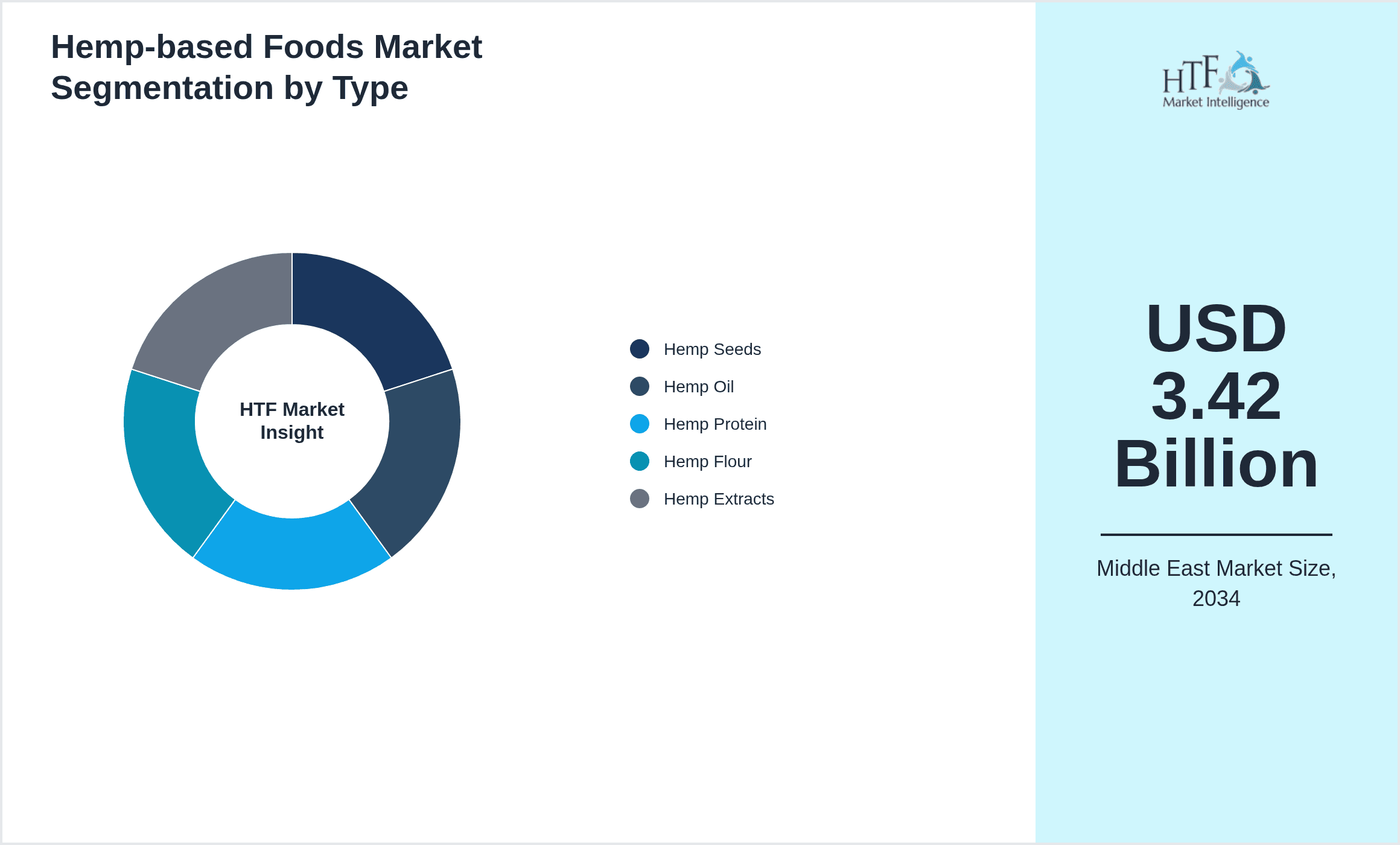
- •Dominating Type: Hemp Seeds; Next-following Type: Hemp Protein
- •Dominating Application: Beverages; Next-following Application: Bakery Products
- •Dominating Region: Saudi Arabia; Second-leading Region: United Arab Emirates
- •Region with Highest Growth Rate: United Arab Emirates
- •Dominating Country: Saudi Arabia
Market Share Table
- •Market Share (%) by Type: Hemp Seeds 45%, Hemp Protein 28%
- •Market Share (%) by Application: Beverages 38%, Bakery Products 27%
- •Growth Rate (%) by Type: Hemp Seeds 12.5%, Hemp Protein 18.2%
- •Growth Rate (%) by Application: Beverages 14.0%, Bakery Products 13.2%
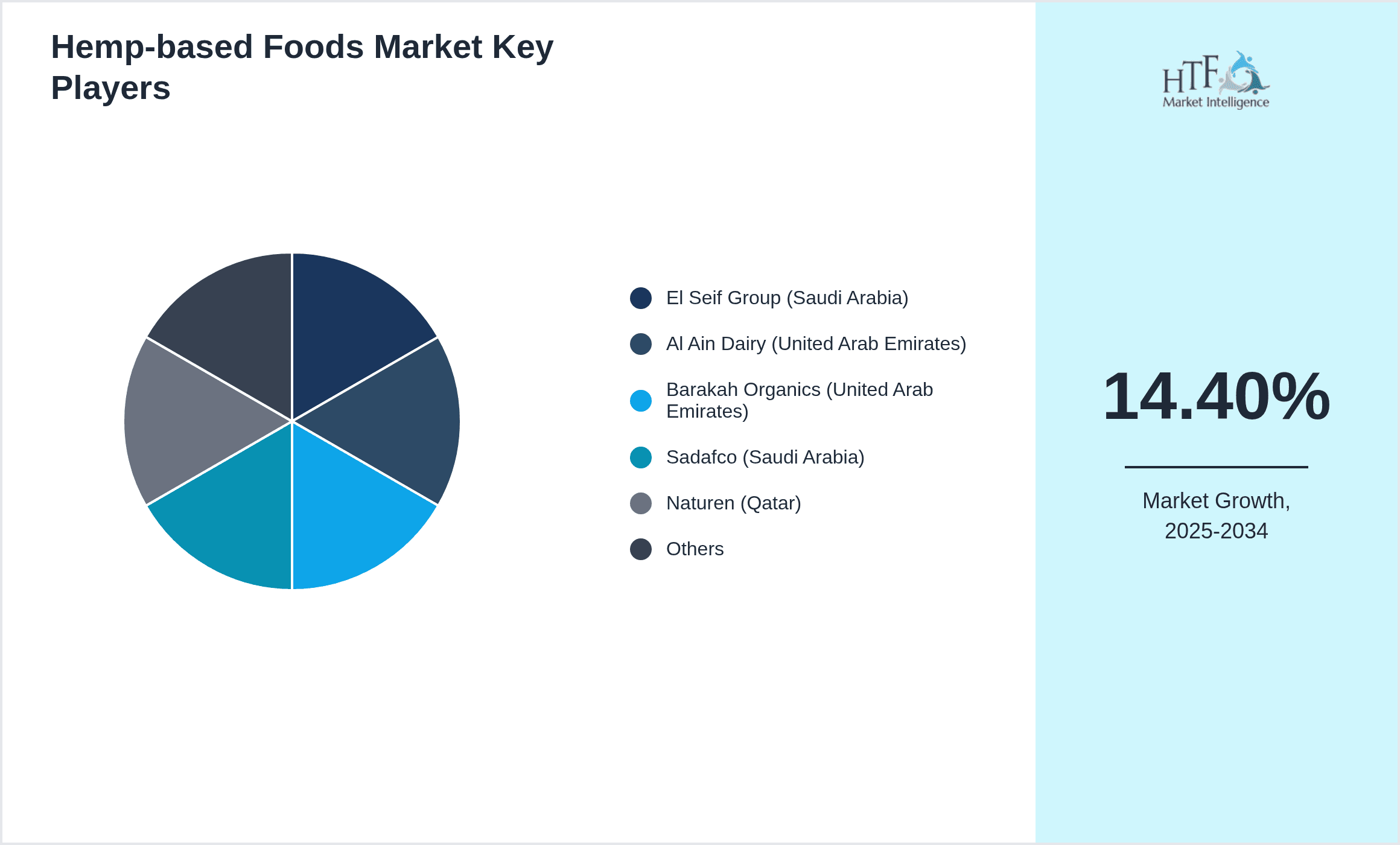
Top 5 Global Players
- •El Seif Group (Saudi Arabia)
- •Al Ain Dairy (United Arab Emirates)
- •Barakah Organics (United Arab Emirates)
- •Sadafco (Saudi Arabia)
- •Naturen (Qatar)
Regional Outlook
The Saudi Arabia currently holds a significant share of the market, primarily due to several key factors: increasing consumption rates, a burgeoning population, and robust economic momentum. These elements collectively drive demand, positioning this region as a leader in the market. On the other hand, United Arab Emirates is rapidly emerging as the fastest-growing area within the industry. This remarkable growth can be attributed to swift infrastructure development, the expansion of various industrial sectors, and a marked increase in consumer demand. These dynamics make this region a crucial player in shaping future market growth.
In our report, we cover a comprehensive analysis of the following regions and countries:
- Turkey
- Egypt
- United Arab Emirates
- Saudi Arabia
- Israel
- Others
| Feature | Details |
|---|---|
| Base Year Market Size | USD 0.95 Billion |
| Forecast Year Market Size | USD 3.42 Billion |
| CAGR | 14.4% |
| Forecast Period | 2026 to 2033 |
| YoY Growth | 13.6% |
| Regions Covered | Turkey, Egypt, United Arab Emirates, Saudi Arabia, Israel, Others |
| Key Companies | El Seif Group (Saudi Arabia), Al Ain Dairy (United Arab Emirates), Barakah Organics (United Arab Emirates), Sadafco (Saudi Arabia), Naturen (Qatar), Nabaa Food Industries (Egypt), Pure Harvest Smart Farms (United Arab Emirates), Manna Foods (Saudi Arabia), Kahraman Group (Turkey - regional presence), MENA Organics (United Arab Emirates), Green Fields Natural (Lebanon), Desert Foods (Saudi Arabia), Al Rawabi Dairy Company (United Arab Emirates), Almarai (Saudi Arabia), Baqala Group (Saudi Arabia), Organic Gulf (United Arab Emirates), Egyptian Natural Foods (Egypt), Qatar Organic Foods (Qatar), Jordan Organic Foods (Jordan), Al Jazira Group (Saudi Arabia), Green Oasis Foods (United Arab Emirates), Sundus Organics (Saudi Arabia), Mediterra Foods (Lebanon), Al Ain Farms (United Arab Emirates), Desert Bloom Organics (Oman) |
Middle East Hemp-based Foods Market - Outlook 2025-2034 - Table of Contents
Frequently Asked Questions (FAQ):
The Compact Track Loaders market is expected to see value worth 5.3 Billion in 2025.
North America currently leads the market with approximately 45% market share, followed by Europe at 28% and Asia-Pacific at 22%. The remaining regions account for 5% of the global market.
Key growth drivers include increasing construction activities, rising demand for versatile equipment in agriculture, technological advancements in track loader design, and growing preference for compact equipment in urban construction projects.