
United Kingdom Freestanding Pellet Stove Market Size, Growth & Revenue 2024-2034
United Kingdom Freestanding Pellet Stove Market is segmented by Type (Automatic Feed Pellet Stove, Manual Feed Pellet Stove, Hybrid Pellet Stove, Ventless Pellet Stove, Vented Pellet Stove), Application (Residential Heating, Commercial Heating, Outdoor Use, Decorative Heating), Distribution Channel (Specialty Retailers, Online Retail, Direct Sales, Wholesale Distributors), Installation Type (New Construction, Retrofit Installation), and Geography (England, Scotland, Wales, Northern Ireland)
Pricing
Report Overview
Executive Summary
- •The United Kingdom Freestanding Pellet Stove Market focuses on standalone pellet stoves that operate on wood pellets providing eco-friendly heating solutions for residential and commercial use. The market includes various stove types and applications aimed at reducing carbon footprint and energy costs.
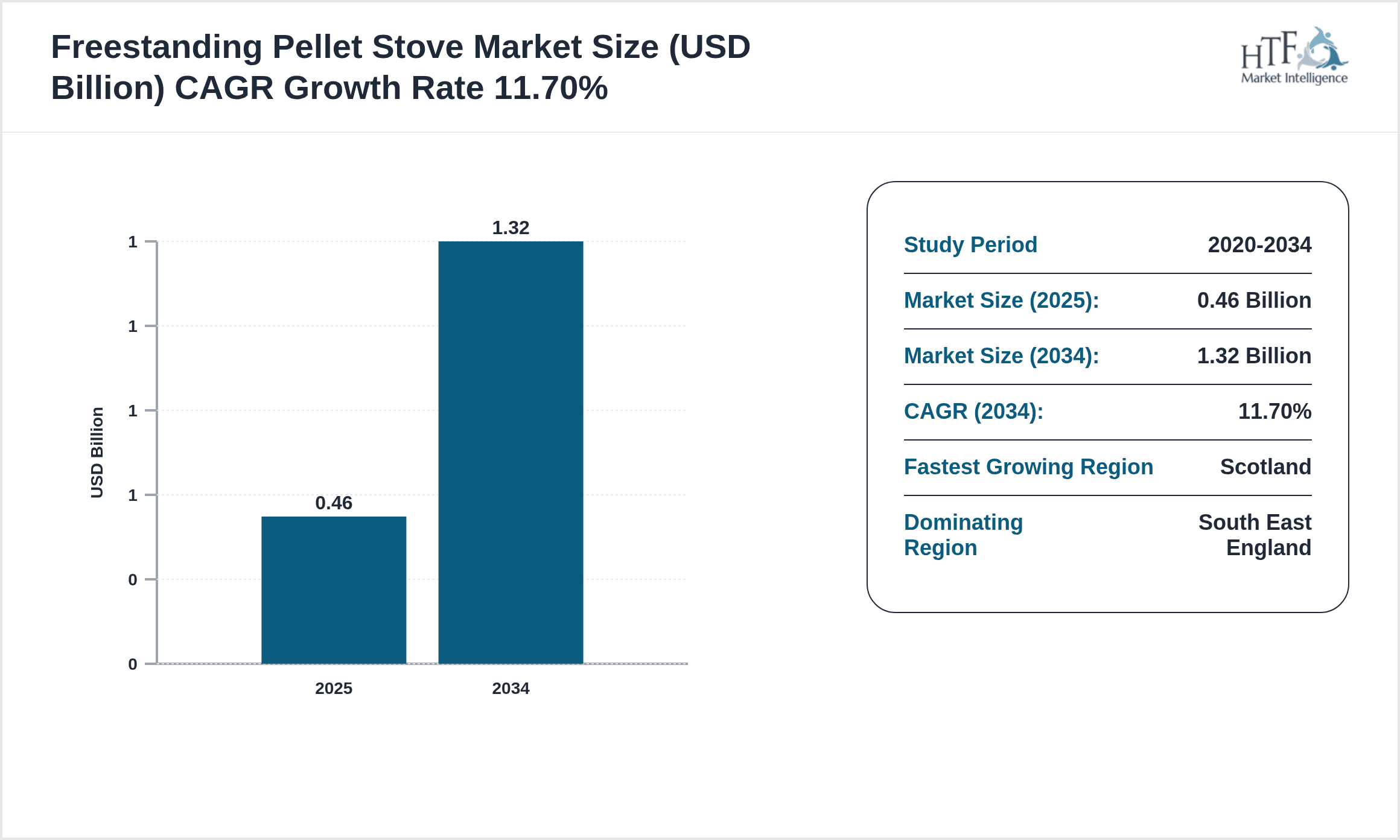
- •Key market highlights include a projected CAGR of 11.7% from 2024 to 2034, driven by government incentives promoting renewable fuels and rising consumer preference for sustainable heating options amid volatile fossil fuel prices.
- •The market holds strategic importance for homeowners, commercial property managers, and policymakers advocating for energy-efficient alternatives, contributing to the UK’s sustainability goals and energy security.
Competitive Landscape
Competition in the United Kingdom Freestanding Pellet Stove Market is marked by a blend of established heating appliance manufacturers and innovative niche players focusing on product differentiation through advanced automation, fuel efficiency, and design aesthetics. Market leaders leverage extensive distribution networks and brand reputation while investing in R&D for hybrid and smart stove technologies. Rivalry is intense with companies competing on price, quality, and after-sales services. Strategic partnerships and technological innovation are key to gaining market share, with emerging local manufacturers increasing competition. The market also experiences moderate entry barriers due to regulatory compliance and capital requirements, shaping the competitive dynamics and innovation pace within this segment.
Leading Companies in United Kingdom Freestanding Pellet Stove Market
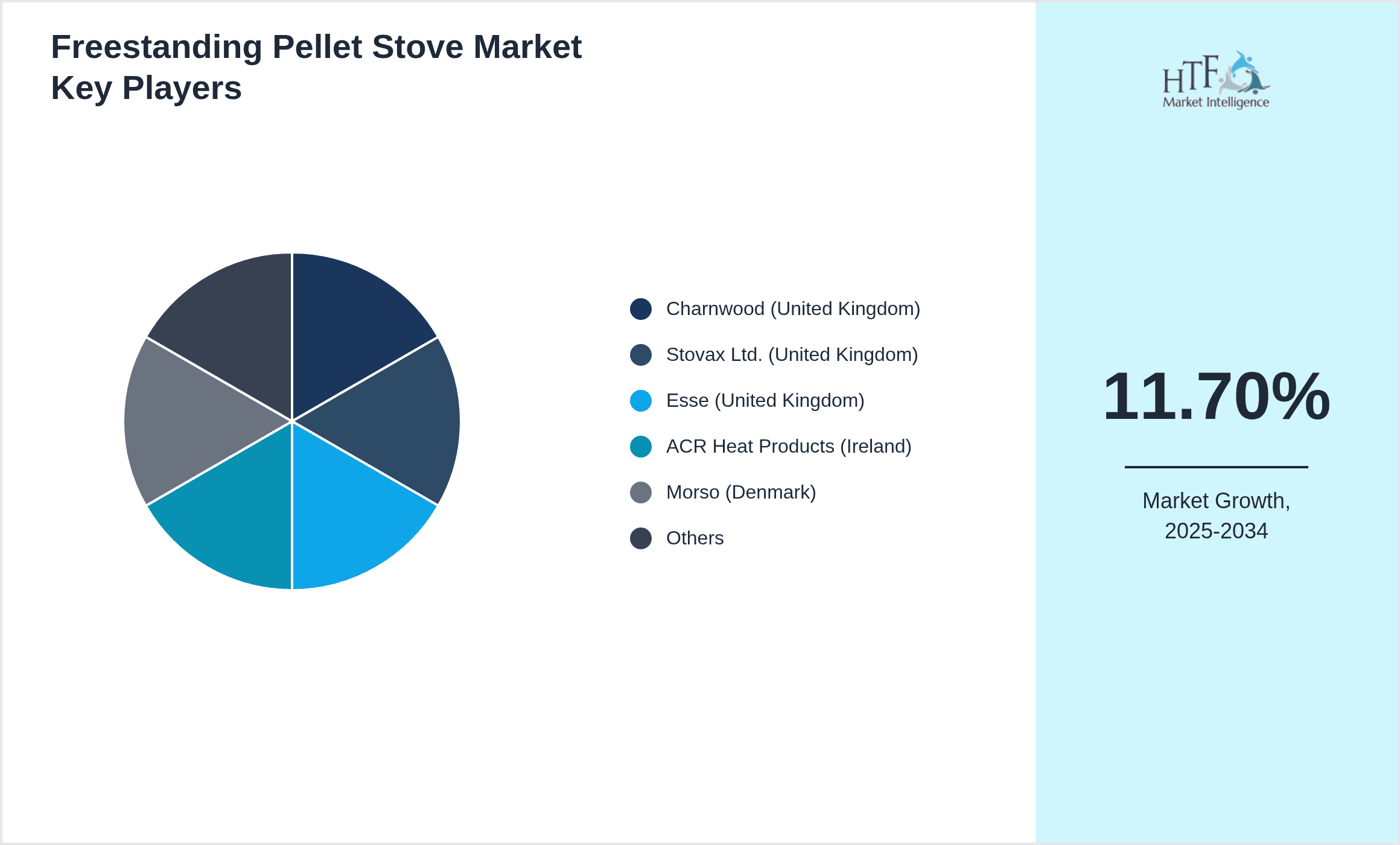
- •Charnwood (United Kingdom)
- •Stovax Ltd. (United Kingdom)
- •Esse (United Kingdom)
- •ACR Heat Products (Ireland)
- •Morso (Denmark)
- •Harman Stove Company (United States)
- •Pellematic (Austria)
- •MCZ Group (Italy)
- •Rika Innovative Ofentechnik (Austria)
- •Hoben Pellet Stoves (United Kingdom)
- •Edilkamin (Italy)
- •La Nordica (Italy)
- •Aarrow Heating Products (United Kingdom)
- •Jotul (Norway)
- •Quadra-Fire (United States)
- •Vermont Castings (United States)
- •Stûv (Belgium)
- •Ecoforest (Spain)
- •Evonic Fires (United Kingdom)
- •Deville (France)
- •Thermory (Estonia)
- •Baxi Heating (United Kingdom)
- •Flame Fireplaces (United Kingdom)
- •Heta (Denmark)
- •Faber (Netherlands)
Market Breakdown
- •By Type
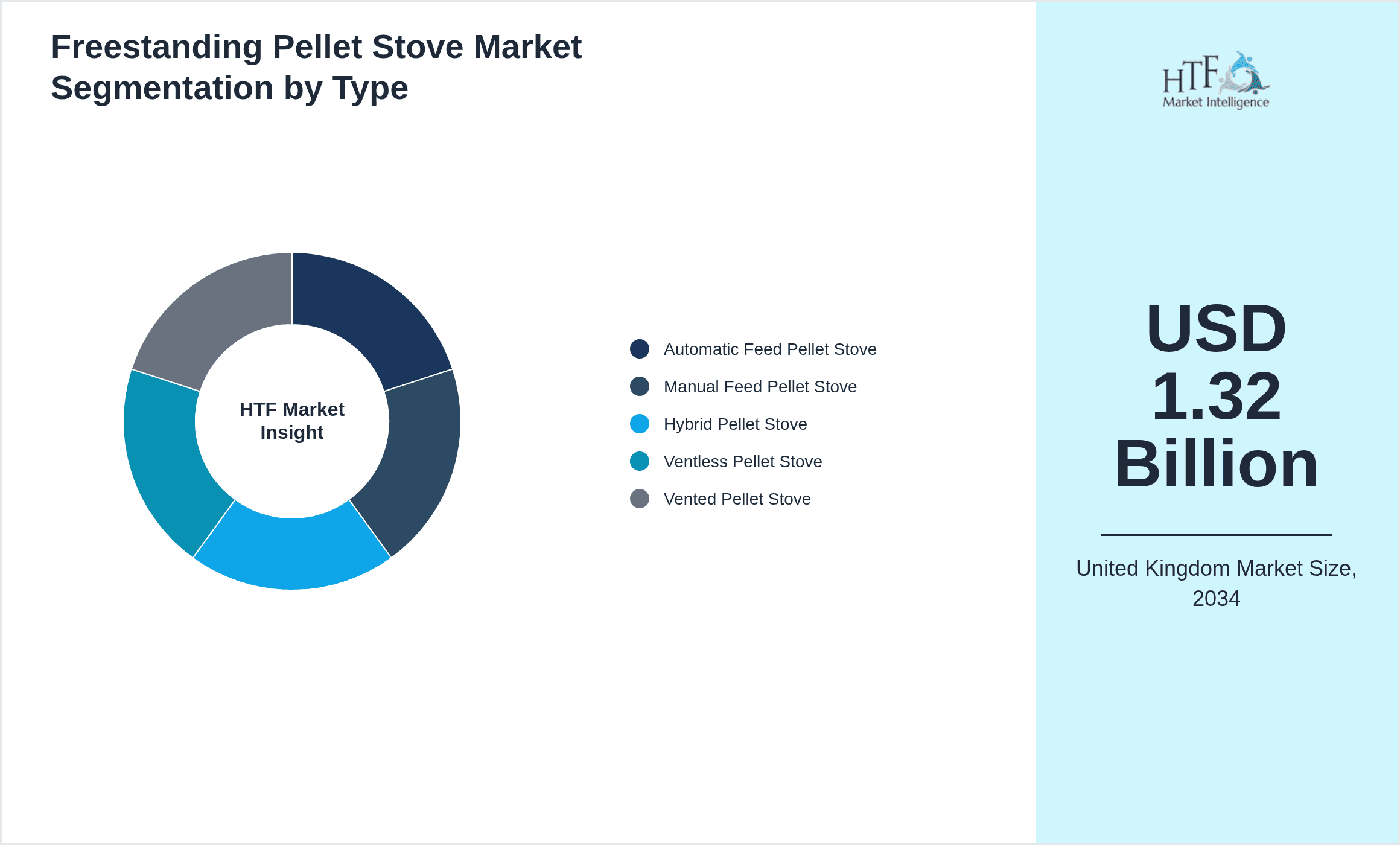
- ◦Automatic Feed Pellet Stove
- ◦Manual Feed Pellet Stove
- ◦Hybrid Pellet Stove
- ◦Ventless Pellet Stove
- ◦Vented Pellet Stove
- •By Application
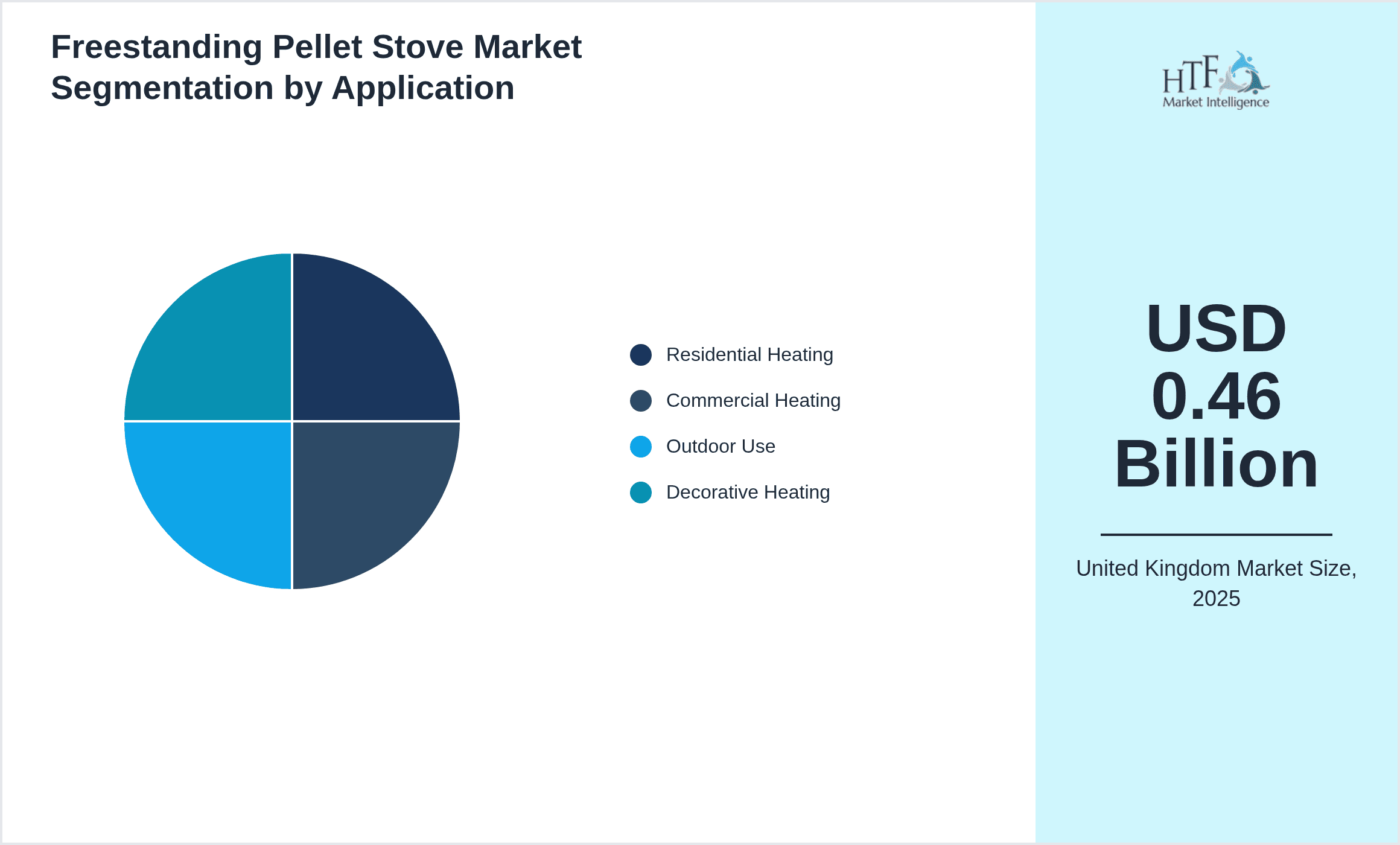
- ◦Residential Heating
- ◦Commercial Heating
- ◦Outdoor Use
- ◦Decorative Heating
- •By Distribution Channel
- ◦Specialty Retailers
- ◦Online Retail
- ◦Direct Sales
- ◦Wholesale Distributors
- •By Installation Type
- ◦New Construction
- ◦Retrofit Installation
Growth Dynamics
- •Rising environmental awareness and UK government incentives promoting renewable energy adoption are primary growth drivers, encouraging consumers to switch to cleaner heating technologies such as freestanding pellet stoves.
- •Increasing energy costs and volatility of fossil fuel markets boost demand for cost-effective pellet stoves, providing consumers with reliable and affordable heating alternatives across residential and commercial sectors.
- •Technological advancements like automation and hybrid feed mechanisms improve stove efficiency and user convenience, attracting tech-savvy customers and expanding application scopes.
- •Growing refurbishment activities in older UK buildings encourage pellet stove installations due to ease of retrofit and compliance with updated emission standards.
- •Expanding distribution networks and online retail channels increase product accessibility, facilitating market penetration in remote and urban areas alike.
Market Trends
- •Integration of smart home technologies with pellet stoves is emerging, enabling remote control and energy monitoring to optimize heating efficiency and user experience.
- •Sustainability trends drive innovation in pellet stove materials and design focusing on lower emissions and enhanced recyclability, aligning with UK’s net-zero ambitions.
- •Hybrid pellet stoves combining pellet fuel with alternative energy sources gain traction, offering versatile heating solutions adaptable to fluctuating fuel availability.
- •Increased consumer interest in decorative pellet stoves with aesthetic designs reflects the convergence of heating functionality and interior design preferences.
- •Retailers and manufacturers are emphasizing product certification and compliance with UK’s Clean Air Act amendments, influencing purchasing decisions.
Market Opportunities
- •Growing demand for energy-efficient and eco-friendly heating solutions in rural and suburban UK regions presents significant expansion opportunities for pellet stove manufacturers.
- •Government grants and subsidy programs targeting low-carbon heating systems open avenues for market growth through increased adoption and affordability.
- •Emerging markets within commercial heating sectors such as hospitality and retail spaces offer untapped potential for customized pellet stove applications.
- •Developing partnerships with construction firms and renovation specialists can drive integration of pellet stoves in new builds and retrofits.
- •Investment in digital marketing and e-commerce platforms can enhance brand visibility and reach, especially among environmentally conscious younger consumers.
Market Challenges
- •High initial installation costs and complexity of integrating pellet stoves in older buildings limit adoption despite long-term savings potential.
- •Supply chain disruptions and fluctuations in pellet fuel availability can affect operational reliability and consumer confidence.
- •Stringent emission regulations and certification requirements pose compliance challenges for manufacturers, increasing product development costs.
- •Competition from alternative renewable heating solutions such as heat pumps and solar thermal systems may constrain market growth.
- •Limited consumer awareness and misconceptions about pellet stove maintenance and safety restrict wider market penetration.
Regulatory Framework
- •Between 2019 and 2024, the UK government updated emission standards for solid fuel heating appliances, requiring pellet stoves to meet strict particulate matter limits to reduce air pollution.
- •The Clean Air Act amendments introduced in 2021 mandate the use of low-emission stoves in designated smoke control areas, impacting product designs and sales strategies.
- •Energy-related Product Regulations (ErP) have imposed minimum energy efficiency requirements on pellet stoves sold in the UK, driving innovation towards higher performance models.
- •Government incentive schemes such as the Renewable Heat Incentive (RHI) encourage adoption by providing financial support for qualifying pellet stove installations.
- •Building regulations now increasingly incorporate sustainable heating requirements, mandating eco-friendly solutions in new constructions and major renovations.
Market Intelligence
- •In March 2024, Stovax Ltd. launched an advanced automatic feed pellet stove featuring integrated smart home compatibility, enabling remote operation and energy consumption monitoring. This innovation targets tech-savvy UK homeowners seeking convenience combined with sustainability, enhancing the company’s competitive positioning in the premium segment. The product also meets the latest emission regulations, supporting wider adoption in smoke control areas. Source: Official Stovax Ltd. Press Release
- •In November 2023, Charnwood announced a strategic partnership with a leading UK construction group to supply pellet stoves for new eco-friendly housing developments. The collaboration aims to integrate high-efficiency pellet stoves into building designs, promoting renewable heating solutions and reducing reliance on gas heating. This initiative is expected to drive significant volume growth and brand visibility across the residential sector. Source: Industry News Bulletin
- •Recent market developments and strategic initiatives are continuously tracked through industry publications, company announcements, and regulatory filings. For the most current information, stakeholders are advised to monitor official corporate communications and recognized market intelligence platforms.
Regional Outlook
The South East England currently holds a significant share of the market, primarily due to several key factors: increasing consumption rates, a burgeoning population, and robust economic momentum. These elements collectively drive demand, positioning this region as a leader in the market. On the other hand, Scotland is rapidly emerging as the fastest-growing area within the industry. This remarkable growth can be attributed to swift infrastructure development, the expansion of various industrial sectors, and a marked increase in consumer demand. These dynamics make this region a crucial player in shaping future market growth.
In our report, we cover a comprehensive analysis of the following regions and countries:
- England
- Scotland
- Wales
- Northern Ireland
| Feature | Details |
|---|---|
| Base Year Market Size | USD 0.46 Billion |
| Forecast Year Market Size | USD 1.32 Billion |
| CAGR | 11.7% |
| Forecast Period | 2026 to 2033 |
| YoY Growth | 11.1% |
| Scope of Report | Market is segmented by Type (Automatic Feed Pellet Stove, Manual Feed Pellet Stove, Hybrid Pellet Stove, Ventless Pellet Stove, Vented Pellet Stove), Application (Residential Heating, Commercial Heating, Outdoor Use, Decorative Heating), Distribution Channel (Specialty Retailers, Online Retail, Direct Sales, Wholesale Distributors), Installation Type (New Construction, Retrofit Installation) |
| Regions Covered | England, Scotland, Wales, Northern Ireland |
| Key Companies | Charnwood (United Kingdom), Stovax Ltd. (United Kingdom), Esse (United Kingdom), ACR Heat Products (Ireland), Morso (Denmark), Harman Stove Company (United States), Pellematic (Austria), MCZ Group (Italy), Rika Innovative Ofentechnik (Austria), Hoben Pellet Stoves (United Kingdom), Edilkamin (Italy), La Nordica (Italy), Aarrow Heating Products (United Kingdom), Jotul (Norway), Quadra-Fire (United States), Vermont Castings (United States), Stûv (Belgium), Ecoforest (Spain), Evonic Fires (United Kingdom), Deville (France), Thermory (Estonia), Baxi Heating (United Kingdom), Flame Fireplaces (United Kingdom), Heta (Denmark), Faber (Netherlands) |
United Kingdom Freestanding Pellet Stove Market Size, Growth & Revenue 2024-2034 - Table of Contents
Frequently Asked Questions (FAQ):
The Compact Track Loaders market is projected to grow at a CAGR of 6.8% from 2025 to 2030, driven by increasing demand in construction and agricultural sectors.
North America currently leads the market with approximately 45% market share, followed by Europe at 28% and Asia-Pacific at 22%. The remaining regions account for 5% of the global market.
Key growth drivers include increasing construction activities, rising demand for versatile equipment in agriculture, technological advancements in track loader design, and growing preference for compact equipment in urban construction projects.