
China Diver Propulsion Vehicles Market - China Size & Outlook 2020-2034
China Diver Propulsion Vehicles Market is segmented by Type (Electric Diver Propulsion Vehicles, Gas-Powered Diver Propulsion Vehicles, Manual Diver Propulsion Vehicles, Hybrid Diver Propulsion Vehicles), Application (Recreational Diving, Military & Defense, Commercial Diving, Underwater Exploration, Rescue Operations), Deployment Model (Open Water Use, Pool Use, Underwater Construction), Power Source (Lithium-ion Battery, Nickel-Metal Hydride Battery, Gasoline Engine, Hybrid Power Systems), and Geography (North China, Northeast China, East China, South Central China, Southwest China, Northwest China)
Pricing
Report Overview
Executive Summary
- •Diver Propulsion Vehicles (DPV) in China include electric, gas-powered, manual, and hybrid types designed to increase underwater mobility for recreational, commercial, military, and rescue applications. These vehicles enhance diver efficiency by reducing physical exertion and extending underwater range, leveraging advanced propulsion technologies and innovative battery systems.
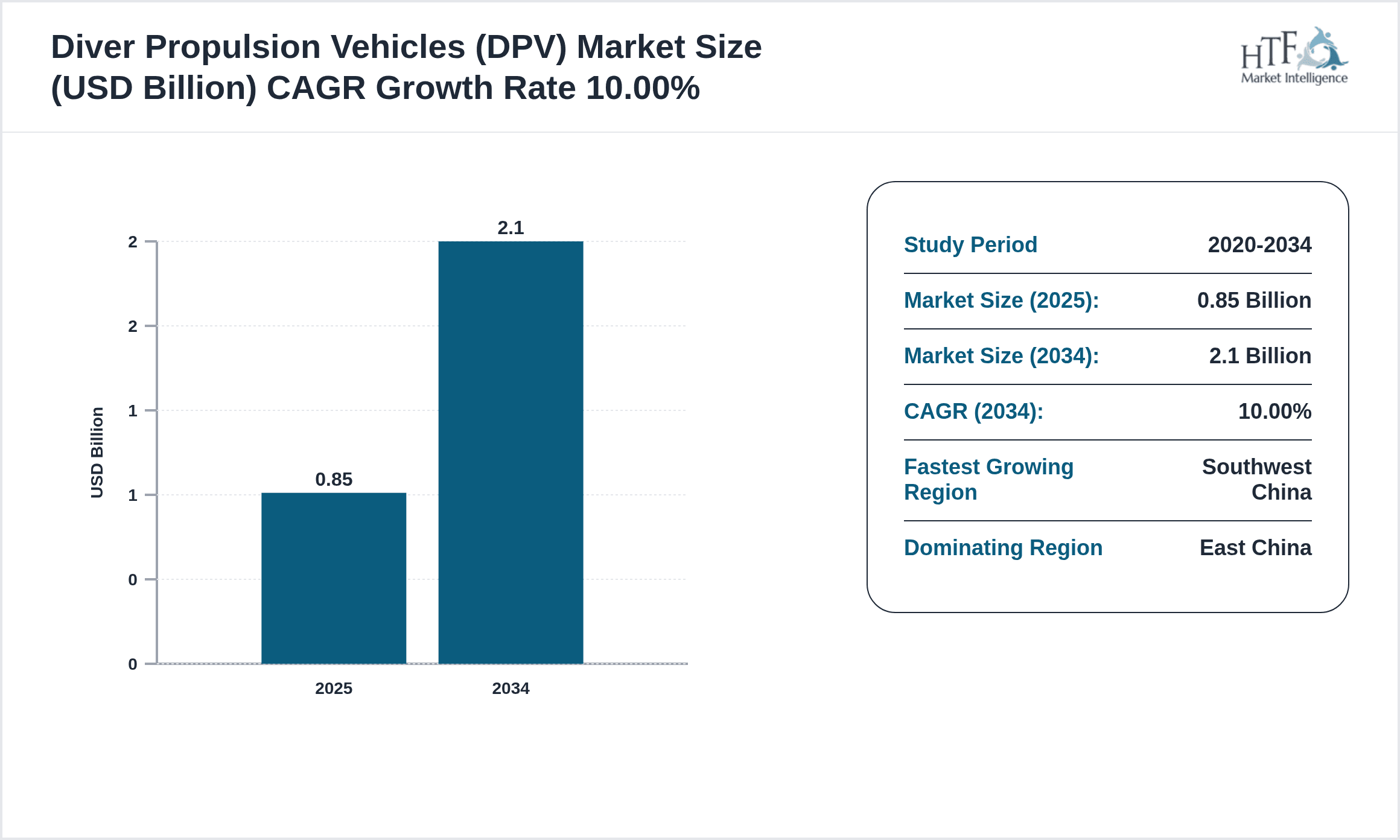
- •The China DPV market has exhibited strong growth driven by increasing recreational diving popularity, expanding commercial underwater exploration, and bolstered defense spending on underwater capabilities. The market size was USD 0.4 billion in 2020, reached USD 0.85 billion in 2025, and is forecast to grow to USD 2.1 billion by 2034, reflecting a CAGR of 10%.
- •Regulatory frameworks governing safety, environmental protection, and manufacturing standards in China play a pivotal role in shaping market dynamics. Regional growth is led by East China with significant contributions from South China and emerging demand in Southwest China. Technological innovations in hybrid propulsion and battery efficiency offer lucrative opportunities for strategic market expansion.
Competitive Landscape
The China Diver Propulsion Vehicles market is characterized by intense competition among domestic manufacturers and international entrants focusing on innovation, quality, and cost efficiency. Companies pursue differentiation through advanced battery technologies, hybrid propulsion systems, and customized solutions for military and commercial applications. Strategic partnerships, investments in R&D, and compliance with stringent regulatory standards shape competitive positioning. Pricing strategies are balanced with performance enhancements to cater to both recreational and professional divers. Distribution channels include specialized diving equipment retailers, direct sales to defense agencies, and e-commerce platforms. Market entry barriers such as certification and compliance requirements, coupled with regional preferences, influence competitive dynamics. Leading firms are aggressively expanding their footprint in high-growth sub-regions like Southwest China while maintaining dominance in established hubs such as East China.
Leading Companies in Diver Propulsion Vehicles Market
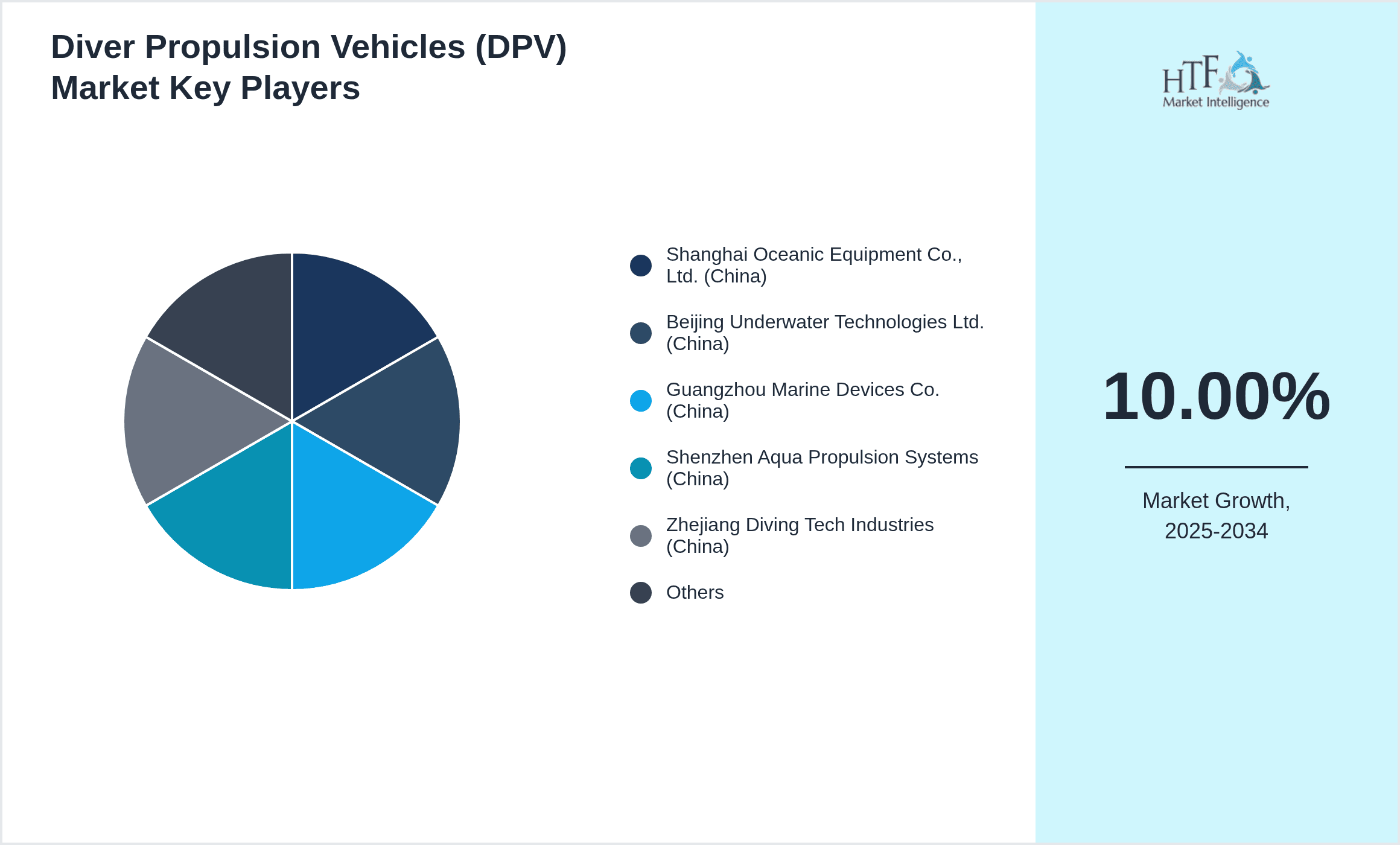
- •Shanghai Oceanic Equipment Co., Ltd. (China)
- •Beijing Underwater Technologies Ltd. (China)
- •Guangzhou Marine Devices Co. (China)
- •Shenzhen Aqua Propulsion Systems (China)
- •Zhejiang Diving Tech Industries (China)
- •Qingdao Underwater Mobility Solutions (China)
- •Chongqing Submersible Devices Ltd. (China)
- •Tianjin Marine Propulsion Equipment (China)
- •Nanjing Deepwater Technologies (China)
- •Hangzhou Eco Dive Systems (China)
- •Xiamen Subsea Propulsion Tech (China)
- •Dalian Diving Gear Manufacturing Co. (China)
- •Hubei Aquatic Mobility Ltd. (China)
- •Foshan Aqua Equipment Ltd. (China)
- •Shandong Marine Exploration Devices (China)
- •Hebei Underwater Propulsion Tech (China)
- •Jiangsu Diving Instruments Co. (China)
- •Yantai Submersible Systems (China)
- •Inner Mongolia Diving Tech Group (China)
- •Sichuan Marine Propulsion Solutions (China)
- •Liaoning Subsea Innovations (China)
- •Hainan Diving Equipment Co. (China)
- •Anhui Underwater Devices Ltd. (China)
- •Jilin Marine Propulsion Systems (China)
- •Guizhou Diving Technologies (China)
Market Breakdown
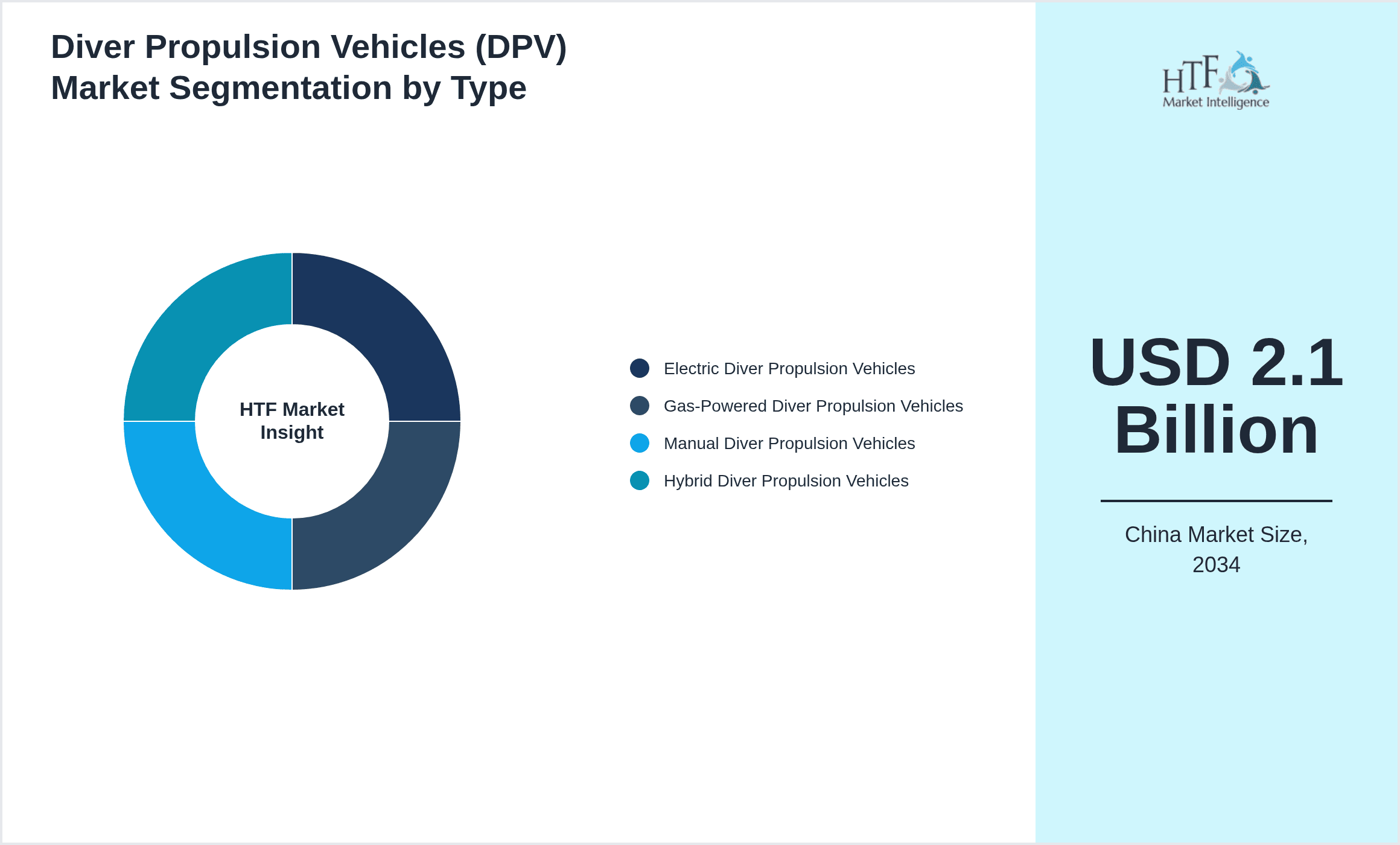
- •By Type
- ◦Electric Diver Propulsion Vehicles
- ◦Gas-Powered Diver Propulsion Vehicles
- ◦Manual Diver Propulsion Vehicles
- ◦Hybrid Diver Propulsion Vehicles
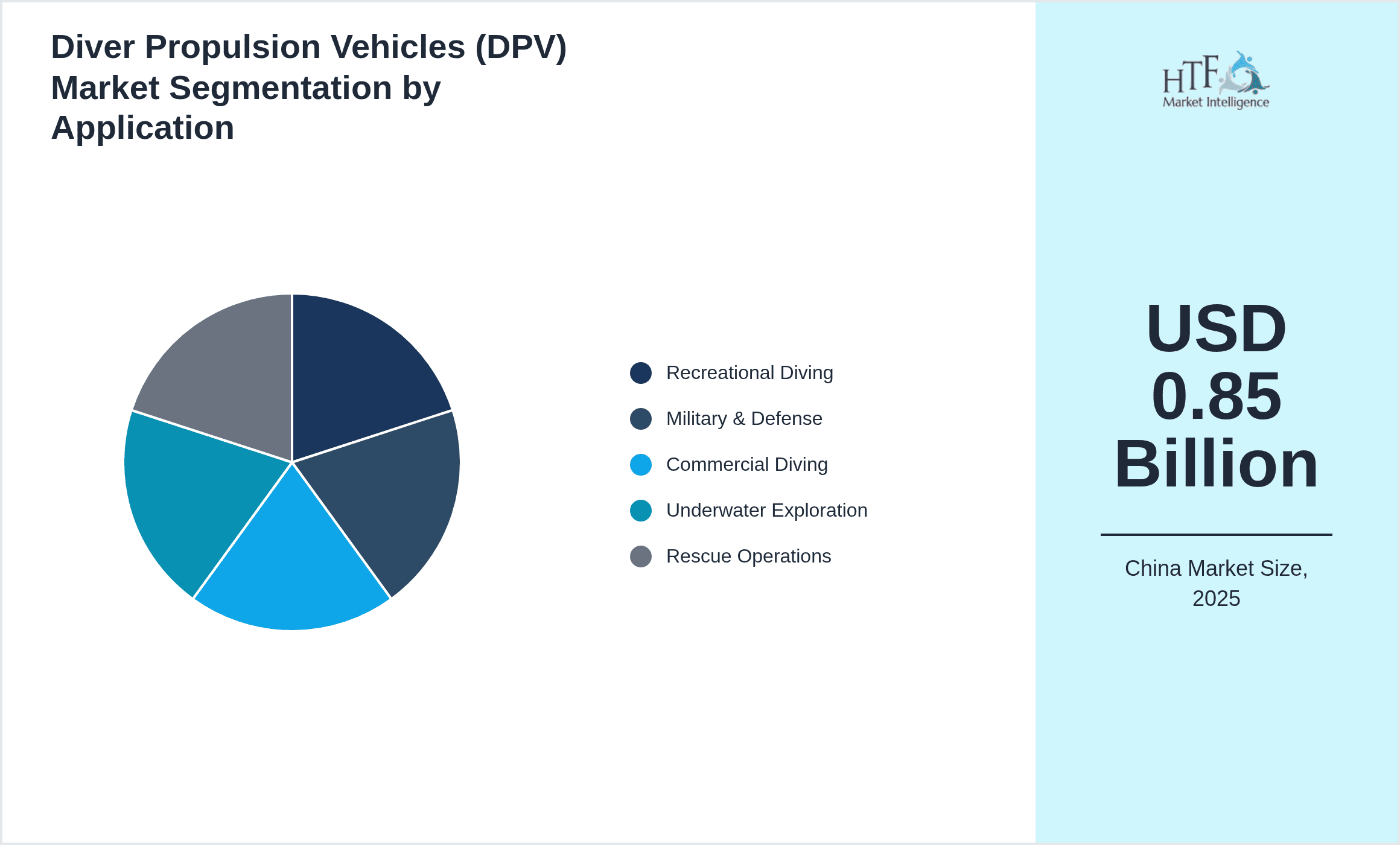
- •By Application
- ◦Recreational Diving
- ◦Military & Defense
- ◦Commercial Diving
- ◦Underwater Exploration
- ◦Rescue Operations
- •By Deployment Model
- ◦Open Water Use
- ◦Pool Use
- ◦Underwater Construction
- •By Power Source
- ◦Lithium-ion Battery
- ◦Nickel-Metal Hydride Battery
- ◦Gasoline Engine
- ◦Hybrid Power Systems
Growth Dynamics
The China DPV market is propelled by the growing popularity of recreational diving, supported by rising disposable incomes and expanding tourism sectors in coastal regions such as East and South China. Enhanced underwater exploration activities in commercial sectors like oil & gas and marine research further stimulate demand. Technological advancements in battery life and propulsion efficiency, particularly in electric and hybrid DPVs, lower operational costs and improve user experience, fostering market growth. Government initiatives to bolster maritime defense capabilities also drive adoption of sophisticated DPVs by the military. Additionally, environmental regulations encouraging eco-friendly propulsion technologies create growth avenues for electric and hybrid models. Increasing awareness of water safety and rescue operations further contribute to market expansion across various sub-regions.
Market Trends
Emerging trends in China’s DPV market include a shift towards hybrid propulsion vehicles that combine electric and gas technologies, enhancing operational range and reducing environmental impact. Integration of IoT and smart sensors for real-time monitoring and control has gained traction among commercial and military users, improving safety and performance. The rise of eco-conscious consumers and stricter emission standards have accelerated adoption of battery-powered DPVs. Manufacturers are increasingly adopting modular designs to facilitate maintenance and customization. Regional focus on underwater tourism hotspots such as Hainan and Zhejiang provinces is driving demand for user-friendly, lightweight DPVs. Collaborative innovation between domestic firms and international technology providers is fostering rapid product development and market penetration.
Market Opportunities
Significant opportunities exist in developing hybrid DPVs that address the limitations of pure electric or gas-powered models, offering longer dive times and improved safety. Expansion into emerging sub-regions like Southwest China with growing maritime activities presents untapped demand. Increasing investments in underwater infrastructure and offshore energy sectors open avenues for specialized DPVs tailored to commercial divers. Integration of advanced battery technologies and lightweight materials can enhance product value propositions. Strategic partnerships with international technology firms may facilitate access to cutting-edge propulsion innovations. Growing government emphasis on maritime security and underwater rescue operations further expands the market for high-performance DPVs with enhanced capabilities.
Market Challenges
Key challenges include the high cost of advanced DPVs which limits accessibility for recreational divers, especially in less developed regions. Technical limitations related to battery life and propulsion efficiency constrain operational duration. Strict regulatory compliance requirements increase time-to-market and development costs for manufacturers. Fragmented supply chains and dependency on imported components can cause delays and cost fluctuations. Market education and awareness remain low in certain regions, impeding adoption. Additionally, intense competition from low-cost imported alternatives pressures domestic players on pricing and margins. Environmental concerns and safety standards require continuous innovation to maintain compliance and customer trust.
Regulatory Framework
China’s regulatory landscape for Diver Propulsion Vehicles encompasses safety certifications, environmental standards, and manufacturing quality controls enforced from 2020 to 2025. Key regulations mandate rigorous testing for electrical safety, waterproofing, and propulsion performance to ensure diver safety across all product types. Environmental guidelines limit emissions and promote eco-friendly propulsion technologies, particularly targeting gas-powered DPVs. The Ministry of Industry and Information Technology (MIIT) and the General Administration of Quality Supervision, Inspection, and Quarantine (AQSIQ) oversee compliance enforcement, with regional authorities in coastal provinces imposing additional standards. Regulations also stipulate labeling and documentation requirements for traceability and consumer protection. Recent updates emphasize battery safety and recycling protocols to address environmental concerns. Compliance with these frameworks is critical for market access and competitiveness, influencing product design and innovation strategies.
Market Intelligence
- •15th January 2025, Shanghai Oceanic Equipment Co., Ltd. launched its next-generation electric DPV featuring enhanced battery capacity and integrated IoT capabilities aimed at recreational and commercial divers. The product offers extended dive times up to 90 minutes and real-time performance monitoring through a mobile app, enhancing safety and user experience. This launch strengthens the company’s market position in East China and supports growing demand for eco-friendly propulsion solutions. Strategic objectives include expanding distribution networks across coastal and inland sub-regions and fostering partnerships with diving schools and commercial operators. Source: Shanghai Oceanic Equipment Official Press Release.
- •10th March 2025, Beijing Underwater Technologies Ltd. introduced a hybrid DPV model combining electric and gasoline propulsion to address limitations of pure electric units. The innovation provides longer operational range and rapid power switching capabilities, targeting military and rescue applications. The company plans pilot deployments with Chinese maritime defense agencies and emergency response teams, aiming to capture high-value contracts. This product reflects a strategic shift towards versatile propulsion technologies aligning with regulatory trends favoring reduced emissions. Source: Beijing Underwater Technologies Corporate Announcement.
- •22nd April 2025, Guangzhou Marine Devices Co. announced a collaboration with a European battery technology firm to co-develop high-density lithium-ion batteries tailored for DPVs. The partnership aims to enhance battery life and reduce charging times, addressing critical market challenges. Joint R&D efforts are focused on scalable production for commercial and military DPV models, leveraging combined expertise and market reach. This initiative is expected to accelerate product innovation cycles and strengthen the company’s competitive edge across China’s key maritime regions. Source: Industry Publication - Marine Tech News.
- •Recent market developments and strategic initiatives are continuously tracked through industry publications, company announcements, and regulatory filings. For the most current information, stakeholders are advised to monitor official corporate communications and recognized market intelligence platforms.
Regional Outlook
The East China currently holds a significant share of the market, primarily due to several key factors: increasing consumption rates, a burgeoning population, and robust economic momentum. These elements collectively drive demand, positioning this region as a leader in the market. On the other hand, Southwest China is rapidly emerging as the fastest-growing area within the industry. This remarkable growth can be attributed to swift infrastructure development, the expansion of various industrial sectors, and a marked increase in consumer demand. These dynamics make this region a crucial player in shaping future market growth.
In our report, we cover a comprehensive analysis of the following regions and countries:
- North China
- Northeast China
- East China
- South Central China
- Southwest China
- Northwest China
| Feature | Details |
|---|---|
| Base Year Market Size | USD 0.85 Billion |
| Forecast Year Market Size | USD 2.1 Billion |
| CAGR | 10% |
| Forecast Period | 2026 to 2033 |
| YoY Growth | 9.6% |
| Scope of Report | Market is segmented by Type (Electric Diver Propulsion Vehicles, Gas-Powered Diver Propulsion Vehicles, Manual Diver Propulsion Vehicles, Hybrid Diver Propulsion Vehicles), Application (Recreational Diving, Military & Defense, Commercial Diving, Underwater Exploration, Rescue Operations), Deployment Model (Open Water Use, Pool Use, Underwater Construction), Power Source (Lithium-ion Battery, Nickel-Metal Hydride Battery, Gasoline Engine, Hybrid Power Systems) |
| Regions Covered | North China, Northeast China, East China, South Central China, Southwest China, Northwest China |
| Key Companies | Shanghai Oceanic Equipment Co., Ltd. (China), Beijing Underwater Technologies Ltd. (China), Guangzhou Marine Devices Co. (China), Shenzhen Aqua Propulsion Systems (China), Zhejiang Diving Tech Industries (China), Qingdao Underwater Mobility Solutions (China), Chongqing Submersible Devices Ltd. (China), Tianjin Marine Propulsion Equipment (China), Nanjing Deepwater Technologies (China), Hangzhou Eco Dive Systems (China), Xiamen Subsea Propulsion Tech (China), Dalian Diving Gear Manufacturing Co. (China), Hubei Aquatic Mobility Ltd. (China), Foshan Aqua Equipment Ltd. (China), Shandong Marine Exploration Devices (China), Hebei Underwater Propulsion Tech (China), Jiangsu Diving Instruments Co. (China), Yantai Submersible Systems (China), Inner Mongolia Diving Tech Group (China), Sichuan Marine Propulsion Solutions (China), Liaoning Subsea Innovations (China), Hainan Diving Equipment Co. (China), Anhui Underwater Devices Ltd. (China), Jilin Marine Propulsion Systems (China), Guizhou Diving Technologies (China) |
China Diver Propulsion Vehicles Market - China Size & Outlook 2020-2034 - Table of Contents
Frequently Asked Questions (FAQ):
The Compact Track Loaders market is projected to grow at a CAGR of 6.8% from 2025 to 2030, driven by increasing demand in construction and agricultural sectors.
North America currently leads the market with approximately 45% market share, followed by Europe at 28% and Asia-Pacific at 22%. The remaining regions account for 5% of the global market.
Key growth drivers include increasing construction activities, rising demand for versatile equipment in agriculture, technological advancements in track loader design, and growing preference for compact equipment in urban construction projects.