
India Biosimilar Monoclonal Antibodies Market Size, Growth & Revenue 2025-2034
India Biosimilar Monoclonal Antibodies Market is segmented by Type (Rituximab Biosimilars, Trastuzumab Biosimilars, Adalimumab Biosimilars, Bevacizumab Biosimilars, Other Monoclonal Antibody Biosimilars), Application (Oncology, Autoimmune Diseases, Infectious Diseases, Respiratory Disorders, Other Therapeutic Areas), Manufacturing Process (Mammalian Cell Culture, Recombinant DNA Technology, Hybridoma Technology), Distribution Channel (Hospital Pharmacies, Retail Pharmacies, Online Pharmacies), and Geography (North India, South India, Central India, East India, West India)
Pricing
Report Overview
The Unseen Guardian: India’s Biosimilar Monoclonal Antibodies Revolution
Biosimilar monoclonal antibodies in India represent the silent champions transforming therapeutic landscapes by offering affordable, effective biologic alternatives. This market empowers patients battling critical diseases with accessible care, fueling a healthcare revolution that blends innovation with inclusion.
Core Value Propositions for India Biosimilar Monoclonal Antibodies Market
- •**Cost-Effective Therapeutics**: Biosimilars drastically reduce treatment costs, widening patient access across socio-economic segments.
- •**High Precision and Efficacy**: Leveraging advanced biotechnologies ensures biosimilars match originator monoclonal antibodies in performance and safety.
- •**Robust Regulatory Compliance**: Indian regulatory frameworks reinforce quality and safety standards, enhancing market trust and global competitiveness.
Why It Matters – India Biosimilar Monoclonal Antibodies Market Relevance
- •India faces a growing chronic disease burden where affordable biologics are essential. Biosimilar monoclonal antibodies fulfill this urgent healthcare need, enabling broader treatment adoption and better outcomes.
- •• Escalating demand driven by rising cancer and autoimmune cases requiring biologic therapies
- •• Significant disease burden necessitates scalable, cost-efficient treatment solutions
- •• Critical role in oncology, immunology, and infectious disease treatment regimens
Market Snapshot
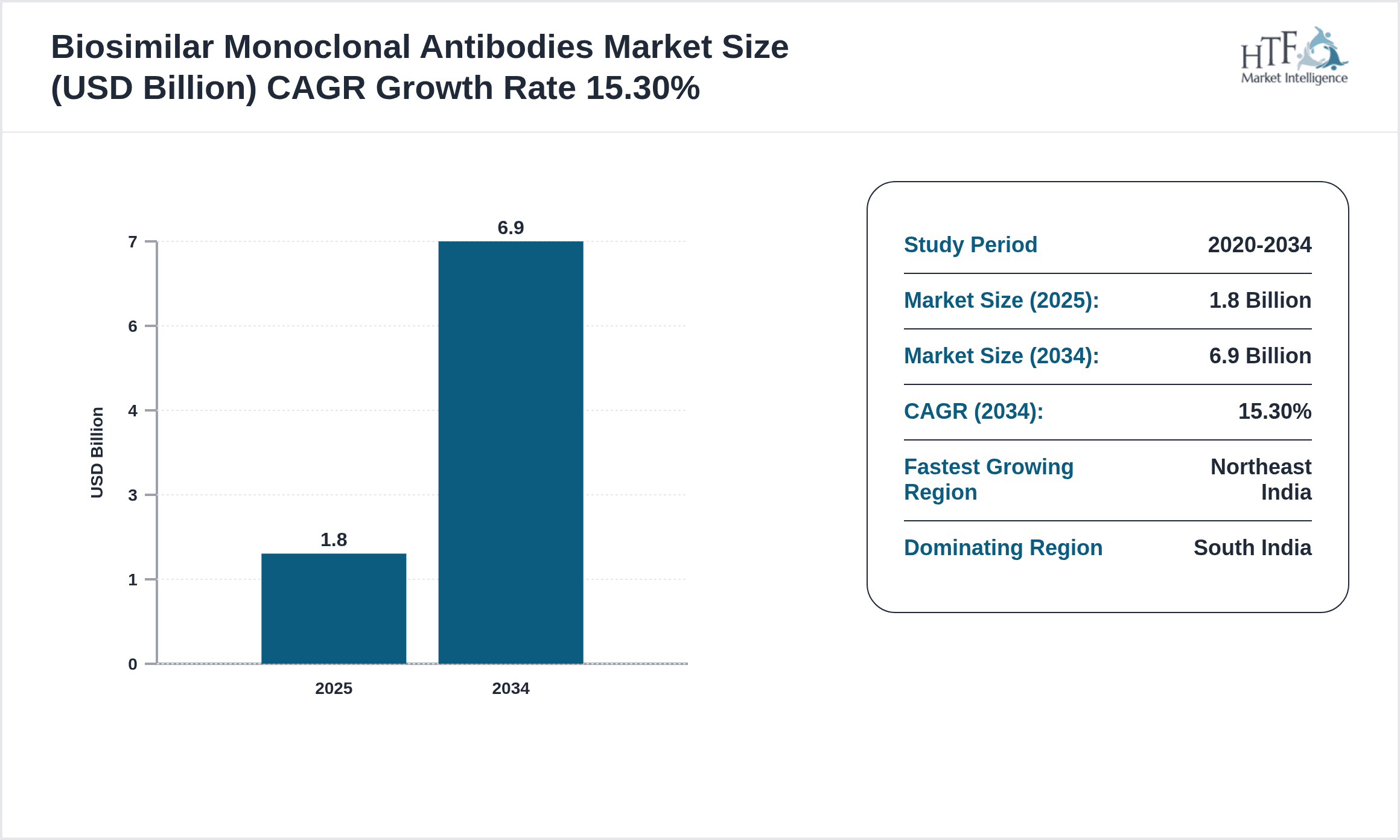
- •Market Value 2025: USD 1.8 Billion
- •Forecast Value 2034: USD 6.9 Billion
- •CAGR (2025 - 2034): 15.3%
- •India’s biosimilar monoclonal antibodies market is on a robust growth trajectory, fueled by rising demand, expanding healthcare access, and strong biopharmaceutical investments. This confident ascent underscores a maturing market with vast untapped potential.
Market Segments
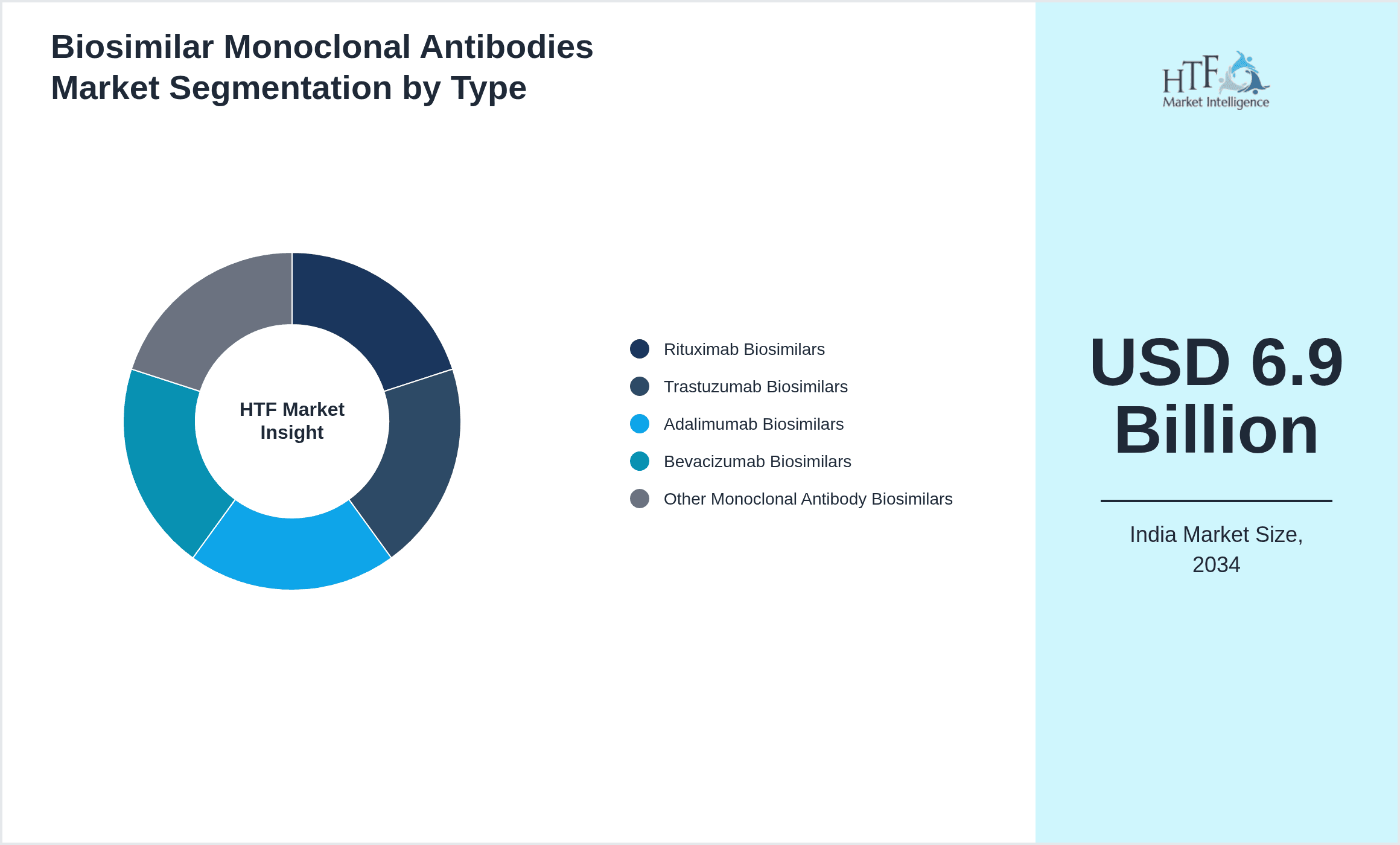
- •By Type
- ◦Rituximab Biosimilars
- ◦Trastuzumab Biosimilars
- ◦Adalimumab Biosimilars
- ◦Bevacizumab Biosimilars
- ◦Other Monoclonal Antibody Biosimilars
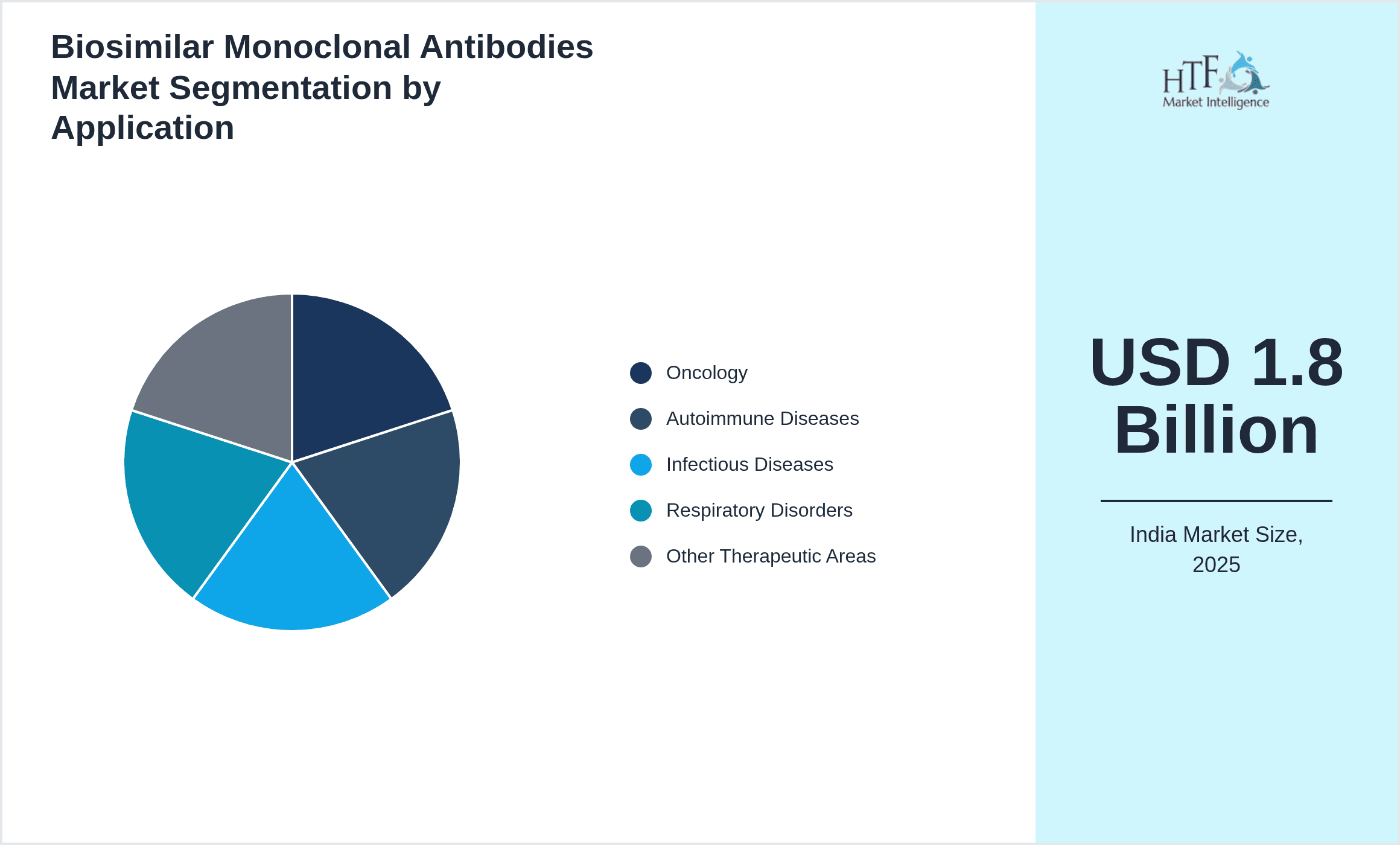
- •By Application
- ◦Oncology
- ◦Autoimmune Diseases
- ◦Infectious Diseases
- ◦Respiratory Disorders
- ◦Other Therapeutic Areas
- •By Manufacturing Process
- ◦Mammalian Cell Culture
- ◦Recombinant DNA Technology
- ◦Hybridoma Technology
- •By Distribution Channel
- ◦Hospital Pharmacies
- ◦Retail Pharmacies
- ◦Online Pharmacies
Key Growth Drivers
- •**Technology Advancements**: Cutting-edge bioprocessing and analytical technologies elevate biosimilar quality, accelerating product approvals and market penetration.
- •**Expanding Applications**: Increasing indications and therapeutic areas broaden biosimilar utilization beyond oncology to autoimmune and infectious diseases.
- •**Infrastructure & Investment Growth**: Strategic investments in biomanufacturing facilities and government support amplify production capabilities and innovation.
- •**Regulatory Streamlining**: Harmonization with global biosimilar guidelines expedites market entry and fosters investor confidence.
Regional Insights
- •South India dominates the biosimilar monoclonal antibodies landscape with a mature pharmaceutical ecosystem and advanced manufacturing hubs.
- •Northeast India emerges as the fastest-growing region, driven by increasing healthcare infrastructure and rising disease awareness.
- •Key regions including North India and West India contribute significantly with expanding clinical research and distribution networks.
- •Collectively, these regions orchestrate India’s ascent as a global biosimilar production and innovation center.
Players Profiled
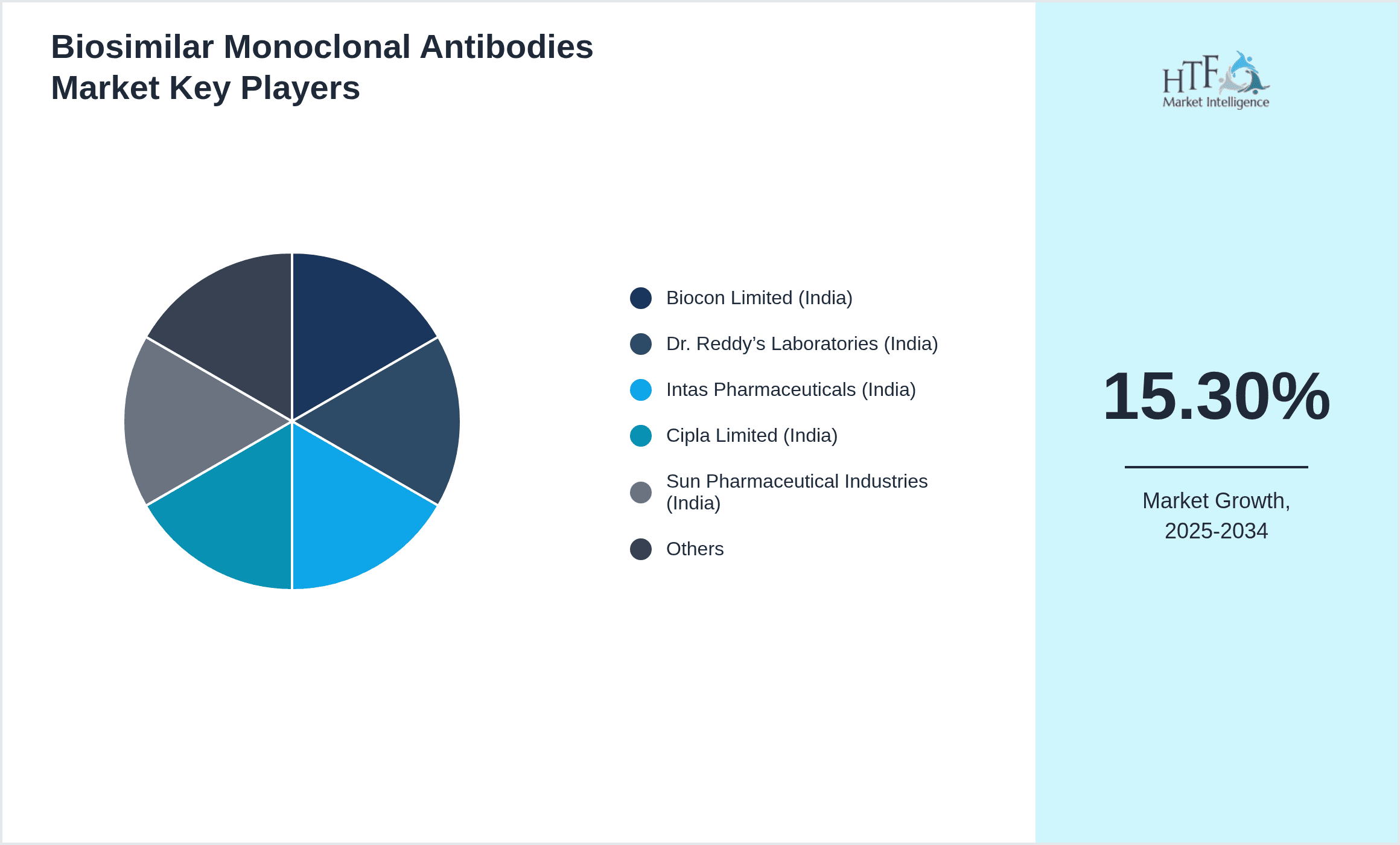
- •Biocon Limited (India): Pioneer in biosimilar monoclonal antibody innovation with a robust product pipeline targeting oncology and autoimmune diseases.
- •Dr. Reddy’s Laboratories (India): Expanding biosimilar portfolio with focus on affordability and accessibility in emerging Indian markets.
- •Intas Pharmaceuticals (India): Leveraging advanced biotechnologies to enhance biosimilar efficacy and manufacturing scale.
- •Cipla Limited (India): Investing in cutting-edge monoclonal antibody biosimilar development to capture growing therapeutic segments.
- •Sun Pharmaceutical Industries (India): Driving biosimilar monoclonal antibody innovation with strategic collaborations and technology adoption.
- •Lupin Limited (India): Focused on biosimilar advancements for autoimmune and oncology applications with scalable manufacturing.
- •Zydus Cadila (India): Integrating digital transformation in biosimilar development and distribution channels.
- •Hetero Drugs (India): Leading biosimilar production with emphasis on cost-efficiency and quality compliance.
- •Reliance Life Sciences (India): Innovating in monoclonal antibody biosimilars with state-of-the-art bioprocessing technologies.
- •Wockhardt Limited (India): Expanding biosimilar reach through global partnerships and R&D investments.
- •Glenmark Pharmaceuticals (India): Enhancing biosimilar monoclonal antibody portfolio with focus on emerging disease areas.
- •Aurobindo Pharma (India): Investing in biosimilar scale-up and regulatory expertise to strengthen market position.
- •Mylan Laboratories (India): Accelerating biosimilar approvals with innovative clinical and manufacturing processes.
- •Panacea Biotec (India): Focusing on biosimilar monoclonal antibodies targeting infectious and autoimmune disorders.
- •Torrent Pharmaceuticals (India): Driving innovation in biosimilar development with emphasis on quality and patient outcomes.
Segment Trends & Opportunities
- •Rituximab Biosimilars dominate the market due to high clinical adoption in oncology and autoimmune therapies.
- •Adalimumab Biosimilars exhibit the fastest growth, fueled by expanding autoimmune disease prevalence and market approvals.
- •Emerging shifts toward digital biomanufacturing and AI-driven molecular design optimize biosimilar development pipelines.
Future Outlook
- •Innovation in India’s biosimilar monoclonal antibodies market is poised for acceleration through AI integration, IoT-enabled manufacturing, and digital supply chain transformation. These advancements will enhance precision, reduce costs, and expand therapeutic reach, solidifying India’s leadership in global biosimilars.
- •Challenges such as regulatory complexities, high development costs, and market competition contrast with vast opportunities in expanding disease burden and government support. Strategic investments and policy reforms will balance these forces, driving sustainable growth and innovation.
Conclusion
- •Biosimilar monoclonal antibodies are pivotal to India’s healthcare transformation, delivering affordable biologics to millions.
- •Strong market growth validates India’s expanding role as a biosimilar innovation and manufacturing powerhouse.
- •Future innovations in AI, digital bioprocessing, and regulatory alignment will further elevate market potential and patient impact.
Regional Outlook
The South India currently holds a significant share of the market, primarily due to several key factors: increasing consumption rates, a burgeoning population, and robust economic momentum. These elements collectively drive demand, positioning this region as a leader in the market. On the other hand, Northeast India is rapidly emerging as the fastest-growing area within the industry. This remarkable growth can be attributed to swift infrastructure development, the expansion of various industrial sectors, and a marked increase in consumer demand. These dynamics make this region a crucial player in shaping future market growth.
In our report, we cover a comprehensive analysis of the following regions and countries:
- North India
- South India
- Central India
- East India
- West India
| Feature | Details |
|---|---|
| Base Year Market Size | USD 1.8 Billion |
| Forecast Year Market Size | USD 6.9 Billion |
| CAGR | 15.3% |
| Forecast Period | 2026 to 2033 |
| YoY Growth | 15.5% |
| Scope of Report | Market is segmented by Type (Rituximab Biosimilars, Trastuzumab Biosimilars, Adalimumab Biosimilars, Bevacizumab Biosimilars, Other Monoclonal Antibody Biosimilars), Application (Oncology, Autoimmune Diseases, Infectious Diseases, Respiratory Disorders, Other Therapeutic Areas), Manufacturing Process (Mammalian Cell Culture, Recombinant DNA Technology, Hybridoma Technology), Distribution Channel (Hospital Pharmacies, Retail Pharmacies, Online Pharmacies) |
| Regions Covered | North India, South India, Central India, East India, West India |
| Key Companies | Biocon Limited (India), Dr. Reddy’s Laboratories (India), Intas Pharmaceuticals (India), Cipla Limited (India), Sun Pharmaceutical Industries (India), Lupin Limited (India), Zydus Cadila (India), Hetero Drugs (India), Reliance Life Sciences (India), Wockhardt Limited (India), Glenmark Pharmaceuticals (India), Aurobindo Pharma (India), Mylan Laboratories (India), Panacea Biotec (India), Torrent Pharmaceuticals (India) |
India Biosimilar Monoclonal Antibodies Market Size, Growth & Revenue 2025-2034 - Table of Contents
Frequently Asked Questions (FAQ):
The Compact Track Loaders market is projected to grow at a CAGR of 6.8% from 2025 to 2030, driven by increasing demand in construction and agricultural sectors.
North America currently leads the market with approximately 45% market share, followed by Europe at 28% and Asia-Pacific at 22%. The remaining regions account for 5% of the global market.
Key growth drivers include increasing construction activities, rising demand for versatile equipment in agriculture, technological advancements in track loader design, and growing preference for compact equipment in urban construction projects.