
Southeast Asia Protein Hydrolysate Market Size, Growth & Revenue 2025-2034
Southeast Asia Protein Hydrolysate Market is segmented by Type (Enzymatic Hydrolysate, Acid Hydrolysate, Alkaline Hydrolysate, Fermentation Hydrolysate), Application (Food & Beverages, Nutraceuticals, Animal Feed, Pharmaceuticals, Cosmetics), Source Protein (Soy Protein, Whey Protein, Fish Protein, Collagen Protein, Pea Protein), Form (Powder, Liquid, Granules), and Geography (Singapore, Malaysia, Thailand, Indonesia, Vietnam, Philippines, Others)
Pricing
Report Overview
Executive Summary
- •The Unseen Guardian: Protein Hydrolysates Powering Southeast Asia’s Nutritional Revolution
- ◦Protein hydrolysates, produced through precise enzymatic or chemical breakdown of proteins, unlock superior bioavailability and functional benefits vital for health-conscious consumers and industries alike.
- •Robust Growth Driven by Nutrition and Innovation
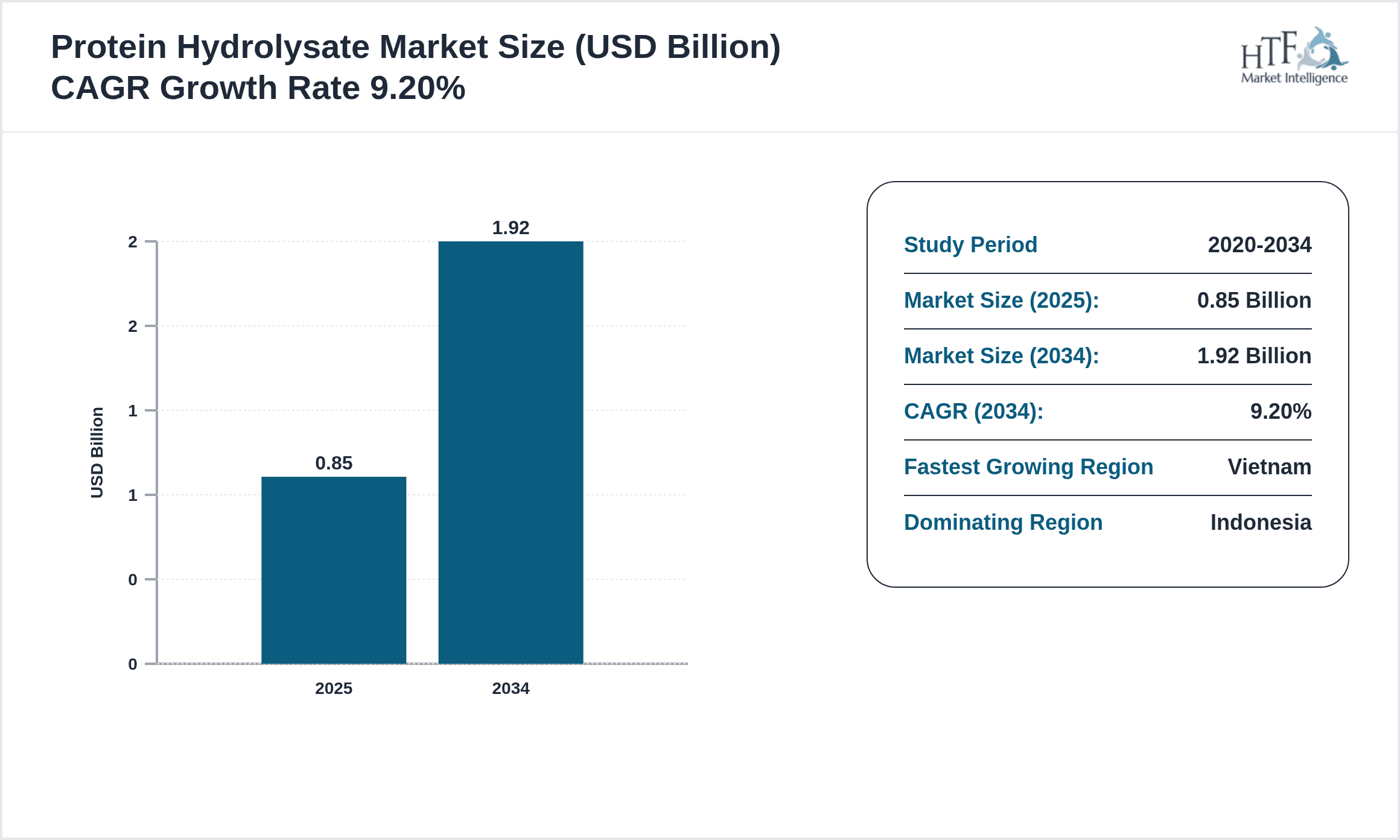
- ◦The market’s surge is fueled by escalating demand in functional foods, animal nutrition, and pharmaceuticals, with CAGR projected at 9.2% through 2034.
- •Strategic Importance as a Sustainable Protein Source
- ◦Protein hydrolysates emerge as a sustainable solution addressing protein quality, digestibility, and allergenicity challenges, positioning them as industry essentials in Southeast Asia’s evolving markets.
Competitive Landscape
The Southeast Asia Protein Hydrolysate market is characterized by intense competition among global manufacturers and regional specialists, each leveraging innovation, strategic partnerships, and localized production to capture market share. Companies adopt advanced enzymatic and fermentation technologies to differentiate products by quality and functionality. Pricing strategies align with regional cost structures and consumer affordability, while a focus on regulatory compliance and sustainability strengthens market positioning. Expansion through mergers, acquisitions, and joint ventures drives consolidation and growth, intensifying competitive dynamics. Digital transformation enhances supply chain transparency, product traceability, and customer engagement, positioning market leaders for sustainable success amidst evolving consumer demands and regulatory landscapes.
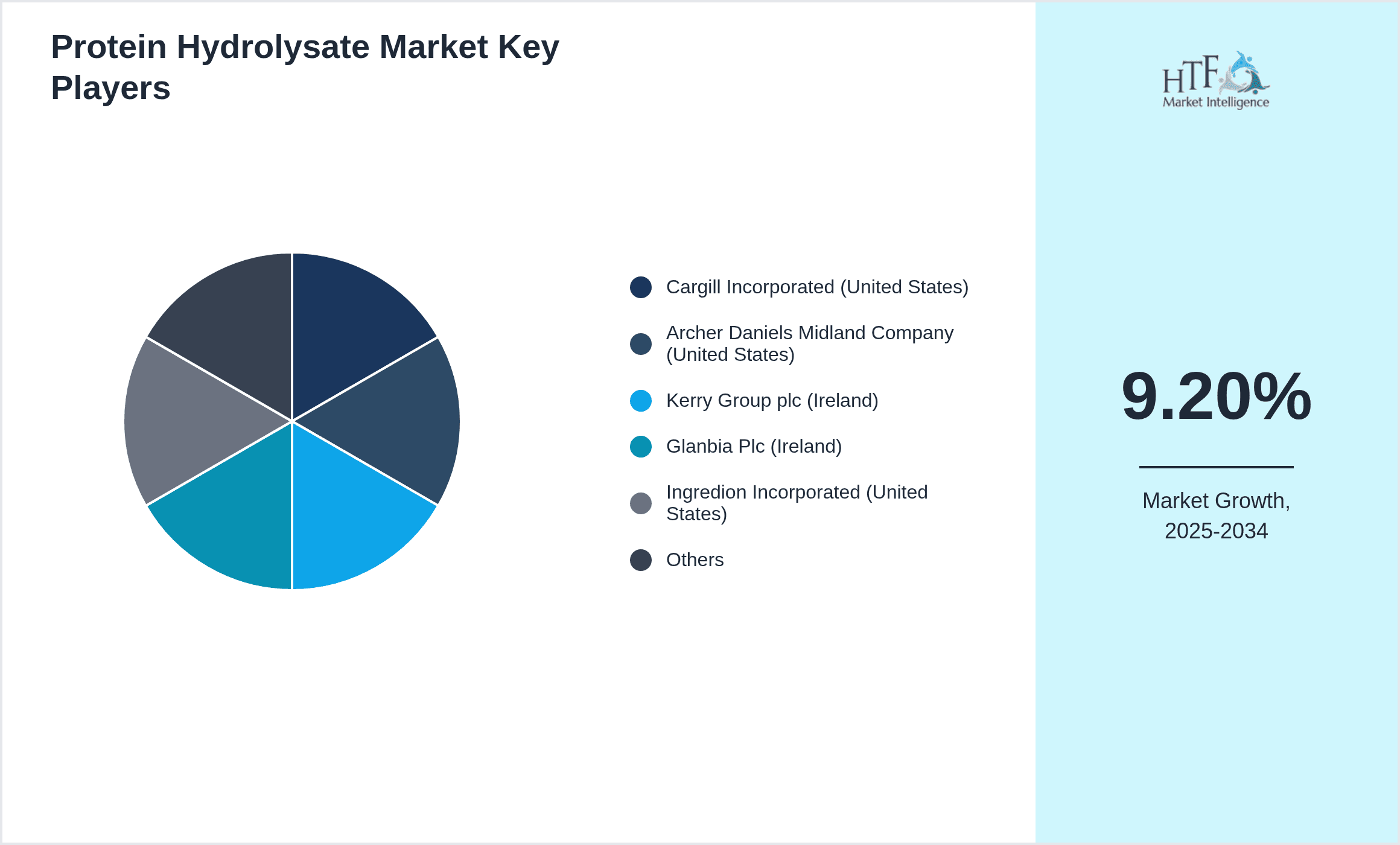
Leading Companies in Southeast Asia Protein Hydrolysate Market
- •Cargill Incorporated (United States)
- •Archer Daniels Midland Company (United States)
- •Kerry Group plc (Ireland)
- •Glanbia Plc (Ireland)
- •Ingredion Incorporated (United States)
- •Novozymes A/S (Denmark)
- •Mead Johnson Nutrition (United States)
- •Amano Enzyme Inc. (Japan)
- •Royal DSM N.V. (Netherlands)
- •Nippon Suisan Kaisha, Ltd. (Japan)
- •PT. Japfa Comfeed Indonesia Tbk (Indonesia)
- •Thai Union Group PCL (Thailand)
- •Wilmar International Limited (Singapore)
- •CP Group (Charoen Pokphand) (Thailand)
- •PT Charoen Pokphand Indonesia Tbk (Indonesia)

Market Segments
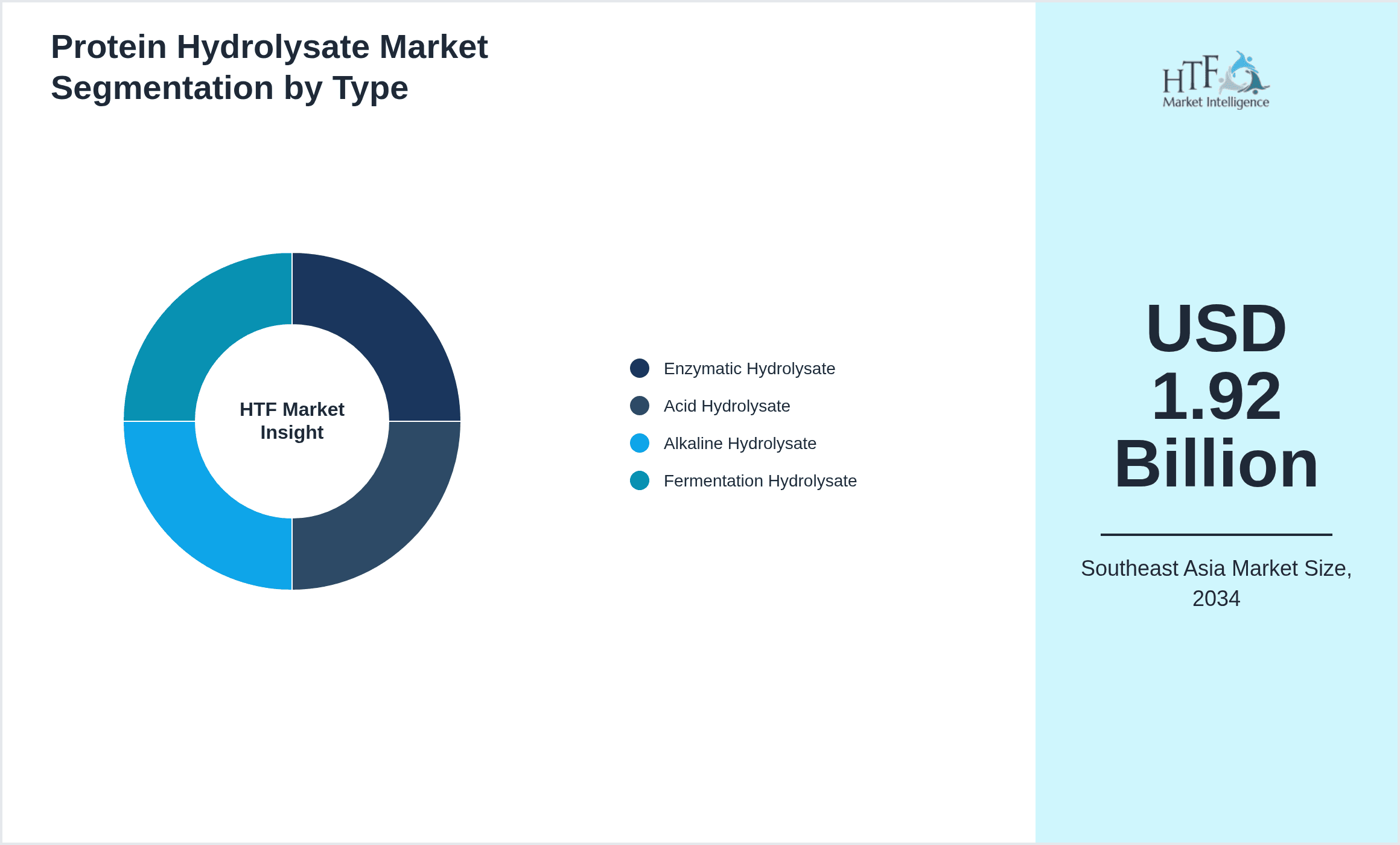
- •By Type
- ◦Enzymatic Hydrolysate
- ◦Acid Hydrolysate
- ◦Alkaline Hydrolysate
- ◦Fermentation Hydrolysate
- •By Application
- ◦Food & Beverages
- ◦Nutraceuticals
- ◦Animal Feed
- ◦Pharmaceuticals
- ◦Cosmetics
- •By Source Protein
- ◦Soy Protein
- ◦Whey Protein
- ◦Fish Protein
- ◦Collagen Protein
- ◦Pea Protein
- •By Form
- ◦Powder
- ◦Liquid
- ◦Granules
Key Growth Drivers
- •Technology Advancements
- ◦Innovations in enzymatic hydrolysis and fermentation techniques enhance protein functionality and bioactivity, driving product differentiation and expanding application scope.
- •Expanding Applications
- ◦Rising integration of protein hydrolysates in nutraceuticals, functional foods, and specialty animal nutrition boosts demand across diverse industries.
- •Infrastructure and Investment Growth
- ◦Increasing investments in production facilities and R&D centers across Southeast Asia accelerate capacity expansion and technology adoption.
Regional Insights
Southeast Asia’s Leading Markets and Emerging Hotspots
Players Profiled
- •Cargill Incorporated: Industry leader advancing enzymatic hydrolysate technology to improve product purity and functional performance in Southeast Asia.
- •Archer Daniels Midland Company: Expanding production capabilities in Indonesia to meet growing protein hydrolysate demand for food and feed applications.
- •Kerry Group plc: Driving innovation in flavor-enhancement technologies utilizing protein hydrolysates for the food & beverage sector.
- •Glanbia Plc: Pioneering specialized nutraceutical-grade protein hydrolysates with enhanced bioavailability and health benefits.
- •Ingredion Incorporated: Deploying fermentation hydrolysate methods to develop sustainable protein ingredients tailored for Southeast Asian consumers.
- •Novozymes A/S: Technology leader supplying advanced enzymes to optimize protein hydrolysate production processes region-wide.
- •Mead Johnson Nutrition: Innovating infant nutrition with hydrolysate-based formulas that improve digestibility and reduce allergenicity.
- •Amano Enzyme Inc.: Specializing in enzyme solutions enhancing protein hydrolysate yield and functional properties for pharmaceutical applications.
- •Royal DSM N.V.: Integrating digital transformation to streamline production and quality control of protein hydrolysates.
- •PT. Japfa Comfeed Indonesia Tbk: Expanding animal feed hydrolysate production, leveraging local raw materials and sustainable practices.
- •Thai Union Group PCL: Advancing seafood-based protein hydrolysate products for human and animal nutrition with sustainability focus.
- •Wilmar International Limited: Investing in large-scale production of plant-based protein hydrolysates to meet rising vegan and health-conscious consumer demand.
- •CP Group (Charoen Pokphand): Leading integration of protein hydrolysates in animal feed formulations to enhance growth performance and feed efficiency.
- •PT Charoen Pokphand Indonesia Tbk: Strengthening regional supply chain capabilities for protein hydrolysate ingredients targeting Southeast Asian markets.
Segment Trends & Opportunities
- •Dominating Segment
- ◦Enzymatic Hydrolysate leads the market due to superior functional properties and widespread acceptance in food and nutraceutical sectors.
- •Fastest-Growing Segment
- ◦Fermentation Hydrolysate exhibits rapid growth fueled by its sustainability credentials and novel bioactive profiles.
- •Emerging Technology Shift
- ◦Integration of digital enzymology and AI-driven process optimization enhances product quality, reduces costs, and accelerates innovation cycles.
Future Outlook
- •Innovation and Digital Transformation
- ◦Southeast Asia’s protein hydrolysate market advances through cutting-edge AI and IoT technologies, enabling real-time process monitoring and predictive quality control. Digital transformation accelerates personalized nutrition development and supply chain resilience, propelling long-term growth.
- •Challenges Versus Opportunity
- ◦While regulatory complexity and raw material price volatility pose obstacles, rising health consciousness and sustainable protein demand create vast opportunities. Strategic investments in R&D, coupled with regional collaboration, will unlock untapped potential and drive market leadership.
Conclusion
- •Protein hydrolysates serve as the cornerstone of Southeast Asia’s evolving nutrition and health landscape, delivering unmatched functional and bioactive benefits.
- •Strong market growth, validated by a 9.2% CAGR, reflects robust demand and strategic regional investments.
- •Innovation powered by AI and sustainable technologies will define the future trajectory, ensuring competitive edge and market resilience.
Regional Outlook
The Indonesia currently holds a significant share of the market, primarily due to several key factors: increasing consumption rates, a burgeoning population, and robust economic momentum. These elements collectively drive demand, positioning this region as a leader in the market. On the other hand, Vietnam is rapidly emerging as the fastest-growing area within the industry. This remarkable growth can be attributed to swift infrastructure development, the expansion of various industrial sectors, and a marked increase in consumer demand. These dynamics make this region a crucial player in shaping future market growth.
In our report, we cover a comprehensive analysis of the following regions and countries:
- Singapore
- Malaysia
- Thailand
- Indonesia
- Vietnam
- Philippines
- Others
| Feature | Details |
|---|---|
| Base Year Market Size | USD 0.85 Billion |
| Forecast Year Market Size | USD 1.92 Billion |
| CAGR | 9.2% |
| Forecast Period | 2026 to 2033 |
| YoY Growth | 9.4% |
| Scope of Report | Market is segmented by Type (Enzymatic Hydrolysate, Acid Hydrolysate, Alkaline Hydrolysate, Fermentation Hydrolysate), Application (Food & Beverages, Nutraceuticals, Animal Feed, Pharmaceuticals, Cosmetics), Source Protein (Soy Protein, Whey Protein, Fish Protein, Collagen Protein, Pea Protein), Form (Powder, Liquid, Granules) |
| Regions Covered | Singapore, Malaysia, Thailand, Indonesia, Vietnam, Philippines, Others |
| Key Companies | Cargill Incorporated (United States), Archer Daniels Midland Company (United States), Kerry Group plc (Ireland), Glanbia Plc (Ireland), Ingredion Incorporated (United States) |
Southeast Asia Protein Hydrolysate Market Size, Growth & Revenue 2025-2034 - Table of Contents
Frequently Asked Questions (FAQ):
The Compact Track Loaders market is projected to grow at a CAGR of 6.8% from 2025 to 2030, driven by increasing demand in construction and agricultural sectors.
North America currently leads the market with approximately 45% market share, followed by Europe at 28% and Asia-Pacific at 22%. The remaining regions account for 5% of the global market.
Key growth drivers include increasing construction activities, rising demand for versatile equipment in agriculture, technological advancements in track loader design, and growing preference for compact equipment in urban construction projects.