
Cerebral Thrombectomy Systems Market - Global Industry Size & Growth Analysis 2021-2034
Global Cerebral Thrombectomy Systems Market is segmented by Application (Stroke Intervention, Neurology, Interventional Radiology, Hospital Surgical Units, Acute Care Centers), Type (Stent Retriever Systems, Aspiration Catheter Systems, Mini Catheters, Neurovascular Access Systems, Retrieval Devices), and Geography (North America, LATAM, West Europe, Central & Eastern Europe, Northern Europe, Southern Europe, East Asia, Southeast Asia, South Asia, Central Asia, Oceania, MEA)
Pricing
Report Overview
INDUSTRY OVERVIEW
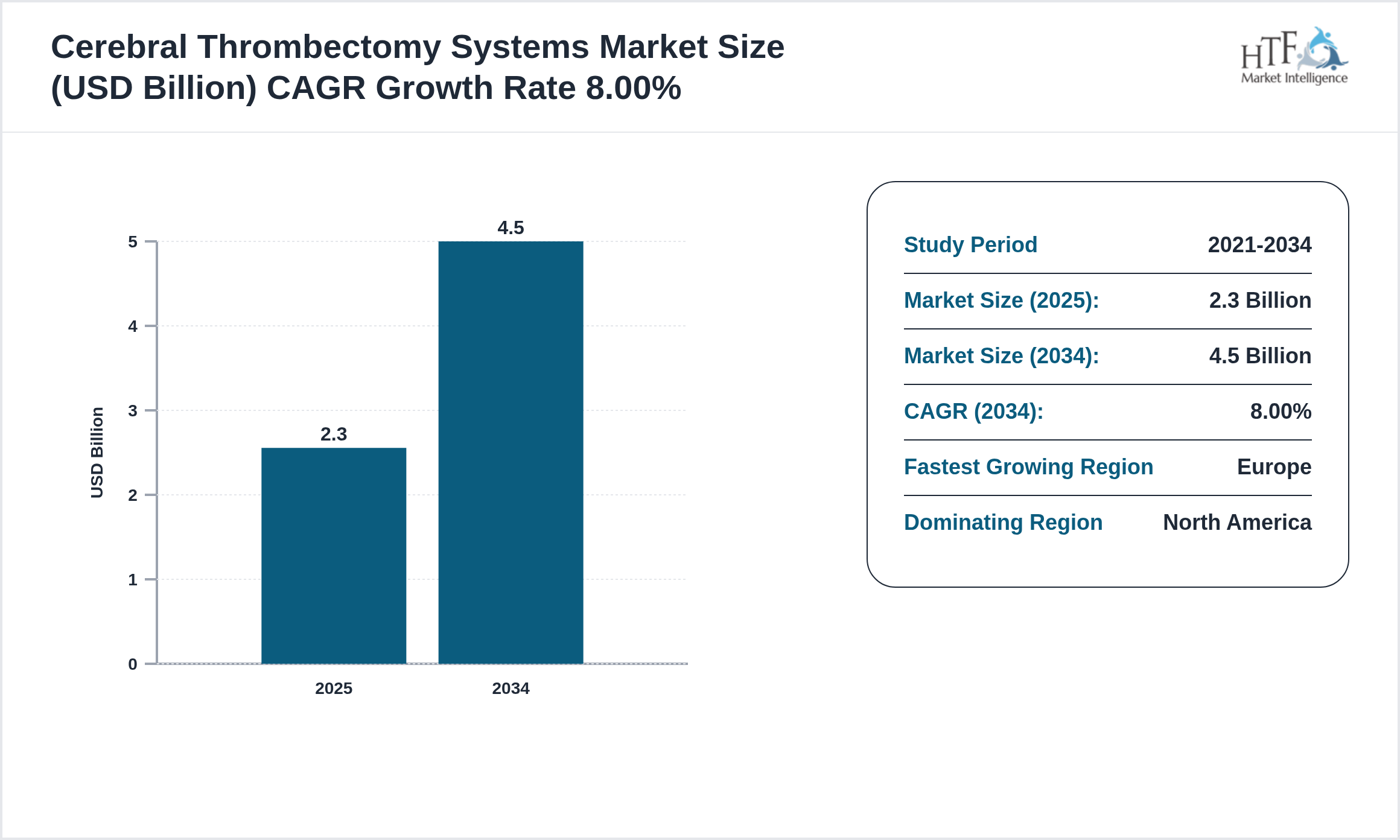
The Cerebral Thrombectomy Systems is growing at 8.00% and is expected to reach 4.5 billion by 2034. The below-mentioned are some of the dynamics shaping the Cerebral Thrombectomy Systems.
The Cerebral Thrombectomy Systems Market includes medical devices and interventional tools used to remove clots in acute ischemic stroke patients. It comprises stent retrievers, aspiration catheters, guidewires, imaging-compatible systems, and hospital integration while excluding general neurosurgical instruments. Growth is driven by stroke incidence, endovascular procedure adoption, and healthcare infrastructure expansion. Demand-side dynamics include procedure efficacy, device safety, and regulatory approvals. Supply-side transformation involves precision device manufacturing, training programs, and clinical support. Technological evolution encompasses improved clot retrieval efficiency, imaging guidance integration, and miniaturized delivery systems
Source: HTF Market Intelligence (HTF MI)
Understand Key Market Dynamics
Market Dynamics
Market Drivers:
The key drivers in the market include technological advancements, increasing demand by consumers for innovative products, and government-friendly policies.
- • The market is growing due to increasing prevalence of stroke neurovascular disorders and adoption of minimally invasive treatments
- • Hospitals and neurology centers are investing in advanced interventional devices
Some of the restraints to market growth may include regulatory challenges, high production costs, and disruptions in the supply chain.
- • Challenges include high device costs stringent regulatory approvals clinical training requirements and reimbursement issues
- • Procedural risks and limited specialized neuro-interventionists may restrict adoption
Among the trending ones are sustainability, digital transformation, and the increasing importance of data analytics.
- • The market is witnessing trends such as development of retrievable stent systems aspiration catheters AI-assisted imaging guidance and compact delivery devices
- • Integration with neuro-interventional suites and real-time monitoring is increasing
These include emerging markets, innovation in product development, and strategic partnerships.
- • Opportunities exist in hospitals stroke centers interventional radiology units and emerging healthcare markets
- • Expansion of emergency stroke treatment programs training for clinicians and adoption of advanced devices create revenue potential
Regulation Shaping the Healthcare Industry
The healthcare industry is significantly influenced by a complex framework of regulations designed to ensure patient safety, the efficacy of treatments, and the overall quality of care. Key regulatory areas include drug approval processes, medical device standards, and healthcare data protection. These regulations aim to maintain high standards for clinical practices and safeguard public health.
Get More Details on the Cerebral Thrombectomy Systems Market Study
SWOT Analysis in the Healthcare Industry
SWOT analysis in the healthcare industry involves a structured assessment of strengths, weaknesses, opportunities, and threats to identify strategic advantages and areas for improvement.
• Strengths: Evaluates internal factors such as advanced technology, skilled personnel, and strong brand reputation. For example, a hospital with cutting-edge medical equipment and specialized staff is considered to have a strong competitive edge.
• Weaknesses: Identifies internal limitations like outdated facilities, regulatory compliance issues, or high operational costs. Weaknesses could include inefficient processes or lack of innovation.
• Opportunities: Assesses external factors that could drive growth, such as emerging medical technologies, expanding markets, or favorable government policies. Opportunities might involve partnerships or new service lines.
• Threats: Examines external challenges such as increasing competition, changing regulations, or economic downturns. Threats might include new entrants with disruptive technologies or stricter regulatory requirements.
Market Segmentation
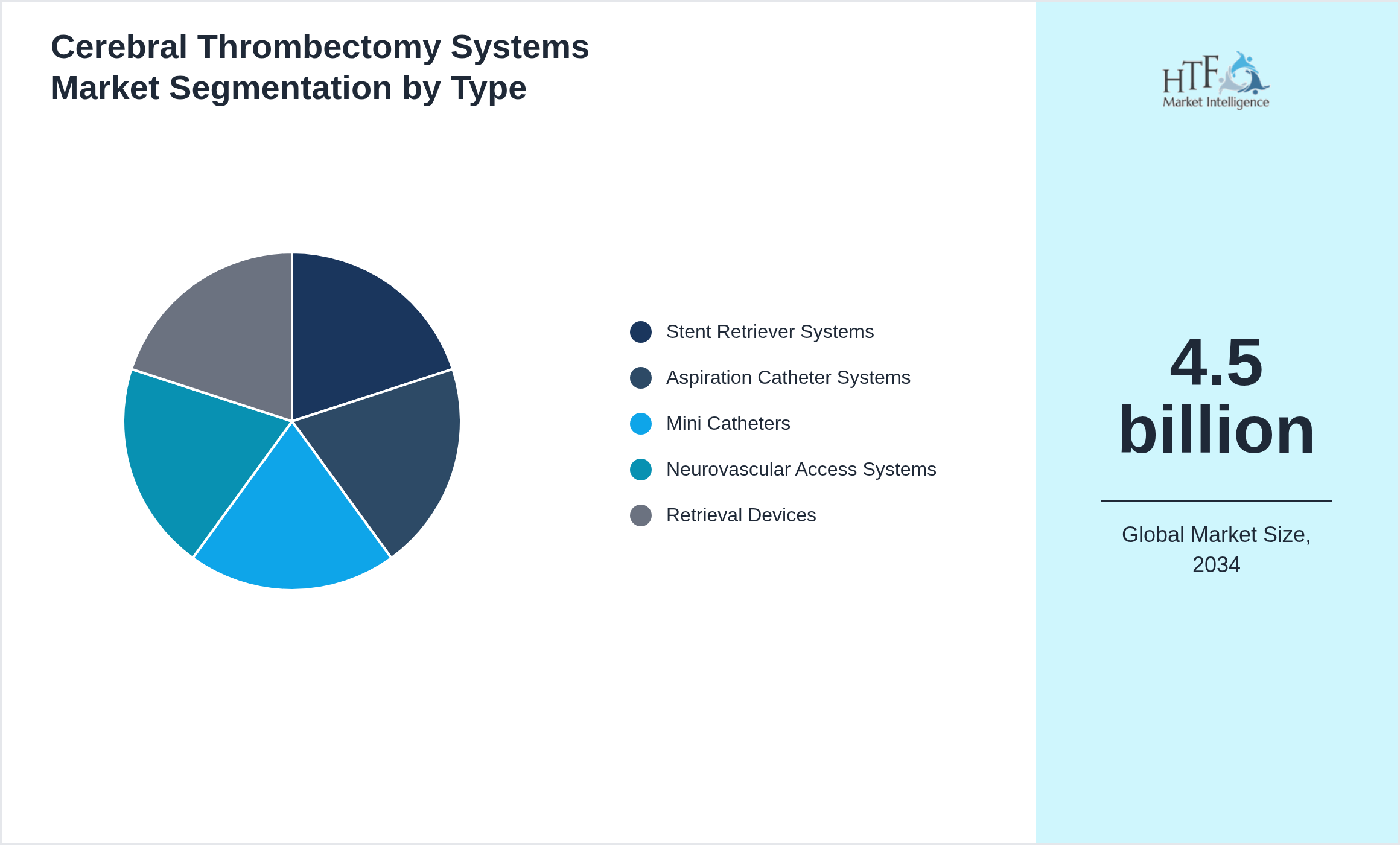
Segmentation by Type
- • Stent Retriever Systems
- • Aspiration Catheter Systems
- • Mini Catheters
- • Neurovascular Access Systems
- • Retrieval Devices
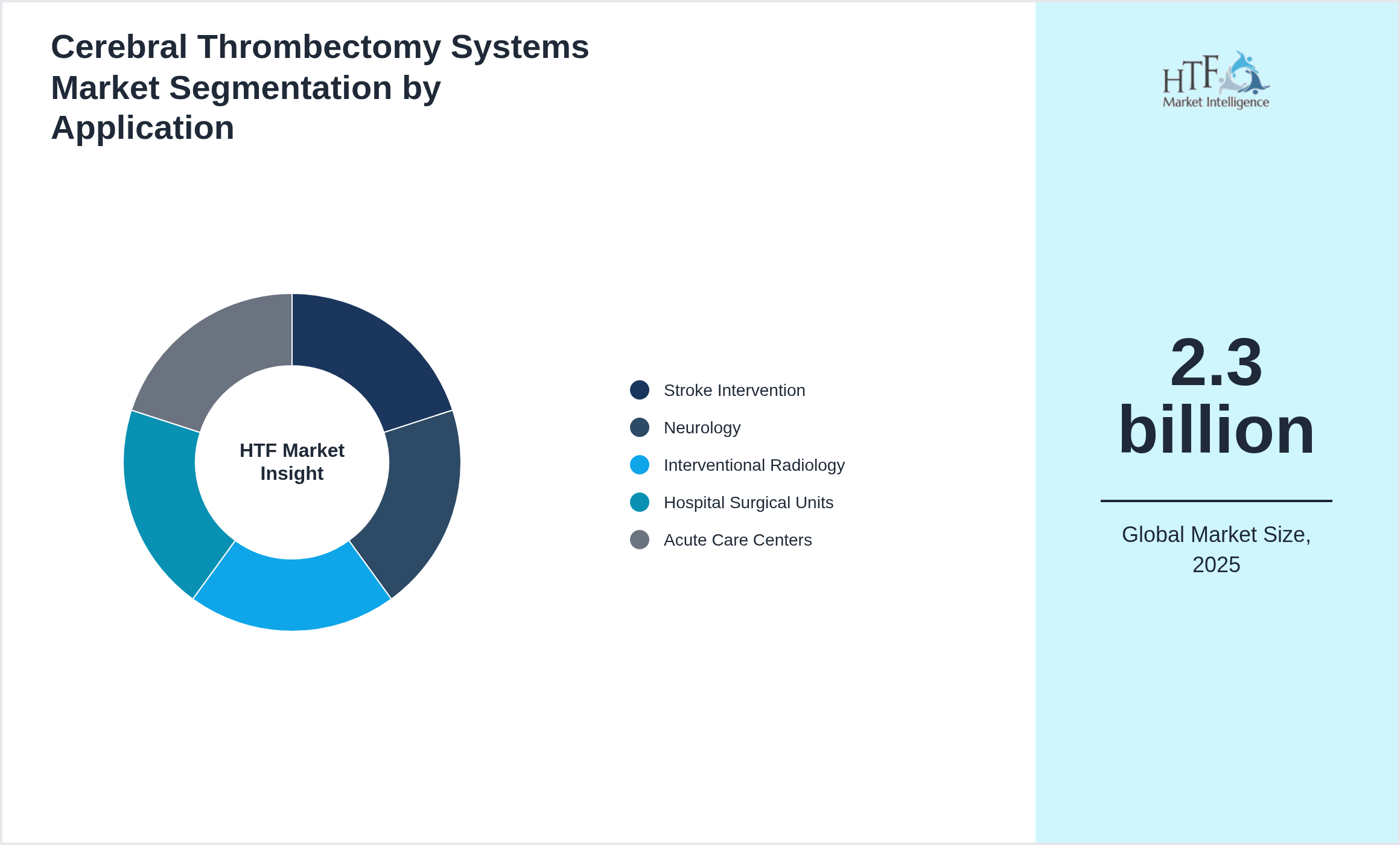
Segmentation by Application
- • Stroke Intervention
- • Neurology
- • Interventional Radiology
- • Hospital Surgical Units
- • Acute Care Centers
Regional Outlook
The North America currently holds a significant share of the market, primarily due to several key factors: increasing consumption rates, a burgeoning population, and robust economic momentum. These elements collectively drive demand, positioning this region as a leader in the market. On the other hand, Europe is rapidly emerging as the fastest-growing area within the industry. This remarkable growth can be attributed to swift infrastructure development, the expansion of various industrial sectors, and a marked increase in consumer demand. These dynamics make this region a crucial player in shaping future market growth. In our report, we cover a comprehensive analysis of the regions and countries, including
- North America
- LATAM
- West Europe
- Central & Eastern Europe
- Northern Europe
- Southern Europe
- East Asia
- Southeast Asia
- South Asia
- Central Asia
- Oceania
- MEA
The company consistently allocates significant resources to expand its research capabilities, develop new medical technologies, and enhance its pharmaceutical portfolio. Johnson & Johnson's investments in R&D, coupled with strategic acquisitions and partnerships, reinforce its position as a major contributor to advancements in healthcare. This focus on innovation and market expansion underscores the critical importance of the North American region in the global healthcare landscape.
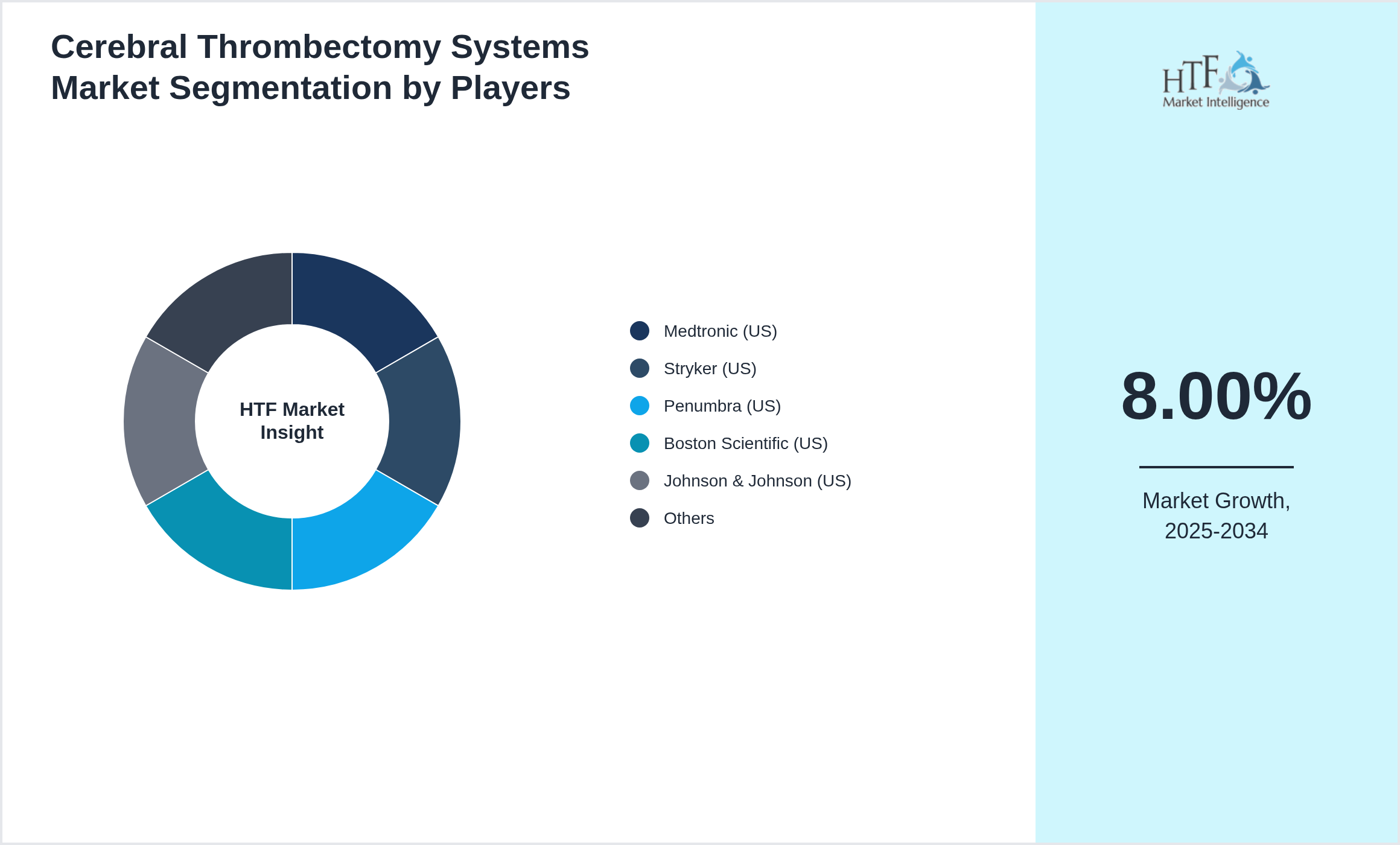
- • Medtronic (US)
- • Stryker (US)
- • Penumbra (US)
- • Boston Scientific (US)
- • Johnson & Johnson (US)
- • MicroVention (US)
- • Terumo (Japan)
- • Acandis (Germany)
- • Phenox (Germany)
- • Rapid Medical (Israel)
- • Balt (France)
- • Q’Apel (France)
- • Concentric Medical (US)
- • Neuravi (Ireland)
- • AngioDynamics (US)
- • LivaNova (UK)
- • Sequent Medical (US)
- • ReviveMed (US)
- • Abbott Vascular (US)
- • Asahi Intecc (Japan)
Key Development Activities
Regional Analysis
- • The global Cerebral Thrombectomy Systems market is concentrated in North America Europe and select Asia-Pacific countries due to advanced healthcare infrastructure and growing stroke treatment adoption. The United States leads in surgical procedure volume device innovation and hospital adoption while Germany and France support high regulatory compliance and reimbursement coverage. Asia-Pacific shows rising demand through hospital modernization and increasing stroke incidence. Investment in device R&D clinical trials and digital imaging integration strengthens market maturity and commercial expansion opportunities
Market Entropy
- • Q4 2025: Next-generation thrombectomy devices with AI-assisted navigation improved procedural success rates by 30% and reduced operation times in hospitals. Investment announcements supported production scale-up and clinical adoption programs
- • Q3 2025: Regulatory implementations expedited approval in multiple regions for advanced devices. Production modernization included automated device calibration and sterile packaging improvements
- • Q2 2025: Industry-wide operational shifts integrated digital imaging compatibility and remote procedure guidance enhancing surgical efficiency. Digital transformation initiatives enabled hospital network integration for patient data and procedure planning
- • Q1 2025: Sustainability milestones included reduction of single-use components and adoption of recyclable medical-grade materials lowering medical waste footprint
Merger & Acquisition
- • In 2024 increasing stroke diagnosis and emergency intervention procedures supported demand for cerebral thrombectomy systems
- • In 2025 innovation in AI-assisted and precision clot retrieval technologies accelerated market growth
- • By 2026 the market is projected to expand steadily with rising neurovascular healthcare adoption.
Regulatory Landscape
- • Cerebral thrombectomy systems are medical devices regulated under FDA 510(k)/PMA CE marking ISO 13485 and IEC 60601 standards. Compliance ensures safety efficacy and liability mitigation. Clinical trial approvals post-market surveillance and international registration processes influence production scalability and market entry. High certification and regulatory compliance costs elevate investment requirements but support long-term profitability and adoption in neurovascular intervention markets
Patent Analysis
- • The Global Cerebral Thrombectomy Systems market sees patent filings on innovative catheter designs clot retrieval devices and imaging-assisted navigation technologies. Medical device companies are registering trademarks for system brands and procedure-specific kits to strengthen market positioning. Copyright activity includes software used for imaging guidance workflow management platforms and digital training materials safeguarding proprietary clinical protocols and device software
Investment and Funding Scenario
- • The Cerebral Thrombectomy Systems segment has seen venture capital and private equity funding for clinical studies JV agreements between device innovators and major medtech firms to accelerate market entry non‑dilutive grants for regulatory approval pathways and new loan facilities to expand manufacturing capacity in compliance with medical device quality systems
Primary and Secondary Research
Primary research involves the collection of original data directly from sources in the healthcare industry. Approaches include the survey of health professionals, interviews with patients, focus groups, and clinical trials. This gives an overview of the current practice, the needs of the patient, and the interest in emerging trends. Firsthand information on the efficacy of new treatments, an assessment of market demand, and insight into changes in regulation can be sought only with primary research.
Secondary Research: This is the investigation of existing information from a variety of sources, which may include industry reports, academic journals, government publications, and market research studies. Alfred secondary research empowers them to understand trends within industries, historical data, and competitive landscapes. It gives a wide view of the market dynamics and validates findings obtained from primary research. By combining both primary and secondary together, health organizations will be empowered to develop comprehensive strategies and make informed decisions based on a strong foundation built on data.
Report Infographics
|
Report Features |
Details |
|
Base Year |
2025 |
|
Based Year Market Size (BASE_YEAR) |
2.3 billion |
|
Historical Period |
2021 to 2025 |
|
CAGR (2025 to 2034) |
8.00% |
|
Forecast Period |
2025 to 2034 |
|
Forecasted Period Market Size (2034) |
4.5 billion |
|
Scope of the Report |
Stent Retriever Systems, Aspiration Catheter Systems, Mini Catheters, Neurovascular Access Systems, Retrieval Devices, Stroke Intervention, Neurology, Interventional Radiology, Hospital Surgical Units, Acute Care Centers |
|
Regions Covered |
North America, LATAM, West Europe, Central & Eastern Europe, Northern Europe, Southern Europe, East Asia, Southeast Asia, South Asia, Central Asia, Oceania, MEA |
|
Companies Covered |
Medtronic (US), Stryker (US), Penumbra (US), Boston Scientific (US), Johnson & Johnson (US), MicroVention (US), Terumo (Japan), Acandis (Germany), Phenox (Germany), Rapid Medical (Israel), Balt (France), Q’Apel (France), Concentric Medical (US), Neuravi (Ireland), AngioDynamics (US), LivaNova (UK), Sequent Medical (US), ReviveMed (US), Abbott Vascular (US), Asahi Intecc (Japan) |
|
Customization Scope |
15% Free Customization (For EG) |
|
Delivery Format |
PDF and Excel through Email |