
China Antibiotics For Aquaculture Market Size, Growth & Revenue 2025-2034
China Antibiotics For Aquaculture Market is segmented by Application (Fish Farming, Shrimp Farming, Crab Farming, Mollusk Farming, Others) by Type (Tetracyclines, Sulfonamides, Quinolones, Macrolides, Others) by Formulation (Oral, Injectable, Others) by End-Use (Commercial Farms, Small-Scale Farms) Geography (North China, Northeast China, East China, South Central China, Southwest China, Northwest China)
Pricing
Report Overview
Market Scope
The China Antibiotics For Aquaculture market scope encompasses the manufacturing, supply, and application of antibiotic products specifically formulated for aquatic farming including fish, shrimp, crab, and mollusk species. This market includes various antibiotic classes such as tetracyclines, sulfonamides, quinolones, and macrolides in multiple formulations like oral and injectable forms. The scope excludes antibiotics used for terrestrial livestock and human consumption to maintain sector-specific focus. It covers the entire supply chain from raw material sourcing, pharmaceutical synthesis, formulation, packaging, distribution, and end-use application by commercial and small-scale farms. The market analysis integrates manufacturing economics, including cost structures, production utilization rates, and automation levels, alongside operational logistics such as cold chain requirements critical for antibiotic stability. Additionally, regulatory frameworks impacting antibiotic approvals, residue limits, and environmental compliance are integral to the scope, ensuring alignment with sustainable aquaculture practices and consumer safety mandates.
Regional Performance Analysis
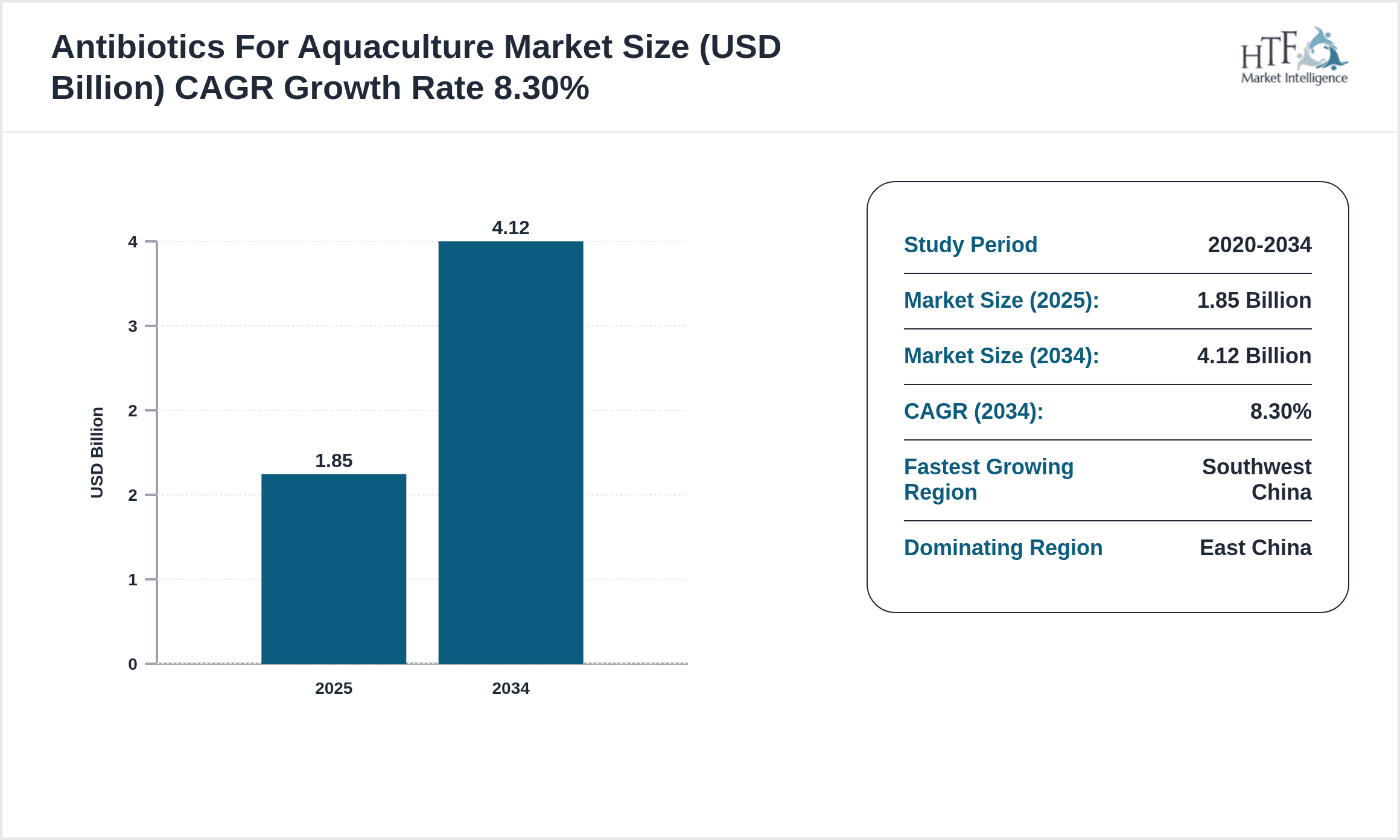
East China dominates the China Antibiotics For Aquaculture market due to its extensive aquaculture production infrastructure, high concentration of pharmaceutical manufacturers, and well-established supply-chain networks. The region's economic maturity supports advanced manufacturing facilities with high automation, optimizing production efficiency and ensuring consistent product quality. Consumption patterns reflect high demand from both commercial and export-oriented aquaculture enterprises, supported by robust cold chain logistics enabling efficient antibiotic distribution. South China follows closely, benefiting from rapid growth in shrimp and mollusk farming driven by favorable climatic conditions and increasing investment in sustainable farming practices. The import-export structure in these regions favors domestic antibiotic production with limited reliance on imports, enhancing supply security. Conversely, Southwest China is the fastest-growing region, propelled by expanding small-scale aquaculture farms and government incentives to modernize traditional farming methods. However, supply-chain infrastructure here faces challenges due to geographic constraints, which are being addressed through targeted investment in logistics and cold chain facilities. Overall, regional competitive advantages stem from proximity to raw material suppliers, concentrated R&D hubs, and evolving consumer trends demanding residue-free and environmentally safe antibiotic products.
Players Coverage
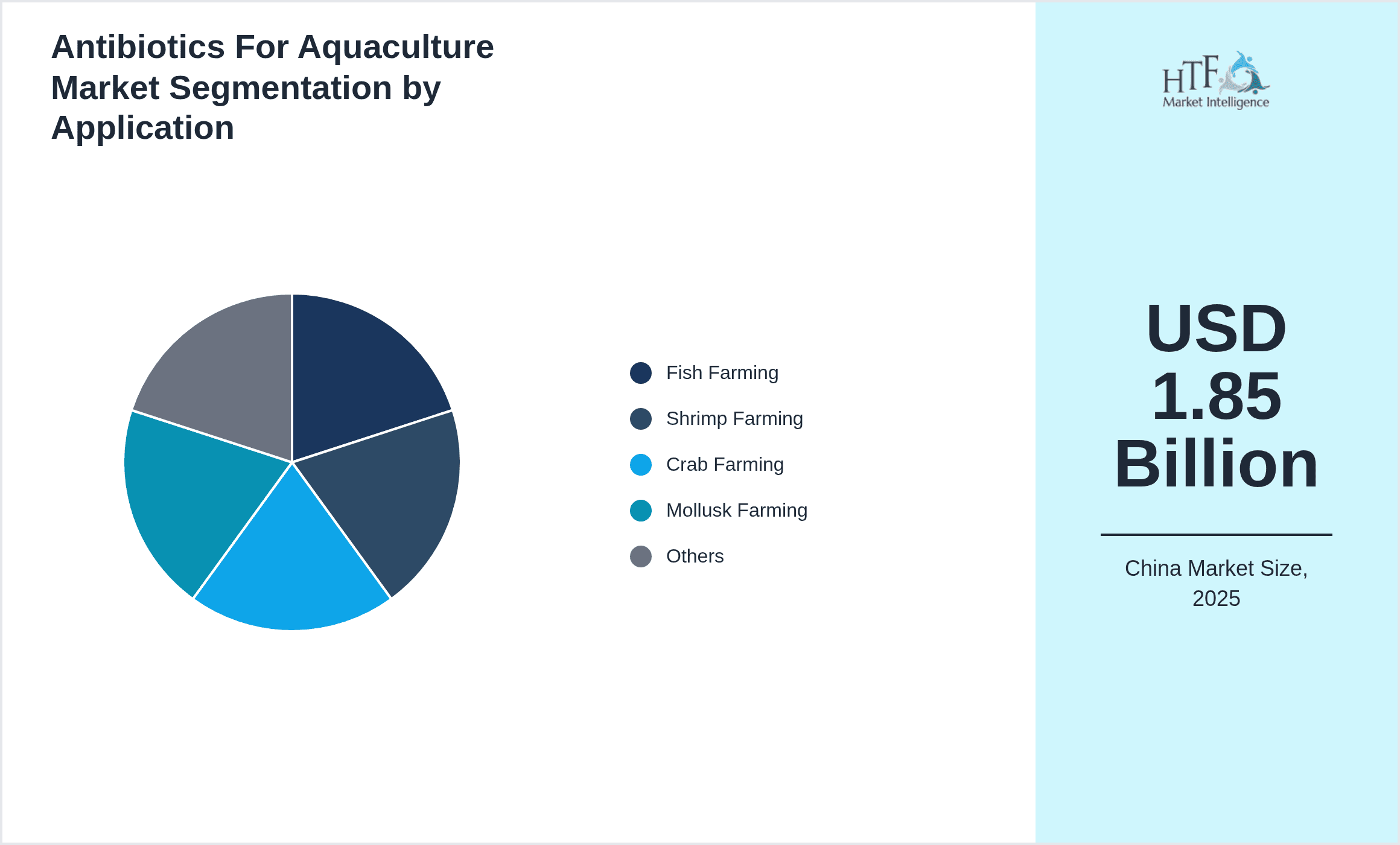
- •Zhejiang Hisun Pharmaceutical Co., Ltd. (China)
- •Hainan Poly Pharm Co., Ltd. (China)
- •Jiangsu Hengrui Medicine Co., Ltd. (China)
- •North China Pharmaceutical Group Corporation (China)
- •China National Pharmaceutical Group Corporation (Sinopharm) (China)
Competition Analysis
The competitive landscape of the China Antibiotics For Aquaculture market is characterized by moderate to high intensity, with established pharmaceutical manufacturers leveraging technological innovation and strategic partnerships to consolidate market share. Firms are increasingly adopting advanced synthesis techniques and precision formulation technologies to enhance antibiotic efficacy while minimizing environmental impact and residue risks. The innovation cycle is accelerating, driven by regulatory pressures and demand for sustainable alternatives, prompting significant R&D investments in novel antibiotic classes and delivery mechanisms. Competitive strategies include mergers and acquisitions to expand product portfolios and geographic reach, alongside collaborations with aquaculture enterprises for co-development and pilot testing of new formulations. Pricing strategies reflect a balance between cost optimization through manufacturing automation and premium pricing for high-performance, residue-compliant products. Distribution channels are evolving with increasing digitization and integration of cold chain logistics, enhancing product traceability and reducing supply chain losses. Entry barriers remain moderate, primarily due to stringent regulatory requirements and capital-intensive manufacturing upgrades, which preserve competitive advantages for incumbents. Future competition will intensify as disruptive technologies and eco-friendly products gain traction, necessitating continuous strategic agility.
Growth Drivers & Demand Determinants
- •Government initiatives promoting sustainable aquaculture and responsible antibiotic usage underpin regulatory support, fostering market growth through subsidies, certification programs, and strict residue monitoring.
- •Strategic partnerships between pharmaceutical manufacturers and large-scale aquaculture firms facilitate product innovation, adoption, and market penetration, enhancing operational efficiencies and expanding reach.
- •Technological innovations in antibiotic formulation and delivery, including precision dosing and environmentally friendly compounds, meet rising consumer demand for residue-free, safe aquaculture products.
Dominant Segments
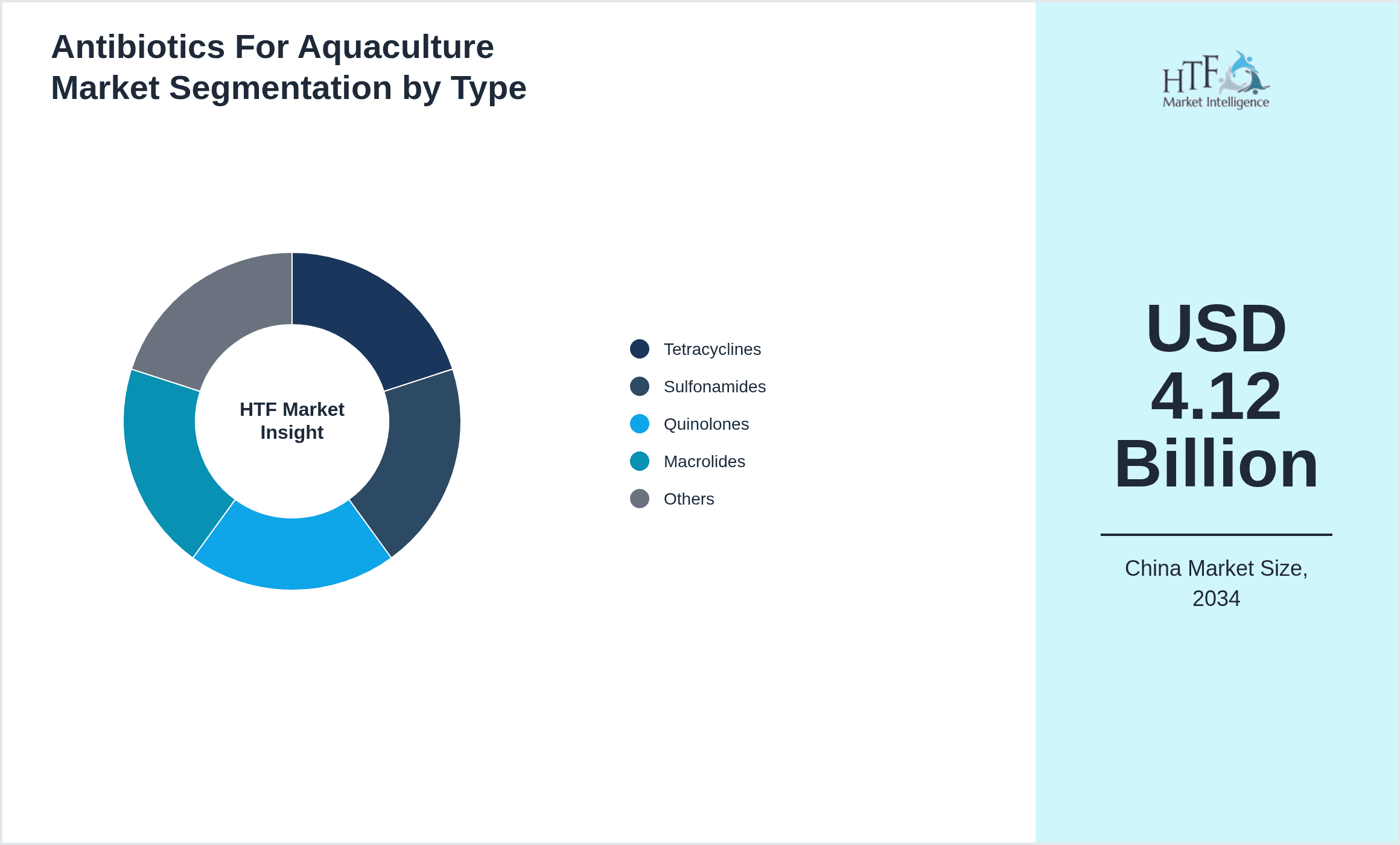
- •Tetracyclines hold the leading position among antibiotic types due to their broad-spectrum efficacy, cost-effectiveness, and established regulatory approval status within China’s aquaculture industry. These antibiotics are extensively used in fish and shrimp farming, supported by well-developed oral formulations that simplify administration in large-scale operations.
- •Commercial aquaculture farms dominate the end-use segment, leveraging economies of scale, advanced veterinary practices, and compliance with export-driven quality standards. These enterprises benefit from integrated supply chains, cold chain logistics, and professional veterinary services, which collectively enhance antibiotic utilization efficiency and reduce wastage.
- •The oral formulation segment leads due to operational convenience, cost efficiency, and compatibility with feed-based antibiotic delivery systems, favored by both large and small-scale aquaculture producers.
Market Segments & Classification
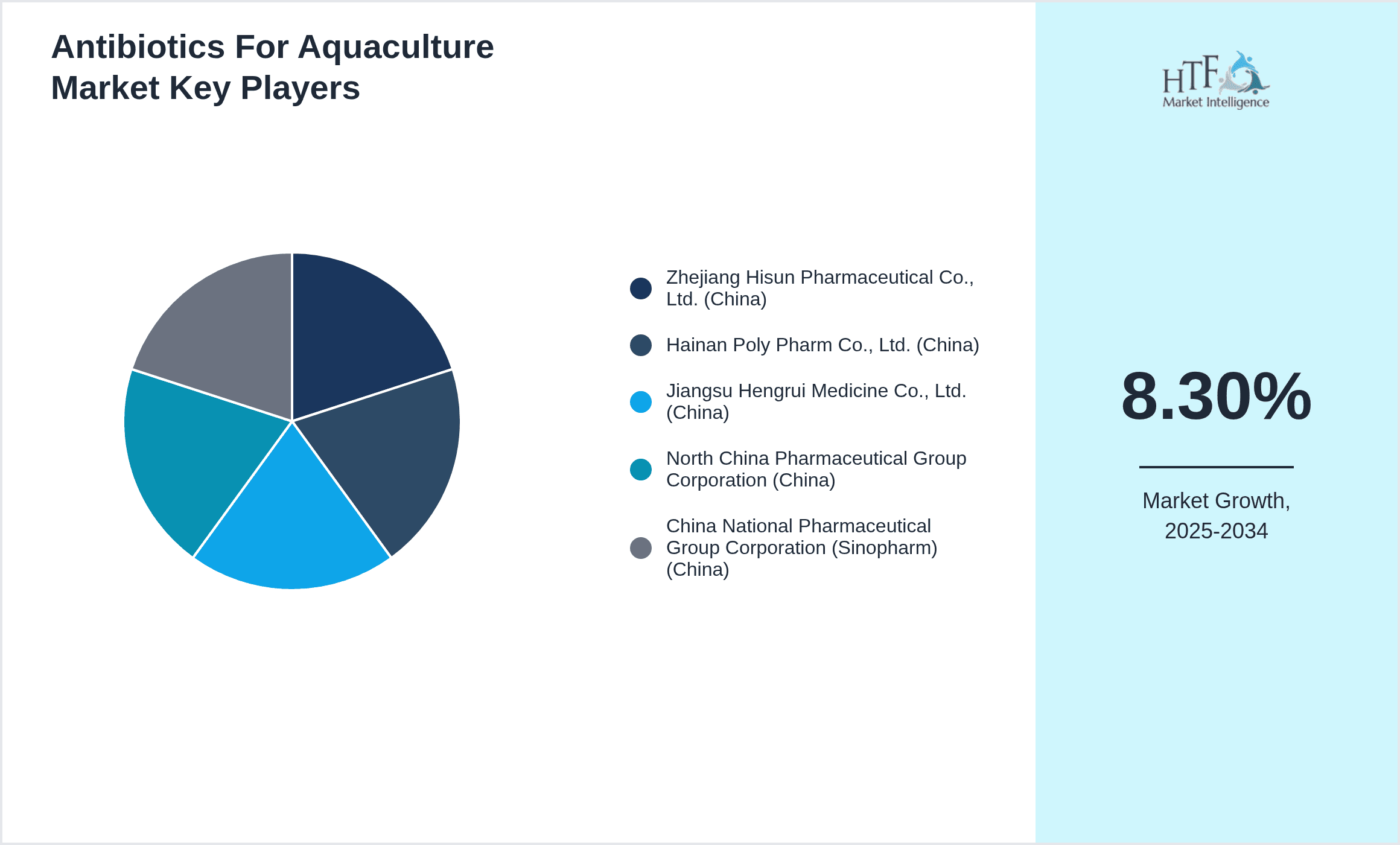
- •By Type
- ◦Tetracyclines
- ◦Sulfonamides
- ◦Quinolones
- ◦Macrolides
- ◦Others
- •By Application
- ◦Fish Farming
- ◦Shrimp Farming
- ◦Crab Farming
- ◦Mollusk Farming
- ◦Others
- •By Formulation
- ◦Oral
- ◦Injectable
- ◦Others
- •By End-Use
- ◦Commercial Farms
- ◦Small-Scale Farms
Regulatory Constraints
- •China’s environmental regulations impose strict limits on antibiotic residues in aquaculture products, compelling manufacturers to develop formulations that comply with Maximum Residue Limits (MRLs) to prevent ecosystem contamination and protect consumer health.
- •Sustainability mandates and certification standards enforce responsible antibiotic usage, heightening supplier scrutiny and elevating operational costs related to compliance, quality assurance, and traceability.
- •Trade restrictions and import controls affect availability of certain advanced antibiotic raw materials, while inflationary pressures on inputs and energy costs escalate manufacturing expenses, challenging pricing strategies.
Future Outlook of Antibiotics For Aquaculture Market
- •Future expansion is anticipated in precision aquaculture antibiotic applications, supported by AI-enabled dosing systems and real-time disease monitoring, enhancing treatment efficacy and environmental safety.
- •East China will remain the dominant region, driven by sustained industrial investments, advanced manufacturing capabilities, and proximity to export hubs.
- •Long-term industry transformation will be shaped by integration of sustainable antibiotic alternatives, enhanced regulatory frameworks, and digital supply chain innovations fostering transparency and efficiency.
The Road Ahead: Digital Transformation Revolution
- •The China Antibiotics For Aquaculture market is poised for transformative growth driven by digital technologies integrating production automation, supply chain digitization, and AI-powered disease management, collectively optimizing antibiotic usage and reducing environmental impact.
- •This digital revolution will yield long-term benefits including enhanced operational efficiency, improved compliance, and stronger market positioning for industry participants committed to innovation and sustainability.
Regional Outlook
The East China currently holds a significant share of the market, primarily due to several key factors: increasing consumption rates, a burgeoning population, and robust economic momentum. These elements collectively drive demand, positioning this region as a leader in the market. On the other hand, Southwest China is rapidly emerging as the fastest-growing area within the industry. This remarkable growth can be attributed to swift infrastructure development, the expansion of various industrial sectors, and a marked increase in consumer demand. These dynamics make this region a crucial player in shaping future market growth.
In our report, we cover a comprehensive analysis of the following regions and countries:
- North China
- Northeast China
- East China
- South Central China
- Southwest China
- Northwest China
| Feature | Details |
|---|---|
| Base Year Market Size | USD 1.85 Billion |
| Forecast Year Market Size | USD 4.12 Billion |
| CAGR | 8.3% |
| Forecast Period | 2026 to 2033 |
| YoY Growth | 7.9% |
| Regions Covered | North China, Northeast China, East China, South Central China, Southwest China, Northwest China |
| Key Companies | Zhejiang Hisun Pharmaceutical Co., Ltd. (China), Hainan Poly Pharm Co., Ltd. (China), Jiangsu Hengrui Medicine Co., Ltd. (China), North China Pharmaceutical Group Corporation (China), China National Pharmaceutical Group Corporation (Sinopharm) (China) |
China Antibiotics For Aquaculture Market Size, Growth & Revenue 2025-2034 - Table of Contents
Frequently Asked Questions (FAQ):
The Compact Track Loaders market is expected to see value worth 5.3 Billion in 2025.
North America currently leads the market with approximately 45% market share, followed by Europe at 28% and Asia-Pacific at 22%. The remaining regions account for 5% of the global market.
Key growth drivers include increasing construction activities, rising demand for versatile equipment in agriculture, technological advancements in track loader design, and growing preference for compact equipment in urban construction projects.