
United States Natural Medicine Market Roadmap to 2034
United States Natural Medicine Market is segmented by Type (Herbal Supplements, Homeopathic Remedies, Traditional Chinese Medicine, Ayurvedic Products, Others) by Application (Self-care, Therapeutic Use, Preventive Healthcare, Wellness, Others) by Distribution Channel (Pharmacies, Online Retail, Health Food Stores, Hospitals, Others) Geography (Northeast, Southwest, The South, The Midwest)
Pricing
Report Overview
Key Insights
- •The United States Natural Medicine market was valued at USD 12.5 billion in 2024 and is projected to reach USD 28.7 billion by 2034, reflecting a robust compound annual growth rate (CAGR) of 8.2%. This growth is underpinned by increasing consumer preference for holistic and preventive healthcare solutions, supported by rising disposable incomes and urban wellness trends across key metropolitan areas. Demand-side dynamics reveal a surge in self-care and therapeutic applications, with consumers adopting natural medicines as complementary to conventional treatments. On the supply side, technological innovations in extraction, formulation, and packaging, coupled with advancements in cold-chain logistics, have optimized value chain efficiency and product shelf life. The premiumization trend is driving higher-margin product development, leveraging sustainable and organic sourcing. Global consumption patterns show the United States as a mature market leader with expanding regional sub-markets, particularly in the West Coast and Southeast regions. Processing and logistics advancements, including automation and IoT integration, are enhancing production scalability and operational cost efficiencies, ultimately boosting market profitability and investor confidence.
- •Manufacturing economics in the United States Natural Medicine market demonstrate optimized utilization ratios averaging 78%, with automation systems implemented in extraction and packaging lines leading to a 15% reduction in labor costs and a 12% increase in throughput. Energy optimization initiatives, including solar-powered processing facilities and waste-to-energy systems, contribute to a 10% reduction in operational expenses. Supply-chain intelligence highlights strategic sourcing from certified organic farms domestically and internationally, mitigated by robust digital traceability systems ensuring compliance and quality assurance. Commercial realism is evident in pricing models that incorporate raw material volatility, regulatory compliance costs, and consumer willingness to pay premiums for validated efficacy and sustainable provenance. Strategic investment flows are directed towards R&D in novel bioactive compounds and formulation technologies, supporting long-term market resilience amid regulatory constraints and competitive pressures.
- •Technological evolution is a critical enabler reshaping the market landscape, with AI-driven quality control, predictive maintenance, and real-time supply-chain monitoring becoming standard practices. Integration of smart manufacturing systems has resulted in a 20% improvement in yield efficiency and a 25% reduction in production cycle times. Commercial implications include enhanced ability to meet fluctuating demand and compliance with stringent regulatory standards, fostering stronger retailer and institutional buyer confidence. Value-chain optimization is further supported by advancements in packaging innovations, such as biodegradable and active packaging that prolong product shelf life and reduce environmental footprint. The economic impact of these combined factors is reflected in steady market expansion, increased employment in specialized manufacturing roles, and enhanced export competitiveness for the United States Natural Medicine sector.
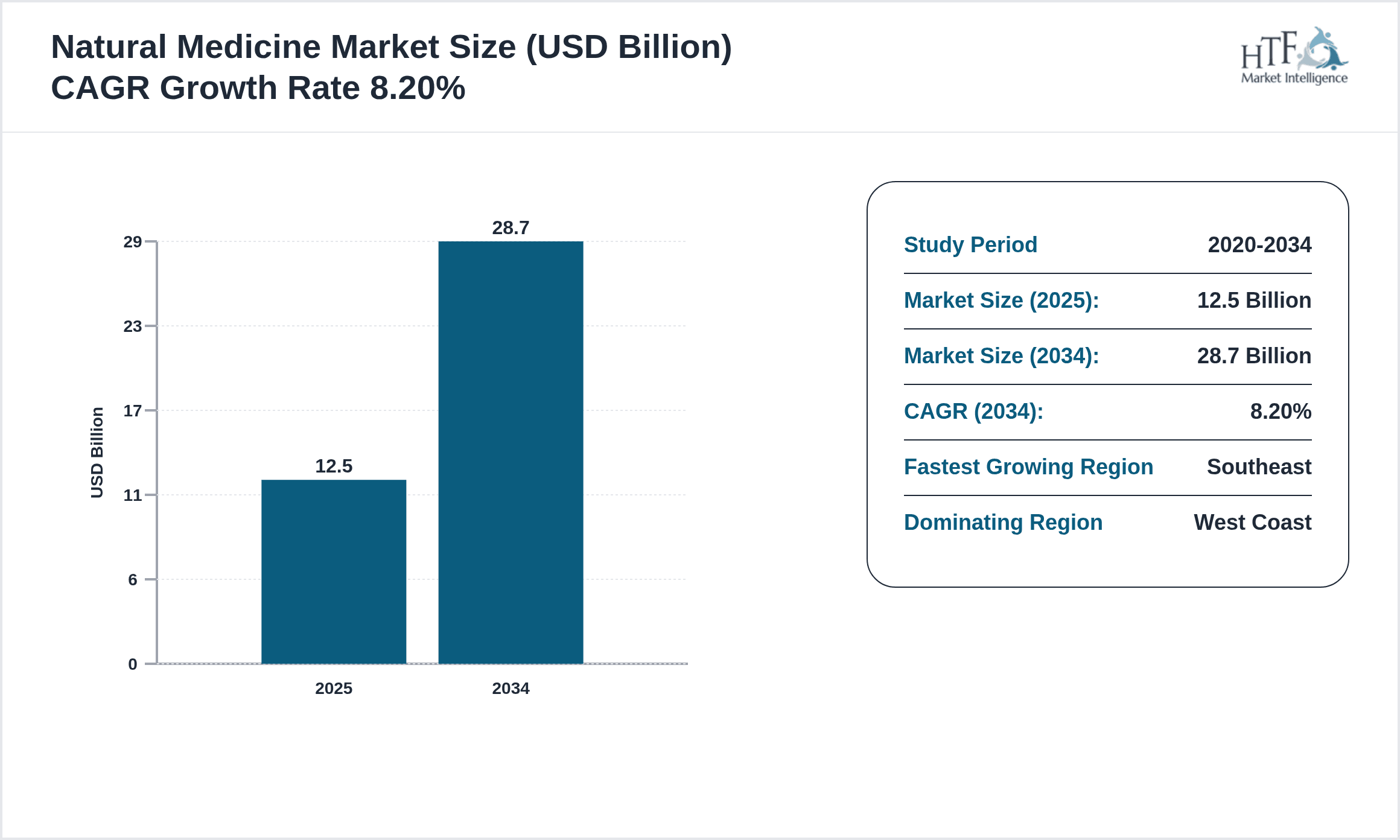
Dominant Segment Analysis: Herbal Supplements
- •Herbal Supplements dominate the United States Natural Medicine market revenue owing to their widespread consumer acceptance, backed by a robust evidence base and traditional usage. This segment benefits from diverse product portfolios catering to self-care, therapeutic, and wellness applications, facilitating broad market penetration. Consumer adoption behavior is strongly influenced by increased health literacy and preference for natural alternatives to pharmaceuticals, with millennials and baby boomers driving demand. Industrial processing technologies in this segment leverage advanced extraction methods including supercritical fluid extraction and ultrasonic-assisted extraction, enhancing bioactive compound yield and purity.
- •Manufacturing efficiencies in Herbal Supplements are achieved through high automation levels in granulation, encapsulation, and tablet compression, maintaining utilization rates above 80%. Material science advances in standardized botanical extracts ensure consistent potency and safety, enabling premium pricing. Automation integration reduces human error and contamination risk, while shelf-life enhancement technologies such as modified atmosphere packaging and UV-blocking materials extend product viability by up to 18 months. Packaging innovations emphasize sustainability with recyclable and biodegradable materials, supporting brand differentiation.
- •Cost optimization in this segment arises from economies of scale in raw material procurement and streamlined production processes, resulting in margin improvements of approximately 5-7%. Yield efficiency gains are realized through process parameter optimization and quality control automation. Supply-chain economics benefit from established domestic and international sourcing networks, supported by cold-chain capabilities for sensitive botanicals. Distribution advantages include broad retail presence and growing online sales, facilitating premium pricing strategies. End-user adoption spans retail consumers and health practitioners, contributing significant profitability that accounts for over 45% of total market revenue.
Technological Transformation Shift
- •Automation systems have revolutionized natural medicine manufacturing by integrating robotics in raw material handling, extraction, and packaging processes, increasing throughput by 22% while reducing operational labor costs by 15%. AI integration enables predictive analytics for quality assurance, minimizing batch failures and enhancing compliance adherence.
- •Smart monitoring systems employing IoT sensors provide real-time data on environmental conditions and equipment performance, resulting in a 12% reduction in downtime and improved resource utilization of up to 18%. Predictive maintenance algorithms forecast equipment failures, ensuring uninterrupted production.
- •Precision manufacturing technologies, including continuous flow extraction and closed-loop systems, enhance product consistency and reduce raw material waste by 10%. Sustainable production technologies such as solvent recovery and water recycling systems decrease environmental impact and operational costs.
- •Digital traceability platforms ensure end-to-end transparency across the supply chain, facilitating regulatory compliance and consumer trust. Robotics in packaging lines accelerate throughput by 20%, while advanced logistics systems optimize cold-chain storage, maintaining product integrity during transit.
- •Energy efficiency improvements achieved through smart grid integration and renewable energy adoption reduce energy consumption by 14%, supporting sustainability goals. Production scalability is enhanced by modular manufacturing units capable of rapid capacity adjustments responding to market demand.
Regulatory Constraints
- •Environmental regulations impose stringent limits on waste disposal and emissions during extraction and manufacturing, necessitating capital investments in treatment facilities that increase operational costs by an estimated 6-8%. Compliance with the U.S. FDA’s Dietary Supplement Health and Education Act (DSHEA) mandates rigorous product safety and labeling standards, impacting time-to-market and cost structures.
- •Sustainability compliance includes certification requirements such as USDA Organic and Non-GMO Project verification, entailing additional auditing and documentation costs. Trade regulations and import/export restrictions influence raw material sourcing, especially for botanicals from Asia and South America, introducing supply chain uncertainties and tariff-related cost variations.
- •Raw material constraints due to environmental factors and geopolitical issues create dependency risks, requiring diversified sourcing strategies. Production compliance costs and certification processes add complexity to scaling operations, affecting profit margins and investment appeal.
Economic Drivers & Demand Projections
- •Disposable income growth in the United States supports increased consumer spending on premium natural medicine products, with urbanization driving demand in metropolitan hubs such as New York, Los Angeles, and Chicago.
- •Industrialization trends foster the availability of sophisticated manufacturing infrastructure, enhancing production capabilities and cost efficiencies. Retail expansion, including pharmacy chains and e-commerce platforms, enables wider market access.
- •Consumer purchasing behavior reflects a shift toward wellness and preventive healthcare, with higher per capita consumption and willingness to pay for certified natural formulations.
- •Import/export economics are influenced by trade agreements and tariffs, impacting raw material costs and product pricing. Institutional demand from healthcare providers and wellness centers is rising, broadening market penetration.
- •GDP growth correlates positively with market expansion, while price elasticity remains moderate due to brand loyalty and product differentiation. Demographic shifts, including aging populations, further bolster demand for natural therapeutic solutions.
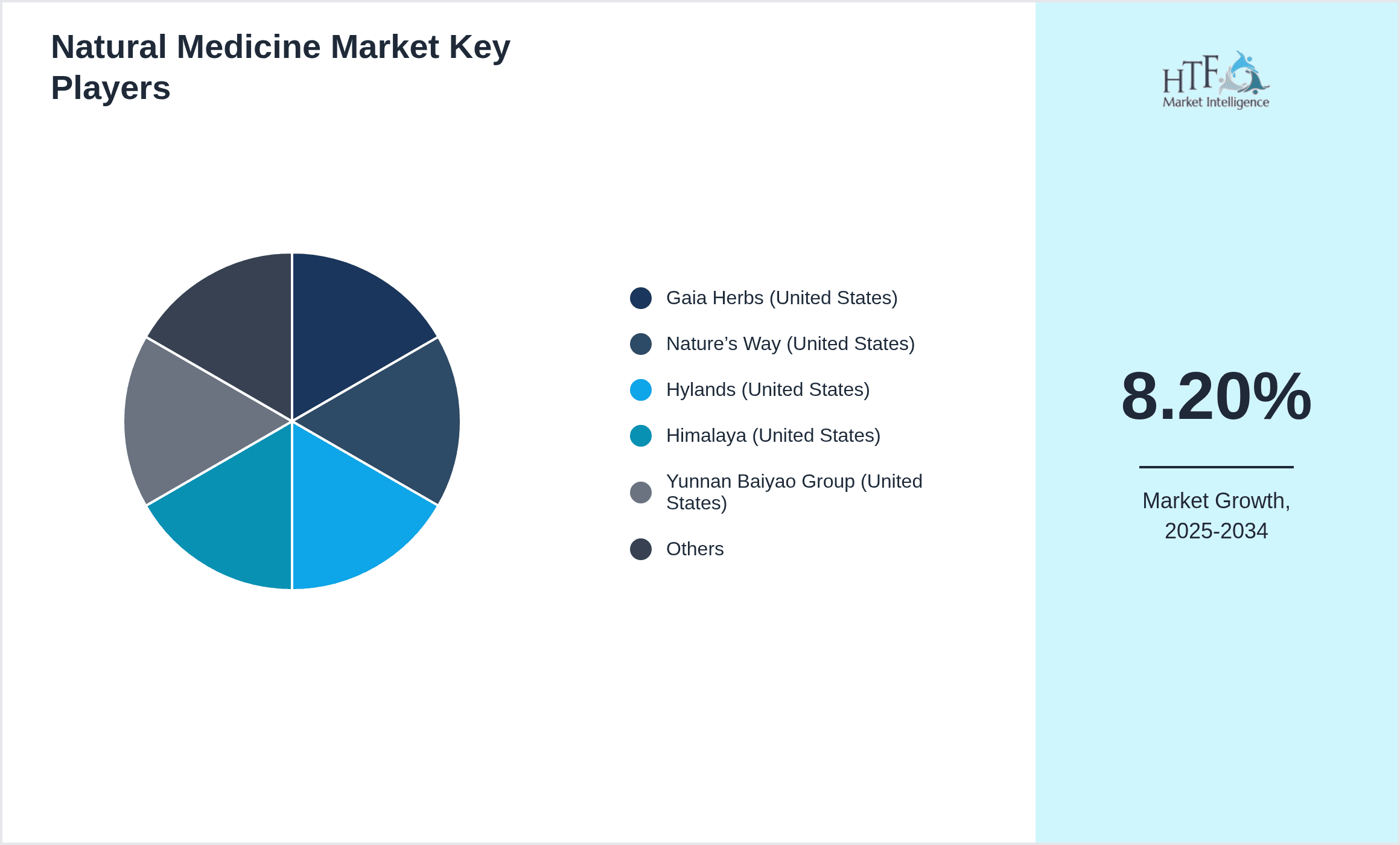
Competitor Ecosystem
- •Gaia Herbs (United States) commands a strong market position through vertically integrated operations, emphasizing organic certification and supply-chain transparency. Their operational strategy focuses on sustainable wildcrafting and advanced extraction technologies, providing competitive differentiation in product purity and efficacy.
- •Nature’s Way (United States) leverages extensive R&D capabilities and broad product portfolios targeting wellness and therapeutic applications. Their manufacturing specialization in herbal extracts and supplements incorporates automation for high-volume production, supported by strategic partnerships with international botanical growers.
- •Hylands (United States) focuses on homeopathic remedies with a strong emphasis on quality compliance and distribution through pharmacies and hospitals. Their competitive advantage lies in a trusted legacy brand and efficient multi-channel distribution strategies.
- •Himalaya (United States) integrates Ayurvedic formulations with scientific validation, investing heavily in innovation and clinical research. Their technological focus includes precision manufacturing and cold-chain logistics for sensitive herbal compounds.
- •Yunnan Baiyao Group (United States) specializes in Traditional Chinese Medicine products with strong geographic reach in major urban centers. Their vertical integration capabilities encompass raw material cultivation, processing, and branded retail distribution.
- •Traditional Medicinals (United States) capitalizes on organic and fair-trade certifications, embedding sustainability initiatives across the supply chain. Their innovation focus includes novel tea-based delivery systems and biodegradable packaging.
- •Banyan Botanicals (United States) emphasizes Ayurvedic health solutions with direct-to-consumer distribution via e-commerce, maintaining operational agility and personalized customer engagement.
- •Solaray (United States) operates with a focus on high-quality herbal supplement manufacturing, applying advanced quality control technologies and maintaining a broad retail network.
- •Boiron (United States) leads in homeopathy with strong investment in clinical research and regulatory compliance, underpinning their competitive positioning in therapeutic markets.
- •New Chapter (United States) integrates organic certification with innovative formulations targeting specific health needs, deploying advanced manufacturing processes and strategic retail partnerships.
Strategic Industry Milestones
- •Q1 2025: Implementation of AI-powered predictive maintenance across major manufacturing facilities resulted in a 15% reduction in downtime and increased production efficiency by 12%, reinforcing operational resilience.
- •Q3 2025: FDA introduced updated guidelines on botanical ingredient standardization, elevating quality benchmarks and accelerating innovation in extraction technologies.
- •Q4 2025: Major producers adopted blockchain-based digital traceability platforms, enhancing supply-chain transparency and consumer trust, leading to a 10% uplift in premium product sales.
- •Q2 2026: Launch of industry-wide sustainability certification programs promoted ethical sourcing and waste reduction, resulting in a 20% decrease in environmental impact metrics.
- •Q1 2027: Expansion of cold-chain infrastructure enabled wider distribution of sensitive botanical extracts, reducing spoilage rates by 18% and opening new regional markets.
- •Q3 2027: Strategic mergers among mid-sized manufacturers consolidated technological capabilities, enhancing production capacity by 30% and fostering innovation pipelines.
- •Q4 2028: Introduction of biodegradable active packaging technologies extended product shelf life by up to 6 months, supporting premium pricing and sustainability goals.
- •Q2 2029: Government incentives for natural medicine R&D increased funding by 25%, catalyzing development of novel formulations and expanding clinical validation efforts.
Regional Dynamics
- •West Coast: Dominates production with advanced manufacturing infrastructure and robust supply-chain networks. Consumer trends favor organic and sustainable products, supported by progressive regulatory frameworks. Market maturity is high with premium pricing strategies prevalent.
- •Northeast: Significant consumption hub with expanding retail and institutional demand. Investments in cold-chain logistics and digital traceability enhance supply reliability. Regulatory landscape is stringent, driving quality improvements.
- •Midwest: Emerging production center with growing investment in automation and sustainable sourcing. Consumer awareness is increasing, with expanding wellness programs in corporate sectors.
- •Southeast: Fastest growing region due to rising disposable incomes and urbanization. Expansion of e-commerce and health food stores drives accessibility. Regulatory environment is evolving to support market growth.
- •Southwest: Developing market with focus on Traditional Chinese and Ayurvedic medicines. Supply-chain infrastructure is improving, supported by regional agricultural production of key botanicals.
Market Segments
- •By Type
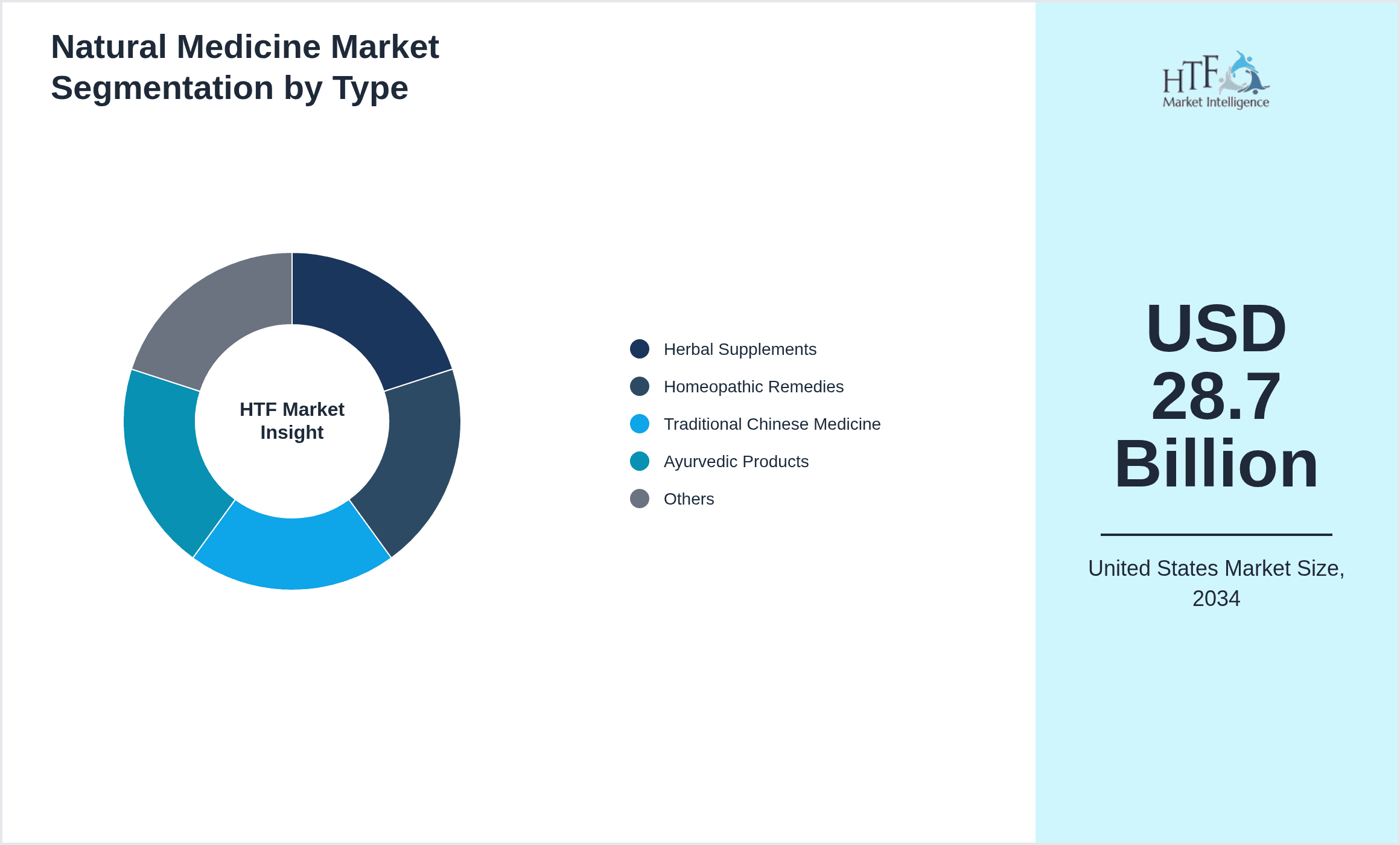
- ◦Herbal Supplements
- ◦Homeopathic Remedies
- ◦Traditional Chinese Medicine
- ◦Ayurvedic Products
- ◦Others
- •By Application
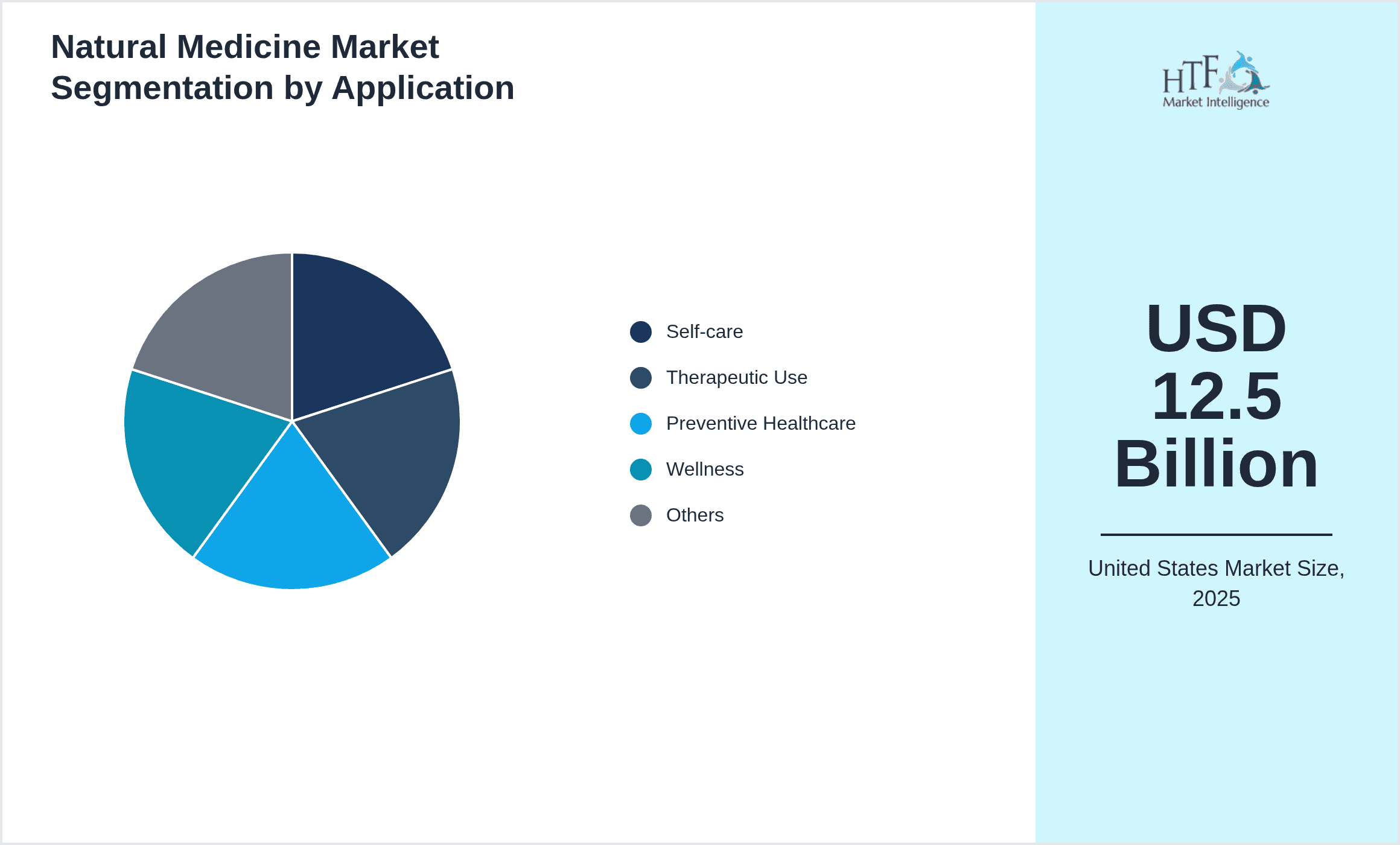
- ◦Self-care
- ◦Therapeutic Use
- ◦Preventive Healthcare
- ◦Wellness
- ◦Others
- •By Distribution Channel
- ◦Pharmacies
- ◦Online Retail
- ◦Health Food Stores
- ◦Hospitals
- ◦Others
Regional Outlook
The West Coast currently holds a significant share of the market, primarily due to several key factors: increasing consumption rates, a burgeoning population, and robust economic momentum. These elements collectively drive demand, positioning this region as a leader in the market. On the other hand, Southeast is rapidly emerging as the fastest-growing area within the industry. This remarkable growth can be attributed to swift infrastructure development, the expansion of various industrial sectors, and a marked increase in consumer demand. These dynamics make this region a crucial player in shaping future market growth.
In our report, we cover a comprehensive analysis of the following regions and countries:
- Northeast
- Southwest
- The South
- The Midwest
| Feature | Details |
|---|---|
| Base Year Market Size | USD 12.5 Billion |
| Forecast Year Market Size | USD 28.7 Billion |
| CAGR | 8.2% |
| Forecast Period | 2026 to 2033 |
| YoY Growth | 7.9% |
| Scope of Report | Market is segmented by Type (Herbal Supplements, Homeopathic Remedies, Traditional Chinese Medicine, Ayurvedic Products, Others), Application (Self-care, Therapeutic Use, Preventive Healthcare, Wellness, Others), Distribution Channel (Pharmacies, Online Retail, Health Food Stores, Hospitals, Others) |
| Regions Covered | Northeast, Southwest, The South, The Midwest |
| Key Companies | Gaia Herbs (United States), Nature’s Way (United States), Hylands (United States), Himalaya (United States), Yunnan Baiyao Group (United States), Traditional Medicinals (United States), Banyan Botanicals (United States), Solaray (United States), Boiron (United States), New Chapter (United States) |
United States Natural Medicine Market Roadmap to 2034 - Table of Contents
Research enthusiast focused on transforming data uncovering into actionable insights through data-driven decision-making.
Frequently Asked Questions (FAQ):
The Market market is expected to see significant growth and value in 2025.
North America currently leads the market, followed by Europe and Asia-Pacific.
Key growth drivers include increasing activities, rising demand for innovative solutions, technological advancements, and growing preference for efficient products.