
Electric Screw Drivers: Revolutionizing Precision & Efficiency
Discover how electric screw drivers boost efficiency and precision across industries with the latest tech, market trends, benefits, and future outlook.
Introduction
In today's fast-paced manufacturing and DIY environments, electric screw drivers have become indispensable tools. They not only simplify fastening tasks but also enhance precision and productivity, making them vital for both professionals and hobbyists.
This article delves into the technology behind electric screw drivers, explores their diverse applications, highlights market trends, and discusses their benefits and challenges. Whether you're a business owner considering tool upgrades or a consumer curious about the latest advancements, this comprehensive guide will provide valuable insights.
Technology and Concept Overview
Electric screw drivers are powered tools designed to drive screws efficiently and accurately. Unlike manual screwdrivers, they use electric motors—either corded or cordless—to rotate the screw, minimizing effort and time.
Key terms to understand include:
- Brushless motors: These increase tool life and efficiency by reducing friction and energy loss.
- Torque control: Allows users to adjust the turning force, preventing screw or material damage.
- Battery technology: Lithium-ion batteries are common, offering higher power density and faster charging compared to older nickel-cadmium batteries.
Electric screw drivers often feature ergonomic designs and adjustable speed settings, ensuring comfort and control during repetitive tasks. Their evolution reflects advances in motor efficiency and battery innovation, making them lighter, more powerful, and versatile.
Industry Applications & Use Cases
Electric screw drivers are widely used across various industries, proving their versatility and reliability in real-world scenarios.
- Manufacturing: In automotive assembly lines, electric screw drivers enable rapid, consistent fastening. For example, companies like Toyota utilize automated electric screw drivers to ensure precise torque application, enhancing vehicle safety and assembly speed.
- Electronics: Delicate devices like smartphones require precision screw drivers with torque control to avoid damage. Brands such as Apple depend on specialized electric screw drivers during production.
- Construction: Electric screw drivers speed up drywall installation and cabinet assembly, reducing labor time.
- DIY and Home Improvement: Homeowners benefit from cordless electric screw drivers for furniture assembly and repairs, combining portability with ease of use.
One notable case study is Bosch's introduction of the IXO electric screwdriver, which gained popularity for its compact design and multifunctional accessories, revolutionizing home and light professional use.
Market Trends & Growth Drivers
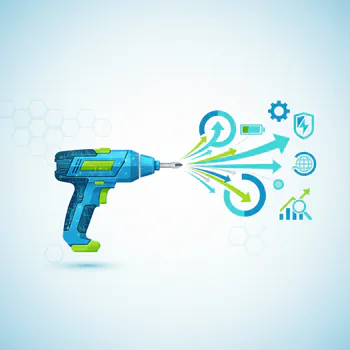
The global electric screwdriver market is experiencing robust growth, driven by increasing automation and the rise of smart factories. According to a MarketsandMarkets report, the market is projected to grow at a CAGR of over 7% through 2028.
Key growth factors include:
- Advancements in battery technology: Improved lithium-ion batteries provide longer runtime and quicker charging.
- Miniaturization: Demand for compact models in electronics manufacturing fuels innovation.
- Emphasis on ergonomics and safety: Reduces worker fatigue and enhances productivity.
- Emerging markets: Expansion in Asia-Pacific and Latin America due to industrialization and infrastructure growth.
Moreover, the integration of IoT and smart technology is shaping next-generation electric screw drivers, enabling remote monitoring and predictive maintenance.
Market Trends & Growth Drivers
Benefits & Advantages
Electric screw drivers offer numerous advantages over manual alternatives, delivering substantial value to businesses and individuals alike.
- Increased efficiency: Tasks that took minutes can be completed in seconds, boosting throughput.
- Enhanced precision: Adjustable torque prevents over-tightening and damage, ensuring quality assembly.
- Reduced physical strain: Ergonomic design minimizes fatigue, particularly valuable in repetitive industrial settings.
- Cost-effectiveness: Although initial investment may be higher, improved productivity and reduced errors lead to better ROI.
- Portability and flexibility: Cordless models enable work in remote or constrained spaces without power access.
For example, a manufacturing plant switching to electric screw drivers reported a 30% reduction in assembly time and a 15% decrease in rework costs, underscoring the tool’s economic benefits.
Challenges & Future Outlook
Despite their advantages, electric screw drivers face challenges such as battery life limitations, initial cost barriers, and user training requirements. In some industrial settings, tool calibration and maintenance are critical to maintain consistency.
However, ongoing innovations promise to address these issues. Emerging solutions include:
- Fast-charging and higher-capacity batteries: Extending operation time while minimizing downtime.
- Smart features: Integration with cloud systems for tool tracking and performance analytics.
- Advanced materials: Using lightweight composites to enhance ergonomics without sacrificing durability.
Looking forward, the future of electric screw drivers is linked closely with automation and Industry 4.0 trends. Collaborative robots (cobots) equipped with electric screw drivers are becoming standard in many factories, blending human skill with machine precision.
Conclusion
Electric screw drivers have transformed fastening tasks by blending power, precision, and ease of use. Their widespread adoption across manufacturing, electronics, construction, and home improvement highlights their versatility and impact.
As market trends continue toward smarter, more efficient tools, businesses and consumers stand to gain from improved productivity and quality. By understanding the technology, applications, and evolving landscape, stakeholders can make informed decisions and stay ahead in a competitive environment.
Ultimately, electric screw drivers symbolize the blend of innovation and practicality, driving industries forward with every turn of the screw.
Need More Details on Market Players and Competitors?
Tagged in