
Harnessing Big Data in Automotive: Trends, Benefits & Future Insights
Discover how Big Data in Automotive is revolutionizing vehicle safety, efficiency, and customer experience with key trends, benefits, and future insights.

Introduction
The automotive industry is undergoing a profound transformation, driven in large part by the explosion of data and advanced analytics. Big Data in Automotive is no longer just a buzzword; it has become a critical element powering innovation, safety, and efficiency in vehicles and manufacturing processes alike.
From connected cars to smart factories, leveraging vast volumes of data collected from vehicles, sensors, and customer behavior is reshaping how automotive companies operate and compete. In this article, we'll explore the core concepts of Big Data in Automotive, real-world applications, evolving market trends, key benefits, and the challenges ahead, offering a comprehensive understanding of this game-changing technology.
Technology and Concept Overview of Big Data in Automotive
At its core, Big Data in Automotive refers to the collection, processing, and analysis of enormous datasets generated by vehicles, infrastructure, and user interactions. This data comes from various sources such as telematics, vehicle sensors, infotainment systems, GPS, and more. The goal is to extract valuable insights that can improve vehicle performance, safety, customer experience, and operational efficiency.
Key terms and technologies involved include:
- Telematics: Integration of telecommunications and informatics that allows vehicles to send and receive data.
- IoT (Internet of Things): Network of connected devices and sensors embedded in vehicles and infrastructure.
- Machine Learning and AI: Algorithms that analyze data patterns for predictive maintenance, autonomous driving, and personalization.
- Cloud Computing: Scalable platforms that store and process massive automotive datasets.
Understanding these components provides the foundation for grasping how Big Data in Automotive enables smarter, safer, and more efficient vehicles.
Industry Applications and Use Cases
The impact of Big Data in Automotive is far-reaching, touching multiple facets of the industry. Here are some prominent examples:
- Predictive Maintenance: Companies like Ford and BMW use Big Data analytics to predict when parts might fail, reducing downtime and repair costs. Sensors monitor engine health and alert drivers before critical issues arise.
- Connected and Autonomous Vehicles: Tesla and Waymo harness vast amounts of sensor and environmental data to train AI models, enabling self-driving capabilities and improving road safety.
- Enhanced Customer Experience: Automakers analyze driver behavior and preferences to personalize in-car infotainment, navigation, and even insurance premiums.
- Supply Chain Optimization: Big Data analytics enables real-time tracking of parts and materials, allowing manufacturers like Toyota to streamline operations and reduce inventory costs.
- Smart Traffic Management: Integration of vehicle data with city infrastructure helps optimize traffic flow and reduce congestion, as seen in smart city initiatives in cities like Singapore.
These applications demonstrate how Big Data in Automotive is already delivering tangible benefits across sectors.
Market Trends and Growth Drivers
The global Big Data in Automotive market is experiencing robust growth, fueled by several key drivers. According to a 2023 report by MarketsandMarkets, the market is projected to reach over $60 billion by 2028, growing at a CAGR of around 20%. Several factors contribute to this expansion:
- Increasing adoption of connected vehicles: The rise of 5G networks and IoT devices accelerates data generation and real-time analytics.
- Regulatory push for safety and emissions: Governments worldwide mandate stricter safety standards and environmental regulations, driving data-driven innovation.
- Consumer demand for personalized experiences: Drivers seek smarter, more intuitive vehicles tailored to their needs.
- Advancements in AI and cloud computing: These technologies enable scalable, efficient processing of automotive data.
Moreover, collaborations between automotive manufacturers, tech firms, and data analytics companies are opening new growth avenues, creating a dynamic ecosystem for Big Data in Automotive.
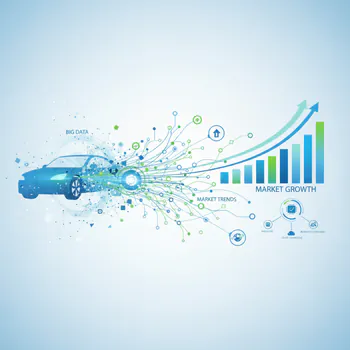
Market Trends and Growth Drivers
Benefits and Advantages of Big Data in Automotive
Implementing Big Data strategies offers numerous benefits for automotive businesses and end-users alike:
- Improved Safety: Real-time data analysis enables faster detection of hazards and supports autonomous driving, reducing accidents.
- Cost Savings: Predictive maintenance and optimized supply chains reduce operational costs and vehicle downtime.
- Enhanced Customer Satisfaction: Tailored services and personalized experiences increase brand loyalty and user engagement.
- Competitive Advantage: Companies leveraging Big Data can innovate faster, enter new markets, and respond effectively to trends.
- Data-Driven Decision Making: Real-time insights empower manufacturers to optimize production, marketing, and product development.
Overall, the ROI from Big Data initiatives often manifests in not only cost reduction but also new revenue streams and sustained innovation.
Challenges and Future Outlook
Despite its promise, Big Data in Automotive faces several challenges:
- Data Privacy and Security: Protecting sensitive vehicle and user data from breaches is paramount, necessitating robust cybersecurity measures.
- Data Integration: Aggregating and harmonizing data from diverse sources and formats can be complex and costly.
- Infrastructure Limitations: Handling massive data volumes requires scalable cloud solutions and high-bandwidth connectivity, which may not be universally available.
- Regulatory Compliance: Navigating varying international laws on data usage and privacy presents ongoing challenges.
Looking ahead, emerging technologies like edge computing, blockchain, and advanced AI models are poised to address many of these challenges. Experts predict that by 2030, nearly all vehicles will be connected, generating petabytes of data daily, further embedding Big Data as a cornerstone of automotive innovation.
Conclusion
In summary, Big Data in Automotive is a transformative force driving unprecedented advancements in vehicle safety, efficiency, and customer experience. As automakers and technology providers continue to harness data's power, the industry will see smarter, safer, and more personalized mobility solutions.
For businesses, embracing Big Data analytics means unlocking new growth opportunities and staying competitive in a rapidly evolving market. Addressing current challenges around data security and integration will be crucial to fully realizing these benefits.
Ultimately, the future of automotive rests on the intelligent use of data—making Big Data not just an asset but a necessity for innovation and sustainability in mobility.
Need More Details on Market Players and Competitors?
Tagged in