
Health Care Information System: Transforming Modern Healthcare
Explore how Health Care Information Systems revolutionize healthcare with advanced tech, industry applications, market trends, benefits, challenges, and futu...

Introduction
In today’s rapidly evolving medical landscape, the Health Care Information System (HCIS) stands as a cornerstone for redefining patient care and operational efficiency. From streamlining workflows to enhancing data accuracy, HCIS technologies are revolutionizing how healthcare providers deliver services.
Understanding the intricacies of Health Care Information Systems is essential for healthcare professionals, technology stakeholders, and patients alike. This article explores the core concepts, real-world applications, market trends, benefits, and future outlook of Health Care Information Systems, offering a comprehensive view of their pivotal role in modern healthcare.
Technology/Concept Overview of Health Care Information System
A Health Care Information System is an integrated framework designed to collect, store, manage, and transmit healthcare data electronically. At its core, it enables seamless communication between healthcare providers, patients, insurers, and regulatory bodies.
Key components of HCIS include Electronic Health Records (EHR), Hospital Information Systems (HIS), Picture Archiving and Communication Systems (PACS), and Clinical Decision Support Systems (CDSS). These technologies work together to provide a holistic digital ecosystem for patient data management, administrative processing, and clinical decision-making.
Developed initially to replace paper-based records, HCIS now incorporates advanced tools like cloud computing, artificial intelligence (AI), and big data analytics. These innovations help in predictive analytics, personalized medicine, and improving overall care coordination.
Industry Applications & Use Cases
The practical applications of Health Care Information Systems span various healthcare sectors including hospitals, clinics, insurance companies, and public health organizations.
- Hospitals and Clinics: Comprehensive systems manage patient admissions, lab results, medication orders, and billing. For example, the Mayo Clinic utilizes an advanced HCIS to integrate clinical data across departments, improving patient outcomes and reducing redundancies.
- Telemedicine: HCIS platforms facilitate remote consultations, enabling doctors to access patient history and diagnostics instantly. During the COVID-19 pandemic, telehealth solutions surged, supported by robust HCIS frameworks.
- Public Health Monitoring: Government agencies employ HCIS for tracking disease outbreaks and vaccination programs. The Centers for Disease Control and Prevention (CDC) leverages these systems for real-time data collection and epidemic modeling.
- Pharmaceutical Sector: HCIS aids in managing clinical trials, regulatory compliance, and drug safety monitoring, exemplified by companies like Pfizer implementing integrated health information platforms for faster research cycles.
Market Trends & Growth Drivers
The global Health Care Information System market is witnessing unprecedented growth, driven by increasing healthcare digitization and regulatory mandates.
According to a report by MarketsandMarkets, the HCIS market size is projected to reach $130 billion by 2027, growing at a CAGR of 10.5% from 2022 to 2027. Several factors fuel this expansion:
- Government Initiatives: Programs like the Health Information Technology for Economic and Clinical Health (HITECH) Act promote HCIS adoption, encouraging meaningful use of electronic records.
- Rising Chronic Diseases: Growing incidences of chronic illnesses necessitate continuous monitoring and data management facilitated by HCIS.
- Technological Advancements: Integration of AI, machine learning, and IoT devices within HCIS creates smarter, more proactive healthcare environments.
- Demand for Efficient Care Delivery: Hospitals seek cost reduction and enhanced patient satisfaction, achievable through optimized health information workflows.
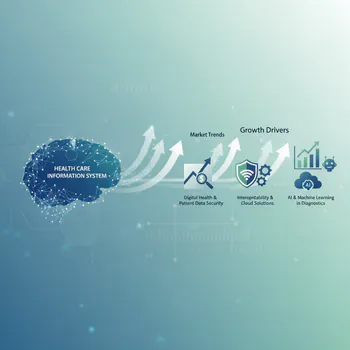
Market Trends & Growth Drivers
Benefits & Advantages of Health Care Information System
Implementing a robust Health Care Information System yields significant advantages for healthcare providers and patients alike.
- Improved Patient Care: Instant access to comprehensive patient histories enables precise diagnostics and tailored treatments.
- Enhanced Operational Efficiency: Automating administrative tasks reduces errors and frees up staff for critical functions.
- Data Security and Compliance: HCIS solutions ensure compliance with regulations like HIPAA, safeguarding sensitive patient data.
- Cost Savings: By minimizing paperwork, redundant tests, and hospital readmissions, HCIS contributes to substantial cost reductions.
- Better Decision Support: Clinical Decision Support Systems integrated in HCIS aid clinicians in evidence-based decision-making, improving outcomes.
Moreover, healthcare organizations leveraging HCIS often experience increased return on investment (ROI) through optimized resource allocation and data-driven strategic planning.
Challenges & Future Outlook
Despite its advantages, the adoption of Health Care Information Systems faces several challenges including high implementation costs, interoperability issues, and user resistance. Many healthcare providers struggle to integrate disparate systems and ensure seamless data exchange.
However, ongoing innovations promise to overcome these hurdles. Emerging technologies like blockchain offer solutions for secure data sharing, while advancements in AI and natural language processing aim to simplify user interfaces and automate complex workflows.
Looking forward, the future of Health Care Information Systems appears promising with trends such as personalized medicine, predictive analytics, and patient-centered care driving continuous evolution. The integration of wearable technologies and real-time monitoring will further enhance data richness and responsiveness.
Ultimately, as healthcare systems worldwide prioritize digital transformation, Health Care Information Systems will remain a critical foundation for delivering efficient, quality care in the years ahead.
Conclusion
The Health Care Information System is undeniably transforming the healthcare industry by enhancing patient care, streamlining operations, and enabling data-driven decisions. Understanding its components, applications, and market dynamics equips stakeholders to harness its full potential.
As challenges are addressed through technological innovation and collaborative efforts, HCIS will continue to play a vital role in shaping the future of healthcare. For organizations looking to thrive in this digital era, investing in sophisticated Health Care Information Systems is not just an option—it’s a necessity.
Embracing these systems today paves the way for a smarter, more efficient, and patient-centric healthcare landscape tomorrow.
Need More Details on Market Players and Competitors?
Tagged in