
Laser Atherectomy Devices: Revolutionizing Vascular Treatment
Explore how laser atherectomy devices are transforming vascular treatment with precision technology, growing applications, market trends, and future innovati...

Introduction
In the evolving landscape of cardiovascular care, laser atherectomy devices have emerged as a groundbreaking technology for treating complex vascular blockages. These advanced devices enable physicians to precisely remove plaque buildup in arteries, offering renewed hope to patients suffering from peripheral artery disease (PAD) and other arterial obstructions.
Understanding how laser atherectomy devices work and their impact on modern medicine is crucial for healthcare professionals, patients, and industry stakeholders alike. This article delves into the core technology, explores practical applications, reviews current market trends, and discusses the benefits and future outlook of laser atherectomy devices.
Technology and Concept Overview
Laser atherectomy devices utilize high-energy laser light to ablate, or vaporize, plaque deposits within blood vessels. Unlike traditional mechanical atherectomy methods, these devices rely on photonic energy to precisely target and break down arterial blockages without significant damage to surrounding tissues.
The key technology involves a catheter equipped with a laser fiber, typically emitting ultraviolet or infrared laser pulses. These pulses disrupt the molecular bonds of plaque, converting solid obstructions into micro-particles small enough to be safely absorbed or flushed out by the bloodstream.
Commonly used laser types include excimer lasers and erbium lasers, each offering distinct wavelengths and pulse durations optimized for different lesion types. Laser atherectomy is often combined with adjunctive procedures like balloon angioplasty or stenting to restore vessel patency effectively.
Industry Applications & Use Cases
Laser atherectomy devices have found significant applications in treating peripheral artery disease (PAD), coronary artery disease (CAD), and even in complex cases of in-stent restenosis, where previously placed stents become narrowed.
- Peripheral Artery Disease: Patients with PAD suffer from clogged leg arteries causing pain and mobility issues. Laser atherectomy can precisely remove calcified plaques, improving blood flow and reducing symptoms.
- Coronary Artery Disease: In cases where balloon angioplasty is insufficient due to heavily calcified plaques, laser atherectomy devices help prepare the lesion site, facilitating successful stent placement.
- In-Stent Restenosis: Laser atherectomy can effectively target and remove tissue growth inside stents, preventing recurrent blockages and improving long-term outcomes.
An exemplary success story is the use of laser atherectomy in treating chronic total occlusions (CTOs), which are complete arterial blockages. Traditional methods often fail in these cases, but laser atherectomy has demonstrated higher procedural success rates, reducing the need for invasive surgeries.
Market Trends & Growth Drivers
The global market for laser atherectomy devices is experiencing robust growth, driven by increasing cardiovascular disease prevalence and technological advancements. According to recent industry reports, the market is projected to grow at a compound annual growth rate (CAGR) of approximately 7-9% over the next five years.
Several factors fuel this upward trend:
- Rising incidence of peripheral and coronary artery diseases due to aging populations and lifestyle factors.
- Technological innovations such as miniaturized catheters and enhanced laser delivery systems improving safety and efficacy.
- Increasing preference for minimally invasive procedures that reduce hospital stays and recovery times.
- Growing awareness among physicians about the advantages of laser-assisted atherectomy over conventional methods.
Leading players like Spectranetics (Philips), Cardiovascular Systems Inc. (CSI), and BIOTRONIK are continuously investing in R&D to expand their product portfolios, further strengthening market dynamics.
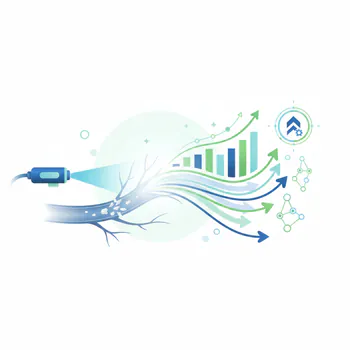
Market Trends & Growth Drivers
Benefits & Advantages
Laser atherectomy devices offer several compelling benefits for both healthcare providers and patients:
- Precision: The laser’s ability to selectively target plaque minimizes damage to healthy vessel walls, reducing complications.
- Effectiveness on Calcified Lesions: Laser atherectomy excels at treating heavily calcified plaques that are resistant to balloon angioplasty.
- Minimally Invasive: Procedures using laser atherectomy typically involve smaller incisions, leading to faster patient recovery and reduced hospital stays.
- Reduced Risk of Embolization: By vaporizing plaque into micro-particles, there's a lower risk of debris causing blockages downstream.
- Improved Outcomes: Enhanced procedural success rates translate to better long-term vessel patency and patient quality of life.
From a business perspective, adopting laser atherectomy devices can lead to improved operational efficiency, lower complication rates, and higher patient throughput, providing a strong return on investment (ROI) for healthcare facilities.
Challenges & Future Outlook
Despite their advantages, laser atherectomy devices face several challenges that could impact wider adoption:
- Cost Constraints: The initial investment and disposable components can be expensive compared to traditional therapies.
- Technical Skill Requirement: Operators require specialized training to perform laser atherectomy safely and effectively.
- Limited Indications: Not all lesion types or patient conditions are suitable for laser atherectomy, necessitating comprehensive patient selection protocols.
However, ongoing research is addressing these issues. Innovations such as improved fiber optics, automated laser modulation, and integration with imaging technologies like intravascular ultrasound (IVUS) are enhancing precision and ease of use.
Looking ahead, the future of laser atherectomy devices appears promising. Advances in nanotechnology and artificial intelligence could enable smarter, more adaptive systems that tailor laser energy delivery in real time. Additionally, expanding applications into neurovascular and renal artery interventions may open new market segments.
Conclusion
Laser atherectomy devices represent a significant leap forward in the treatment of vascular diseases, combining precision technology with minimally invasive procedures. Their proven effectiveness in complex arterial blockages, alongside growing market adoption, underscores their vital role in cardiovascular care.
For healthcare providers, embracing these devices can translate into improved patient outcomes and operational efficiencies. Meanwhile, ongoing innovations promise to overcome current limitations, broadening the scope and impact of laser atherectomy.
As cardiovascular diseases continue to challenge global health systems, laser atherectomy devices stand at the forefront, offering a beacon of hope for patients and clinicians alike. Staying informed about this dynamic technology sets the stage for better treatment paradigms and healthier futures.
Need More Details on Market Players and Competitors?
Tagged in