
Light Quadricycles: Revolutionizing Urban Mobility in 2024
Discover how light quadricycles are transforming urban mobility with eco-friendly design, cost efficiency, and innovative tech. Explore market trends and fut...

Introduction
As cities worldwide face growing traffic congestion, pollution, and parking challenges, the demand for innovative, efficient urban transportation solutions has never been higher. Enter light quadricycles—compact, lightweight four-wheeled vehicles designed to bridge the gap between motorcycles and traditional cars. These nimble vehicles offer a fresh approach to urban mobility, combining convenience, sustainability, and affordability.
In this article, we explore the fascinating world of light quadricycles, unpacking their technology, real-world applications, market trends, benefits, and the challenges that lie ahead. Whether you're a city planner, automotive enthusiast, or eco-conscious consumer, understanding light quadricycles is essential as they shape the future of transportation.
Technology and Concept Overview
Light quadricycles are a distinct vehicle category recognized in many regions, particularly in the European Union where they fall under specific regulatory classifications. Defined typically by a maximum weight of around 400 to 550 kilograms (depending on sub-category) and power limits usually not exceeding 15 kW (20 hp), these vehicles strike a balance between the agility of motorcycles and the stability of cars.
Key terms to know include:
- Category L6e: Light quadricycles with a max speed of 45 km/h and engine capacity up to 50cc or electric equivalent, often allowed for younger drivers.
- Category L7e: Heavy quadricycles with more power and speed capabilities, closer to small cars but still lightweight.
Light quadricycles often feature electric or small combustion engines, lightweight chassis made from materials like aluminum or composites, and simple, efficient designs tailored for city driving. Their compact dimensions and reduced weight contribute to lower energy consumption and emissions.
Industry Applications & Use Cases
Light quadricycles have carved out niches in various sectors by addressing urban mobility challenges effectively. Some notable applications include:
- Last-mile delivery: Companies like Gogoro and Renault have introduced electric quadricycles tailored for courier services, providing an eco-friendly alternative to vans in dense cities.
- Urban commuting: Vehicles such as the Aixam City and Ligier JS50 offer affordable urban transport options, requiring less parking space and enabling easier navigation through congested streets.
- Car-sharing and fleet services: Shared mobility providers are integrating light quadricycles into their fleets to cater to short-distance trips with minimal environmental impact.
- Tourism and leisure: In tourist-heavy areas, quadricycles serve as rental vehicles for sightseeing, offering a safer and more comfortable experience than scooters.
These use cases demonstrate the versatility of light quadricycles across delivery, personal transport, and commercial services, highlighting their growing popularity.
Market Trends & Growth Drivers
The global market for light quadricycles is expanding steadily, driven by several factors. According to recent industry reports, the European light quadricycle market alone is projected to grow at a CAGR of over 7% through 2030.
Growth drivers include:
- Urbanization: As more people move to cities, demand for compact, efficient transport increases.
- Environmental regulations: Stricter emission standards encourage manufacturers and consumers to adopt low-emission vehicles like electric quadricycles.
- Government incentives: Subsidies and relaxed licensing laws in some countries make these vehicles accessible to a wider audience, including younger drivers.
- Technological advances: Battery improvements and lightweight materials reduce costs and enhance performance.
Moreover, the rising popularity of micromobility and shared transportation models further boosts demand for light quadricycles as practical, eco-friendly urban transport solutions.
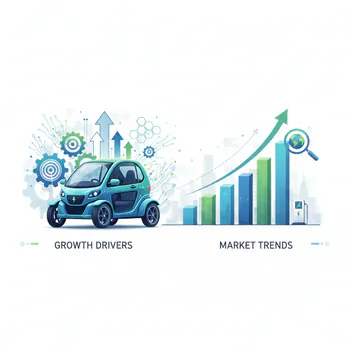
Market Trends & Growth Drivers
Benefits & Advantages
Light quadricycles offer several compelling benefits that appeal to both businesses and individual users:
- Cost efficiency: Lower purchase price and running costs compared to traditional cars, including reduced fuel consumption and maintenance expenses.
- Environmental impact: Electric quadricycles produce zero tailpipe emissions, contributing to improved urban air quality and reduced greenhouse gases.
- Parking and maneuverability: Small size allows easy parking in crowded cities, and superior maneuverability reduces commute times.
- Accessibility: Some light quadricycles can be driven with less stringent licensing requirements, opening mobility options for younger or less experienced drivers.
- Safety: Compared to two-wheelers, quadricycles provide greater stability and protection, reducing accident risks.
These advantages underscore why light quadricycles represent a smart investment with strong return on investment (ROI) potential, especially for urban fleets and delivery services.
Challenges & Future Outlook
Despite their promise, light quadricycles face hurdles that must be addressed to reach mainstream adoption:
- Regulatory fragmentation: Varying definitions and standards across countries complicate manufacturing and market entry.
- Performance limitations: Restricted speed and power may deter some users accustomed to conventional cars.
- Consumer perception: Overcoming the stigma of being "less safe" or "toy-like" remains a marketing challenge.
- Infrastructure gaps: Charging networks for electric quadricycles are still developing in many areas.
However, innovation is rapidly addressing these issues. Advances in battery technology are extending range and power, while harmonization of regulations is underway in key markets. Moreover, the integration of smart connectivity features and autonomous driving capabilities could transform light quadricycles into crucial components of future smart cities.
Looking ahead, analysts expect increased collaboration between automotive manufacturers, urban planners, and policymakers to create ecosystems that fully leverage the benefits of light quadricycles. This synergy will likely accelerate adoption and integration into everyday urban life.
Conclusion
Light quadricycles offer an exciting, practical solution to many of today’s urban transportation challenges. Their unique blend of compact design, environmental friendliness, and cost-effective operation positions them as pivotal players in the future mobility landscape.
For businesses, especially in logistics and shared mobility, embracing light quadricycles can yield significant operational savings and sustainability gains. For city dwellers, these vehicles promise greater freedom, convenience, and a smaller carbon footprint.
As technology evolves and regulatory frameworks mature, light quadricycles are poised to become an integral part of smart, sustainable cities worldwide. Staying informed and open to these innovations will enable individuals and organizations alike to capitalize on the growing opportunities light quadricycles present.
Need More Details on Market Players and Competitors?
Tagged in