
Natural Sack Kraft Papers: Sustainable Packaging for Modern Industry
Explore the advantages, applications, and market trends of Natural Sack Kraft Papers, a sustainable packaging solution for diverse industries.

Introduction
In an era where sustainability and environmental responsibility are paramount, Natural Sack Kraft Papers have emerged as a pivotal solution for eco-conscious businesses and industries. These papers serve as a robust, biodegradable alternative to synthetic packaging materials, meeting the growing demand for greener packaging solutions worldwide.
This article explores the fundamentals of Natural Sack Kraft Papers, their industry applications, market trends, benefits, and the challenges they face. Whether you're a manufacturer, retailer, or sustainability advocate, understanding this versatile material can provide valuable insights into the future of packaging.
Technology and Concept Overview
Natural Sack Kraft Papers are heavy-duty kraft papers primarily made from wood pulp through a kraft process that preserves the natural strength of cellulose fibers. The term "kraft" originates from the German word for "strength," reflecting the paper's durability. Unlike bleached variants, natural sack kraft papers maintain their brown color, representing minimal chemical treatment and enhanced eco-friendliness.
The production involves a chemical pulping method where lignin and hemicellulose are removed, leaving behind strong cellulose fibers. This results in a paper that is tear-resistant, abrasion-resistant, and highly absorbent, making it ideal for industrial sacks and packaging applications. Additionally, these papers are biodegradable, recyclable, and compostable, aligning well with environmental regulations and consumer expectations.
Industry Applications & Use Cases
The versatility of Natural Sack Kraft Papers has cemented their place in various industries:
- Agriculture: Used extensively for packaging seeds, fertilizers, and animal feed. Their breathability helps maintain product quality.
- Construction: Popular for cement and mortar bags, offering robust protection and moisture resistance.
- Food Industry: Employed for packaging flour, sugar, grains, and coffee beans due to their natural, chemical-free nature.
- Chemicals & Minerals: Used for packaging powdered and granular materials, ensuring strength during transport and storage.
For example, a leading cement manufacturer switched to natural sack kraft papers for packaging, resulting in a 20% reduction in packaging waste and improved product integrity during shipping. Similarly, organic food brands prefer these papers to highlight their commitment to sustainability.
Market Trends & Growth Drivers
The global market for Natural Sack Kraft Papers is witnessing steady growth, driven by increasing environmental regulations and consumer demand for sustainable packaging. According to industry reports, the kraft paper market is projected to grow at a CAGR of around 4.5% from 2023 to 2030.
Key growth factors include:
- Environmental Policies: Governments worldwide are strict on reducing plastic waste, pushing industries toward biodegradable alternatives.
- Rise of E-commerce: The surge in online retail has increased the need for durable and eco-friendly packaging.
- Consumer Awareness: Buyers increasingly prefer brands that adopt green packaging solutions, influencing corporate decisions.
Moreover, technological advancements in pulp processing and paper coating are enhancing the performance of natural sack kraft papers, expanding their application scope.
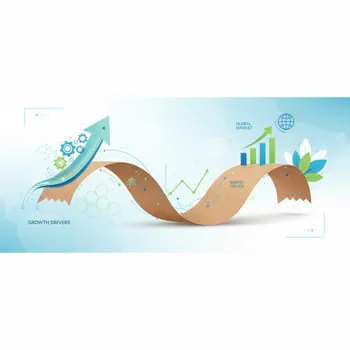
Market Trends & Growth Drivers
Benefits & Advantages
Natural Sack Kraft Papers offer several compelling benefits, making them a preferred choice for businesses aiming to balance durability with sustainability:
- Strength and Durability: Their high tensile strength protects contents against damage during transport and handling.
- Eco-Friendly: Fully recyclable and compostable, reducing environmental footprint.
- Cost-Effectiveness: While more sustainable, these papers often cost less than synthetic alternatives when considering disposal and regulatory compliance.
- Brand Image Enhancement: Using natural packaging materials appeals to environmentally conscious consumers, improving brand loyalty.
- Versatility: Suitable for various sealing, printing, and coating processes, enabling customization for branding and functionality.
Businesses leveraging natural sack kraft papers often report better ROI in the long term due to increased customer trust and lower waste management costs.
Challenges & Future Outlook
Despite their advantages, Natural Sack Kraft Papers face certain challenges:
- Moisture Sensitivity: Natural fibers can absorb moisture, potentially compromising strength if not treated properly.
- Competition from Plastics: Synthetic materials still dominate due to lower upfront costs and waterproof properties.
- Supply Chain Constraints: Raw material availability and production capacity can impact consistency and scalability.
However, ongoing innovations such as bio-based coatings, enhanced fiber treatments, and hybrid packaging solutions are addressing these limitations. Industry experts predict that by 2030, natural sack kraft papers will capture an even larger share of the sustainable packaging market, driven by stricter regulations and consumer demand.
Furthermore, circular economy initiatives and recycling advancements will improve resource efficiency, making natural sack kraft papers a cornerstone of eco-friendly packaging.
Conclusion
Natural Sack Kraft Papers represent a powerful blend of strength, sustainability, and versatility, meeting the evolving needs of modern industries. As environmental concerns and regulatory pressures intensify, these papers offer a practical, eco-conscious packaging alternative that benefits businesses, consumers, and the planet alike.
By adopting natural sack kraft papers, companies can not only enhance their product protection and brand reputation but also contribute meaningfully to waste reduction and resource conservation. Staying informed about market trends and technological advancements will be crucial for businesses aiming to leverage this promising material in the years ahead.
Embracing natural sack kraft papers today means investing in a more sustainable and resilient packaging future.
Need More Details on Market Players and Competitors?
Tagged in