
Three Piles Offshore Wind Power Jackets: A Game Changer in Renewable Energy
Explore the innovation behind three piles offshore wind power jackets, their applications, market trends, benefits, and future in the fast-growing offshore w...

Introduction
As the world pivots towards sustainable energy sources, offshore wind power has surged ahead as a cornerstone of the renewable energy revolution. Among various foundation solutions for offshore wind turbines, Three Piles Offshore Wind Power Jackets have emerged as a highly effective and innovative technology, playing a crucial role in supporting large-scale wind farms in challenging marine environments.
This article delves deep into the concept of three piles offshore wind power jackets, exploring their technology, industry applications, market trends, benefits, and future outlook. Whether you're an energy professional, investor, or enthusiast, understanding these foundations is key to grasping the future of offshore wind energy.
Technology Overview: What Are Three Piles Offshore Wind Power Jackets?
Three Piles Offshore Wind Power Jackets refer to a specific type of substructure used to anchor offshore wind turbines to the seabed. Unlike traditional monopile foundations that use a single large pile, these jackets utilize three steel piles connected by a lattice framework, distributing the load more evenly and enhancing stability.
The term "jacket" comes from the steel lattice framework resembling a jacket or a cage that supports the wind turbine tower above water. The three piles are driven deep into the seabed to provide robust anchoring, making this solution particularly suitable for deeper waters and complex seabed conditions.
Key terms to understand include:
- Monopile: A single large-diameter steel pipe foundation commonly used in shallow waters.
- Jacket Foundation: A multi-legged lattice structure with piles driven into the seabed.
- Pile: A long, slender column typically made of steel, driven into the seabed for structural support.
- Seabed Conditions: The geological and sedimentary characteristics of the ocean floor, critical for foundation design.
Three piles offshore wind power jackets strike a balance between stability, cost-effectiveness, and installation feasibility, especially in sites where monopiles become impractical due to water depth or seabed composition.
Industry Applications & Use Cases
Three piles offshore wind power jackets have been successfully deployed in numerous projects worldwide, marking a significant shift in offshore wind foundation technology.
For instance, the Hornsea Project One in the UK, one of the largest offshore wind farms globally, utilizes jacket foundations with multiple piles for turbines located in deeper parts of the North Sea. This approach allowed the project to effectively manage harsh weather and seabed variability.
Similarly, in the Baltic Sea, the Kriegsmarine Wind Farm implemented three piles jacket foundations to optimize load distribution and reduce material use while maintaining structural integrity in soft seabed conditions.
Beyond wind energy, the three-pile jacket concept is also adapted in offshore oil and gas platforms, highlighting its versatility in marine engineering. Its proven track record in these sectors validates its reliability and efficiency.
Market Trends & Growth Drivers
The offshore wind market is experiencing unprecedented growth, with global capacity expected to soar from around 35 GW in 2023 to over 150 GW by 2030, according to industry analysts. This growth fuels demand for innovative foundation technologies such as three piles offshore wind power jackets.
Key growth drivers include:
- Increasing water depths: Many new offshore wind sites are located in deeper waters where monopiles are less feasible.
- Improved cost efficiencies: Jackets reduce steel usage compared to traditional multi-pile solutions, offering lower costs over project lifecycles.
- Technological advancements: Enhanced design software and installation vessels have made jacket installation faster and safer.
- Government policies and incentives: Many countries are pushing ambitious renewable energy targets, boosting offshore wind investments.
With such favorable market dynamics, the adoption of three piles offshore wind power jackets is poised to accelerate significantly.
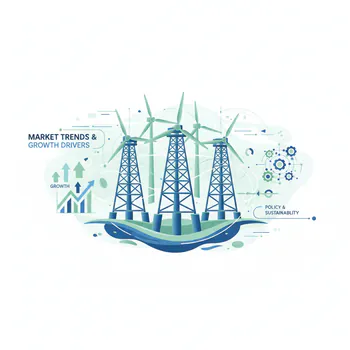
Market Trends & Growth Drivers
Benefits & Advantages of Three Piles Offshore Wind Power Jackets
Adopting three piles offshore wind power jackets presents multiple benefits for developers, investors, and operators:
- Enhanced Structural Stability: The three-pile design better distributes turbine loads, reducing fatigue and extending asset lifespan.
- Adaptability to Seabed Conditions: Jackets can be customized for varied geological substrates, including soft or uneven seabeds where monopiles underperform.
- Cost-Effectiveness: Less steel material and modular construction reduce manufacturing and transportation expenses.
- Environmental Benefits: Minimizing seabed disturbance during installation helps mitigate ecological impact.
- Installation Efficiency: Improved assembly techniques allow quicker deployment, decreasing offshore construction risks.
From an ROI perspective, the longevity and reduced maintenance costs associated with jacket foundations can translate into significant financial gains over the lifecycle of offshore wind projects.
Challenges & Future Outlook
Despite their advantages, three piles offshore wind power jackets face certain challenges:
- Installation Complexity: Precise pile driving and jacket assembly in deep or rough waters require specialized vessels and skilled crews.
- Initial Capital Costs: Although cost-effective long-term, higher upfront expenses compared to monopiles may deter some developers.
- Environmental Concerns: Noise and seabed disruption during piling can affect marine life, necessitating mitigation measures.
To overcome these hurdles, ongoing innovations focus on:
- Developing jack-up vessels and automated installation systems to improve safety and efficiency.
- Exploring alternative materials such as composites to reduce weight and corrosion.
- Implementing noise reduction technologies during pile driving.
Looking ahead, industry experts forecast that three piles offshore wind power jackets will become standard for sites beyond 30 meters depth and will be integral to floating wind hybrid designs. With continued technological refinement and supportive policy environments, these foundations are set to underpin the offshore wind sector’s next wave of expansion.
Conclusion
Three piles offshore wind power jackets represent a transformative advancement in offshore wind turbine foundations. Their unique design offers enhanced stability, adaptability to challenging seabed conditions, and long-term cost benefits, addressing many limitations of traditional monopile foundations.
As offshore wind farms venture into deeper waters and more complex environments, these jackets will be pivotal in enabling scalable, sustainable energy production. Companies and stakeholders should closely consider incorporating this innovative foundation technology to maximize project viability and environmental compatibility.
In a rapidly evolving renewable energy landscape, embracing three piles offshore wind power jackets is not just a technical choice but a strategic investment in the future of clean energy infrastructure.
Need More Details on Market Players and Competitors?
Tagged in