
Understanding Gasoline Injection Systems: Tech, Trends & Benefits
Discover how gasoline injection systems enhance engine performance, fuel efficiency, and emissions control. Explore technology, trends, and benefits in autom...

Introduction
In the world of automotive engineering, the gasoline injection system plays a pivotal role in enhancing vehicle performance, fuel efficiency, and emissions control. As consumers demand cleaner and more efficient engines, understanding how gasoline injection systems work becomes vital for manufacturers, mechanics, and even car enthusiasts.
This article explores the fundamentals of gasoline injection systems, their practical applications, market trends, and future outlook. Whether you're curious about how your car’s engine optimizes fuel delivery or interested in industry innovations, this comprehensive guide will provide valuable insights.
Technology Overview: What is a Gasoline Injection System?
A gasoline injection system is a fuel delivery mechanism designed to inject precise amounts of gasoline into an engine’s combustion chamber or intake manifold. Unlike older carburetor systems, which rely on vacuum pressure to mix fuel and air, gasoline injection systems use electronic controls to optimize fuel delivery for better efficiency and power.
There are two primary types of gasoline injection systems:
- Port Fuel Injection (PFI): Injects fuel into the intake manifold, just outside the engine’s combustion chamber.
- Direct Fuel Injection (DI): Injects fuel directly into the combustion chamber, allowing for more precise control and improved combustion.
Both systems depend heavily on sensors and an electronic control unit (ECU), which analyze parameters such as engine speed, temperature, and throttle position to determine the optimal fuel amount.
Industry Applications & Use Cases
Gasoline injection systems are ubiquitous in modern automotive engines, spanning passenger cars, motorcycles, and even small aircraft engines. Their adoption has revolutionized fuel delivery, enabling vehicles to meet stringent emission regulations while maintaining high performance.
One notable example is Toyota’s use of direct injection technology in their D-4S system, which combines both port and direct injection. This hybrid approach improves fuel economy and reduces emissions, particularly in models like the Toyota Prius and Camry.
Another success story comes from Ford’s EcoBoost engines, which employ gasoline direct injection to extract more power from smaller displacement engines without compromising fuel efficiency. This innovation has made EcoBoost-powered vehicles popular worldwide for their balanced performance.
Beyond traditional vehicles, gasoline injection systems are also gaining traction in motorsports, where precise fuel management can shave crucial seconds off lap times. The technology's adaptability extends to marine engines and power generators, showcasing its versatility across sectors.
Market Trends & Growth Drivers
The global market for gasoline injection systems is expanding rapidly, driven by increasing consumer demand for fuel-efficient and environmentally friendly vehicles. According to recent industry reports, the gasoline injection system market is projected to grow at a compound annual growth rate (CAGR) of approximately 8% over the next five years.
Key growth factors include:
- Stringent emission regulations: Governments worldwide are enforcing tougher standards, prompting manufacturers to adopt advanced fuel injection technologies.
- Technological advancements: Improvements in ECU software and injector design are enabling more precise fuel delivery and reduced emissions.
- Increasing adoption of turbocharged engines: Turbocharged gasoline engines rely heavily on direct injection to optimize performance and efficiency.
- Consumer preference for fuel economy: Rising fuel prices and environmental awareness push buyers toward vehicles with superior efficiency.
Geographically, Asia-Pacific leads the market due to rapid vehicle production and stringent pollution control norms in countries like China, Japan, and India.
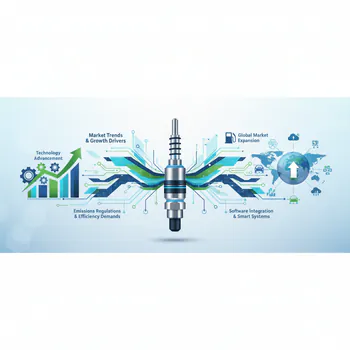
Market Trends & Growth Drivers
Benefits & Advantages of Gasoline Injection Systems
Implementing a gasoline injection system offers numerous benefits for manufacturers and end users alike:
- Improved fuel efficiency: Precise fuel metering allows engines to consume less gasoline without sacrificing power.
- Enhanced engine performance: Optimized combustion results in better throttle response and higher horsepower.
- Reduced emissions: Accurate fuel delivery lowers unburned hydrocarbons and carbon monoxide output, helping vehicles meet environmental standards.
- Better cold-start performance: Electronic control ensures proper fuel supply during engine start-up, reducing stalls and rough idling.
- Increased reliability and maintenance ease: Modern injectors are more durable and require less frequent servicing compared to carburetors.
From a business perspective, these advantages translate into competitive edge through regulatory compliance and customer satisfaction, as well as strong return on investment by prolonging engine life and reducing fuel costs.
Challenges & Future Outlook
Despite its advantages, the gasoline injection system faces several challenges. High manufacturing costs and complexity can increase vehicle prices. Additionally, injector clogging and wear can lead to maintenance issues if not properly addressed.
Innovations such as advanced injector materials, improved sensor technology, and AI-driven ECU algorithms are being developed to overcome these limitations. For example, machine learning is enabling real-time adjustments to fuel delivery, adapting to driving conditions and fuel quality variations.
Looking forward, the gasoline injection system will likely evolve alongside hybrid and electrified powertrains. While electric vehicles gain popularity, gasoline engines with advanced injection systems will remain relevant, especially in regions where infrastructure and affordability limit electric adoption.
Future trends also include integration with connected vehicle technologies, enabling predictive maintenance and further optimizing fuel use based on driving patterns and traffic data.
Conclusion
In summary, the gasoline injection system is a cornerstone technology in modern internal combustion engines, driving improvements in performance, efficiency, and environmental compliance. By replacing traditional carburetors with electronically controlled fuel delivery, gasoline injection systems have reshaped automotive engineering.
For businesses and consumers alike, understanding this technology offers insight into the future of mobility. As market demand and regulatory pressures continue to rise, gasoline injection systems will advance with smarter controls and innovations, ensuring they remain a vital component of the vehicle ecosystem.
Whether you are an automotive professional, a car owner, or simply an enthusiast, keeping abreast of gasoline injection system developments will prepare you for the next generation of efficient and powerful engines.
Need More Details on Market Players and Competitors?
Tagged in