
Vehicle-borne Intelligent Communication Systems: Revolutionizing Connectivity
Explore how vehicle-borne intelligent communication systems revolutionize connectivity, enhancing safety, efficiency, and future mobility across industries.

Introduction
In today’s fast-paced world, seamless communication is more crucial than ever, especially in mobile and remote environments. Vehicle-borne Intelligent Communication Systems are transforming how vehicles connect, interact, and deliver data, enabling smarter, faster, and more reliable communications on the move. These systems are pivotal in sectors ranging from emergency response to logistics, reshaping operational efficiency and safety.
This article explores the core concepts behind vehicle-borne intelligent communication systems, their diverse industry applications, current market trends, and future outlook. Whether you’re a business leader, technology enthusiast, or industry professional, understanding these systems offers valuable insights into the future of mobile connectivity.
Technology and Concept Overview
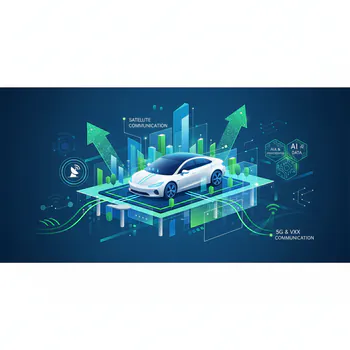
Vehicle-borne Intelligent Communication Systems refer to advanced communication platforms installed within vehicles that enable real-time data exchange, connectivity, and intelligent networking capabilities. These systems integrate cutting-edge technologies such as 5G/4G LTE, satellite communication, IoT sensors, AI-driven data processing, and edge computing to create a robust communication ecosystem on wheels.
Key components include:
- Communication Modules: Devices that support various wireless protocols (e.g., LTE, 5G, Wi-Fi, satellite).
- Onboard Computing Units: Embedded processors that manage data analytics and decision-making locally.
- Sensor Networks: Collect environmental, vehicle, and traffic data to enhance system intelligence.
- Cloud Connectivity: Enables remote monitoring, data storage, and integration with broader IT infrastructure.
Together, these elements empower vehicles with the ability to communicate autonomously, adapt to dynamic conditions, and support critical applications such as navigation, telematics, and safety systems.
Industry Applications & Use Cases
The versatility of vehicle-borne intelligent communication systems is evident across multiple industries:
- Emergency Services: Ambulances and fire trucks utilize these systems for real-time location tracking, status updates, and priority communication with hospitals and dispatch centers, significantly reducing response times.
- Public Transportation: City buses and trains deploy these systems to monitor vehicle health, optimize routes based on traffic data, and improve passenger information services.
- Logistics and Fleet Management: Companies like DHL and FedEx leverage intelligent communication in their delivery trucks to track assets, monitor driver behavior, and enhance route efficiency, leading to cost savings and increased customer satisfaction.
- Autonomous Vehicles: Self-driving cars depend heavily on vehicle-borne communication systems to exchange data with other vehicles (V2V) and infrastructure (V2I) for safe and efficient navigation.
- Military and Defense: Tactical vehicles employ these systems to maintain secure, encrypted communications in complex environments, enabling coordinated operations and rapid data sharing.
For example, the city of Amsterdam has integrated vehicle-borne intelligent communication systems into its public buses, resulting in a 15% improvement in on-time arrivals and a significant reduction in fuel consumption.
Market Trends & Growth Drivers
The market for vehicle-borne intelligent communication systems is on a strong upward trajectory. According to a recent report by MarketsandMarkets, the global intelligent vehicle communication market is expected to grow at a CAGR of 18% from 2023 to 2030.
Key growth drivers include:
- Rising demand for connected vehicles: Consumer preference for smart vehicles with enhanced safety and infotainment features fuels adoption.
- Advancements in 5G technology: Ultra-low latency and high bandwidth capabilities enable more reliable real-time communication.
- Government initiatives: Policies promoting intelligent transportation systems (ITS) and smart cities encourage broader deployment.
- Growth in autonomous vehicles: Increasing investment in ADAS and autonomous driving systems requires robust communication infrastructure.
- IoT integration: Expansion of connected devices and sensor networks within vehicles enhances system intelligence.
Moreover, logistics and transportation sectors continue to invest significantly in these systems to improve operational efficiencies and meet sustainability goals.
Market Trends & Growth Drivers
Benefits & Advantages
Implementing vehicle-borne intelligent communication systems offers numerous advantages for businesses and end-users:
- Enhanced Safety: Real-time hazard warnings, accident prevention alerts, and emergency communication save lives and reduce incidents.
- Improved Operational Efficiency: Optimized routing, predictive maintenance, and fleet monitoring reduce downtime and operating costs.
- Better User Experience: Passengers benefit from real-time updates, infotainment options, and smoother journeys.
- Competitive Edge: Companies leveraging these systems can differentiate themselves through superior service and cutting-edge technology.
- Strong ROI: Cost savings from fuel efficiency, maintenance, and reduced delays translate to measurable financial benefits.
For instance, UPS reported a 10-15% reduction in fuel costs after integrating intelligent communication systems across its delivery fleet, illustrating the tangible value these solutions bring.
Challenges & Future Outlook
Despite their transformative potential, vehicle-borne intelligent communication systems face notable challenges:
- Security Concerns: Vulnerabilities to cyberattacks require robust encryption and continuous monitoring.
- Interoperability: Diverse communication protocols and standards can complicate integration across different platforms.
- High Initial Costs: Upfront investment in hardware and infrastructure may be a barrier for small and medium enterprises.
- Regulatory Hurdles: Compliance with data privacy laws and communication regulations varies across regions.
Looking ahead, innovations such as AI-driven network management, blockchain for secure data exchange, and expanded 5G coverage will address these challenges. Additionally, the integration of satellite-based communication will enhance connectivity in remote areas.
Experts predict that by 2030, vehicle-borne intelligent communication systems will be standard in most commercial and public vehicles globally, fundamentally altering transportation, logistics, and emergency response landscapes.
Conclusion
To sum up, vehicle-borne intelligent communication systems represent a critical advancement in mobile connectivity, enabling smarter, safer, and more efficient vehicle operations. Their growing adoption across industries—from emergency services to autonomous vehicles—highlights their transformative impact.
For businesses looking to stay competitive, investing in these systems offers clear benefits including enhanced safety, operational savings, and improved user experience. As the market expands and technological innovations continue, these communication systems will become increasingly integral to the future of transportation.
Staying informed about trends and proactively addressing challenges will empower organizations to harness the full potential of vehicle-borne intelligent communication systems, driving success in an increasingly connected world.
Need More Details on Market Players and Competitors?
Tagged in